How to Choose the Right Dining Chairs Size for a Singapore HDB Living Room
When I helped a friend in Tampines measure for a new four-seater set last month, we discovered something most people overlook in a 4-room HDB: the dining chairs are the real space hog, not the dining table. We pulled a tape measure, marked the floor with masking tape, and a 45 cm seat-depth chair that looked perfectly reasonable online ate nearly half a metre out of the corridor between the dining set and the kitchen counter. That single afternoon convinced me that chair size, not table size, is the first calculation every HDB and condo owner should run before clicking add to cart.
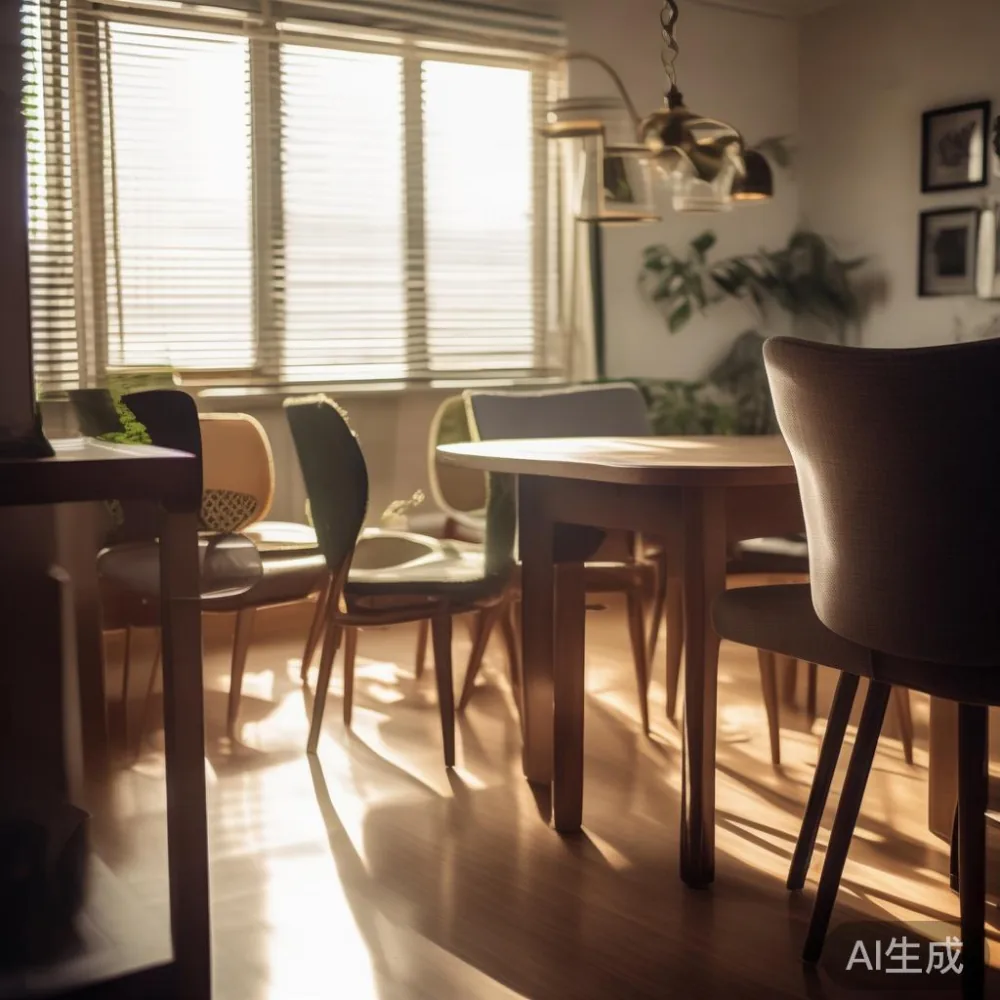
Singapore homes are a sizing puzzle by design. A standard 4-room HDB dining area sits between 2.7 m and 3.2 m on its longest side, and corridor widths between the living and dining zones often narrow to 90 cm once skirting boards and a built-in console are subtracted. Pair that with lift openings of roughly 90 cm by 210 cm in most blocks built between 2010 and 2020, and a 14-day return window from a supplier becomes a lifesaver rather than a perk. For shoppers weighing a solid wood dining table with upholstered chairs, the maths should start at the chair, not the tabletop.
Why chair dimensions matter more than table dimensions in an HDB
Tables are flat and forgiving. Dining chairs are bulky, have backs that push outward, and have armrests that silently steal 8 to 12 cm on each side. In a typical Punggol BTO where the dining spot is 2.4 m wide, a 90 cm by 60 cm table will leave only 75 cm behind each chair once you add a 50 cm seat depth and a 5 cm skirting. That is below the 80 cm clearance that ergonomic guidelines suggest for getting in and out without brushing the wall.
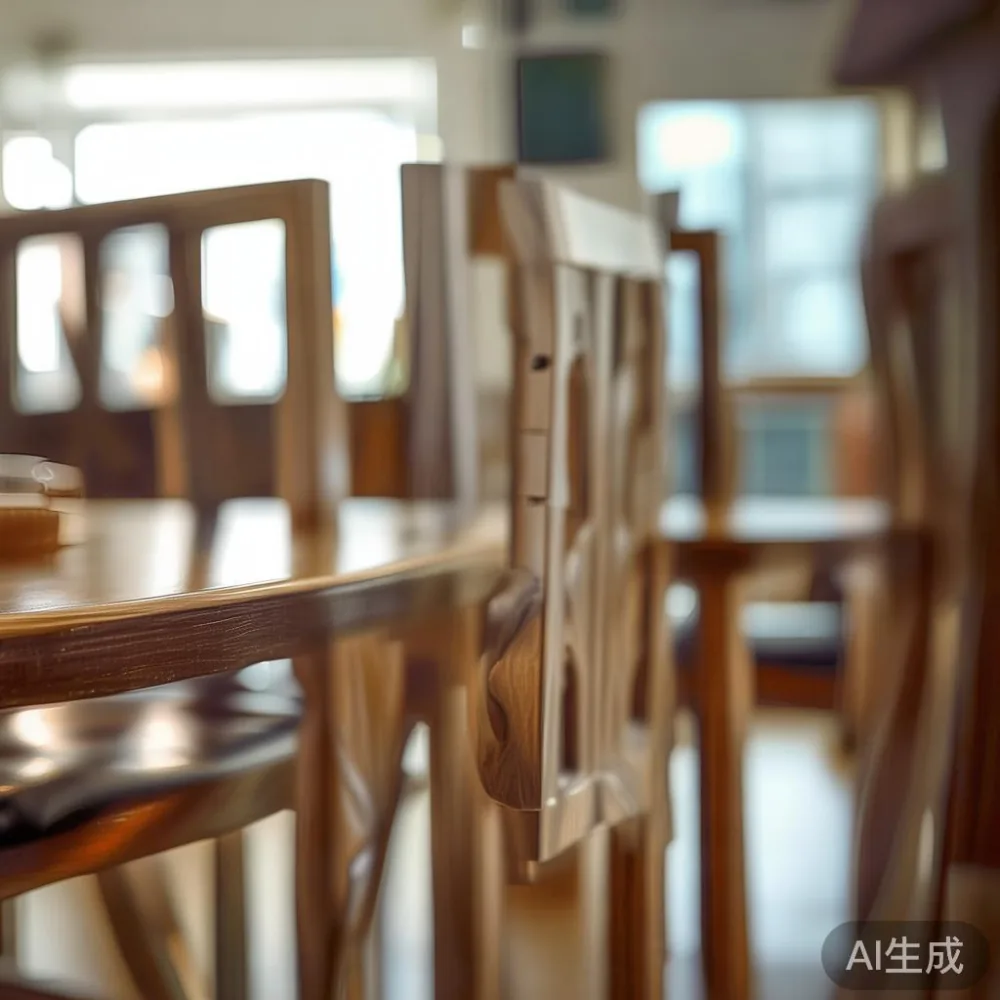
Three measurements control everything: seat height (typically 45 cm), seat depth (40 to 50 cm), and back height (85 to 100 cm from floor). A standard dining chair profile occupies a footprint of roughly 50 cm by 55 cm. Multiply that by four chairs around a 120 cm table, and you are looking at a 220 cm by 130 cm active zone. In a 3 m by 2.4 m dining rectangle, that leaves a 60 cm to 80 cm walking buffer, which feels tight the moment someone stands up.
What size dining chairs fit a 4-room HDB dining area?
For a 4-room flat (roughly 90 sqm) with a dining rectangle of about 2.7 m by 2.4 m, the comfortable footprint is a 120 cm by 70 cm rectangular table paired with chairs that have a seat depth of 42 to 45 cm and a back height under 95 cm. That keeps the pull-out zone under 50 cm and preserves a 75 cm walking lane behind each diner. A 90 cm round table works better in Bedok five-room layouts where the dining corner opens into a longer corridor, because round tables need only 60 cm of pull-out clearance in every direction and use smaller chairs without armrests.
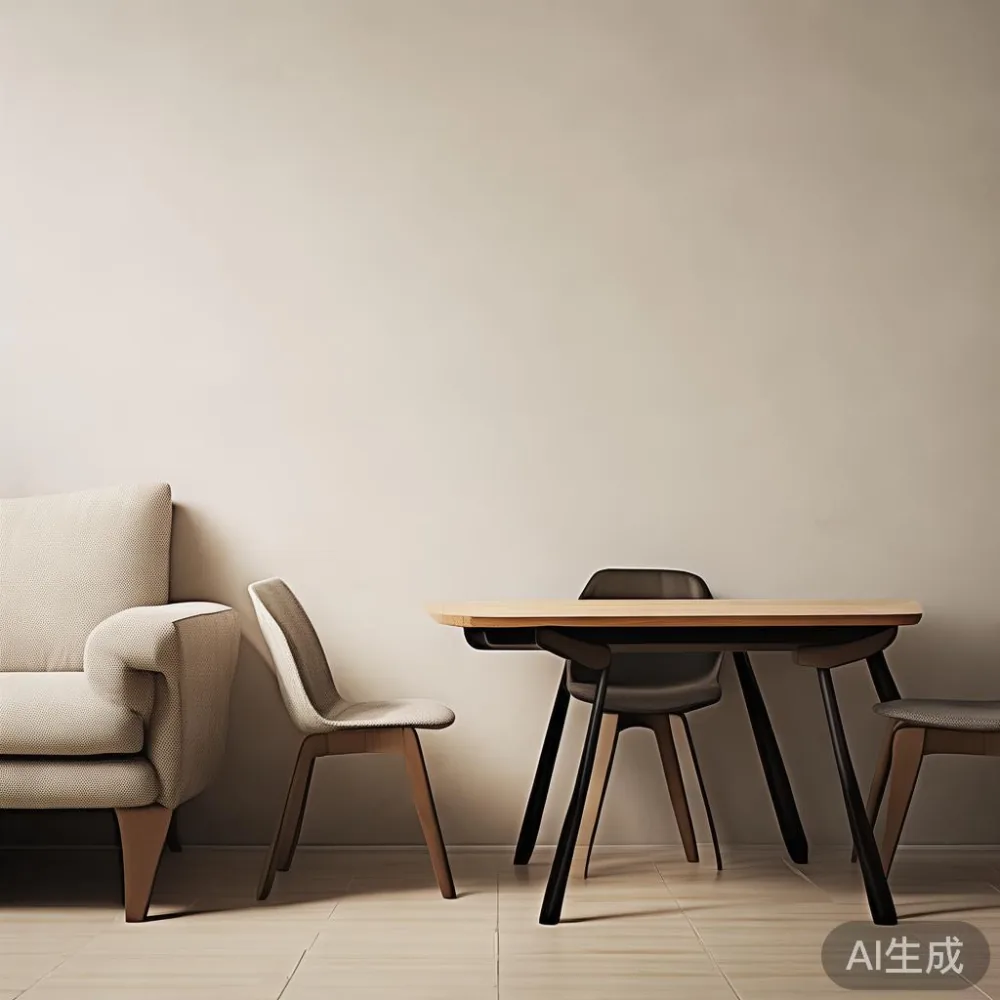
For a five-room or executive HDB around 110 sqm, you can stretch to a 140 cm by 80 cm table with armchairs, provided the back height stays at or below 100 cm. Anything taller starts to dominate the room visually and will feel cramped under the standard 2.8 m ceiling once a 40 cm chandelier is hung above the table.
Will the chairs fit through the lift and corridor?
This is the question Singapore buyers forget until delivery day. Lift openings in HDB blocks are typically 90 cm wide by 210 cm tall, and corridor turns between the lift lobby and the unit door often squeeze to 1.2 m. A fully assembled dining chair with a back height of 100 cm and a seat depth of 50 cm usually fits if it is tilted, but the moment you add a marble table base or a solid wood wardrobe going the same trip, the lift choreography becomes painful.
Two practical safeguards: choose chairs under 95 cm back height so they stand upright in the lift without scraping the ceiling, and confirm with the supplier whether assembly happens at the door or in the workshop. MIDHILL, for instance, ships flat-packed dining chairs that fit a standard 90 cm lift opening even with armrests, and the same approach applies to its dining table and nightstand ranges. Flat-packing also protects the joinery during the truck-and-trolley trip from the loading bay to the unit door, which matters in blocks without a direct cargo lift.
If you are buying a marble table or a French ash wood bed as part of the same shipment, plan the delivery route in advance. A 200 kg marble dining top rarely survives a hand-cart transfer up three steps without a plywood runner, and the same care applies to a 60 kg solid wood bed frame. Most Singapore suppliers, including MIDHILL, offer free delivery above a certain order threshold, which usually removes the risk of a last-minute courier switch that ends with a chair dropped on the void deck.
How much clearance do you need around dining chairs?
Ergonomic studies and interior design guides converge on three clearance rules. First, allow 25 to 30 cm between the chair seat and the table apron so people can cross their legs without bumping the underside. Second, allow 70 to 80 cm behind each chair for someone to stand and push back without hitting a wall, sideboard, or the next chair. Third, leave at least 90 cm between the table edge and any opposite wall or kitchen counter for servers to pass.
In an HDB open-plan layout, those numbers collide fast. A typical Tampines five-room living-dining has the dining set 1.8 m from the kitchen peninsula and 1.2 m from the corridor wall. Once you subtract 50 cm for a standard chair seat depth and another 25 cm for a person sitting, you are left with 25 cm of wiggle room for someone to squeeze past a seated diner. That is why armless chairs or chairs with low armrests under 60 cm from the floor are the usual recommendation for anything under 110 sqm.
What chair dimensions work for a Singapore condo dining nook?
Condos in Punggol, Sengkang, and the newer Paya Lebar developments tend to have smaller dining nooks carved out of the kitchen. A common footprint is 1.8 m by 1.5 m. In that footprint, a 90 cm round table with three chairs (two on the sides, one on the end) usually outperforms a rectangular setup. Round tables cut the diagonal clearance needed and remove the corner-bump problem that rectangular tables create in tight rooms.
Seat width becomes the hidden lever here. A standard chair seat is 45 cm wide; a slim-profile dining chair drops to 40 cm and saves 20 cm across a four-chair row. Over a four-person dinner, that 20 cm is the difference between a comfortable pull-out and a scraped wall. Look for chairs with a backrest width under 42 cm if the nook is under 2 m wide.
Where can I buy a dining chairs in Singapore?
You can buy dining chairs in Singapore from three main channels: local furniture showrooms in Tai Seng, Defu, and the Balestier cluster; online local retailers that stock 200 to 600 SKUs and ship from a Singapore warehouse in 3 to 7 working days; and direct-from-factory brands like MIDHILL that ship from Foshan with sea freight, typically arriving in 25 to 40 days and including free delivery above a set order value. Local showrooms let you sit-test the chairs but charge a 30 to 60 percent premium over factory pricing; local warehouses are faster but the selection narrows once you filter by solid wood, light-luxury styling, and a back height under 95 cm; factory-direct offers the widest solid-wood range at the lowest SGD per chair, with the trade-off of a longer lead time and the need to plan around lift and corridor dimensions in advance.
When comparing options, anchor on three numbers: the SGD price per chair including GST (currently 9 percent in 2026), the back height in cm, and the seat depth in cm. A solid wood dining chair in light-luxury styling typically lands between SGD 180 and SGD 420 per chair from a factory-direct supplier, while the same profile from a local showroom ranges SGD 280 to SGD 650. Stack those numbers against the 10-year structural warranty and lifetime refinishing that established makers offer, and the total cost of ownership tilts sharply toward factory-direct for buyers who plan to keep their chairs past the fifth year.
How do you match dining chair size to a solid wood dining table?
Match seat height to table apron height within a 2 to 3 cm tolerance. Standard dining tables sit at 75 cm from the floor to the underside of the apron; standard chairs sit at 45 cm. That 30 cm gap is the ergonomic sweet spot for elbows and lap clearance. If the table is a counter-height model at 90 cm, chair height rises to 60 to 65 cm and the room needs an extra 10 cm of clearance all around because taller chairs are physically larger.
Match chair width to table length. A 120 cm table fits two chairs per long side comfortably only if the chairs are 45 cm wide or less. A 150 cm table can stretch to three per side if the chairs narrow to 40 cm. Match back height to ceiling height. Anything over 100 cm looks disproportionate under a 2.8 m HDB ceiling, and anything below 85 cm feels dining-cafe rather than dining-home unless the design deliberately leans post-modern light luxury with a low-slung lounge profile.
If the dining table is part of a wider bedroom and living room package, the chair profile should echo the other pieces. A French ash wood bed with a tall headboard pairs naturally with a dining chair back in the 90 to 100 cm range; a low-profile American light luxury sofa pairs better with a 85 cm chair back. MIDHILL carries coordinated collections across dining chairs, dining tables, bed frames, wardrobes, and nightstands, which makes it easier to keep proportions consistent across rooms without hiring an interior designer for a 90 sqm flat.
What chair material and weight suit Singapore humidity?
Singapore sits at 80 percent relative humidity for most of the year, with daily peaks above 90 percent during the December monsoon. Solid wood chairs behave better than MDF or plywood chairs under those conditions, but only if the joinery is mortise-and-tenon or dowelled, not stapled. A kiln-dried ash or oak frame at 8 to 12 percent moisture content will move less than 2 mm across the year in an air-conditioned flat, while a chair with plywood seat panels will often cup and squeak by month six.
Weight matters for two reasons. A 4 to 5 kg solid wood dining chair is comfortable for daily use and easy to shift, but it also scratches timber floors when dragged. A 6 to 8 kg chair feels substantial but needs felt pads. Upholstered chairs add another 1 to 2 kg and trap humidity in the foam, so a breathable fabric like linen or a leather alternative in a light-luxury palette ages better than bonded leather in HDB conditions without a dehumidifier running 12 hours a day.
How many chairs can you fit around a 4-person HDB dining table?
The maximum is four, the practical answer for most HDB flats is three. A 120 cm by 70 cm table with chairs on both long sides seats four, but the corner chairs lose 15 cm of knee room each because they straddle the table leg. Pulling the chairs fully under the table to seat four also requires diners to push the chairs back into the corridor, which then blocks server movement. Three chairs, with the fourth side used as a sideboard or display surface, is the usual compromise in 4-room flats where the dining zone is also a pass-through to the kitchen.
For larger five-room flats, a 150 cm by 80 cm table with six chairs (two on each long side, one on each short side) is feasible if the dining zone is at least 2.8 m on its longest side. The chair footprint math is the same: each chair adds 50 cm to the table footprint when pulled out, and you need 75 cm behind the outermost diners for circulation.
Should you buy dining chairs before or after the table?
Buy the chairs first, or at least the chair dimensions first. The reason is simple: the chair drives the table length, the table length drives the room footprint, and the room footprint is fixed. Starting with the table is the most common HDB ordering mistake and the leading cause of chairs that arrive and do not fit under the table apron, do not clear the corridor, or do not tilt through the lift door.
A practical ordering sequence for a new BTO or resale renovation in 2026 looks like this: measure the dining rectangle, including skirting and any console; pick a chair profile (seat depth, back height, armrest or armless); pick a table size that fits the chairs with 25 to 30 cm of apron clearance; confirm lift and corridor dimensions with the building management; place the order with a supplier that offers a 14-day return window; schedule delivery for a weekday morning when the cargo lift is least busy. Allow SGD 60 to SGD 120 for disposal of old dining pieces if you are replacing an existing set, and budget another SGD 40 to SGD 80 for felt pads, a dehumidifier, and chair cleaning products.
Final thoughts on sizing dining chairs for a Singapore HDB
The single most useful habit before any dining chair purchase is the masking-tape test I did with my friend in Tampines. Mark the floor at the actual seat depth and back height of the chair you are considering, push a dining chair mock-up back and forth for ten minutes, and watch how the room breathes. Numbers on a product page rarely tell you that a 50 cm seat depth pushes a diner 8 cm closer to the kitchen counter than a 42 cm seat depth does, or that a 100 cm back height makes a 2.8 m ceiling feel 10 cm shorter.
Once you have the numbers that match your flat, the rest is style and material. Solid wood dining chairs in a light-luxury finish, paired with a matching dining table and a coordinated bedroom set anchored by a French ash wood bed, will outlast three renovation cycles if the joinery is right and the humidity is managed. A 10-year structural warranty and lifetime refinishing from an established maker, combined with free delivery above a sensible order threshold, turns what looks like a premium purchase into a long-term value play for any Singapore home, whether it sits in a Punggol waterfront condo or a mature Bedok HDB estate.