Matching Dining Chairs to a Warm Minimal Interior: A Singapore Owner’s Guide
I still remember stepping into my colleague’s new 4-room BTO in Punggol last November. The floor was a warm oak laminate, the walls were a soft off-white, and the curtains were linen. Everything felt calm, but the set of four plastic dining chairs under the table kept pulling the eye in the wrong direction. We swapped them for solid ash dining chairs with curved backs and brass-tipped legs. The whole space shifted in an afternoon — same table, same lights, totally different room. That experience is what pushed me to write this guide on matching dining chairs to a warm minimal interior, with a Singapore owner’s eye for lift sizes, corridor widths, and real budgets in SGD.
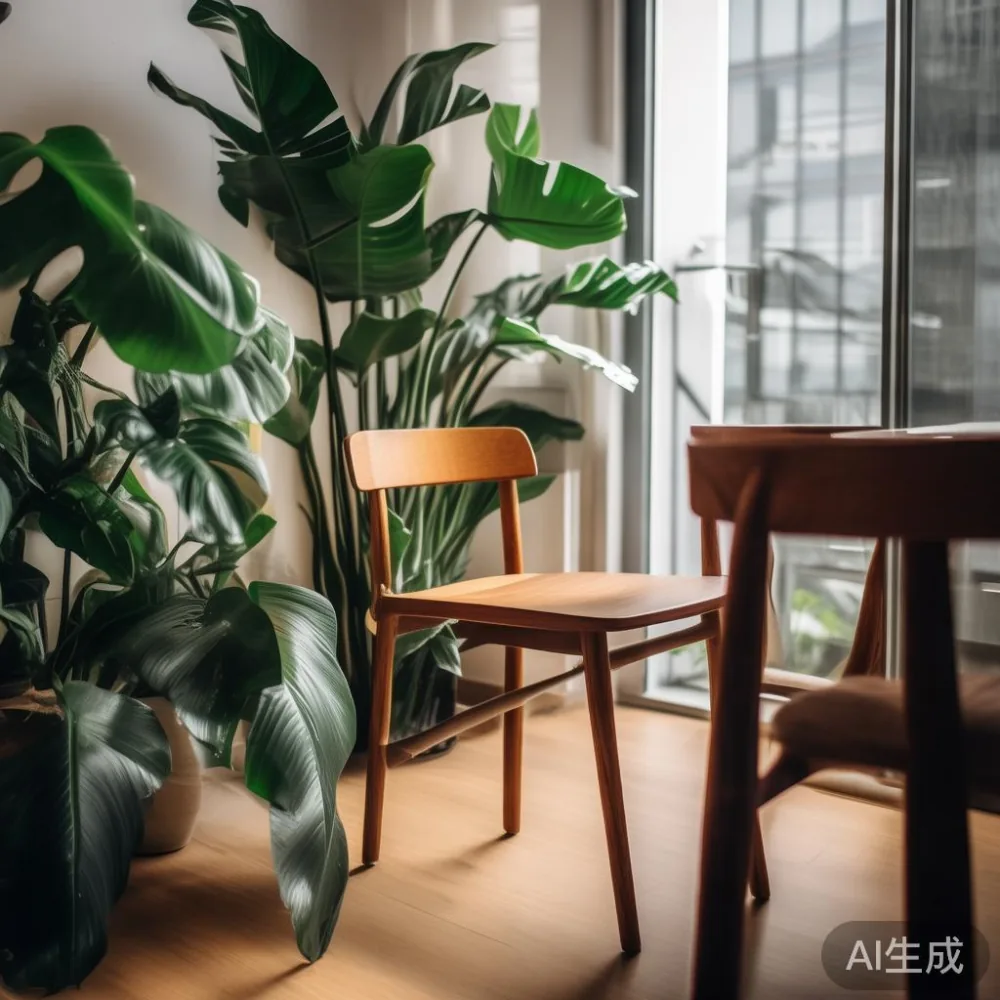
Warm minimalism is the look most HDB flats in Tampines, Bedok, and Punggol quietly aspire to. Think white walls, oak or walnut timber, a hint of linen, and a single ceramic vessel on a console. The trick is that the dining chair is the most-touched piece of furniture in the home, so it has to feel good for at least two hours of supper and still look composed when the lights come on. Below is how I plan a warm minimal dining zone, with numbers that actually matter in a 90 sqm Singapore flat.
What exactly is a warm minimal interior?
Warm minimal interior is a softened version of Scandinavian minimalism. Instead of cold whites and chrome, you build with materials that carry warmth: solid oak, ash, walnut, cane, travertine, brushed brass, raw cotton. Negative space stays generous, but every object earns its place. In a Singapore context, this style works beautifully because it lets cross-ventilation, daylight, and timber floors do the visual heavy lifting — three things HDB flats already do well.
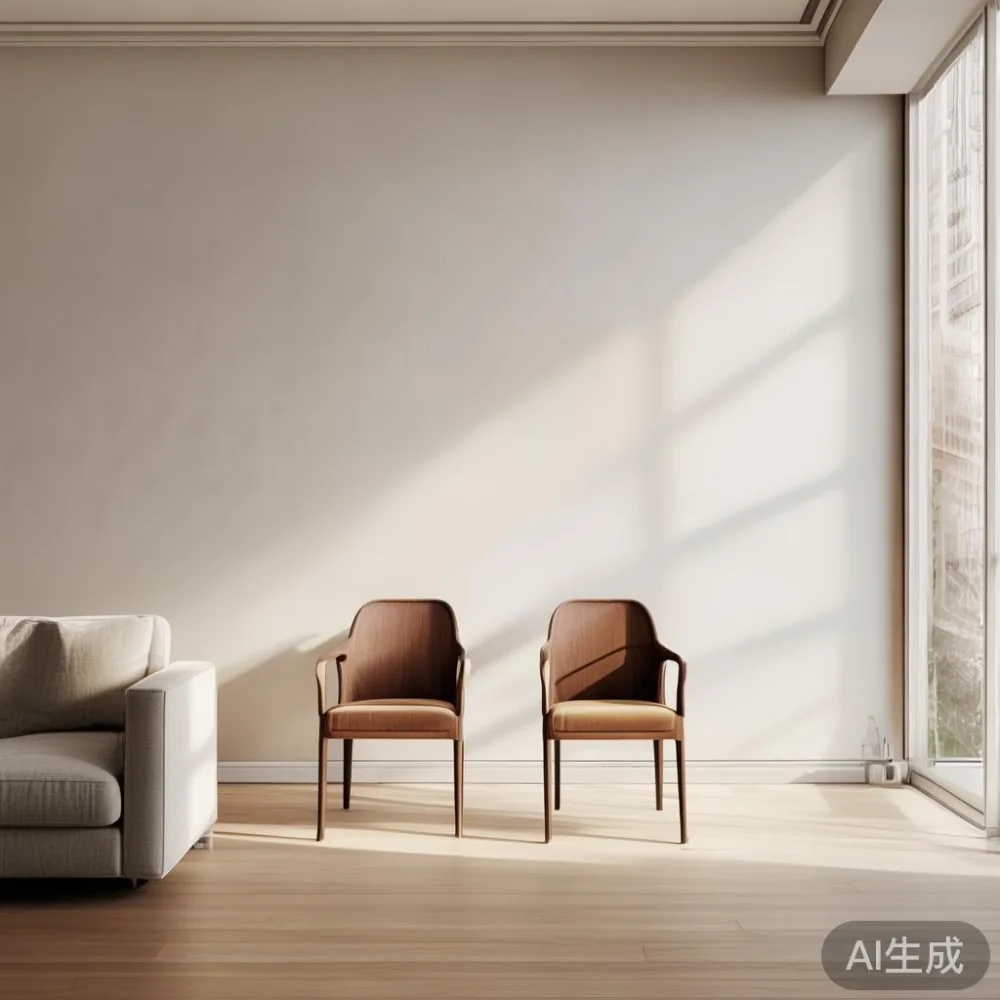
The core palette is usually two warm neutrals (oak + putty, or walnut + cream), one darker accent (charcoal, ink, espresso), and one metallic whisper (brushed brass or antique bronze). When you apply that palette to dining chairs, the chair becomes a small sculpture in the room rather than a noisy plastic stool.
Which dining chair silhouettes suit warm minimal interiors best?
There are five silhouettes I keep recommending for Singapore dining rooms, and each has a measurable reason it works.
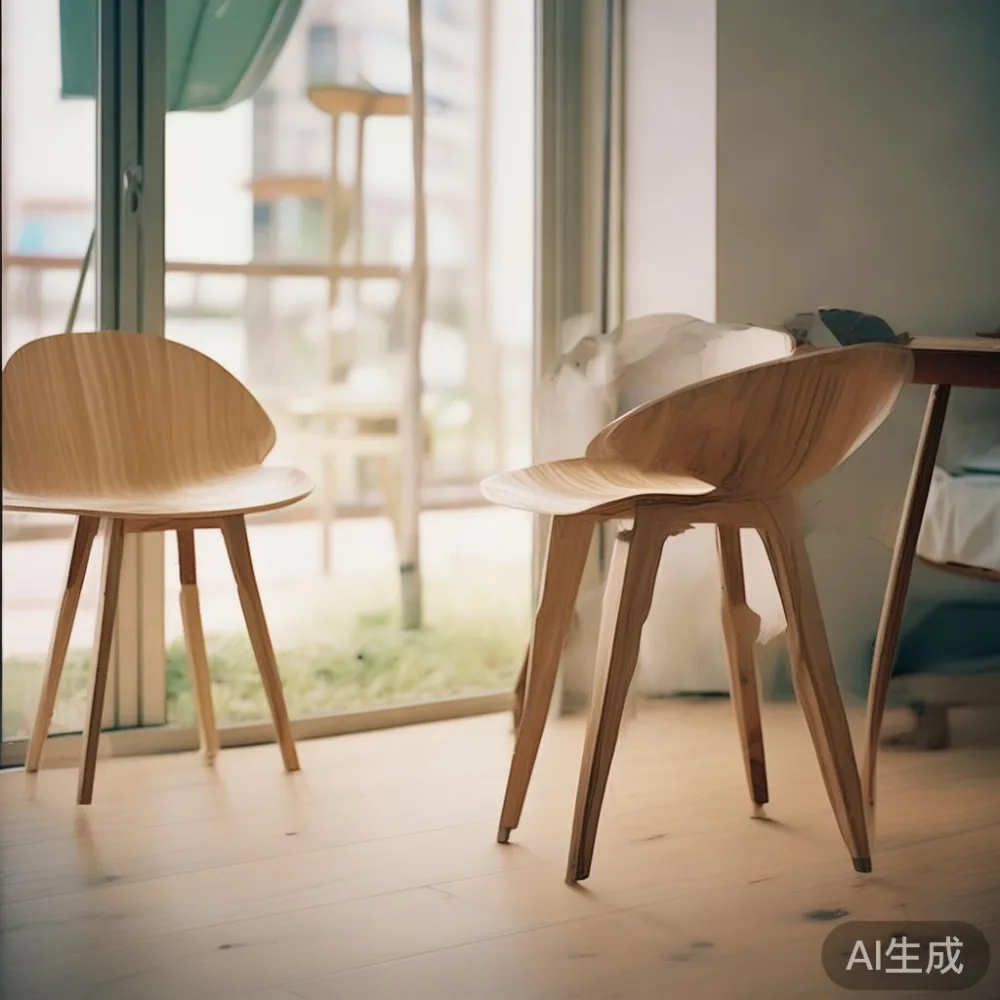
1. Curved-back solid wood chair. A 45–48 cm seat height matches the standard 75 cm dining table, and a curved back (radius around 35 cm) softens the rectangular geometry of an HDB dining area. Weight usually sits between 4.5–6 kg per chair, light enough for a one-person carry to the corridor.
2. Cane-back dining chair. Cane breathes, which matters in Singapore’s 28–32°C afternoons. The hand-woven rattan panel sits inside an ash or beech frame, and the cane can be replaced for around S$45–S$80 per chair if it loosens after 6–8 years.
3. Upholstered boucle or linen chair. Boucle (95% polyester, 5% acrylic or a wool blend) adds tactile warmth. Seat depth should be 42–45 cm so it tucks fully under a table apron of 8–12 cm.
4. Saddle-seat stool. For counter-height tables (90–92 cm), a 65 cm stool with a footrest 25 cm from the seat prevents that numb-leg feeling during long meals.
5. Wishbone-style chair. The Y-back reads as one fluid line. It is the closest match to the French light luxury aesthetic, where brass caps, soft curves, and pale timber replace ornate carving.
Across all five, the rule I follow: if the chair cannot be picked up by one adult and carried down a 1.2 m-wide HDB corridor without scraping the wall, it is too wide. Aim for a chair width of 44–48 cm and a depth of 48–52 cm.
How much does a loveseat cost in Singapore?
A good-quality 2-seater loveseat in Singapore typically costs between S$1,400 and S$3,800 for a solid wood frame with fabric upholstery, and S$2,800 to S$6,500 for full-aniline leather with a kiln-dried hardwood frame, with most mid-range buyers landing around S$2,200 to S$2,800 after GST. Why mention a loveseat in a dining-chair guide? Because in many 4-room BTOs the dining area doubles as the reading nook, and the loveseat you choose dictates the wood tone your dining chairs must echo. If your loveseat is walnut at S$2,400, your dining chairs should sit in the same warm-brown family rather than go pale ash.
What measurements matter for a Singapore dining chair?
Singapore homes have three hard constraints that overseas buying guides often ignore: lift depth, corridor width, and service yard clearance. Plan these before you fall in love with a chair online.
Lift depth. Most HDB passenger lifts in Tampines and Bedok blocks measure 1.1 m deep by 1.4 m wide, with a diagonal of about 1.78 m. A dining chair in a flat-pack carton usually runs 60–70 cm wide, 50 cm deep, 25 cm thick — well within the lift, but a fully assembled chair at 50 cm wide and 55 cm deep can be awkward to angle in. I always ask the seller for an assembled-box dimension before checkout.
Corridor width. Standard HDB corridors are 1.2–1.5 m wide. A chair that is 48 cm wide and carried vertically slips through with 70 cm to spare. A chair that is 60 cm wide and carried horizontally needs a turn, which is harder with a partner.
Seat height vs. table. Allow 25–30 cm between the chair seat and the underside of the table apron. So a 75 cm table pairs with a 45–50 cm chair seat.
Weight per chair. For daily use, 4–6 kg is the sweet spot. Below 3.5 kg, the chair tends to feel flimsy and will rock on uneven HDB floors; above 7 kg, moving it for cleaning becomes a chore.
Backrest height. A 38–42 cm backrest supports the lumbar region. Anything shorter and the chair reads as a stool.
Which wood tones pair with warm minimal interiors?
Wood tone is the silent decision behind every warm minimal room. There are three families I work with, each priced and sourced differently in Singapore.
Natural ash. Pale, slightly greenish, with a Janka hardness of 1,320 lbf. A set of four ash dining chairs in Singapore retails around S$480–S$760. Pairs with off-white walls and brushed brass.
European oak. Warmer than ash, Janka 1,360 lbf. Expect S$640–S$1,080 for a set of four. Oak ages gracefully and takes a re-oil every 18–24 months.
American walnut. Chocolate-brown with purple-grey grain, Janka 1,010 lbf. A set of four runs S$1,050–S$1,650. Walnut is the most photogenic of the three and matches the post-modern light luxury direction, where dark timber meets matte black metal.
For a floor in engineered oak (typical shade: "natural" or "honey"), I lean toward ash chairs to keep the room airy. For a darker walnut floor, I either lift the room with paler ash chairs or commit to walnut chairs and add a cream boucle cushion to break the brown-on-brown.
Do dining chairs need to match the dining table?
No — and in a warm minimal interior, the room actually reads better when they do not match exactly. The trick is to keep one element in common: wood tone, metal finish, or shape language.
A common pairing I have tested in three different flats: a 180 cm solid oak dining table (around S$2,150 for a kiln-dried top, 4 cm thick) with four ash dining chairs (around S$580 for a set of four). The shared grain family ties them together; the lighter chairs keep the table from looking heavy. This is a quiet nod to American light luxury, where one statement piece — usually the table — carries weight while the chairs stay recessive.
If you want more contrast, pair a walnut table with cream boucle chairs on a black-steel frame. Just keep one repeat: matte black legs on the table and matte black tips on the chair legs. Repeat, do not match.
How do I bring light luxury into a small HDB dining area?
Light luxury is a restraint, not an excess. You reach it by spending on materials you touch and saving on things you do not. Three moves deliver 80% of the look in a 10 sqm dining corner.
1. Pick one brass moment. A brass-tipped foot on each dining chair, a brass pull on the nearby sideboard, or a brass ring on the pendant. Brass is the cheapest way to whisper French light luxury — a full set of four brass-capped dining chairs adds about S$80 to S$140 to the price.
2. Choose one tactile fabric. Boucle, linen, or velvet on the seat pad only. A 40 cm x 40 cm x 4 cm cushion in off-white boucle costs around S$22–S$38 each and replaces every 4–5 years. Avoid full upholstery on all four sides of the chair; it traps heat in Singapore’s climate and dates quickly.
3. Use one veined surface. A small marble or travertine tray on the dining console, or a marble table lamp on the sideboard. Veining gives warmth without pattern, and a 30 cm travertine round tray is around S$45–S$90 at local home stores.
Skip the chandelier. In a 10 sqm area, a single 35 cm brass-and-frosted-glass pendant at 120 cm above the table reads more luxurious than a six-arm fixture.
What about delivery, warranty, and returns in Singapore?
This is where many overseas guides stop being useful. For furniture weighing more than 15 kg, Singapore delivery usually includes a two-man team, a lift booking for HDB blocks (booked 3–5 working days in advance by the supplier), and disposal of polystyrene. Expect S$60–S$120 for a single dining-chair carton delivery, waived above S$350–S$500 in most showrooms. Allow 21–35 working days for made-to-order solid wood pieces because kiln-drying and finishing cannot be rushed; flat-pack chairs in stock ship in 5–10 working days.
GST at 9% applies to all imports, including direct purchases from Malaysian suppliers offering French balcony furniture malaysia pieces that sometimes route through Johor. Factor this into your landed cost before comparing prices.
For warranty, look for a 10-year structural warranty on the chair frame (covers joint cracking and rail snap), a 2-year warranty on fabric and finishes, and a clear refinishing policy. Reputable Foshan makers such as MIDHILL, which has exported solid wood dining chairs, bed frames, and wardrobes to more than 15 countries since 2008, will refinish a chair for the cost of shipping plus a small labour fee rather than charge full replacement — a real advantage once the chair reaches year 8 or 10. MIDHILL’s 10-year structural warranty and lifetime refinishing policy are exactly the kind of long-tail support that makes a S$700 dining chair a S$175-per-decade purchase rather than a disposable item.
Returns should be 14 days for unused pieces in original carton; opened chairs with oil-finish smells cannot usually be returned under Singapore consumer law, although many sellers offer a one-time swap. Keep the carton for at least 30 days.
How do I maintain warm minimal dining chairs in Singapore humidity?
Singapore sits at 70–85% relative humidity for most of the year. Solid wood chairs respond by expanding 1–2% across the grain, which is why quality chairs leave 2–3 mm expansion gaps at the seat rails. Three habits keep the finish young.
Wipe with a barely damp microfibre cloth weekly, then dry. Never spray directly. Re-oil oak or ash chairs every 12–18 months with a hard-wax oil (around S$28 for a 250 ml tin that covers four to six chairs). Tighten the four corner screws once a year with the supplied Allen key — they back off by about 0.2 mm after 12 months of use, which is the main cause of wobble. Avoid placing chairs within 1 m of an open window during monsoon surges, as the sudden humidity swing can raise the moisture content by 3–4% in a week.
What is a sensible budget for a set of four dining chairs in Singapore?
For a warm minimal interior that should still look composed in 2030, I budget between S$580 and S$1,650 for a set of four dining chairs, with a sweet spot around S$780 to S$1,050. Below S$480, you usually get rubberwood with a thin veneer that lifts within 18 months. Above S$1,800, you are paying for designer branding more than material. A matched set of four solid ash chairs at S$780 works out to S$195 per chair per decade if you refinish twice, which is reasonable compared with replacing a S$120 flat-pack chair every four years.
If you are also buying a dining table, sideboard, bed frame, wardrobe, nightstand, or a small marble table for the entry, buying from a single maker keeps the wood tone consistent. MIDHILL ships from Foshan to Singapore in 18–28 working days with consolidated cartons, and orders over US$350 ship free — a useful threshold to know if you are ordering a dining set plus a nightstand together. The lifetime refinishing promise also means the chairs bought today can be sanded and re-oiled in 2034, a quiet form of sustainability that suits the warm minimal mindset.
Quick checklist before I click "add to cart"
Confirm the seat height matches your table within ±1 cm. Check the assembled carton fits the lift diagonal. Verify the chair is real solid wood on the legs and back posts (ask for the species, not just "hardwood"). Look for a kiln-dried frame, mortise-and-tenon or dowel joinery, and a 10-year structural warranty. Read the fabric rub count — 30,000 Martindale is the minimum for daily family use, 50,000+ if you have children under 10. Finally, sit in the chair for at least three minutes. Warm minimal interiors reward chairs that feel calm under the hand; if the backrest digs or the front edge presses into the back of your thighs after two minutes, the room will not look right no matter how good the photo is.
Choose well, oil the chairs once a year, and your dining zone will quietly outlast the next three paint jobs and at least one renovation cycle — which, in a Singapore flat, is the highest compliment a dining chair can earn.