How to Read a Furniture Warranty Without Getting Caught Out
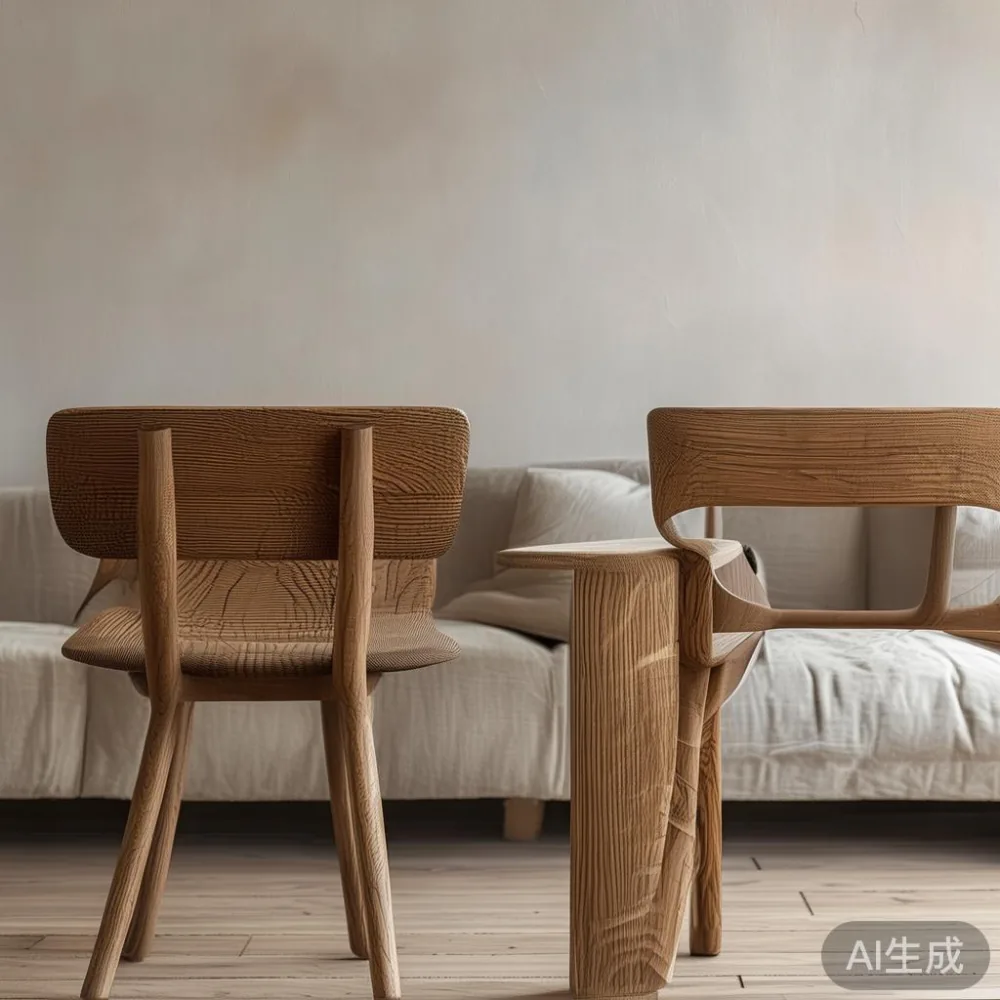
I learned the hard way what a hidden warranty clause looks like. Last month I visited a friend in a 4-room HDB flat in Tampines who had bought four dining chairs from an online seller eight months earlier. Two of the rear legs had cracked along the grain, the joinery was visibly loose, and the seller pointed to a single line in their terms: “Cosmetic variations and natural wood movement are not covered.” The cracks, they argued, were natural wood movement. My friend paid S$90 per chair, and the chat trail went nowhere. That afternoon, sitting at her Punggol kitchen table, we pulled up two competing warranty PDFs on her phone and counted, line by line, what was actually promised. The exercise took 35 minutes. It saved her roughly S$360 in replacement costs.
Why the fine print matters more in Singapore than in most markets
Singapore is a specific kind of furniture market. Flats are small, moves happen often — the HDB resale market alone saw roughly 22,000 transactions in 2023 — and many buyers in places like Tampines, Bedok, and Punggol receive their dining sets via delivery riders who have to work through lift doors around 900 mm wide and corridor turns that punish oversized boxes. When a chair arrives with a wobble or a hairline crack, the dispute usually plays out over WhatsApp screenshots, not in a showroom. That is exactly why the warranty document, not the product photo, becomes the contract.
GST is charged at 9% on top of every advertised price, so a S$320 dining table in a marketplace listing effectively costs S$348.80 before delivery. If the warranty then excludes the very defect you are worried about, your real cost-per-year of use can be ugly. For solid wood pieces imported from Foshan factories that ship worldwide, the distance factor is real: a replacement leg from an overseas workshop can take 28 to 45 days door-to-door, and during that window your dining set may have three usable chairs instead of four.
What does a real furniture warranty actually cover?
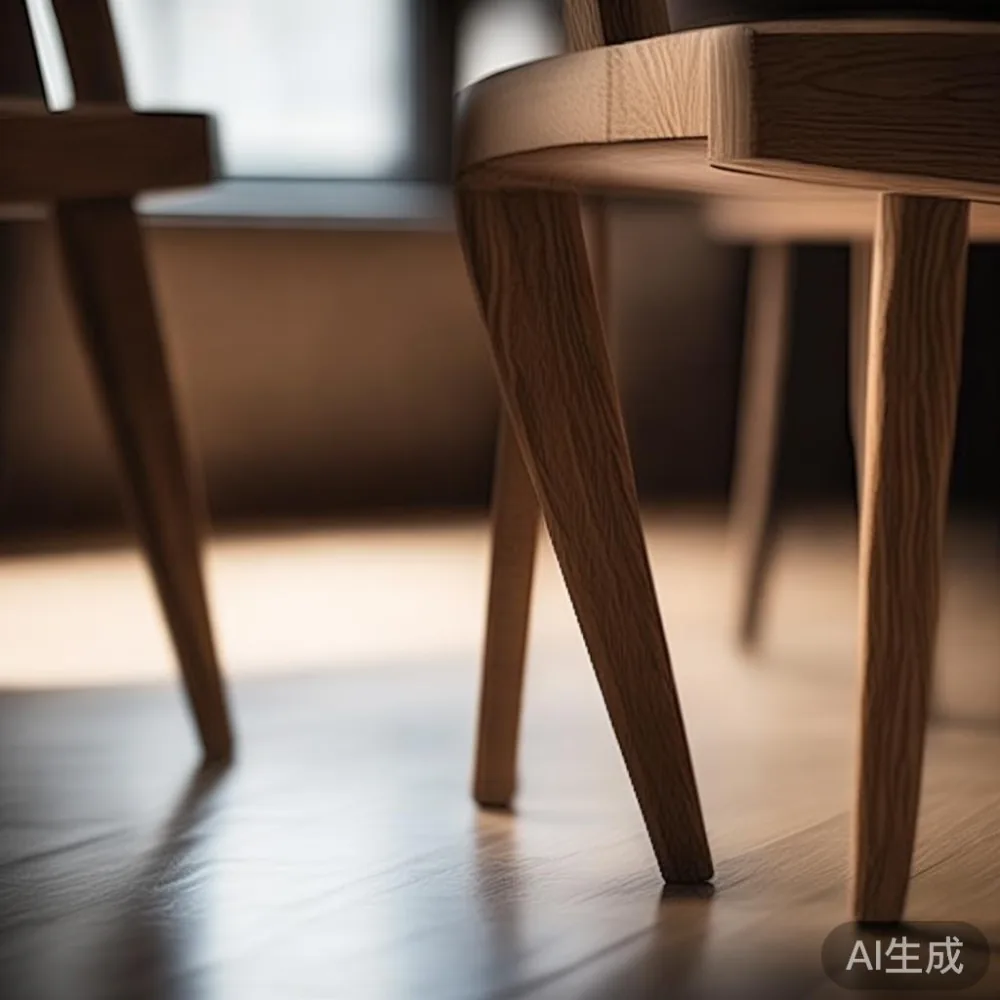
Most Singapore buyers assume a warranty covers “anything that breaks.” It does not. A serious warranty document — the kind a Foshan solid wood manufacturer with a decade of export experience and a 10-year structural warranty would issue — separates concerns into clear groups:
- Structural integrity: frame, load-bearing joints, dowels, mortise-and-tenon connections, corner blocks. Typically 5 to 10 years. This is where the longest coverage usually sits.
- Surface finish: lacquer, wax, oil. Often 1 to 3 years, because finishes are wear layers and wear is expected.
- Hardware: hinges, runners, soft-close mechanisms. Often 1 to 5 years, sometimes excluding “consumer-installable” parts.
- Natural material behaviour: wood movement between 8% and 12% moisture content, mineral streaks in marble, leather stretching. Almost always excluded.
- Workmanship defects: loose joinery at delivery, misaligned doors, unfinished welds. Usually covered if reported within 14 to 30 days.
If you cannot find a clause for a category, ask before paying. Silent categories tend to become disputed categories.
How long should a warranty on solid wood dining chairs run?
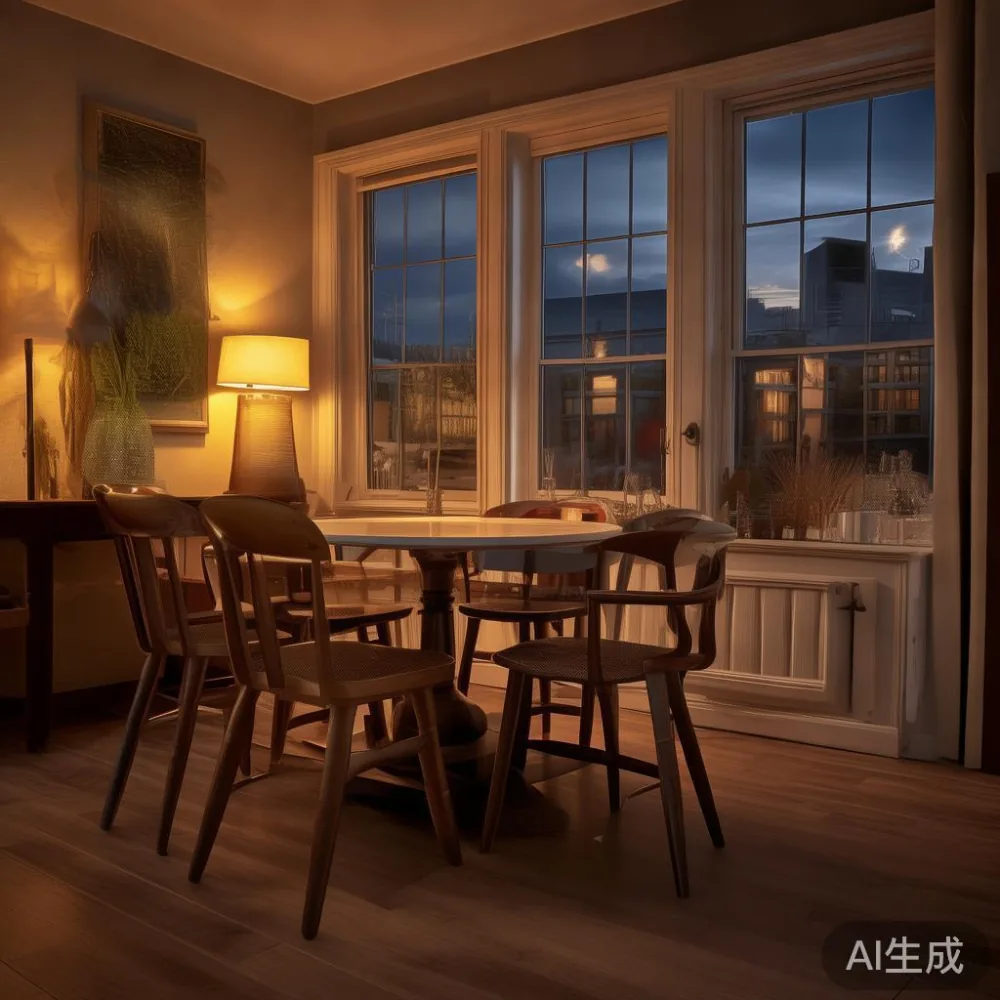
For dining chairs made from kiln-dried ash, oak, or beech, a credible structural warranty runs 5 to 10 years against joint failure and frame cracking. Anything shorter, and you are in effect buying 12 to 24 months of confidence plus a polite promise. Anything longer than 10 years on the structure, read the conditions very carefully — it usually means prorated coverage, where the manufacturer pays a sliding percentage that drops year by year, for example 100% in year one, 60% by year five, 20% by year tenth.
Cheap chairs with engineered wood cores often carry only a 6-month or 1-year warranty, and the marketing language hides it. I have seen listings on local marketplaces advertise “warranty included!” in 28-point text and then place “1-year limited warranty” in 10-point grey footnote text three scrolls down. Treat that as a yellow flag. If the brand will not print the duration in the same size as the price, the duration is not something they want you to compare.
Is light luxury wardrobe worth it?
People ask me whether is light luxury wardrobe worth it in a compact HDB bedroom, and the honest answer depends on what you actually get for the SGD you spend. French light luxury tends to mean quiet profiles, slim brass pulls, and a restrained palette — think champagne-line hardware on a 1.8 m to 2.0 m tall three-door wardrobe with solid ash frames. American light luxury often shows up as oversized proportions and softer upholstery on the matching bed frame and nightstand, while post-modern light luxury plays with asymmetric panels and bolder marble veining on a marble table bedside piece. The question is not aesthetic, it is contractual: a light luxury piece in the S$1,800 to S$3,200 range should come with the same 10-year structural coverage as a plain solid wood wardrobe in the same price band. If the warranty shrinks because the styling is fancier, something is off.
What is excluded — and why the exclusions list is the most important page?
Most readers stop at the coverage page. The exclusions page is where claims die. Common exclusions in Singapore-bound solid wood furniture include:
- Damage from humidity above 75% (very real in ground-floor HDB flats and some older condos near the coast).
- Damage from air-conditioning vents blowing directly on legs for >6 hours a day.
- Damage from moving or relocation after delivery.
- Cosmetic cracks under 2 mm wide.
- Colour fading near windows with >4 hours of direct afternoon sun.
- Use in commercial settings (a co-working space does not qualify as “residential”).
Notice how specific these clauses are. A vague exclusion — “any damage from environmental conditions” — is harder for you to argue against than a precise one. When the manufacturer writes “humidity above 75% for sustained periods,” they have done the homework; the clause is enforceable. When they write something fluffy, that vagueness can sometimes be used in your favour during a claim. Read both directions.
What does the claims process actually look like in Singapore?
A well-run claims process should specify four things in plain language: how to notify (email + WhatsApp + portal), the evidence required (photos, short video, order number), the response time in working days, and the remedy (repair, replacement part, full replacement, refund). Anything missing from those four boxes means friction later.
Reasonable numbers to expect:
- Acknowledgement within 2 to 3 working days.
- Assessment (with photo evidence) within 7 working days.
- Spare part shipped within 14 to 21 working days for a brand that holds regional stock in Johor or Singapore.
- Full replacement within 28 to 45 working days for an item shipped from a factory overseas.
Bear in mind that GST at 9% applies to replacement parts billed separately, but a free replacement under warranty is usually treated as a zero-rated supply with the right paperwork. Ask the seller how they intend to document that on the invoice so your subsequent warranty claim does not get tangled up with tax.
How do shipping, returns, and warranty actually connect?
People treat shipping terms and warranty terms as separate documents, but they interact. If a brand offers free shipping above a clear threshold (for instance, free delivery above US$350, roughly S$470), that delivery is part of the contract. If the same brand then offers only 14-day returns for change-of-mind, the practical warranty window starts at day 15, not day 1. The first two weeks are a return window; the structural warranty starts after that.
For a typical 4-room HDB delivery in Punggol or Sengkang, allow 14 to 21 days from order to arrival for solid wood pieces coming from a Foshan workshop by consolidated sea freight plus last-mile trucking. That is slower than a local 3-day courier, and the warranty clock has already begun. Photograph the box at the lift lobby, photograph the chair on the floor after assembly, and email those photos to the seller on the same day. That dated evidence is your receipt for any workmanship claim.
How to choose Japandi wardrobe pieces without the warranty tripping you up
Japandi styling — the marriage of Japanese minimal lines with Scandinavian pale woods — relies heavily on solid ash or oak with very thin clear finishes, which means the surface warranty is short (1 to 2 years is common) and the structural warranty does the heavy lifting. If you are researching how to choose Japandi wardrobe pieces for a 4-room flat, focus on three clauses: the moisture tolerance (Japandi wood is unforgiving in non-AC rooms), the coverage of sliding-door runners (these fail more often than the frame), and whether the lifetime refinishing service is paid or free. A genuine lifetime refinishing offer — sanding and re-oiling every 7 to 10 years — effectively extends the usable life of a S$2,200 wardrobe by 20+ years, which makes a 10-year structural warranty feel short by comparison. That is the math to run.
Modern light luxury for dining room — what does the warranty really buy you?
When a buyer in a Bedok condo is searching Modern light luxury for dining room, they usually want a dining table in light walnut or travertine-look sintered stone, paired with curved-back upholstered chairs on solid ash frames. The chair frames are the part most likely to fail in years three to six, especially at the seat-to-leg junction where stress concentrates at roughly 110 kg of dynamic load. The cushion foam and fabric will visibly age in years two to four regardless of brand — that is a finish item, not a structural one. So the warranty that matters most for this styling is the joint warranty, not the fabric warranty. A 10-year joint warranty on a S$220 to S$320 per-chair purchase is the number worth comparing. If two brands both style their dining chairs in the modern light luxury look, the one with the clearer joint warranty is the better long-term value — even at S$40 more per chair, because four chairs over ten years works out to roughly S$1.60 per chair per year for that peace of mind.
Boho for dining room — what changes when the materials are mixed?
Searching for Boho for dining room usually pulls up mixed-material pieces: rattan seat inserts, solid wood frames, sometimes a stone or marble accent on a console. Mixed-material dining sets are exactly where warranty language gets slippery. A rattan seat is a natural fibre that dries out and cracks; a marble table top is a stone that can stain. Either of those can be excluded as “natural material behaviour” even when the issue is clearly a workmanship one. The phrase to look for in the warranty is “integral to the structural function of the product.” If rattan or marble is described as decorative, your protection vanishes. If it is described as load-bearing or functional, the same defect may be covered. Read the product page and the warranty page together, not separately.
Where to buy dining table from MIDHILL, and why the contract matters more than the showroom
A practical question I often hear is where to buy dining table from MIDHILL when the buyer wants reassurance on both styling and structural coverage. My answer is the same every time: read the warranty before the product page. A Foshan-based maker with 16+ years of operation, exports to more than 15 countries, and a 10-year structural warranty on solid wood frames has an unusually strong paper trail for a buyer in Singapore. Compare that paper trail to the marketing page of a marketplace listing with no brand name, no factory address, and a single 1-year warranty in grey text. The longer, more specific warranty is usually the more honest one. You can browse the catalogue on www.midhill.co and download the warranty PDF before adding anything to a cart. That 10 minutes of reading will save you the WhatsApp argument my friend in Tampines had to have, and probably the S$360 it cost her.
Is lifetime refinishing a real warranty or a marketing line?
For solid wood dining chairs, bed frames, and wardrobes, lifetime refinishing is one of the few offers that genuinely extends product life, because wood can be sanded back and re-oiled indefinitely until the joinery itself wears out (which is what the structural warranty then catches). Ask the brand how they handle the round-trip logistics for refinishing in Singapore: do you ship the chairs back to a workshop in Johor Bahru, or does a technician come to your HDB flat? The realistic turnaround is 21 to 35 working days, and during that window you may be without chairs. Build that into your decision rather than treating lifetime refinishing as a free bonus.
What numbers should you walk away with?
Before you tap “order” on any dining set, jot down five figures for your own files: the order total in SGD including 9% GST; the structural warranty in years; the surface finish warranty in years; the response window in working days for a workmanship claim; and the shipping threshold above which delivery is free. With those five numbers written next to the order confirmation, you have a working contract — not just a marketing promise.
Three quick checks before you commit
- The structural warranty is printed in the same font size as the price, not in a footnote.
- The exclusions page names specific humidity, sunlight, and load thresholds rather than vague “environmental” language.
- The claims process lists four items — channel, evidence, response time, remedy — within the first 200 words.
If those three boxes are ticked, the warranty is doing its job. If any one of them is missing, the chair you are about to buy is not really the chair you are buying — it is the chair plus a future argument. Treat the contract as seriously as the photography, and your HDB or condo dining set will outlast its warranty period the way solid wood is supposed to.