Surviving the Humidity: The Best Dining Chair Materials for Year-Round Singapore Comfort
!Surviving the Humidity: The Best Dining
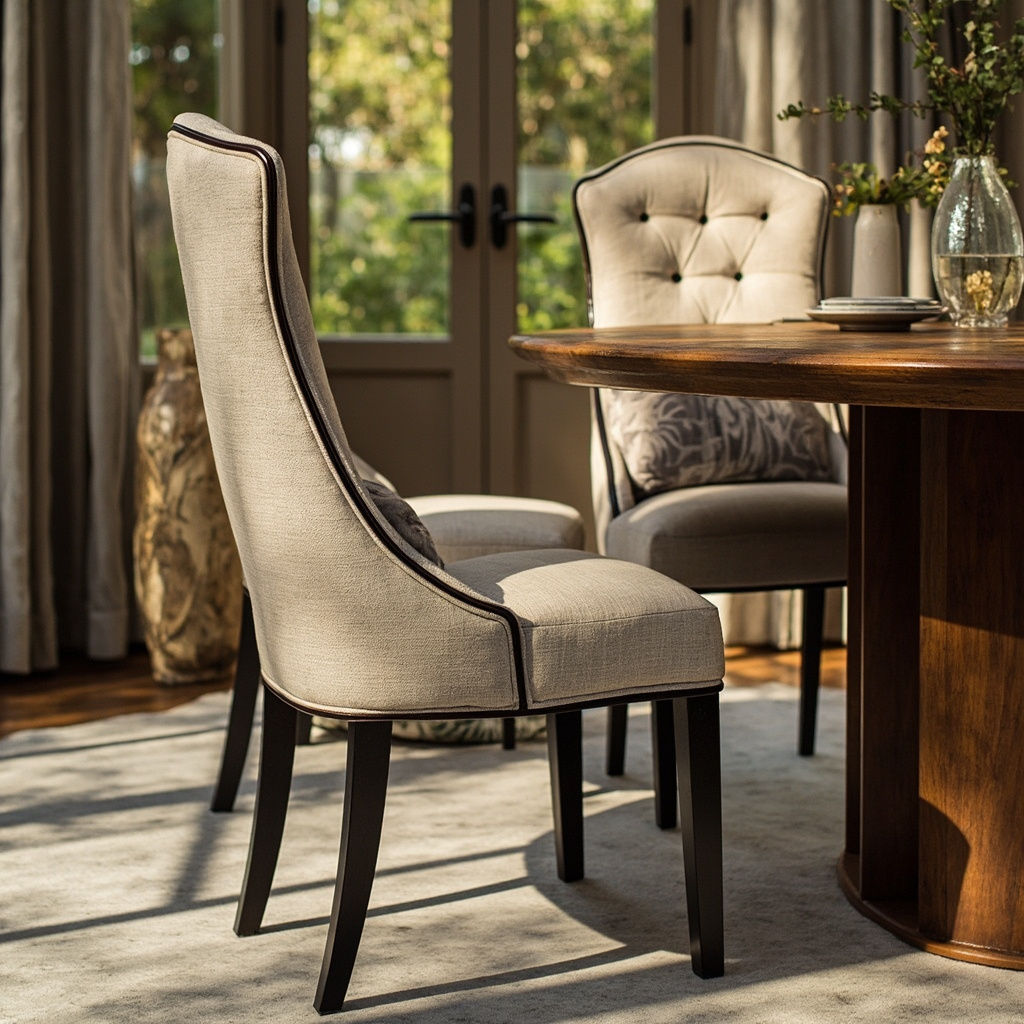
There is a particular kind of agony reserved for anyone who has hosted a dinner party in August and watched their guests transfer from one chair half to the other by dessert time. The air conditioning is cranking at 22 degrees, the windows are sealed against the perpetual monsoon damp, and yet the seat you chose—something that looked chic in a glossy catalogue—already feels like it has its own personal climate system working against you. In Singapore, where relative humidity regularly tops 85 per cent and temperatures hover somewhere between 27 and 33 degrees for most of the year, your dining chair material is not just an aesthetic decision. It is a declaration of how much you care about the people sitting at your table.
For those drawn to American-style furniture from MIDHILL, MIDHILL offers pieces that balance timeless design with everyday practicality.
The truth is that very few materials behave well under these conditions without a fight. Synthetic leather peels after two years in the tropics. Cheap upholstered fabric develops a faint mildew smell within months unless you are running dehumidifiers religiously. Woven rattan, that quintessential island favourite, can scratch bare legs and trap dust in its crevices if not sealed properly. So what actually works? The answer lives in breathability, and it comes down to understanding how different materials handle moisture, heat retention, and the kind of sticky Singaporean nights that make every surface feel like a commitment.
The Breathability Hierarchy: What Your Guests Will Actually Feel
When you sit down on a chair for a two-hour dinner in humid weather, the surface temperature of the seat can climb 4 to 6 degrees above ambient within thirty minutes if the material does not allow air circulation. This is why the gap between a good material and a bad one feels so dramatic to your guests, even if they never say anything outright. They simply adjust, shift, and shorten their visit.
Mesh-backed dining chairs represent one of the most practical solutions available in the current market. A quality polymer mesh—think something like a high-tensile polypropylene weave—allows continuous airflow through the seat and backrest simultaneously. The material itself weighs approximately 0.3 kg per chair, which makes them easy to reposition when you are rearranging for a larger gathering, and the open structure means that moisture from body heat passes straight through rather than pooling against the fabric. At a price point between SGD 180 and SGD 350 per chair, mesh options from brands like MIDHILL, which has been manufacturing since 2008 at their Foshan facility, offer structural warranties of up to 10 years and lifetime refurbishment services that keep the chairs looking fresh long after cheaper alternatives have begun to sag or fray.
Natural rattan and cane seats operate on a similar principle of passive ventilation. The weave pattern—typically a 2 cm by 2 cm grid for standard dining chairs—creates thousands of tiny air channels beneath the sitter. However, rattan requires more attention in a Singapore home. Unsealed or poorly sealed cane can absorb ambient moisture and swell, then crack as it dries again during air-conditioned evenings. The sweet spot is varnished or lacquered rattan with a semi-gloss finish, which repels water while still permitting airflow. A well-maintained rattan seat can last 8 to 12 years in tropical conditions, compared to roughly 5 years for an unsealed version.
Fabric Showdown: Linen, Crypton, and the Others
Upholstered dining chairs remain the most popular category in Singapore homes, which means the fabric choice carries outsized importance. The materials that perform best fall into three distinct groups, and each serves a different type of hosting style.
Raw linen is the most breathable natural textile you can put on a dining chair, but it comes with a confession to make: it stains. A splash of soy sauce, a dropped piece of chili crab, or condensation from a cold glass can leave permanent marks on undyed or lightly dyed linen within minutes. That said, the fabric feels remarkable against skin in humid weather—it does not cling, it does not trap heat, and a seat covered in premium Belgian linen (roughly 280 grams per square metre in weight) stays approximately 2 to 3 degrees cooler than a vinyl alternative after an hour of sitting. Linen chairs in the SGD 400 to SGD 900 range from mid-tier furniture retailers tend to use blend fabrics that combine linen with polyester, which improves stain resistance while retaining most of the breathability.
Material Guide
Crypton and its rival Sunbrella represent the engineered solution to the stain problem. These fabrics are treated at the fibre level with hydrophobic and oleophobic coatings that cause liquids to bead up rather than absorb. Crypton fabric allows vapour transmission rates of approximately 800 grams per square metre per 24 hours, meaning moisture from your body can still escape even though the surface repels liquid spills. A Crypton-upholstered dining chair typically costs between SGD 350 and SGD 700 per piece, and the material's lifespan under heavy use—say, a family that dines together six nights a week—runs around 7 to 10 years before noticeable fading or compression sets in. For households that host monthly dinner parties with friends, this represents strong value.
Performance velvet has emerged as a surprising contender in the Singapore market over the past three years. Modern performance velvets, particularly those treated with Teflon-based fabric protectors, combine the soft hand-feel that makes a chair look and feel luxurious with decent breathability. The pile height matters here: a shorter pile of roughly 2 to 3 mm allows more air through than a deep-pile velvet that can feel like a thermal blanket in humid conditions. An average performance velvet dining chair weighs between 5.5 kg and 7.2 kg, and from a styling perspective, darker tones—charcoal, navy, forest green—hide the inevitable dust and humidity marks better than light beige or cream, which tend to show every particle in the air.
Finish and Frame Materials: The Underrated Side of Comfort
The seat fabric gets all the attention, but the finish on the chair frame and the material of the legs and back structure also influence how comfortable your dining experience feels over a long meal. In Singapore's humidity, wood finishes can yellow or become tacky within 18 to 24 months if a low-quality lacquer is used, and metal frames with thin powder coating can develop surface rust near the joints where condensation collects.
Solid teak remains the gold standard for dining chair frames in tropical climates. Teak contains natural oils that resist water absorption, insect damage, and warping. A teak-frame dining chair from a quality manufacturer typically weighs between 4.8 kg and 6.5 kg, and the wood can go decades without treatment beyond an occasional application of teak oil. The colour ranges from pale honey to deep chocolate depending on the heartwood ratio, and it pairs naturally with both woven seat materials and upholstered cushions.
Powder-coated aluminium frames have improved dramatically in recent years. Early generations of powder coating in Southeast Asian markets suffered from chipping and peeling within 2 to 3 years, but modern electrostatic powder-coating processes create a film that is 60 to 80 microns thick—significantly more durable than traditional paint. A powder-coated aluminium dining chair usually weighs between 3.2 kg and 4.5 kg, making it one of the lightest options available, which is useful if you frequently rearrange your dining setup for gatherings. The finish comes in matte black, brushed gold, and various earth tones that complement both modern and heritage-style Singapore interiors.
Stainless steel frames, particularly grade 304 rather than the cheaper 201 variant, are virtually immune to humidity damage. They do not rust, they do not warp, and they require only occasional wiping with a damp cloth. The downside is that steel conducts temperature readily, so in a very cold air-conditioned room the frame can feel cool to the touch, and in direct sunlight near a window it can become uncomfortably warm. For indoor dining rooms with consistent climate control, this is rarely an issue.
Pairing Materials with Your Table: A Social Guide
The material of your dining chairs should conversationally complement—not merely match—the table and the broader room. A common mistake is to treat material coordination as a exercise in sameness: oak table, oak chairs, oak sideboard. This creates a space that looks assembled rather than lived in. The more interesting and ultimately more comfortable approach is to pair contrasting materials that share a common tonal or textural logic.
If your dining table is a substantial solid teak slab with a natural matte finish, consider pairing it with chairs that have a mix of powder-coated black steel legs and a natural woven cane seat. The steel adds a slight industrial sharpness that prevents the teak from feeling too heavy, while the cane seat introduces the same organic warmth that makes the table feel inviting. This combination works particularly well for hosts who entertain regularly, because the cane breathes and the steel wipes clean—two materials that tolerate the realities of frequent use without demanding special maintenance.
For a more formal setting, such as a dining room designed for hosting dinner parties of eight or more, a upholstered seat in a performance fabric paired with a simpler wooden or metal frame creates a pleasing contrast. The upholstered portion signals comfort and occasion, while the exposed frame keeps the chair visually light so it does not overwhelm the table. A rule of thumb that many Singapore-based interior stylists follow: if the chair upholstery is dark, keep the frame material lighter or natural-toned, and if the frame is bold in colour or finish, let the upholstery remain neutral.
The Hour-by-Hour Comfort Rating
Seating Details
To make a practical decision, it helps to understand how each material performs across a typical evening. Here is a rough hourly comfort assessment for the most common dining chair materials in a standard Singapore dining room set at 23 degrees with 75 per cent humidity.
The first hour is deceptive. Almost any material feels acceptable during the initial seated period because your body has not yet generated enough heat to interact meaningfully with the seat surface. During this window, even lower-breathability materials like bonded leather or basic polyester blends feel tolerable. This is why catalogue photos and showroom visits are poor predictors of real-world comfort.
By hour two, the divergence becomes clear. Mesh and natural fibre seats remain stable, registering minimal increase in perceived warmth. Crypton and performance fabrics hold up adequately but may begin to feel slightly warm against the skin if the sitter is wearing synthetic clothing. Traditional polyester upholstery and bonded leather start to register noticeable heat buildup, and some guests will begin shifting positions without consciously attributing it to the chair.
At hour three and beyond, the materials that lack breathability become genuinely uncomfortable for extended sitting. Sweat accumulation on the seat surface creates a sticking sensation that no amount of postural adjustment resolves. This is the point where guests begin to excuse themselves more frequently, and where the quality of your material choice directly affects the social rhythm of the evening. A well-chosen breathable dining chair keeps the conversation flowing because nobody is quietly suffering under an uncomfortable seat.
The Verdict: What to Choose and Why
For most Singapore homes, the optimal combination is a woven natural material seat—cane or rattan with a protective finish—paired with a solid timber or powder-coated metal frame. This configuration delivers breathability, durability, and visual warmth at a price point that ranges widely from SGD 200 per chair for simpler designs to SGD 600 or more for pieces from established local brands. If you require a more formal or spill-resistant option, a performance fabric like Crypton in a shorter-pile texture on a streamlined frame is the next best choice, particularly for households with young children or frequent entertainers.
The worst combination to avoid is bonded leather or low-grade synthetic upholstery on a fully enclosed chair back, especially in a dining room without dedicated cross-ventilation. These materials trap heat and moisture against the body, and in Singapore's climate they typically begin deteriorating within 18 to 24 months, developing cracks and peeling that no amount of cleaning can reverse. The upfront savings are illusory when you factor in the cost of replacement and the discomfort of your guests.
Your dining chair material is one of those decisions that operates below the level of conscious awareness until it fails. When it works, your guests simply relax into the evening without noticing what they are sitting on. When it fails, the failure becomes the loudest thing in the room. In a climate like Singapore's, choosing for breathability is not just a practical preference. It is the foundation of hospitality itself.