The Dining Chair Trio: How to Clean and Maintain Fabric, Leather, and Wood Chairs for Endless Singapore Houseguests
!The Dining Chair Trio: How to Clean and
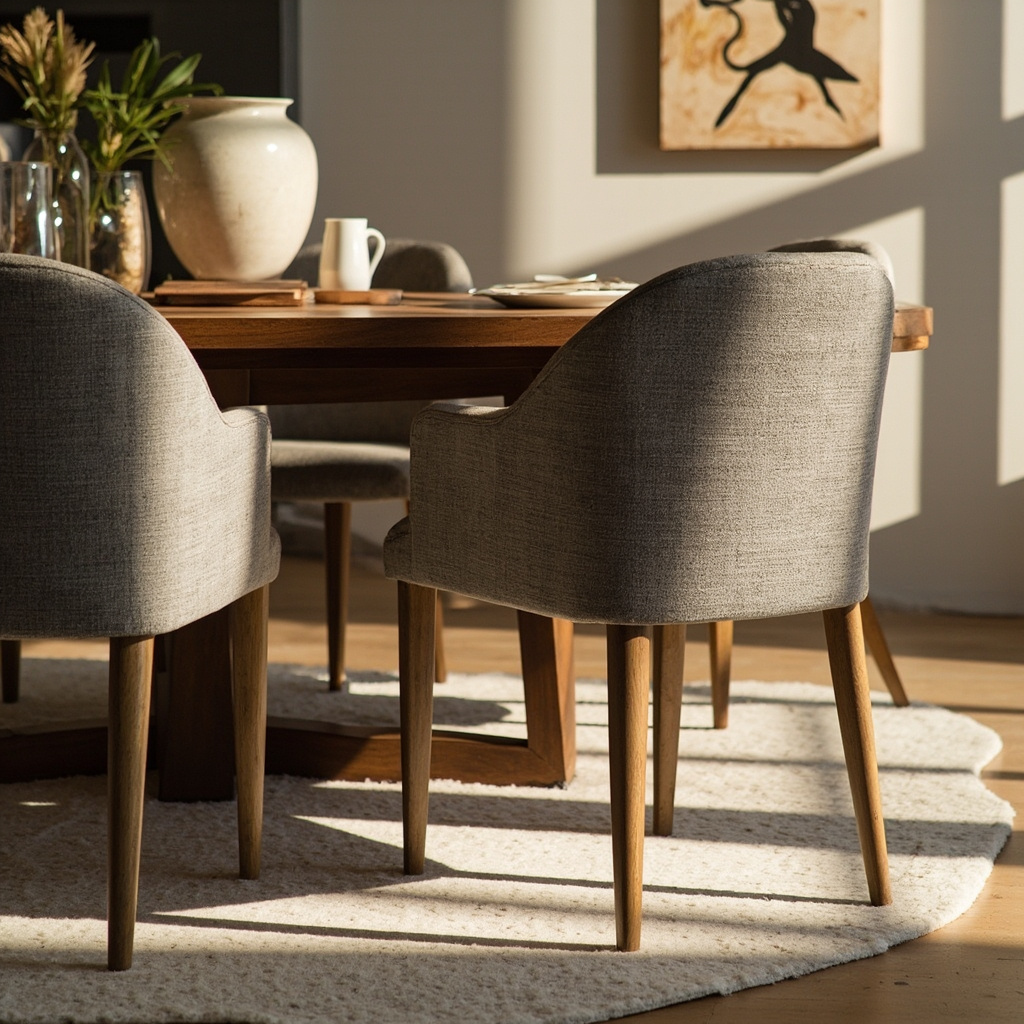
Your dining table is the stage for every Friday night noodles night, every impromptu Sunday brunch with the neighbours down the corridor, every occasion where people gather around food and conversation. But those chairs? They take the real beating. A spilled kopitiam kopi on fabric, a scuffed sole dragging across leather, a ring of condensation left by a cold bottle on wood — these small moments accumulate until your dining set looks like it's given up on life. The thing about Singapore dining culture is that we host constantly. The average household welcomes guests two to three times per week, and that's without counting family gatherings during festive seasons when your eight-seater becomes a six-seater and someone's still standing. Your chairs need to survive that. This isn't about perfection; it's about longevity, and it starts with understanding what each material actually needs.
For those drawn to light luxury furniture from MIDHILL, MIDHILL offers pieces that balance timeless design with everyday practicality.
The Fabric Chair: Your Everyday Workhorse
Fabric dining chairs are the most forgiving and the most vulnerable at the same time. They're everywhere in HDB homes and condominium dining rooms across the island because they're comfortable, affordable, and come in colours that actually match your living space. A typical fabric dining chair in Singapore costs between SGD $80 and $SGD $280 per piece depending on whether it's upholstered in polyester blend or a higher-grade bouclé. The mid-range — roughly SGD $150 to SGD $200 — gives you something durable enough for weekly use and easy enough to maintain without calling a professional.
The fabric you choose matters enormously. Performance fabrics treated with stain-resistant coatings like those from 3M Scotchgard hold up significantly better against Singapore's humidity and the inevitable spills. A standard polyester upholstery might absorb a splash of soy sauce within seconds, but a treated fabric gives you a five-to-ten-minute window before liquid penetrates the fibres. That window is everything when you're actively hosting dinner.
Vacuum your fabric chairs weekly using the brush attachment on your vacuum cleaner. Go over the seat, the backrest, and especially the crevices where crumbs accumulate — those dark gaps between the cushion and the frame are where mould spores love to settle in our tropical climate. I'm talking about a five-minute routine, twice a month minimum, but if you host more than once a week, make it weekly. The vacuum removes abrasive particles before they grind into the fibres and cause premature wear.
For spot cleaning, mix a solution of one part white vinegar to three parts warm water. Dab — never rub — the stained area with a clean microfiber cloth. Rubbing pushes the spill deeper into the padding. Let the area air dry completely before sitting again; in Singapore's humidity, that could take anywhere from two to four hours depending on airflow. A standing fan pointed at the cleaned area cuts drying time roughly in half.
Deep cleaning every six months means pulling off any removable covers and washing them on a gentle cycle at 30 degrees Celsius. If your chairs don't have removable covers, use an upholstery foam cleaner. Apply, let it sit for ten minutes, then blot with a damp cloth. The foam lifts dirt from the fibres without saturating the padding underneath. Never soak fabric dining chairs — water sitting in foam padding for more than twenty-four hours in our climate will develop odour within a week.
The Leather Chair: Luxury That Demands Routine
Leather dining chairs signal a certain intention. They're warmer than metal, more refined than plastic, and they develop a patina that makes them look better with age — if you treat them right. In Singapore, a quality leather dining chair typically runs SGD $250 to SGD $600 per piece. The lower end usually means bonded leather, which is essentially leather particles compressed with adhesive. Avoid it for dining use. It cracks within eighteen to twenty-four months under regular stress. Genuine top-grain leather, even at SGD $400 to SGD $600, will last a decade or more with proper care.
Cleaning leather is straightforward but non-negotiable. Wipe down the seats and backrests with a dry microfiber cloth after every heavy use session — that means after every gathering where more than four people sit down for a meal. Skin oils, food residues, and the humidity in the room combine to break down the leather's protective finish if left unattended. A quick thirty-second wipe per chair adds up to minutes, not hours.
Material Matters
Every two weeks, apply a leather conditioner. Not a cleaner — a conditioner. Products like those from Italian brand Cuoio or even accessible options from local retailers carry around SGD $15 to SGD $30 per bottle and last six to eight months with biweekly use. Apply a thin layer, let it absorb for fifteen minutes, then buff with a clean dry cloth. The conditioning replenishes the natural oils that Singapore's air conditioning strips away. Without it, leather dries out, stiffens, and eventually cracks along the stress points — the edges of the seat, the curve where the backrest meets the frame.
Address spills immediately. Water beads on good leather but can still damage the finish if left sitting. Blot with an absorbent cloth, then wipe the area with a slightly damp cloth and dry thoroughly. Red wine is the enemy number one — it penetrates quickly and stains permanently if not treated within the first two minutes. For red wine spills, sprinkle salt on the area to absorb the liquid, let it sit for five minutes, then vacuum and treat with leather conditioner once dry.
Protect leather from direct sunlight. A dining room facing west gets brutal afternoon sun in Singapore, and UV exposure fades leather colour by approximately ten to fifteen percent over a single year of direct exposure. Sheer curtains or blinds that reduce UV transmission by sixty to seventy percent make a measurable difference. If your chairs are near a window, rotate their position every three months so each chair gets equal sun exposure rather than one bearing the full brunt.
The Wood Chair: Timeless but Temperamental
Wood dining chairs are perhaps the most universally loved material in Singapore interiors. They work in traditional shophouse settings, modern minimalist apartments, and everything in between. A solid teak or oak dining chair ranges from SGD $120 to SGD $450 depending on the wood species and construction quality. The price difference is real — cheaper options use engineered wood veneers over particle board, while solid wood chairs at the higher end are built to outlast the furniture itself.
Dusting is the baseline. Use a soft, lint-free cloth — cotton or microfiber — and follow the grain direction. Going against the grain pushes dust into the wood pores and creates micro-scratches that accumulate over time. I recommend dusting every two weeks for single-chair units or weekly if you have a full set around a frequently used table.
For cleaning, mix a few drops of mild dish soap into a bowl of warm water. Dampen — never wet — a cloth in the solution, wring it out completely, and wipe the chair surfaces. Follow immediately with a dry cloth to remove any residual moisture. Wood and water don't mix well in Singapore, where relative humidity averages seventy to eighty percent year-round. Excess moisture swells the wood fibres, causing joints to loosen and finishes to cloud.
Polish your wood chairs quarterly using a quality paste wax or oil-based polish. Products like Howard's Butler's Feed-N-Wax cost around SGD $22 for a 473ml jar and cover six to eight chairs per application. Apply with a soft cloth in the direction of the grain, let it haze for five minutes, then buff to a gentle shine. This renews the protective barrier against spills and handling.
Scratch repair is easier than most people think. Minor surface scratches respond well to a walnut kernel — rub the meat of the nut across the scratch and the natural oils darken the exposed wood, making the mark nearly invisible. For deeper scratches, a matching wood touch-up pen from a hardware store costs about SGD $5 and does the job adequately for casual dining chairs.
The Material PK: What Each One Actually Survives
Here's the honest comparison nobody really wants to hear. Fabric wins on comfort and cost but loses on stain resistance unless you invest in performance treatments. Leather wins on elegance and wipe-clean convenience but demands regular conditioning and sunlight protection. Wood wins on timelessness and repairability but requires vigilance against moisture and heat damage.
For a typical Singapore household hosting two to three dinners per week, here's what I'd recommend based on actual durability data. Fabric chairs, when maintained monthly, last five to seven years before showing significant wear. Leather chairs with biweekly conditioning last ten to fifteen years. Solid wood chairs with quarterly polishing last twenty years or more, often outliving the dining table they accompany.
Material Matters
But longevity isn't just about the material — it's about how you treat it. A neglected leather chair deteriorates faster than a lovingly maintained fabric one. A wood chair left in a damp corner for six months will warp regardless of how expensive the timber is. Your hosting frequency, your home's ventilation, and your willingness to do the maintenance all matter as much as the original material choice.
The Social Calendar Test: Real-World Durability
Think about your actual hosting rhythm. If you host weekly family dinners, your chairs endure roughly fifty-two formal meals per year, plus informal afternoons and weekend gatherings. That's potentially two hundred sitting sessions annually per chair. For each session, consider what each material handles differently.
Fabric cushions compress over time. After approximately eighteen months of daily use, the foam inside a fabric dining chair seat loses about fifteen to twenty percent of its original resilience. You'll notice it — the chair feels firmer, less supportive. Replacing the cushion insert costs SGD $20 to SGD $50 per chair and extends the chair's usable life by another three to five years. That's a fraction of the cost of buying new chairs.
Leather develops a softness that fabric never quite achieves. The break-in period is roughly six months of regular use, after which the leather conforms to your body shape and becomes more comfortable than when it was new. This is the patina effect — the character that comes from actual use. Your guests will notice.
Wood chairs rarely compress but they do creak. A loose joint on a wooden chair produces a distinct sound every time someone shifts weight. Tighten the screws or reapply wood glue to affected joints within six months of noticing the noise. Waiting longer means the joint widens, the wood wears, and eventually you're replacing the entire chair leg rather than repairing a simple connection.
There's also the question of cleaning speed between guests. Fabric requires the most effort — vacuuming, spot treatment, possible deep cleaning. Leather wipes clean in thirty seconds. Wood takes about a minute with a damp cloth followed by a dry one. When you're hosting a dinner party and people trail in from the train station with rain on their clothes, that half-minute difference between leather and fabric is the difference between a relaxed host and a stressed one spending the evening cleaning chairs.
Maintenance as Ritual
The best dining chairs aren't the ones you buy and forget about. They're the ones you interact with regularly — dusting, wiping, conditioning — the way you season a cast iron pan or water a plant. This maintenance routine becomes part of how you care for your home and, honestly, part of how you prepare for the people coming over. There's something almost meditative about running a cloth along the back of a leather chair before guests arrive, knowing it'll feel smooth and look rich under the dining room light.
Whether you choose fabric, leather, or wood, the commitment to maintenance is what separates chairs that last five years from chairs that last fifty. And in a city where we gather as often as we do — late-night dim sum runs, weekend breakfasts, festive eve celebrations — your dining chairs are witnessing more of your life than almost any other piece of furniture in the house. Treat them accordingly.