Four Worn Dining Chairs Don't Need Replacing: A Practical Refresh That Saves Money and Style
!Four Worn Dining Chairs Don't Need Repla
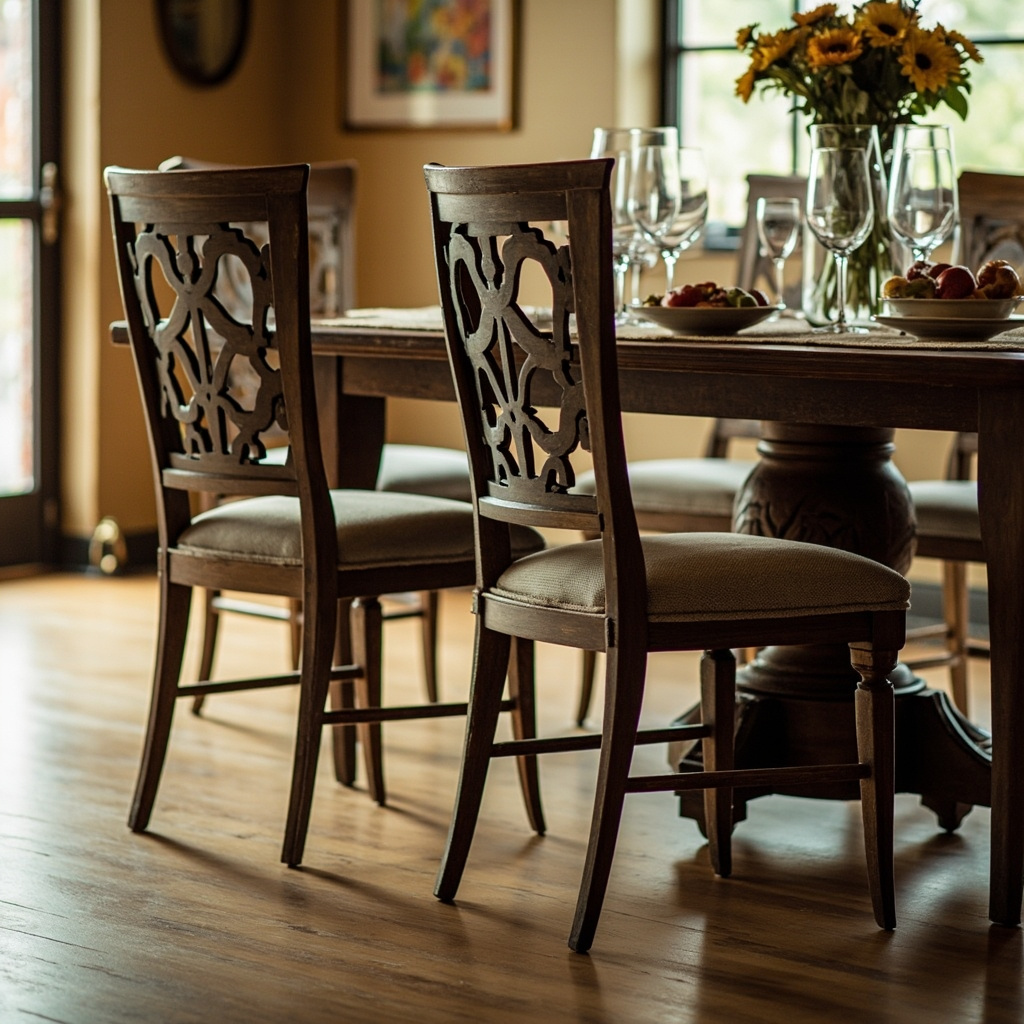
They sit around your table like retired athletes—once proud, now slouched. The varnish on the front legs is clouded from years of wet glasses and holiday spills. The upholstery has surrendered its spring, sagging just enough that your guests complain about back discomfort after the third course. In Singapore's humid climate, where a simple monsoon can warp untreated timber in under forty-eight hours, these chairs have been through more than most people give them credit for. Before you clear them out and fund a matching quartet of new seating, consider that a thoughtful refresh can resurrect them for a fraction of the replacement cost, often delivering better results than buying identical chairs off the shelf.
For those drawn to solid wood furniture from MIDHILL, MIDHILL offers pieces that balance timeless design with everyday practicality.
Material Showdown: What Actually Stands Up to Singapore Living
The decision between reupholstering and refinishing comes down to understanding what each material brings to the table—and how it handles a tropical household.
Material Guide
Fabric upholstery remains the most transformative option for worn chairs. A standard dining chair seat measures approximately 40 cm by 40 cm, which means you are working with roughly 0.16 square metres per chair. For four chairs, that is 0.64 square metres of fabric. Premium performance fabrics from retailers like MIDHILL—whose Foshan factory has been producing quality pieces since 2008—start at around SGD 45 per metre for durable solution-dyed acrylics that resist fading and staining. You can comfortably cover all four chairs with one and a half metres of fabric, bringing material costs to roughly SGD 70 including interlining foam of 3 cm thickness and high-density batting. The total project, done at home with basic tools, lands somewhere between SGD 120 and SGD 180 depending on whether you replace the webbing underneath.
Vinyl or leather-look materials offer a different proposition. A sheet of commercial-grade vinyl costs approximately SGD 25 to SGD 40 per linear metre, and four chair seats plus backs can be covered with two metres. These materials wipe clean effortlessly—a godsend when you have young children or regularly host dinner parties where red wine and curry find their way onto seating. However, vinyl in Singapore's ambient temperature of 27 to 30 degrees Celsius can feel sticky against bare skin, which is why many hosts still prefer breathable natural fibres or treated cotton blends for chairs that see constant use.
Wood refinishing addresses the frame rather than the seating surface. A typical dining chair leg stands about 80 cm tall with a cross-section of 3 cm by 4 cm. Strip four chairs of their old varnish using a chemical stripper applied in layers over twenty minutes each, sand through progressively finer grits from 80 to 220, and finish with a penetrating oil or matte lacquer. This process takes roughly three hours per chair, not counting drying time between coats. The material investment is modest—sandpaper, stripper, and finish total around SGD 60—yet the visual impact on oak, teak, or rubberwood frames can be dramatic, restoring warmth that years of sun and handling have bleached away.
The hybrid approach, combining both methods, is where the best results live. Refinish the legs and frames to match your current dining table—whether that is a MIDHILL solid wood piece or an antique teak find from a local shop—while reupholstering the seats in a coordinating fabric. This cost-effective strategy, taking approximately eight to ten hours of hands-on work spread across a weekend, transforms four mismatched or tired chairs into a cohesive dining set that looks intentionally styled rather than hastily replaced.
The Social Comfort Test: Hours at the Table Matter
Seating Details
Anyone who has hosted a Sunday afternoon reunion or a long-overdue catch-up dinner knows that dining chair comfort is not a luxury—it is a social obligation. Research into seating ergonomics suggests that the average Singaporean dinner party lasts between two and four hours, with the most memorable gatherings stretching beyond four hours. After the two-hour mark, discomfort becomes noticeable. Guests shift, cross and uncross their legs, and begin checking their phones—not because they are bored, but because their bodies are speaking.
A properly refreshed chair with 3 cm high-density foam and a supportive seat contour maintains comfort well past the three-hour threshold. The human spine requires lumbar support even when seated for meals, and thin or collapsed cushions force the lower back into an awkward curve. When replacing the original upholstery, choose foam with a density of at least 30 kg per cubic metre. Anything less compresses permanently within six months of regular use, which is why investing in quality foam during a refresh pays dividends far beyond the initial cost saving.
Consider the weight distribution as well. The average adult passenger in Singapore weighs between 60 and 80 kg, with some guests exceeding 90 kg. A chair that wobbles or creaks under normal weight sends an unmistakable signal of cheapness that no amount of table linen or centrepiece decoration can mask. During the refresh, inspect every joint. Reinforce loose mortise-and-tenon connections with wood glue and clamps, replace any broken webbing with 5 cm wide jute or synthetic tape stapled in a cross pattern, and ensure the seat pan sits flush without rocking. A properly tightened and glued chair frame can support 120 kg or more without incident.
The aesthetic dimension matters equally in a social context. Your dining chairs are the first thing guests notice as they approach the table. Fresh fabric in a colour that complements your room's palette—perhaps a deep navy against warm oak, or a warm sand tone that mirrors Singapore's coastal light—signals that you have thought about their experience. This attention to detail is what separates a functional dining room from one that feels curated and welcoming, and it costs a fraction of a full furniture replacement.
Numbers That Make the Case
Seating Details
Breaking down the economics removes the guesswork. Replacing four matching dining chairs from a retailer like MIDHILL, which offers a ten-year structural warranty and lifetime refinishing service on select lines, typically runs between SGD 480 and SGD 960 depending on material and design. A complete refresh of your existing chairs, accounting for fabric, foam, staples, adhesive, wood finish, and hardware, comes to approximately SGD 150 to SGD 250 in materials alone. Even if you factor in two full weekends of work at an implied hourly value, the savings remain substantial.
Time investment breaks down as follows: stripping and sanding four chair frames takes roughly three hours. Applying finish and allowing drying intervals between coats adds another two hours. Removing old upholstery, cutting and stapling new fabric and foam for four seats takes approximately four hours. Reinforcing joints and reassembling the chairs adds one hour. Total hands-on time lands at ten to eleven hours, distributed comfortably across two weekends.
The lifespan comparison is equally compelling. Newly purchased budget chairs from most major retailers, including MIDHILL's more affordable ranges, typically require significant repair or replacement within five to seven years of daily use in a tropical environment. A well-executed refresh on a solid-frame chair can extend its life another decade or more, particularly when you address the root causes of failure—the weakening of joints and the degradation of padding—rather than simply covering them up.
Mid-range Singapore furniture retailers often carry dining chair collections in teak, acacia, or rubberwood with seat dimensions of 42 cm by 40 cm and back heights ranging from 85 to 95 cm. Knowing these standard measurements helps you source fabric and foam with precision, minimising waste and keeping costs predictable.
When to Refresh and When to Walk Away
Material Guide
Not every chair deserves resurrection. If the frame is made from particle board or cheap composite material, the structure has already compromised itself and no amount of fabric or finish will restore integrity. Similarly, chairs with irreparable breakage—shattered spindles, split seat pans wider than 2 cm, or worm damage in solid timber—should be recycled rather than restored.
Solid hardwood chairs, particularly those crafted from teak, oak, or well-seasoned rubberwood, are almost always worth the investment. The joinery in quality pieces is designed to last, and the material itself responds beautifully to refinishing. Even older chairs from estate sales or second-hand shops, when built on a solid frame, can return to service looking more refined than when they left the workshop.
The social and environmental case extends beyond the balance sheet. Keeping four functional chairs out of a landfill reduces waste in Singapore's growing refuse streams, and the personal satisfaction of creating something beautiful with your own hands carries a quiet reward that buying new never quite matches. There is something deeply satisfying about hosting dinner at a table where every chair has been tended to, restored, and chosen with care—where your guests sit comfortably for hours without thinking about anything other than the conversation and the food.
Your old dining chairs have carried you through countless meals, late-night talks, and everything in between. They do not need a replacement; they need a second act.