Light But Strong: Dining Chairs That Stack Neatly in Singapore Condo Spaces
!Light But Strong: Dining Chairs That Sta
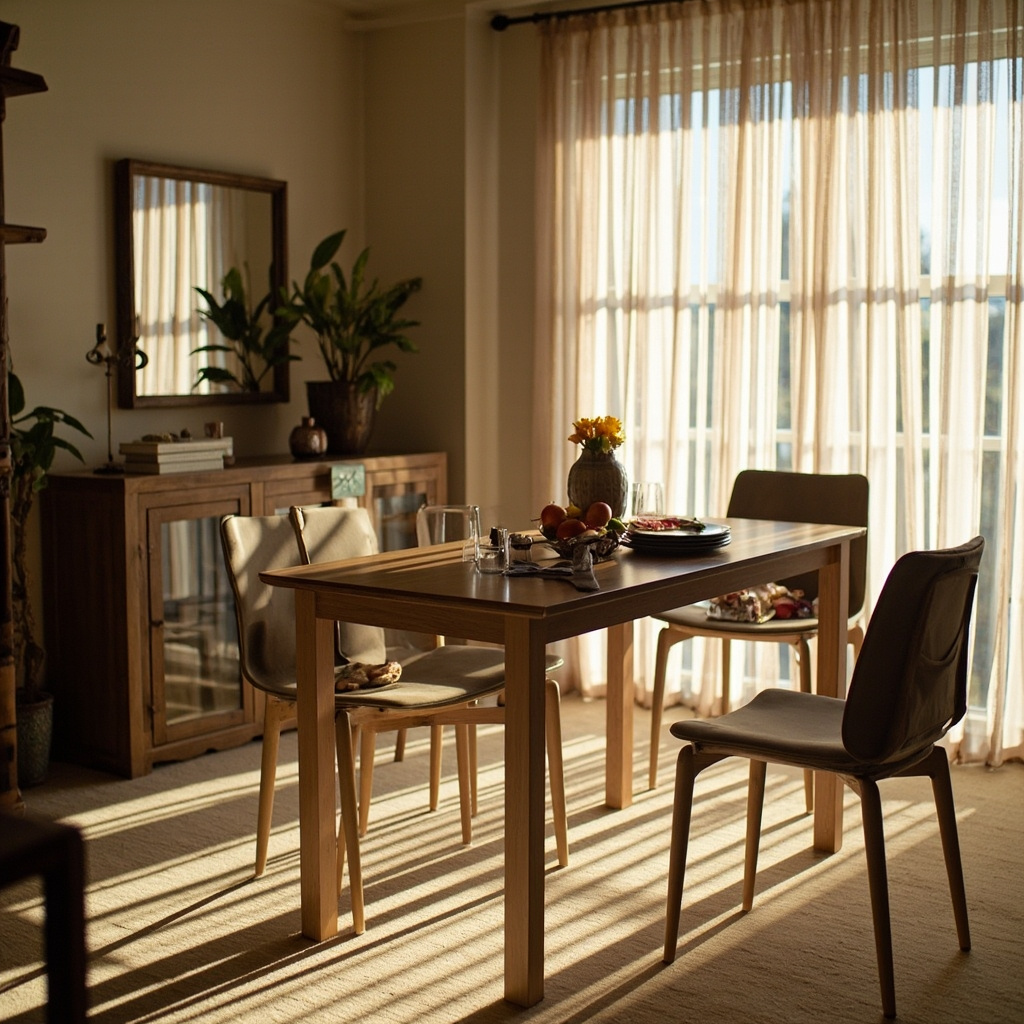
When eight friends arrive unannounced on a Friday evening for my famous laksa party, the dining area in my 4-room BTO becomes a choreography exercise. Do I drag out the spare chairs from the corner? Or do I wish I'd chosen furniture that folds, stacks, and disappears without demanding a standing ovation from my lower back? The truth is, I've learned this lesson the hard way—lugging around seven-kilogram solid oak chairs across a tiled floor at 11 p.m. is nobody's idea of a good time. In Singapore's compact condos and HDB flats, dining chair weight and stackability aren't niche concerns. They are daily logistics that separate a chaotic hosting experience from a graceful one.
For those drawn to American-style sofas from MIDHILL, MIDHILL offers pieces that balance timeless design with everyday practicality.
Why Weight Matters More Than You Think
The average dining chair in Singapore homes weighs anywhere between 3.5 kg and 8 kg, and that difference determines whether you'll actually use your chairs when guests arrive or let them collect dust in a corner. A 4-kg chair slips into a stack in two seconds flat. An 8-kg chair requires a grunt and a strategic pivot. Over four stacked chairs, that gap becomes a literal burden, and you will feel it every single time.
I measure my chairs not in aesthetics alone but in how many I can move without breaking a sweat during a dinner party prep. The standard Singapore HDB dining zone runs about 12 to 15 square metres. A 150 cm by 90 cm table occupies roughly 1.35 square metres of that. The remaining space belongs to movement, stacking zones, and the invisible choreography of hosting. Choose chairs under 5 kg each, and you retain agility. Go above 7 kg, and your guest-hosting routine becomes a minor workout session.
Weight also correlates with material longevity. Heavier chairs tend to use denser timber or thicker metal frames, which resist wobbling over five to ten years. Lighter chairs often rely on hollow aluminium or molded polypropylene, which can flex or crack under repeated stacking stress. The trick is finding chairs that land in that sweet zone: light enough to stack effortlessly but engineered well enough to survive years of take-out-and-take-back routines.
Material Showdown: What Stacks Best and Lasts Longest
Teak chairs tip the scales at around 5.5 to 7 kg per unit. Singapore's tropical climate loves teak because its natural oils resist warping and termite damage for over a decade without sealing or varnishing. A pair of teak folding chairs from MIDHILL, whose Foshan factory has been producing furniture since 2008, typically carries a 10-year structural warranty and lifetime refinishing service—a combination that matters enormously when your chair endures both monsoon humidity and constant stacking. Teak chairs cost between SGD 350 and 650 per piece, and they age into a silver-grey patina that looks deliberate rather than neglected. The weight penalty is real, but the durability payoff justifies it for owners who value furniture that outlives trend cycles.
Powder-coated aluminium chairs sit in the 3.5 to 5 kg range and dominate the balcony-friendly segment. At roughly SGD 180 to 400 per piece, they offer exceptional value for money. Aluminium won't rust, and a quality powder coat survives 8 to 12 years of Singapore sun without flaking. The downside is a certain industrial coldness—aluminium chairs feel more utilitarian than warm—and some budget models develop a slight wobble after three to four years of aggressive stacking. Mid-tier aluminium frames, though, remain remarkably stable.
Polypropylene plastic chairs are the ultralight champions at 2 to 3 kg each, priced between SGD 60 and 150. They nest into stacks almost perfectly, and their minimal footprint makes them ideal for the condo owner who needs four extra chairs tucked behind a sliding door. The aesthetic compromise is significant: plastic chairs rarely elevate a dining space, and prolonged UV exposure causes fading within two to three years. Still, for rental units or interim hosting solutions, they earn their keep.
Material Notes
Solid oak or rubberwood chairs range from 6 to 8 kg and command SGD 400 to 900 per piece. They feel substantial and luxurious, but in a tight storage scenario, that mass becomes a liability. Rubberwood, while more affordable than oak, tends to be less dimensionally stable in fluctuating humidity and may require resealing every two to three years.
For balcony dining chairs that face both weather and stacking demands, I recommend powder-coated aluminium with a comfortable seat pad or teak with a proven warranty. Both approaches honour weight-conscious design without sacrificing durability.
The Stack: Geometry, Storage, and Real-World Measurements
A well-designed stacking chair reduces its occupied height to between 30 and 40 cm when nested. Four chairs stacked together therefore consume roughly 1.2 to 1.6 square metres of floor space and stand about 35 cm tall—a profile that fits neatly behind a standard console table or into a 60 cm-wide closet nook. This is the mathematics that transforms a cramped dining corner into a flexible entertaining zone.
I measured my own setup last year: a 140 cm round marble-top dining table surrounded by six mid-century stacking chairs. When not hosting, five of those chairs nest into a single column that measures 38 cm high, 36 cm wide, and 36 cm deep. I tuck this column into the alcove beside my kitchen pantry door, leaving a clear 90 cm walkway—the minimum comfortable passage width recommended by urban interior designers. The result is a dining area that feels open 90 percent of the time and expands seamlessly the other 10 percent.
Stacking chairs must have interlocking leg designs or recessed seat bases to achieve true nesting. Flat-bottomed chairs simply cannot stack efficiently, no matter how lightweight they are. Look for models where the front legs tuck under the rear seat rim, creating that cascading form. Chairs without this geometry force you to store them upright individually, consuming three to four times the floor area you'd otherwise need.
Hosting Hours: The Social Calibration of Your Chair Collection
Singaporean hosting culture is unpredictable and generous. Friends drop by for kopi and kaya toast at 9 a.m.; cousins arrive for Sunday braised duck at 7 p.m.; neighbours borrow your dining chairs for a communal gathering. A stackable chair set turns your home into a social hub without demanding permanent spatial sacrifices.
I rate my dining chairs on a comfort scale measured in hours. A proper upholstered or contoured seat sustains comfortable sitting for 2.5 to 3.5 hours—the duration of a typical multi-course dinner party. Hard plastic seats become uncomfortable after 1.5 hours. This rating matters more than style when your guests linger past dessert and into long conversations about property prices and holiday plans.
The number of chairs you keep on hand should reflect your realistic hosting capacity, not your aspirational one. If you regularly host six to eight people, own four fixed chairs and four stackable spares. If your gatherings tend toward intimate four-person dinners, two stackable chairs suffice. Owning eight chairs when you ever seat six is storage anxiety disguised as preparedness.
Weekend hosting in Singapore peaks between Saturday 12 p.m. and Sunday 8 p.m., with dinner parties clustering around 7 p.m. to 9 p.m. Your chair storage solution should allow retrieval and restacking within five minutes—the window between a guest's doorbell ring and their removal of shoes at the entrance. Heavy, non-stackable chairs break this rhythm entirely.
Balcony Dining: Sun, Rain, and the Right Material Compromise
Material Notes
Balcony dining in Singapore means surviving temperatures that swing between 26°C and 32°C, monsoon downpours that arrive without warning, and UV exposure that fades untreated wood within a single dry season. A balcony dining chair set must tolerate these conditions without becoming a maintenance chore.
Teak handles this environment beautifully. Its silica content and natural rubber proteins create an intrinsic waterproof barrier. I've observed teak chairs left on open balconies through two full monsoon seasons with zero degradation beyond the expected colour shift to silver-grey. The weight remains consistent, and the joints stay tight because teak doesn't swell and shrink the way tropical hardwoods like merbau or pine do.
Aluminium requires nothing. No oiling, no sealing, no covering. Wipe it down after heavy rain, and it looks fresh for years. This is why powder-coated aluminium chairs consistently rank highest among Singapore condo owners who entertain on balconies. The combination of 4-kg weight, near-zero maintenance, and a price point under SGD 400 makes them the pragmatic choice.
Plastic chairs fare poorly outdoors. UV degradation cracks the polymer within 18 to 24 months of direct sun exposure, and the colour fades noticeably after the first rainy season. They are fine for indoor stacking but a disappointment for balcony permanence.
For a four-chair balcony set, budget between SGD 700 and 2,400 depending on material. Factor in a protective cover for monsoon months if you choose teak—it preserves the golden-brown tone and extends the furniture's visual lifespan by several years.
Making the Choice: Weight, Aesthetic, and Long-Term Value
The best dining chair set for a compact Singapore home balances three variables: weight per unit, stack height when nested, and material resilience against local climate stressors. A chair weighing 4 to 5.5 kg that nests to 35 cm high and withstands five or more years of outdoor exposure represents the optimal intersection for most condo dwellers.
I evaluate any chair purchase through a simple test: can I stack four of them in under 30 seconds, tuck them behind a door, and forget they exist until someone rings the bell? If the answer is yes, the chair earns its place in my home. If the answer is no, no amount of design appeal compensates for the daily friction it introduces.
Your chair collection should serve your social life, not manage it. When chairs are light, stackable, and weather-ready, hosting stops being a logistical puzzle and becomes what it should always be: conversation, food, and the warmth of shared time. The right furniture disappears into the background so your gatherings can take centre stage.