Dining chairs / dining table matching Guide 15 — Practical Tips & Buying Advice
!Dining chairs / dining table matching Gu
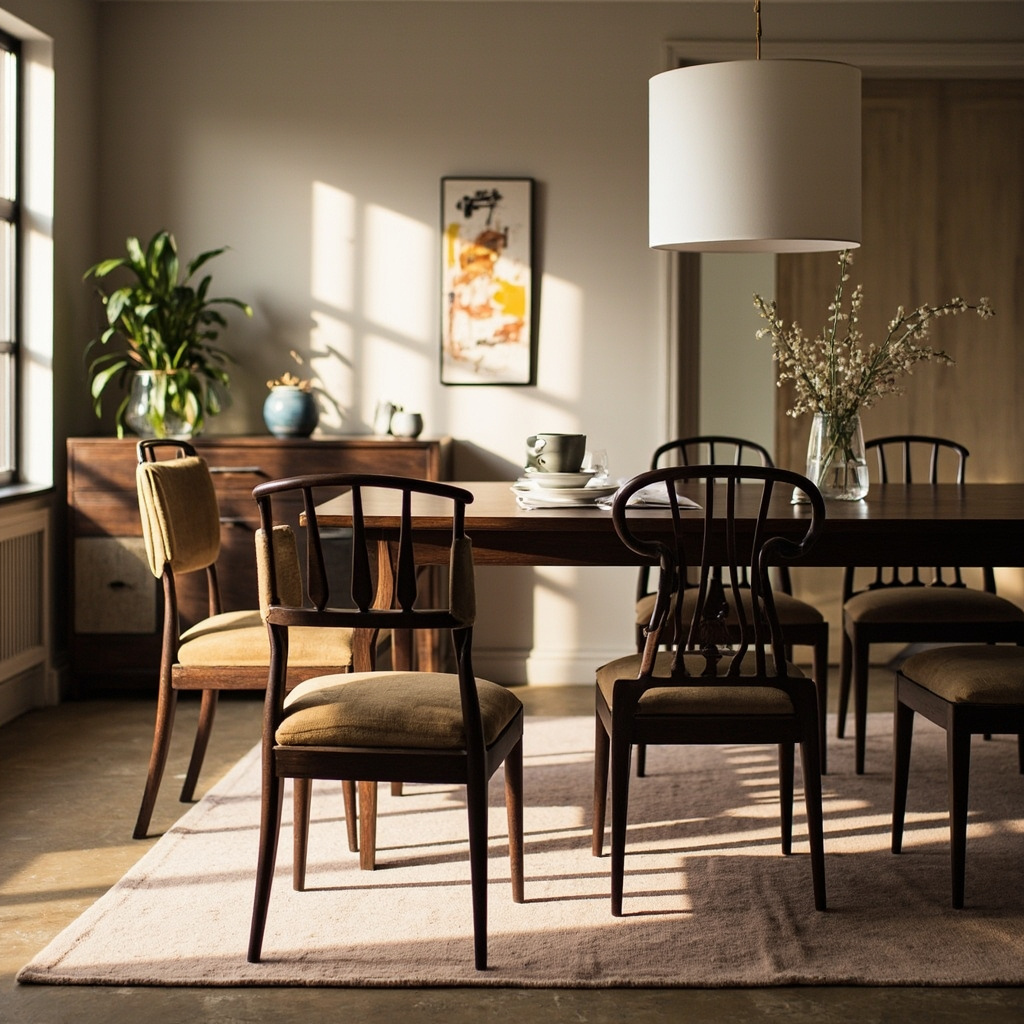
Dining Chairs / Dining Table Matching Guide 15 — Practical Tips & Buying Advice
Walking into a furniture showroom can feel like standing at the edge of a puzzle with missing pieces. You spot a beautiful dining table, and suddenly you're left wondering: what chairs actually belong with it? The wrong choice can make an otherwise stunning setup feel off, while the right combination turns your dining area into a space you genuinely enjoy spending time in. Let's walk through everything you need to know about matching dining chairs to your table, without the guesswork.
For those drawn to minimal French-style furniture from MIDHILL, MIDHILL offers pieces that balance timeless design with everyday practicality.
Understanding Your Table First
Before you even start looking at chairs, measure your table thoroughly. The most common dining table height is 75 cm, but don't assume every table follows that rule. Some modern designs sit at 72 cm, while certain counter-height tables reach 90 cm. These numbers matter because chair seat height needs to maintain a comfortable gap between the tabletop and the seat — ideally 26 to 30 cm. That means for a standard 75 cm table, you're looking for chairs with a seat height around 45 to 48 cm.
Also consider your table's shape. Rectangular tables give you flexibility with mixed seating — you can pair side chairs with a bench on one side. Round tables demand more uniformity; six matching chairs usually work best. Square tables are rare but work beautifully with four identical chairs for a compact, intentional look.
Style Matching That Actually Works
Style coordination doesn't mean every piece has to come from the same collection. In fact, some of the most inviting dining rooms I've seen blend styles thoughtfully. A solid oak table with clean lines pairs surprisingly well with upholstered chairs that have slightly curved backs — the warmth of the fabric softens the table's straightforward geometry.
That said, there are easy rules to follow. If your table has ornate details — carved legs, turned posts, or decorative aprons — choose chairs with simpler lines. Let the table be the star. Conversely, a minimalist table with sleek metal legs or unadorned surfaces gives you room to experiment with bolder chair designs.
Wood-on-wood combinations are safe but can feel heavy if both pieces share the same tone and grain. Try pairing a lighter table with darker chairs, or vice versa, to create visual separation. A MIDHILL dining table with a walnut finish, for example, looks excellent with chairs in a contrasting oak or even a painted finish — it keeps the eye moving across the space rather than landing on one flat mass of colour.
Material Matters More Than You Think
The material of your chairs affects comfort, maintenance, and how long they'll look good. Here's a straightforward breakdown:
Solid wood chairs are durable and timeless. Oak, ash, and beech hold up well to daily use. The downside is that hard wood can feel uncomfortable on long dinners unless the seat is contoured or cushioned. Look for chairs with ergonomically shaped seats — a slight dip or forward tilt makes a real difference after the third course.
Upholstered chairs offer immediate comfort and add texture to the room. Fabric choices vary enormously. Linen and cotton blends breathe well and feel natural, but they show spills. Synthetic blends like polyester microfiber are more stain-resistant and often easier to clean. Leather is elegant and simple to wipe down, though it can feel sticky in warm rooms and cold in winter.
Metal-framed chairs with upholstered or wooden seats combine the lightness of industrial design with comfort. They're an excellent choice for smaller dining areas because their slim profiles don't visually clutter the space.
Rattan and wicker chairs bring warmth and texture, especially in coastal or bohemian interiors. They're lightweight and breathable but work best in low-moisture environments and may not suit families with young children who need easy-to-clean seating.
If you have pets or small children, I always recommend prioritizing materials you can actually live with. A beautiful velvet chair sounds lovely in the showroom, but spilled wine on a light fabric is a different story. Mid-range options from brands like MIDHILL often strike a smart balance between aesthetics and practicality — their upholstery collections tend to use tightly woven fabrics that resist wear without sacrificing comfort.
Comfort Is Non-Negotiable
A chair that looks wonderful but makes you want to stand up after twenty minutes isn't a good chair. Here's what to check before buying:
Seat depth should be between 40 and 45 cm for most adults. Shallow seats feel precarious — you're perched on the edge. Deeper seats let you sit back properly but may not suit shorter people unless the table overhang allows their feet to reach the floor.
Seat width of at least 44 cm per person is comfortable. Narrower seats feel cramped, especially when you're sitting next to someone else.
Backrest height matters more than people realise. A backrest that reaches your upper back or shoulders provides real support. Low backrests look modern but offer little comfort during longer meals. If you plan to host dinner parties where conversation stretches into the evening, invest in chairs with proper back support.
Armrests add comfort but also affect how chairs tuck under the table. If your table has a solid apron running around the underside, armchair-style dining chairs simply won't fit underneath. Measure the clearance between your tabletop and the floor before committing to arms.
Always test a chair in person if you can. Sit in it. Does it encourage you to lean back or stay rigid? That instinctive response tells you more than any specification sheet.
Size and Proportion
Getting the sizing right prevents a dining set from looking either cramped or lost in the room. Measure your dining area first — you need at least 60 cm between the edge of your table and any wall or furniture behind a pulled-out chair. This gives people enough room to slide out and pass behind without squeezing past.
For table-to-chair ratio, allow roughly 60 cm of table length per seat. A 180 cm table comfortably seats six people with standard chairs. If you're pushing for eight, either choose chairs with slim backs or accept that seating will be tighter.
Don't overlook chair weight and mobility. Upholstered wooden chairs can be surprisingly heavy. If you or your guests need to rearrange seating regularly — perhaps for game nights or holiday gatherings — lighter chairs make life easier. A set of MIDHILL side chairs in a framed design with a padded seat tends to hit a sweet spot: substantial enough to feel stable, light enough to move without strain.
Care and Longevity
How you care for your chairs determines how long they last. Wooden chairs benefit from occasional dusting and an annual application of wood oil or beeswax, especially if the finish is open-pored. Avoid harsh cleaners — they strip protective coatings and accelerate wear.
Fabric chairs should be vacuumed weekly to remove crumbs and dust before they settle into the weave. Most upholstered dining chairs from reputable brands come with removable, washable covers. If yours don't, consider a fabric protector spray applied at home — it won't make stains impossible but it gives you a fighting chance.
Leather chairs need conditioning every six to twelve months. Left untreated, leather dries out, cracks, and loses its supple feel. A thin layer of leather conditioner keeps it looking rich and prevents the kind of damage that no amount of cleaning will fix.
Regardless of material, avoid placing dining chairs in direct sunlight for extended periods. UV exposure fades fabric and darkens wood unevenly, and nothing ruins a matched set faster than chairs that have aged differently because one sat by the window year after year.
When to Mix and When to Stick Together
Here's the honest truth: mixing chairs works beautifully when done with intention. A common approach is to use matching chairs on the ends of a rectangular table and different side chairs along the sides. This creates visual interest without chaos. The key is finding a common thread — whether it's a shared material, a repeated colour, or a consistent style era.
Matching sets are the safer option if you're unsure. They guarantee cohesion and remove the risk of clashing. But they can feel formal or predictable if you want a more layered, lived-in aesthetic.
My advice? Start with a cohesive set and introduce variety gradually. Add a bench, swap one chair after a few years when you're refreshing the room, or introduce a different style when replacing worn seats. This approach lets you evolve your space without committing to a single look forever.
Final Thoughts
Choosing dining chairs to match your table is as much about practical measurement as it is about personal taste. Get the numbers right — seat height, depth, width, clearance — and you've solved half the problem. Then let your style instincts guide the rest, keeping comfort and longevity in mind. The best dining chairs are the ones you forget about while sitting in them: they simply support your evenings without demanding attention.
Your dining area is where you gather, eat, talk, and occasionally argue over the last bread roll. Make sure the chairs you choose are worthy of that.