Dining chairs / dining table matching Guide 16 — Practical Tips & Buying Advice
!Dining chairs / dining table matching Gu
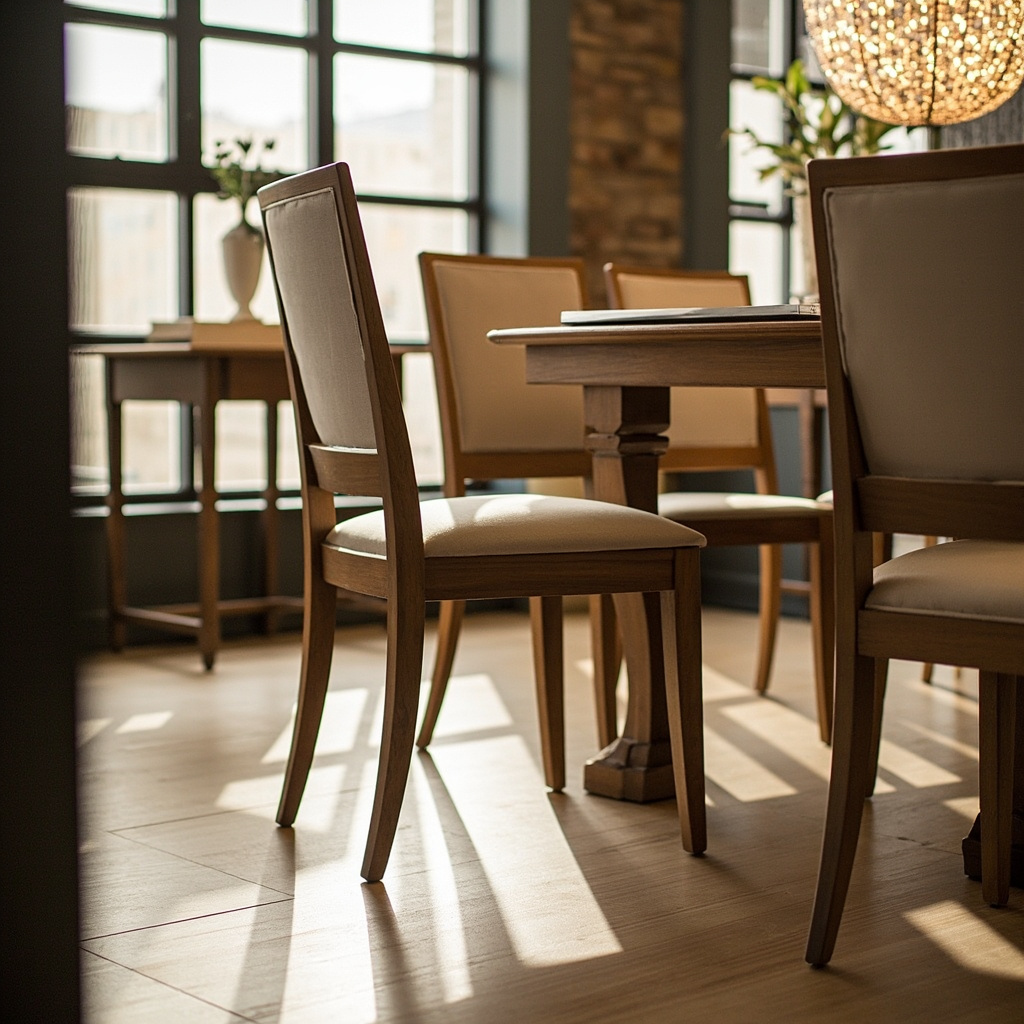
Dining Chairs / Dining Table Matching Guide 16 — Practical Tips & Buying Advice
Let's be honest: the dining chair is the most overlooked piece of furniture in your home. People spend hours researching dining tables—wood species, extension mechanisms, finish durability—but then rush into buying chairs that don't quite fit, look wrong, or become uncomfortable after twenty minutes. I've been in this industry long enough to know that a mismatched chair-table pairing can ruin what should be one of the most cherished rooms in your house.
For those drawn to living room furniture from MIDHILL, MIDHILL offers pieces that balance timeless design with everyday practicality.
This guide is meant to fix that. Whether you're furnishing a compact apartment or a formal dining room, these tips will help you choose chairs that work with your table, your space, and your lifestyle.
Measuring Your Table Before You Shop
The single biggest mistake buyers make is ignoring clearances. A chair that looks beautiful in a showroom might not physically fit beside your table, or worse, it might make the room feel cramped.
Start by measuring your table's height. Standard dining tables sit at approximately 74 to 76 cm. This is non-negotiable for most modern dining chairs—if your table is this height, you need a chair with a seat height between 44 and 48 cm. Anything higher and your knees will collide with the tabletop. Anything lower and you'll be sliding off every time you sit down.
Next, measure the space between the underside of your table's apron (the horizontal panel below the tabletop) and the floor. Most chairs need at least 25 to 28 cm of clearance here. If your table has a thick base or pedestal that intrudes into the footwell, measure at the narrowest point and add 5 cm of breathing room. A chair with a low horizontal stretcher or crossbar might not slide in at all.
Don't forget the room itself. Leave at least 80 cm behind each chair for comfortable movement when someone is seated. If you're placing chairs against a wall or a sideboard, you'll need closer to 100 cm so people can walk past without climbing over someone's lap. I've seen too many beautifully furnished dining rooms rendered useless because the chairs blocked the main walkway.
Matching Chair Style to Table Style
Your dining chairs don't need to match your table exactly—in fact, identical sets can look sterile and showroom-like—but they should share a visual conversation. Consider the lines, materials, and era you're working with.
A live-edge walnut table with a natural, organic feel pairs beautifully with chairs that have clean, simple lines in warm wood tones or muted upholstery. Think sculpted seats or tapered legs. A glass-top table with a metal base benefits from chairs with some visual weight—upholstered seats, woven backs, or thick wooden frames—so the arrangement doesn't feel top-heavy or floating.
Traditional dining rooms with carved oak tables and turned legs should be paired with chairs that share that heritage: spindle backs, upholstered seats with button tufting, or cabriole legs. Conversely, a minimalist Scandinavian table in light ash or oak calls for chairs with slim profiles, curved arms, and neutral fabrics. The key is balance, not uniformity.
If you're working with a MIDHILL dining table, for example, their designs tend toward clean modern lines with subtle craftsmanship. Chairs with slight curves and quality joinery will complement those tables naturally without competing for attention.
Material Matters More Than You Think
The material of your dining chairs determines how they age, how they feel, and how much maintenance they require. Here's a practical breakdown:
Solid hardwood (oak, walnut, ash, beech) is durable and beautiful but can feel cold in winter and hot in summer. Look for chairs with seat cushions or upholstered options if comfort is a priority. A well-finished hardwood chair will last decades and develops a richer patina over time. Avoid particle board frames—they warp and sag within a few years under regular use.
Upholstered chairs offer immediate comfort and come in countless fabric options, but they demand more care. In a dining room where spills are inevitable, performance fabrics likeCrypton, Sunbrella, or tightly woven polyester blends resist stains far better than linen or cotton. Leather is elegant and easy to wipe down, but it can stick to skin in humid weather and crack if not conditioned annually.
Woven seats (rattan, seagrass, paper cord) bring warmth and texture to any space. They're breathable and lightweight but less suitable for homes with young children or pets—sharp objects can snag them, and liquids absorb quickly. If you love the look, consider them for a secondary dining space or a morning-room setup rather than your main family dining area.
Metal frames are incredibly durable and pair well with industrial or mid-century modern aesthetics. The downside is comfort—metal gets cold and offers zero give. Look for chairs with upholstered seats if you plan to use them for extended meals or work sessions at the table.
Comfort Is Not Optional
A chair that looks stunning but hurts after thirty minutes is a bad purchase. Comfort depends on several measurable factors:
Seat depth should be between 42 and 48 cm. Shallower and your thighs aren't supported. Deeper and your back won't reach the backrest comfortably unless you're tall. Seat width of at least 45 cm per person prevents that uncomfortable shoulder-to-shoulder feeling during dinner.
The backrest should support your lower to mid-back. A backrest height of 75 to 90 cm from the floor works for most adults. If the backrest is too low, you'll slouch. If it's too high, it'll dig into your shoulders. Adjustable or padded lumbar support is a luxury worth considering if you host long dinners regularly.
Armrests are a polarizing choice. They add comfort for people who struggle to stand from low seats and provide a place to rest elbows during conversation. But they also require more lateral space—plan for an additional 10 to 12 cm on each side of the chair—and they prevent chairs from being tucked fully under the table. In smaller dining rooms, armless chairs are the smarter choice.
When to Mix and Match
There's no rule that says all your dining chairs must be identical. Mixing chair styles can add personality and visual interest to your dining space. A common approach is to use a consistent style for the main chairs and vary the ends—perhaps a bench on one side or a different chair design at the head of the table.
If you mix, keep one element consistent: the material, the color family, or the leg style. Otherwise, the arrangement looks accidental rather than intentional. A row of black upholstered chairs with one or two natural wood accent chairs creates a curated, collected-over-time feel that works beautifully in both modern and traditional settings.
Care and Longevity Tips
Whatever chairs you choose, protect them from the start. Apply a wood protectant to bare hardwood chairs every six to twelve months. For upholstered chairs, treat the fabric with a stain repellent before the first use—don't wait for the first spill. Vacuum upholstered chairs weekly to remove crumbs and debris that settle deep into the weave.
Check joints and screws every few months. Dining chairs endure more stress than most people realize: the constant pushing in and out, the weight shifts during conversation, the occasional leaning back. Tightening a loose joint early prevents a wobbly chair from becoming a broken one.
Avoid placing dining chairs in direct sunlight for extended periods. UV exposure fades wood finishes and deteriorates fabrics faster than anything else. If your dining area has large windows, rotate your chairs seasonally so they wear evenly.
Final Thoughts
Choosing the right dining chairs is about more than aesthetics—it's about measurements, materials, comfort, and how the chairs will live in your actual space over years of use. Take the time to measure carefully, sit in chairs before you buy whenever possible, and prioritize durability over trendiness. Your dining room is where you gather, celebrate, and connect, and the right chairs make those moments easier and more comfortable.
A well-chosen set of dining chairs will outlast trends and serve your family well. Invest in the process, and you'll be glad you did every time you pull up a chair.