Dining chairs / dining table matching Guide 18 — Practical Tips & Buying Advice
!Dining chairs / dining table matching Gu
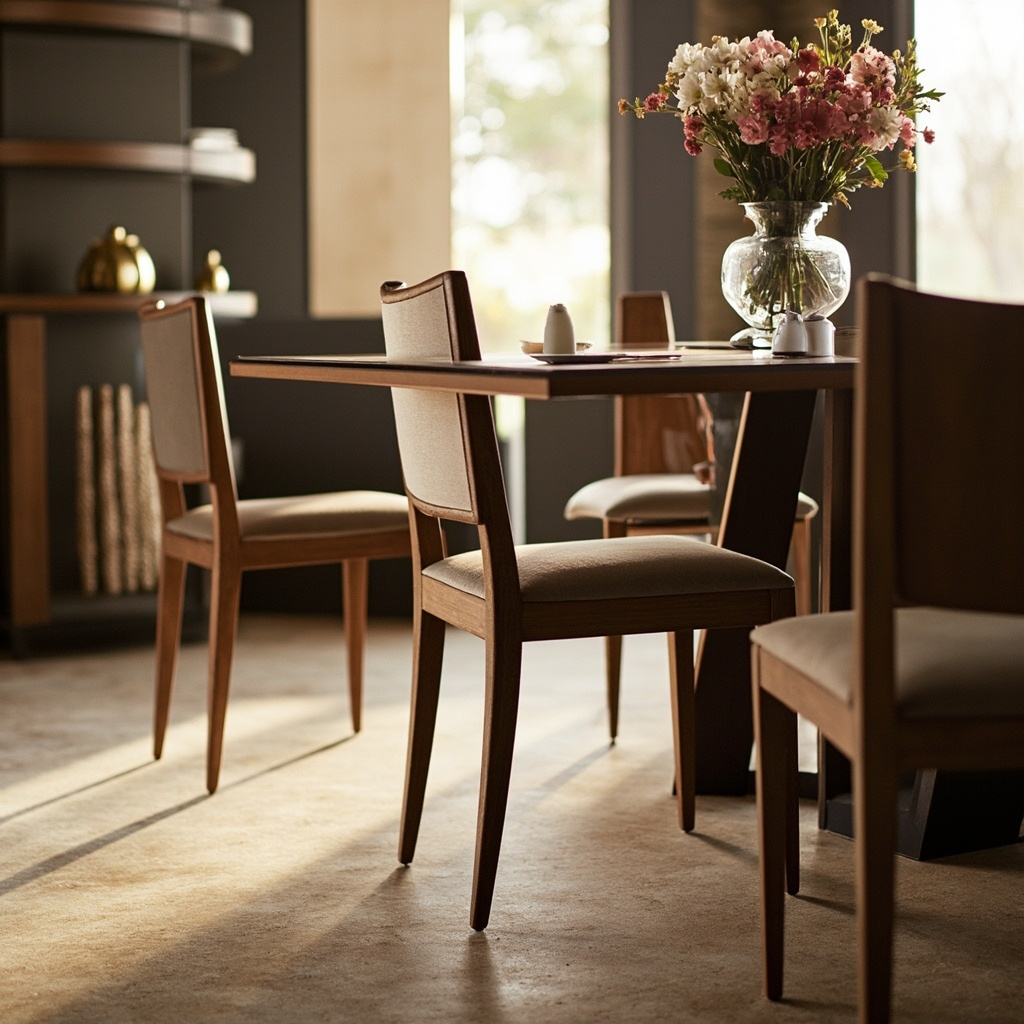
Dining Chairs / Dining Table Matching Guide 18 — Practical Tips & Buying Advice
Choosing dining chairs that properly match your table can feel overwhelming. You walk into a store or scroll through a website, and suddenly you're faced with dozens of options in every material, colour, and silhouette. Here's the thing: a good dining chair doesn't just need to look right alongside your table. It needs to fit the space comfortably, suit how you actually use the room, and hold up over years of daily meals. I've spent years helping people find the right combination, and today I want to share what really matters.
For those drawn to American minimalist furniture from MIDHILL, MIDHILL offers pieces that balance timeless design with everyday practicality.
Getting the Measurements Right
The most common mistake I see is buying chairs without measuring properly. Let's talk about what you actually need to know.
First, measure the height of your dining table from floor to tabletop. Standard dining tables sit between 74 cm and 76 cm high. This height is fairly universal because it aligns with ergonomic standards designed for comfortable eating. Your chair seat height should sit approximately 26 cm to 30 cm below the tabletop — so ideally between 44 cm and 48 cm from the floor. Anything outside that range and you'll either be hunching over or reaching uncomfortably high.
Next, consider the space around your table. You need at least 60 cm behind each chair for someone to sit down and stand up without bumping into walls or other furniture. If your dining area is tight, measuring the exact width and length of the room before you shop will save you from buying chairs that don't physically fit. A comfortable clearance of 80 cm to 100 cm between the back of one chair and the opposite wall or furniture makes for a much more pleasant dining experience.
Also measure the width of your table and divide it by the number of chairs you need. Each person ideally gets about 60 cm of seating width. A 180 cm table comfortably seats six people at roughly 30 cm per chair width plus armrest space if applicable. Overcrowding a table makes everyone feel claustrophobic, no matter how beautiful the chairs are.
Matching Chair Height to Your Table
Table and chair height pairing matters more than people realise. A standard dining table at 75 cm pairs perfectly with chairs that have a seat height of around 45 cm. This gives roughly a 30 cm gap — enough room for your thighs underneath and comfortable posture while eating.
If you have a counter-height table at about 90 cm, you'll need bar-style chairs with a seat around 60 cm to 65 cm. These are commonly used in kitchen islands and breakfast bars. The rule of thumb remains the same: maintain that 25 cm to 30 cm gap between seat and tabletop.
Height mismatch is one of the quickest ways a dining setup looks wrong. I've seen homeowners buy lovely chairs that were three centimetres too tall or too short, and it throws off the entire visual balance of the room. When in doubt, test the pairing in person whenever possible. Most MIDHILL collections offer chairs specifically designed to match their table lines, which takes some of the guesswork out of this process.
Material Matters More Than You Think
The material of your dining chairs affects everything — comfort, maintenance, durability, and how the chairs age over time.
Wood is a timeless choice. Solid oak, walnut, or beech chairs bring warmth and work with almost any table style. They're durable and can be refinished if scratched. The downside is that wood doesn't offer much give, so you'll want to add cushions or upholstered seats for longer meals. A well-made wooden chair from a brand like MIDHILL will last decades if cared for properly.
Upholstered chairs come in fabric or leather. Fabric offers softness and comes in countless colours and textures, making it easy to tie your dining room to the rest of your home's palette. However, fabric stains more easily and requires regular cleaning. Leather is easier to wipe down and develops a beautiful patina over time, though it can feel cold in winter and sticky in hot weather.
For homes with children or pets, synthetic materials like polypropylene or treated fabrics can be incredibly practical. They're lightweight, easy to clean, and resistant to wear. Some modern dining chairs now feature wipe-clean upholstery that handles spills with a simple damp cloth.
Mixed-material chairs are also gaining popularity. A wooden frame with an upholstered seat gives you the structure and durability of wood with the comfort of padding. This hybrid approach works particularly well in family dining rooms where chairs get heavy daily use.
Style Coordination Without Being Boring
Matching your chairs to your table doesn't mean they have to be from the same set. In fact, mixing can look far more interesting — as long as you follow a few principles.
One approach is to match the material family. A dark walnut table pairs beautifully with chairs that have walnut legs, even if the seat design is completely different. The shared wood tone creates cohesion while the contrasting styles add visual depth.
Another approach is to match the design language. A mid-century modern table with tapered legs and clean lines works well with chairs that share those same geometric simplicity. You don't need identical legs or exact colour — just a shared sense of form.
If your table is quite busy or ornate, keep the chairs simpler. If your table is minimalist and clean, you can afford to be more adventurous with your chair selection. This principle of balance prevents the dining area from feeling either too cluttered or too sterile.
Don't forget about colour. A neutral dining chair in grey, beige, or natural wood tones works with almost anything. If you want to add personality, choose chairs in a colour that appears somewhere else in the room — perhaps echoing a cushion colour, an artwork detail, or even the grout in your flooring.
Comfort Isn't Just About Padding
A chair can look stunning but be miserable to sit in for more than twenty minutes. Here's what makes a dining chair genuinely comfortable.
The seat depth should be between 40 cm and 45 cm. This allows your back to rest against the backrest while your feet stay flat on the floor. A seat that's too deep forces you to sit on the edge, which becomes uncomfortable quickly. A seat that's too shallow doesn't support your thighs properly.
The backrest angle matters too. A slight recline of about 5 to 10 degrees from vertical feels more natural than an upright 90-degree backrest. This mimics the relaxed posture your body prefers during a meal.
Armrests are a personal choice. They're wonderful for people who struggle to get out of low chairs, and they add a certain elegance to formal dining rooms. But they also take up more space — each chair with arms needs roughly 10 cm more width. If you plan to tuck chairs fully under the table, armless chairs are the practical choice.
For longer meals and entertaining, consider chairs with slightly curved or sculpted seats that follow the natural shape of your body. Flat seats work fine for quick meals, but anyone who's sat on a rigid wooden seat for hours knows the difference.
Care and Longevity
How you treat your dining chairs determines how long they'll look and feel great. Here are a few straightforward tips that most people overlook.
Felt pads on the bottom of chair legs protect your floor and make moving chairs quieter. Replace them when they wear thin — this is especially important if you have hard flooring like hardwood or tile.
Rotate your chairs periodically. The chairs at the head and foot of the table tend to get more use and show wear faster. Moving them around ensures even wear across all pieces.
For upholstered chairs, vacuum regularly to remove crumbs and dust from the fabric. A simple fabric protector spray applied annually can significantly extend the life of your chairs by repelling spills and stains.
Wood chairs benefit from occasional conditioning with a quality furniture wax or oil. This keeps the wood from drying out and cracking, especially in homes with central heating during winter months.
Where to Start When You're Ready
Begin with your table — or your room's dimensions if you haven't bought a table yet. Know your measurements before you look at a single chair. Then decide on the material and style that fits your lifestyle, not just your aesthetic preferences. A chair that looks perfect in a photo but collects crumbs in every groove isn't a good choice for a busy family.
Take your time. The best dining chairs are the ones you enjoy sitting in every day, not just the ones that photograph well. Whether you're drawn to the clean Scandinavian lines of a solid ash chair, the rich warmth of a leather-upholstered seat, or the practical resilience of a modern synthetic, the right choice comes from understanding your actual needs.
Your dining area is one of the most used spaces in your home. It's where you eat, work, play games, and celebrate. Investing thoughtfully in chairs that match your table and your life will pay off in comfort and enjoyment for years to come.