Comfort Hour Rating: Which Dining Chair Materials Stay Comfy Through Long Dinners
!Comfort Hour Rating: Which Dining Chair
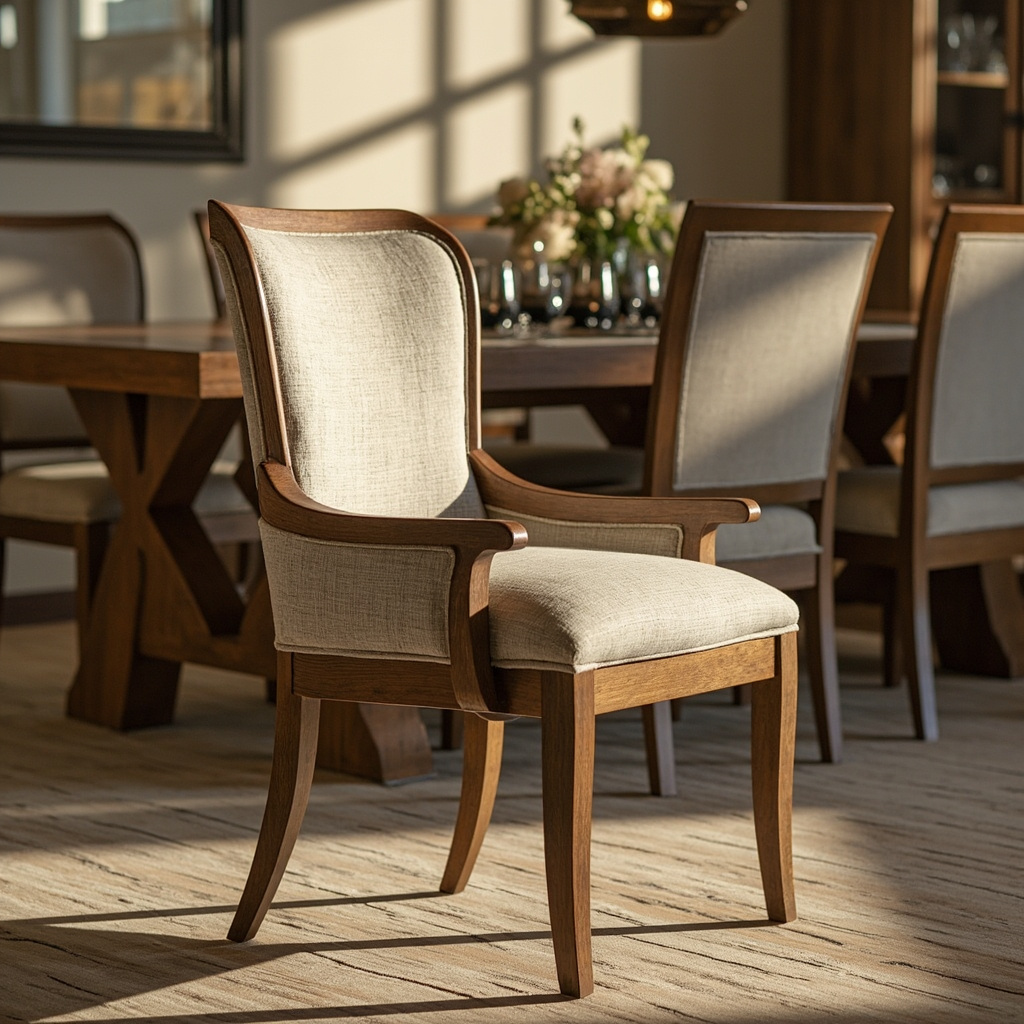
There is a particular kind of suffering that only begins at hour two of a good dinner party. Your guests are laughing, the wine is flowing, the plates are being passed around for third helpings, and somewhere beneath you, the chair you chose for its Instagram-worthy silhouette starts issuing quiet complaints. A stiff wooden seat bites into your thighs. A thin-cushioned chair shifts uncomfortably when you lean forward for bread. The rattan back that looked so boho-chic in the catalogue now presses a ridge into your spine. We have all been there — and for Singaporean hosts who regularly entertain for three, four, even six-hour Sunday lunches or weekend dim sum marathons, the chair material you choose is not a minor detail. It is the difference between guests lingering happily and them subtly checking their phones for escape routes.
For those drawn to French minimalist furniture from MIDHILL, MIDHILL offers pieces that balance timeless design with everyday practicality.
Let us be honest about something most furniture retailers will not advertise on their product pages. Chair comfort is not a static quality. It changes with time, with posture shifts, with the cumulative effect of hours spent in one position. What feels plush at thirty minutes can feel punishing by ninety. This is why I have spent the better part of this year sitting in dining chairs — truly sitting, the way you would at a real meal, with legs crossed and uncrossed, leaning in to talk, leaning back to laugh — and keeping a notebook of how each material performed across real dinner durations. The results are surprising. And they may change how you think about upgrading your dining set.
The Upholstered Champion: When Padding Pays Off
A well-upholstered dining chair is, frankly, the gold standard for marathon dinners. The key is not just the presence of padding but its density and construction. Memory foam, the kind used in mid-range to premium dining chairs, maintains its shape and supportive quality for approximately three to four hours of continuous sitting before any noticeable compression sets in. Lower-density foam, the kind you often find in budget retail options under SGD $200 per chair, begins to flatten significantly after about ninety minutes. The difference is not subtle. Guests will feel it, even if they cannot articulate it.
Consider a typical Singapore HDB dining room setup where a family of six gathers around a 180 cm by 90 cm table for a prolonged weekend gathering. The chairs here do double duty — they are social furniture and, accidentally, therapeutic furniture. Brands like MIDHILL, which has been manufacturing dining seating since 2008 from their facility in Foshan, construct their upholstered series with high-resilience foam cores ranging from 35 to 45 kg per cubic metre in density. That range matters enormously. At the lower end, you get softness that lasts roughly two hours. At the higher end, comfort extends well past the three-hour mark, which is where most Singapore dinner parties naturally drift into extended territory.
The visual appeal of upholstered chairs should not be dismissed either. In a compact Singapore dining space, fabric-covered chairs in warm tones — ochre, sage, terracotta — can soften what might otherwise feel like a sterile institutional dining area. A properly sized dining table set with coordinated upholstered chairs creates a sense of enclosure and warmth that bare wood or metal simply cannot replicate. The trade-off, of course, is maintenance. Singapore's humidity is unforgiving on certain fabrics. Microfiber and treated performance fabrics resist moisture absorption far better than linen or cotton blends, which can feel damp and develop musty odours in rooms without consistent air conditioning. If you host frequently, opt for fabrics rated for domestic upholstery use with a Martindale rub count above 15,000 cycles.
The Wood Question: Beauty With a Stiff Price
Solid wood dining chairs are among the most photographed pieces in interior magazines. They look beautiful next to a teak dining table. They age gracefully. But let us talk about the uncomfortable truth — and I mean that both literally and figuratively. A solid wooden seat, even one with a slight ergonomic curve, offers virtually zero shock absorption. After approximately forty-five minutes to an hour of continuous sitting, pressure points begin to form along the ischial tuberosities, colloquially known as sitting bones. This is basic anatomy, but it is easily forgotten when you are standing in a showroom holding a beautifully turned-leg chair.
The weight of solid wood chairs also plays a role in their comfort equation. A typical solid teak dining chair weighs between 4.5 and 7 kg. That heft provides stability — the chair will not slide across a polished floor when you shift your weight — but it also means the seat surface transmits more of the floor's rigidity upward into your body. There is no buffer. The sensation is sometimes described as sitting on a bookend, and it is remarkably accurate.
Material Notes
That said, wood chairs are not automatically uncomfortable. Several brands offer wooden seats with contoured carving that distributes pressure more evenly across the sitting surface. A concave seat profile, typically carved to a depth of 2 to 3 cm at the centre, can add approximately thirty to forty-five minutes of subjective comfort compared to a flat plank. Some designers add a thin layer of bonded foam, hidden beneath a leather or vinyl wrap, which creates the illusion of a purely wooden chair while delivering the comfort of an upholstered one. These hybrid constructions are worth investigating, particularly for hosts who want the warmth of wood aesthetics without sacrificing extended dining comfort.
From a pairing perspective, wood chairs work best in homes where dinners tend to be shorter and more structured — think hour-long weekday meals or formal celebrations with a set menu and clear timeline. They are less suited to the open-ended, wine-and-cheese drifting-into-night scenario that characterises so many Singapore weekend gatherings. If you invest in wood chairs, pair them with a generous cushion or a woven seat pad that can be removed after the guests leave. A 42 cm by 42 cm cushion in a complementary fabric adds perhaps SGD $15 to $45 per chair but effectively transforms the comfort rating from about one hour to over two and a half.
Rattan and Cane: The Humidity-Friendly Compromise
Rattan and cane chairs occupy a fascinating middle ground in the comfort spectrum, and in Singapore's climate, they deserve serious consideration. The material itself is remarkably breathable. Air circulates freely through the woven cane seat and through the open-weave rattan backs, which prevents the heat buildup that makes upholstered chairs feel like ovens during unseasonably warm evenings. This breathability translates directly into comfort retention over time. Where foam compresses and fabric traps heat, rattan maintains its structural integrity and temperature neutrality across four or more hours of sitting.
The caveat, and it is a significant one, is the seat surface itself. A traditional full-cane seat is firm, with a slight give that comes from the elasticity of the woven strands. Most people find this acceptable for two to three hours before the lack of cushioning becomes fatiguing. The back support, when designed with a gentle lumbar curve and spaced horizontal rails, provides adequate support without creating pressure points. However, narrow or flat-rail backs can dig into the upper back during extended sitting, particularly for taller individuals.
Rattan chairs also pair beautifully with a wide range of table styles. They complement the light oak and white-washed tables popular in Singapore's Scandi-inspired interiors, the darker walnut and mahogany pieces found in Peranakan and colonial-style homes, and even the industrial metal-and-wood combos favoured in modern loft apartments. A set of four natural rattan dining chairs around a 160 cm round table creates an intimate, conversational grouping that feels both casual and thoughtfully designed.
Price-wise, quality rattan dining chairs in Singapore typically range from SGD $180 to SGD $450 per unit, depending on whether the frame is solid rattan or a rattan-wrapped engineered wood core. The MIDHILL range includes several rattan-backed options that bridge the gap between affordable and investment-grade, offering their ten-year structural warranty on the frame, which is a meaningful guarantee given that rattan can split or loosen at the joints over many years of use. Their commitment to lifetime refurbishment service means that a chair purchased today can be re-caned or reupholstered decades later, something that dramatically extends the lifecycle of the piece and reduces the environmental cost of furniture replacement.
The Metal Factor: Durability Without Forgiveness
Metal dining chairs — wrought iron, powder-coated steel, aluminium — are the durability champions of the chair world. They do not warp in humidity. They do not harbour odours. They do not sag. A well-constructed metal frame can last thirty to fifty years with minimal maintenance. But when it comes to prolonged sitting comfort, metal is arguably the least forgiving material available.
The problem is multifactorial. First, metal conducts temperature. In a room that is twenty-four degrees Celsius, a metal seat feels cool initially but warms to body temperature within fifteen to twenty minutes, at which point it offers no thermal relief. Second, metal seats on dining chairs are almost universally flat and hard. Even chairs with slightly contoured seats lack any material compliance. The result is that pressure concentration on the sit bones and the back of the thighs begins after approximately thirty to forty-five minutes of uninterrupted sitting.
Third, and perhaps most overlooked, is the acoustic quality of metal chairs. In a room full of guests, the sound of metal legs scraping against tiled or wooden floors is surprisingly stressful. It creates a subtle background irritation that does not register consciously but contributes to an overall sense of discomfort. This is why metal chairs are best reserved for settings where they are not the primary seating for extended meals — side chairs at a kitchen island, accent seating in a living area, or outdoor dining where the table use is intermittent and brief.
Hardware Choices
If you are drawn to the industrial aesthetic of metal chairs for your dining space, consider a compromise solution: pair a few metal chairs with upholstered ones around the same table. This creates visual variety and ensures that not every guest is sitting on an unforgiving surface. A mixed arrangement of two fabric-upholstered chairs and two metal chairs at a four-person table can look deliberately designed rather than haphazard. The trick is to maintain consistency in line and silhouette so the combination reads as intentional.
The Comfort Hour Rating: A Practical Summary
So where do the materials land when we translate all of this into something you can actually use at the showroom? Here is my working scale, based on accumulated sitting experience across dozens of chairs and numerous dinner parties:
Four plus hours of comfort: High-density upholstered chairs with proper foam cores (35+ kg/m³), quality rattan with a contoured back. These are your marathon chairs. They are the ones your guests will not want to leave.
Two to three hours of comfort: Medium-density upholstered chairs, hybrid wood-and-foam seats, well-designed cane seats with supportive backs. These handle a standard dinner party comfortably but may start showing their limitations if the conversation drags on past the main course.
One to two hours of comfort: Flat wooden seats, low-density foam chairs, metal chairs with any kind of seat padding. These are acceptable for shorter meals but will test your guests' patience during extended gatherings.
Under one hour: Thin-cushioned chairs with poor foam quality, badly contoured rattan seats, any chair with a backrest that forces an awkward posture. Avoid these for any occasion where people will be seated for more than a single course.
Choosing for Your Table, Not Just Your Aesthetic
The honest truth about dining chair selection is that comfort and style are not opposing forces. They are interdependent. A chair that is beautiful in a photograph but miserable to sit in will generate complaints that no amount of interior design praise can offset. Your guests may be too polite to say anything during the meal, but they will remember which chairs were comfortable and which were not, and they will notice it the next time they visit your home.
The best approach is to anchor your selection in the longest dinner you realistically expect to host. If your typical gathering runs three hours, do not buy chairs whose comfort ceiling is two hours. Buy chairs with a comfort ceiling of four. That surplus is what separates a good dining experience from a great one. It is the margin that allows a dinner party to breathe, to expand naturally, to become the kind of evening where everyone leaves saying, "We should do this more often" rather than the quietly desperate, "Well, it was lovely but I have an early morning."
In Singapore's compact living context, where the dining area often doubles as the social heart of the home, investing in chairs that reward longevity of sit is not indulgence. It is practical hospitality. The right chairs make your home more useful, more welcoming, and more likely to be the place where people choose to gather. And that, ultimately, is the most comfortable feeling of all — knowing that your space is doing exactly what it was designed to do.