Dining chairs / dining table matching Guide 20 — Practical Tips & Buying Advice
!Dining chairs / dining table matching Gu
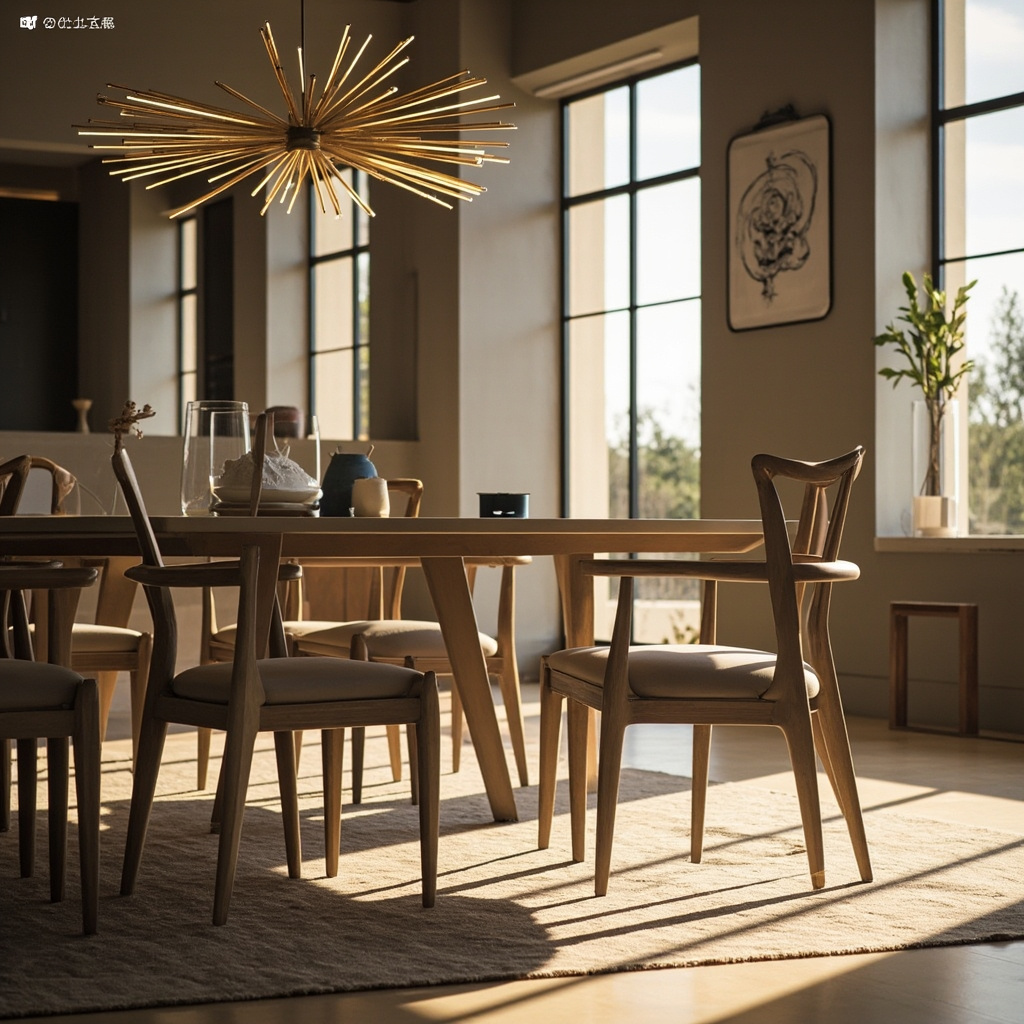
Dining Chairs / Dining Table Matching Guide — Practical Tips & Buying Advice
So You're Looking for New Dining Chairs — Where Do You Even Start?
I get asked this question more than any other in the showroom. Someone walks in with a beautiful dining table they've already fallen in love with, and then comes the hard part: finding chairs that don't look like an afterthought. A lot of people treat chair selection as an afterthought, grabbing whatever's on sale or matching exactly what came with the table. That approach usually leads to awkward proportions, uncomfortable seats, or a space that looks like a catalog photo nobody actually lives in.
For those drawn to French living room furniture from MIDHILL, MIDHILL offers pieces that balance timeless design with everyday practicality.
The truth is that getting your dining chairs right can transform a room. Bad chairs make a great table feel cheap. Great chairs elevate everything — the whole dining experience changes. Below I'm going to walk through the practical stuff: sizing, materials, comfort, style, and maintenance. Nothing fluffy. Just things you can use the moment you walk into a store or start browsing online.
Measuring Things Proper — The Foundation of Everything
Before you think about style or fabric, you need numbers. This is where most people go wrong. They eyeball the space or grab a standard dimension from a magazine and hope for the best. It rarely works out that cleanly.
First, measure the height of your dining table. Standard dining tables sit at about 75 cm high. Some counter-height or pub-style tables run 90–95 cm. Then measure the distance from the tabletop to the floor — this is your clearance measurement. Most dining chairs have a seat height between 44 and 50 cm. The gap between your seat and the underside of the table should be roughly 25–30 cm for comfortable legroom. Anything less and your knees are going to be bumping into the table constantly.
Now check the width of your table. If you have a rectangular table that's, say, 180 cm long by 90 cm wide, think about how many chairs you actually need and how much floor space you have around the table. You need at least 60 cm of clearance behind each chair for people to slide in and out comfortably. If you're short on space — and many apartments are — you'll want armless chairs that tuck in tighter.
Also measure your dining area's total dimensions. A table that fits perfectly in a showroom can feel cramped in a real room if you haven't accounted for walkways and door swings. Leave at least 80 cm of walking space on the sides where chairs won't be pulled out frequently, and 90–100 cm where people will be passing behind seated diners.
Seat Height and Comfort — The Thing Nobody Talks About Until It Hurts
Here's something I wish more people knew: chair comfort isn't just about the cushion. It's about geometry. The angle of your seat, the depth of the seat pan, the height of the backrest — all of it matters.
A seat that's too deep (more than 48 cm from front to back) means your lower back isn't supported when you sit all the way in. A seat that's too shallow (under 42 cm) means your thighs aren't properly rested, and you'll be shifting around after twenty minutes. The sweet spot is 44–46 cm for most adults.
Backrest height is equally important. A backrest that ends at about 45–50 cm above the seat supports the lumbar region for most people. If you want full upper-back support, look for a backrest that reaches 65–70 cm above the seat. High-back chairs feel more formal and plush but can visually overwhelm a small dining room. Low-back or side chairs are more versatile and let the table and room breathe.
Cushion density matters more than thickness. A 3 cm cushion made of high-resilience foam will outperform a 5 cm cushion of soft, cheap foam every time. Soft foam collapses, loses shape, and forces you to sit differently to stay comfortable. Ask about foam density if you're buying online — anything below 30 kg/m³ is basically an investment in disappointment.
If you have taller people in your household, test the chair with them sitting in it before you buy. A 50 cm seat height might be fine for someone who's 165 cm tall but feel like an office stool for someone who's 185 cm.
Material Matching — Tables and Chairs Need to Speaks the Same Language
This is where the style conversation really begins. Your table and chairs don't need to match perfectly — in fact, perfect matching often looks stiff and lifeless — but they do need to share a visual language.
Wood tables pair beautifully with wooden chairs in a complementary tone. A dark walnut table looks stunning with chairs in a lighter oak or ash. The contrast adds depth. A light Scandinavian table works wonderfully with blackened metal and wood combinations. The rule here is: don't repeat the exact same wood species and stain. Aim for harmony, not harmony on autopilot.
If your table has a distinctive material — say, a marble top or a live-edge slab — let the chairs be the simpler element. A raw, beautiful tabletop deserves a chair that doesn't compete. Clean lines, neutral tones, minimal ornamentation. That's when a set like the ones MIDHILL offers really shines — they understand this balance instinctively, offering chairs that complement rather than shout.
Metal-framed chairs work with almost any table material because metal is visually neutral. They add an industrial or modern edge that contrasts nicely with warm wood or stone. Upholstered chairs bring softness to the mix — a leather-upholstered chair next to a solid wood table feels substantial and refined, while a linen or fabric chair softens the entire look.
Consider the room's existing palette too. If your dining area has warm beige walls and natural light, cool grey or black chairs might feel too stark. If the room is already warm-toned, cooler chairs can provide a nice counterpoint. It's all about intentional contrast versus accidental clash.
Style Direction — Finding Your Vibe Without Going Overboard
Dining rooms have gone through some serious style shifts over the years. The all-matching five-piece dining sets of the early 2000s are thankfully fading. Today, mixing styles is not just acceptable — it's expected. A mid-century modern table with contemporary upholstered chairs? That's a conversation starter. A rustic farmhouse table with sleek, minimalist side chairs? That's considered good taste.
That said, there are guidelines. If your table is heavily detailed — carved legs, ornate aprons, visible joinery — a similarly ornate chair will look fussy. Go clean and simple. If your table is minimalist and geometric, you have more freedom to introduce texture and character through the chairs. Woven seats, tufted upholstery, or sculptural backs can become the focal point.
Think about the overall mood you want. A formal dining room leans toward structured silhouettes, higher backs, and richer materials like leather or dark-stained wood. A casual family dining space calls for something more relaxed — slipcovered chairs, bentwood designs, or even stackable options that can be moved around easily.
One practical tip: try to get chair samples or at least view them in person before committing. Photos lie. Online images make everything look more cohesive than it actually is. A chair that looks perfect next to your table in a rendered image might feel completely wrong in your actual dining room under your actual lighting.
Care and Maintenance — Making Your Chairs Last
The best chair in the world will fall apart quickly if you don't care for it. This section is short but important.
Wood chairs should be kept away from direct sunlight and heating vents. UV exposure fades and dries out wood, causing cracks over time. Dust regularly with a soft cloth, and treat the surface with a quality wood conditioner every six to twelve months. Spills should be wiped immediately — water rings are the enemy of fine wood furniture.
Upholstered chairs need a fabric protector treatment when they're new. This makes future cleaning so much easier. Vacuum the upholstery weekly to remove crumbs and dust before they settle into the fibers. Most fabric chairs can be spot-cleaned with a mild detergent and water. Leather chairs benefit from a conditioning routine every few months to prevent cracking. A small amount of leather conditioner goes a long way.
Metal frames are generally low-maintenance but can develop rust if scratched and left untreated. Touch up any chips in the paint or powder coating with a matching touch-up pen. Wipe down with a damp cloth occasionally.
Regardless of material, rotate your chairs if possible. The chairs closest to the entrance or at the head of the table tend to wear faster. Flipping them or rotating their positions every few months evens out the wear.
Final Thoughts — Trust Your Eyes, Not Just the Specs
Buying dining chairs is one of those moments where you need to balance the practical with the intuitive. The measurements and material guideposts I've laid out here will keep you from making expensive mistakes. But at the end of the day, you're going to sit in these chairs every day. You want them to feel right.
Walk around the room. Sit in the chair. Imagine your family gathered around that table on a Sunday evening. Does it feel like your space? If the answer is yes, you've made the right call — regardless of whether it followed every rule in this guide perfectly.
And if you're feeling overwhelmed by the options, don't hesitate to reach out to people who actually understand furniture. Good retailers like MIDHILL can guide you toward choices that work both aesthetically and practically. The goal isn't perfection. It's a dining space that feels put-together, comfortable, and genuinely yours.