A 5-Year Cost Comparison: Veneer vs Solid Wood Dining Chairs in Singapore
In the context of Singaporean living, where HDB flats in Tampines and Bedok, or condos in Punggol, often feature compact dining areas, the choice of furniture is a balance of aesthetics, durability, and long-term value. A dining set is not merely a functional piece; it is the centrepiece of the home, a gathering place for family meals and conversations. When selecting dining chairs, one of the most significant decisions a homeowner faces is between veneer and solid wood construction. This material choice has profound implications for cost, maintenance, and lifespan, extending far beyond the initial purchase price. This article provides a detailed, year-by-year cost comparison over a five-year period, using concrete figures and local context to help Singaporean homeowners make an informed decision.
What Exactly Are We Comparing? Veneer and Solid Wood Defined
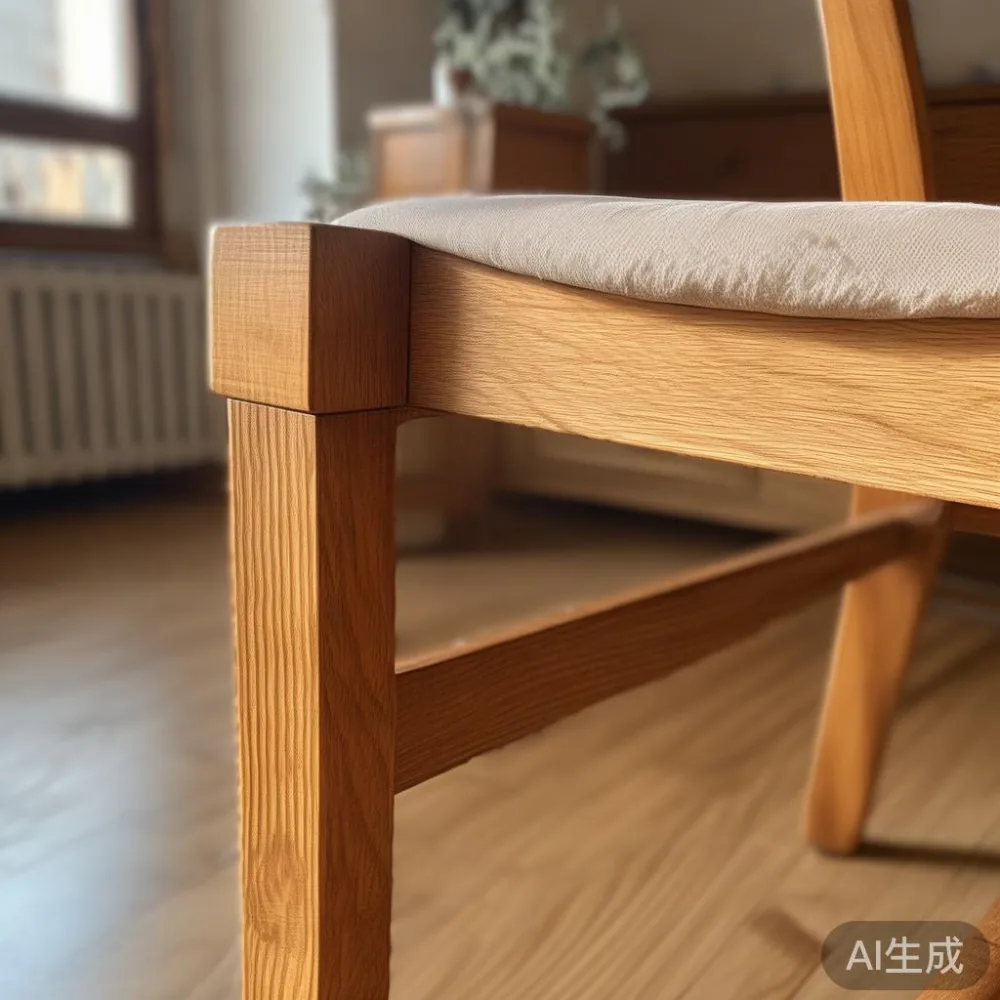
Before diving into the numbers, it is important to clearly define the two materials in question. Solid wood dining chairs are constructed from a single piece of lumber or solid wood planks joined together. Common choices for Singapore's climate include solid oak, rubberwood, or acacia, known for their durability and natural beauty. These chairs are heavy, with a typical dining chair weighing between 6 to 10 kg, reflecting their dense, solid construction. The natural grain and texture are unique to each piece, adding character to the furniture.
Veneer, on the other hand, is a thin layer of real wood (typically 0.6 mm thick) applied over a base of engineered wood like MDF (Medium-Density Fibreboard) or particleboard. This base material is much lighter and less expensive than solid wood. The veneer gives the chair the appearance of solid wood at a fraction of the initial cost. However, the underlying MDF or particleboard is susceptible to moisture damage, warping, and delamination if not properly cared for. Understanding this fundamental difference is key to understanding the long-term financial and practical implications of your choice.
The Initial Investment: A Head-to-Head Price Comparison
The most immediate difference between veneer and solid wood dining chairs is the upfront cost. For a set of four dining chairs, the price disparity is significant. A set of four solid wood dining chairs from a reputable manufacturer like MIDHILL would typically cost between SGD 1,200 and SGD 1,800. This price reflects the quality of the wood, the craftsmanship of the joinery, and the durability of the finish. In contrast, a set of four veneer dining chairs from a similar style range might cost between SGD 400 and SGD 700.
To put this into perspective for a local homeowner, let's consider a delivery scenario. For a delivery to a Tampines HDB flat, the shipping cost for the solid wood chairs might be SGD 50, as they are heavier and require more care during transport. The lighter veneer chairs might incur a delivery fee of SGD 30. The initial investment table below summarises these figures:
| Item | Cost (SGD) |
|---|---|
| 4 x Solid Wood Dining Chairs | SGD 1,200 - SGD 1,800 |
| 4 x Veneer Dining Chairs | SGD 400 - SGD 700 |
| Delivery (Solid Wood) | SGD 50 |
| Delivery (Veneer) | SGD 30 |
The initial saving with veneer is clear: between SGD 520 and SGD 1,220. This is a substantial amount for many households, which is why veneer is a popular choice. However, this initial saving is only the beginning of the story. The true cost of ownership unfolds over time.
Year 1: The honeymoon phase and the first signs of wear
For the first year, both solid wood and veneer dining chairs will likely look excellent. The initial excitement of a new dining set is high. There are no additional costs beyond the initial purchase and delivery. Both types of chairs will serve their purpose without issue. A family in a Bedok condo might host several gatherings, and the chairs will hold up well under normal use.
However, subtle differences may begin to emerge. Solid wood, with its natural oils and dense grain, is more resistant to minor scratches and dings from everyday use. A small scuff from a chair leg scraping the floor is less likely to leave a permanent mark on solid wood. Veneer, being a thin layer, is more susceptible to surface damage. A sharp object or a heavy bag dropped on a veneer chair could potentially chip or scratch the surface, revealing the MDF underneath.
By the end of the first year, the owner of solid wood chairs might have spent nothing on maintenance. The owner of the veneer chairs might still have no costs, but they may have already noticed a few more imperfections on their chairs compared to their solid wood counterparts. The initial aesthetic gap remains small, but the foundation for future costs is being laid.
Year 2: Maintenance begins and the first repairs
As the second year begins, the need for maintenance becomes more apparent, especially for veneer chairs. Singapore's high humidity can be a silent enemy of furniture. Veneer is prone to 'blushing' or developing a white, cloudy appearance in areas with high moisture exposure, such as near an air-conditioning vent or a window that is frequently opened. To fix this, a veneer chair owner might need to purchase a specific wood cleaner and polish, costing around SGD 20 to SGD 30 for a good-quality product.
More critically, the first signs of structural weakness may appear with veneer. The glue bond between the veneer and the MDF base can weaken over time, especially with temperature and humidity fluctuations. This can lead to the veneer starting to lift or 'delaminate' at the edges. A small repair kit for veneer costs about SGD 15, but it requires a steady hand and often doesn't blend perfectly, leaving a visible patch. A professional repair for one delaminating chair could cost SGD 80 to SGD 120.
Solid wood chairs, in contrast, require very little maintenance. A simple wipe with a damp cloth followed by a dry cloth is usually sufficient. If the finish starts to look dull, a high-quality wood wax can be applied once a year. A pot of wood wax costs about SGD 40 and can last for several years. For a family in a Punggol apartment with young children, the solid wood chairs might have a few minor dings, but they are structurally sound and their character is seen as part of their natural aging process.
Year 3: The cost curve diverges significantly
By the third year, the financial divergence between the two options becomes stark. The veneer chairs are now showing clear signs of age and wear. The delamination issue, if not addressed in year two, will have worsened. An entire chair might need to have its veneer completely replaced. This is a major repair that could cost SGD 150 to SGD 200 per chair. For a set of four chairs, this could mean a bill of SGD 600 to SGD 800 just to restore them to a passable condition.
Also, the MDF base of the veneer chairs may be starting to sag or weaken, particularly under the weight of an adult. This is not a repairable issue; the chair structure itself is compromised. At this point, the owner faces a choice: invest heavily in repairing chairs with a compromised core, or start saving for a new set. The initial saving of SGD 500 is now long gone, and the owner has spent an additional SGD 100 to SGD 200 on cleaning products and minor repairs.
The solid wood chairs, meanwhile, continue to perform admirably. They may have a few more scratches, but these add to their patina. The structural integrity remains 100%. The only cost incurred in year three might be the annual application of wood wax, costing SGD 40. The total cost of ownership for solid wood is still significantly lower than the veneer option at this stage.
Year 4: Replacement becomes a reality for veneer
In the fourth year, the decision for veneer chair owners often shifts from repair to replacement. The cumulative cost of repairs, coupled with the ongoing aesthetic decline, makes continuing to patch up the chairs a poor investment. A family living in an HDB flat in Tampines, for example, might decide that their dining area, which is a central part of their home, deserves furniture that looks presentable and is structurally sound.
p>Purchasing a new set of four veneer chairs to replace the damaged ones would cost another SGD 400 to SGD 700. This brings the total cost for veneer chairs over four years to between SGD 860 and SGD 1,630 (initial + delivery + repairs + replacement). This is comparable to, or even exceeding, the initial cost of a solid wood set. And now, they are back at square one with new chairs that will likely follow the same degradation cycle.
The solid wood chairs, meanwhile, are still going strong. They have aged gracefully, developing a rich, deep patina that many homeowners find more beautiful than the brand-new look. They have likely outlasted at least one set of veneer chairs. The total cost of ownership for solid wood remains at just the initial purchase plus delivery, perhaps with a single SGD 40 pot of wood wax. The value proposition is undeniable.
Year 5: The long-term picture and total cost of ownership
After five years, the financial comparison is no longer a debate; it is a conclusion. The veneer chairs have likely been replaced once, and the new set is already showing signs of the same problems. The total cost of ownership for a cycle of veneer chairs is now approaching SGD 2,000, with no end in sight to the cycle of repair and replacement.
Solid wood chairs, however, represent a true investment. They have been in use for five years with minimal maintenance and have retained their structural integrity. Their aesthetic has evolved positively. The total cost of ownership is simply the initial investment of SGD 1,250 to SGD 1,850. There is no hidden repair cost, no replacement bill looming on the horizon. For a homeowner in Singapore, where space is premium and furniture is a long-term commitment, this long-term value is paramount.
Why does solid wood last longer? The science behind the investment
The reason for this stark difference lies in the fundamental properties of the materials. Solid wood is a single, homogeneous material. When it scratches, it is just the surface of the wood being worn. The structural core remains intact. It can be sanded down and refinished multiple times over its lifetime. A solid wood dining chair can be refinished for a cost of around SGD 100 to SGD 150 per chair, restoring it to its original glory. This is a viable option even after 10 or 15 years.
Veneer, however, is a composite. The structural integrity depends entirely on the bond between the thin wood layer and the MDF base. Once this bond is compromised by moisture, heat, or impact, the entire piece is weakened. You cannot sand and refinish a veneer chair in the same way, as you would quickly sand through the thin veneer layer, exposing the ugly MDF. Repairing delamination is a temporary fix at best. The engineered wood core simply does not have the longevity of solid wood.
This is why a company like MIDHILL can offer a 10-year structural warranty on its solid wood furniture. They are confident in the material's ability to last. Such a warranty is practically impossible to offer on veneer products because the core material is not designed for longevity.
Are veneer dining chairs a complete waste of money?
The answer is nuanced. Veneer furniture is not inherently 'bad.' For a rental property, a student dorm, or a temporary living situation where the furniture will be used infrequently and for a short period, veneer can be a practical, low-cost choice. If the primary goal is to achieve a specific look for the lowest possible initial outlay and the furniture will not face heavy use, veneer can suffice. For example, a homeowner might choose a veneer side table for a guest room that is only used once or twice a year.
p>However, for a core piece of furniture like dining chairs, which are used multiple times every day and are a central part of the home's social life, the long-term durability and value of solid wood are unmatched. The initial higher price is an investment in longevity, reduced maintenance, and sustained aesthetic appeal. For a family planning to stay in their Bedok condo for the next decade, solid wood dining chairs are the financially smarter choice, saving them money and frustration in the long run.
Integrating your dining chairs into a light luxury home
Choosing solid wood dining chairs also opens up more possibilities for styling your home with a light luxury aesthetic. The clean lines and natural materials of solid wood chairs complement various design styles. For instance, a homeowner might pair their solid wood dining chairs with a French for dining room style table, creating an elegant yet understated atmosphere. Alternatively, they could opt for a post-modern light luxury look by combining the chairs with a marble table top, adding a touch of sophisticated contrast. The durability of solid wood ensures that these design choices remain beautiful for years to come, without the chairs themselves becoming an eyesore.
When planning a living space, the choice of furniture extends beyond the dining area. A homeowner might also consider a Modern light luxury TV console to match the quality of their dining set. Or, for a guest room, they might explore options for a Japanese for guest room theme, which often relies on natural wood elements. The principles of choosing durable, high-quality furniture apply across the home, from the dining chairs to the solid wood sofa in the living room. Understanding the difference between a light luxury sofa vs Japandi sofa can also help in creating a cohesive interior design story that prioritizes both style and substance.
A personal experience: From veneer to solid wood
Last month, I visited a colleague's new condo in Punggol. He had recently furnished his entire apartment and was proudly showing me around. His dining area featured a sleek, dark wood dining table with four matching veneer chairs. He had bought them from a popular online retailer, paying a total of SGD 450 for the set. He was happy with the initial look and the price.
p>As we sat down for coffee, I couldn't help but notice that one of the chairs had a distinct wobble. He sheepishly admitted that one of the legs had become loose after just a few months of use. He had tried to tighten the screw, but it just stripped the hole in the MDF. He mentioned that he was already looking at his other chairs, worried they might develop the same problem. He planned to replace them in a couple of years when his finances were better. His experience perfectly illustrated the hidden costs and anxieties that can come with choosing lower-cost, less durable furniture. He was already on the path to spending more than he initially saved, all for a set of chairs that were causing him stress.
Making the smart choice for your Singaporean home
When furnishing a Singaporean home, whether it's an HDB flat or a private condo, the decision between veneer and solid wood dining chairs is a significant one. The 5-year cost comparison clearly shows that while veneer offers a lower initial price point, the long-term costs of maintenance, repair, and eventual replacement make it a more expensive option over time. Solid wood dining chairs, with their higher initial investment, prove to be the more economical and practical choice, offering unparalleled durability, timeless beauty, and peace of mind.
p>The value of solid wood furniture extends beyond mere cost savings. It is an investment in your home's environment, reducing the need for constant replacements and the associated hassle. For a family in Tampines, a couple in a Bedok condo, or anyone looking to create a lasting and beautiful home, the choice becomes clear. Solid wood is not just a material; it is a commitment to quality and longevity that will pay dividends for years to come.