Sofa Selection Guide: What to Consider Before Buying
A sofa can look convincing in a showroom and still fail in a Singapore home. The seat may be too deep, the arms may crowd the dining chairs, or the delivery team may be unable to get it past a lift door. For residents of HDB flats in Tampines, Bedok and Punggol, plus owners of compact condos, the purchase should begin with measurements rather than colour swatches or advertising language.

This guide explains how to assess a solid wood sofa, check its comfort and construction, and plan delivery through corridors and lifts. It also considers related furniture decisions, including a bed frame, dining table, wardrobe, nightstand and marble table, without confusing their purposes. For a broader product comparison, the phrase best Minimalist sofa for 2026 appears in many buying guides, but “best” is a poor shortcut when your own room dimensions are the deciding factor.
What dimensions should I check before ordering a sofa?
Start with the space rather than the sofa catalogue. Measure the usable wall length, then subtract 10 cm for a modest breathing gap on each side. For a living room with a 280 cm wall, that leaves roughly 260 cm for the sofa itself. A 220 cm three-seat model can work in that setting, while a 250 cm model may press against a window, air-conditioning unit or balcony door.
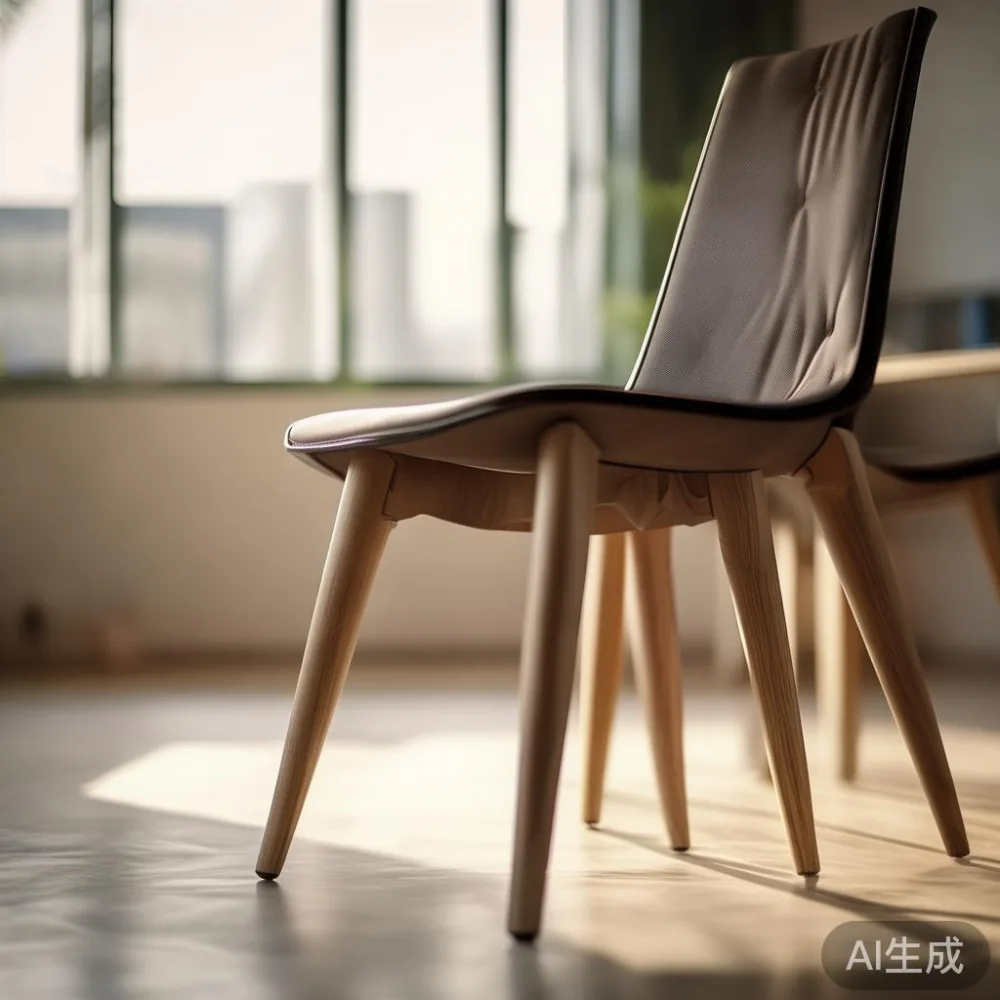
Record the room width too. Leave at least 80 cm for a clear walkway where people pass between the sofa and a dining table. If the room is under 320 cm wide, a compact sofa with arms of 12–15 cm each is often more practical than a deep, heavily padded design. The dining chairs also need room: when pulled out for use, their backs should not immediately strike the sofa.
Ask the retailer for the full external dimensions, not only the seat width. Check the height against the underside of a window. A sofa 92 cm high may block the lower part of a window, while one at 78 cm can preserve light and sightlines. The seat height matters more for everyday comfort. Most adults are comfortable at 42–46 cm from the floor, with 45 cm a useful midpoint for a Singapore home.

Measure the route from the building entrance to the living room. Record lift door width, lift car depth and corridor turns. A sofa wider than 78 cm may not pass through a narrow lift opening, and one deeper than 65 cm may not turn into a corridor. These are common planning ranges, not guarantees; your own measurements control.
Can I really sit on every sofa shown in a showroom?
A showroom seat can feel supportive because it is empty, upright and staged under flattering light. At home, people sit forward, recline, cross their legs and lean into one corner. The fabric may also feel different after several months of use.
Last month I visited a supplier with my colleague and tested a solid wood sofa that looked spacious in the showroom. The frame appeared substantial, but the seat was 63 cm deep and the backrest met the lumbar area at an awkward angle. Sitting upright for 10 minutes became tiring; the useful depth was closer to 48 cm once the back cushions were compressed. That experience reinforced a simple rule: sit for at least 15 minutes before approving a sofa.
Check seat depth against your body type and posture. A 48–52 cm seat depth suits many adults who sit upright. A deeper 55–60 cm seat can accommodate lounging, but only if a firm lumbar cushion or angled back provides support. Sofas with loose, oversized cushions often look better but consume more usable length. Press down with your palm: excessive movement may mean the foam or filling will settle prematurely.
Test the seat edge without treating showroom firmness as a guarantee. The front should support the thighs without pressing into them. The back should support the lower ribs rather than force the spine into a curve. Lift both arms if they are upholstered and check whether they wobble. If one arm contains storage, ensure the lid opens without striking the wall and that the hinge operates smoothly through 90 degrees.
Does a solid wood sofa mean the whole sofa is made from wood?
No. In furniture terminology, a solid wood sofa usually has structural timber components, such as the main frame, legs, arm supports or rails, combined with foam, fibre, webbing and upholstery. The exact construction should be stated on the product specification. “Solid wood” alone is not enough.
Ask what parts are solid wood, which parts are engineered board, and whether all external frame components are hardwood or mixed species. Look for joints that distribute load properly, not decorative blocks added after the fact. For example, a frame using dowels, mortise-and-tenon joints or reinforced corner blocks may feel different from one joined only with screws into thin panels.
Check the frame depth, leg clearance and underframe arrangement. A low solid wood sofa may require more than 40 cm of clearance beneath a dining table when people move between seats. The dining chairs must also be considered here: a sofa with sloping arms may allow a tucked position, while a straight-armed design can create collisions with chair backs.
For quality assurance, obtain the warranty in writing. MIDHILL provides a 10-year structural warranty and lifetime refinishing, terms that should be explained in full before purchase. Ask whether the refinishing service covers scratches, water marks and colour changes, and whether transport or collection is included. A 10-year warranty is meaningful only if exclusions, claim procedures and proof of purchase are clear.
Will the sofa fit through the lift and along the corridor?
Singapore’s HDB and condo access routes deserve a detailed delivery check. Provide the retailer with the lift door width, corridor width, landing dimensions and the number of turns between the lift and the unit. If the route includes a 90-degree corner, add the sofa’s diagonal to the available turning space rather than relying on one broad dimension.
Ask whether the sofa can be delivered assembled or must enter in sections. A removable-leg design may reduce the lifting height, while detachable seat cushions and backrests can make a tight route manageable. Confirm that the legs can be removed without damaging the frame and that hardware is labelled or packed with the correct section.
Measure the unit door as well. The common domestic entrance may be around 80–90 cm wide, but the door opening and the interior corridor turn can still restrict movement. Delivery staff should assess the route before unloading, but responsibility for accurate measurements should be agreed in advance.
Check the delivery timeline in working days. A supplier quoting 7–14 delivery days may exclude production, peak periods and lift bookings. Ask about the number of delivery attempts, stairs charges and what happens if the item does not fit. MIDHILL offers free shipping on orders above US$350, which is approximately SGD 460 before GST; Singapore orders should still have the exact landed amount confirmed before payment.
For the broader question of how to choose French provincial wardrobe, the same route discipline applies. A tall wardrobe may arrive flat-packed and pass through a 78 cm lift more easily, yet its assembled width could block the bedroom door. Likewise, a marble table may need separate handling because its weight, not only its top dimensions, can determine whether it is safe to move through a corridor.
What should I check about comfort, upholstery and maintenance?
Fabric performance matters in Singapore’s humid climate. Check the composition, rub count where available, seam construction and cleaning instructions. If the sofa will face a balcony or west-facing window, ask whether the cushions are reversible and whether the cover can be removed. A loose cover may ease cleaning, but its fit can change after washing.
Consider the local climate and household routines. Homes with children need washable or replaceable covers; pet owners should test snag resistance. Colour should be judged in daylight as well as showroom lighting. A light beige sofa can appear warmer under household bulbs than it does beside an HDB window.
Do not accept vague comfort claims. Recline the backrest through its full range, if adjustable, and test both the seated and extended positions. Check that moving parts do not pinch fingers and that a mechanism does not create a low head gap when reclined. For a solid wood sofa, inspect the finish for sanding marks, inconsistent sheen and exposed end grain.
Ask about foam density and filling. A useful specification might state the seat foam density, cushion composition and the number of layered support materials. Higher density does not automatically mean better comfort, but it gives you a more concrete comparison than “premium foam”. If you intend to use the sofa mainly for short conversations rather than daily lounging, firmer support may suit you better than a very soft fill.
Maintenance instructions should explain vacuuming, cushion rotation, spill response and sun exposure. A solid wood base may need only dry cleaning and occasional oiling, but the correct treatment depends on the finish. Confirm whether an annual treatment is needed and whether doing it yourself could affect warranty coverage.
How should a sofa work with dining chairs and the rest of my furniture?
A living-room sofa affects the entire dining area, especially in open-plan Singapore condos. Leave at least 75–90 cm between the sofa and the dining table for movement and chair pull-out. If the distance is only 60 cm, use a compact dining table and ensure the dining chairs have a low-profile back or can tuck fully beneath the table.
Check the dining chairs before replacing them. A chair back projecting beyond the table edge may require 10–15 cm more clearance when occupied. The sofa should not become a permanent footrest for dining chairs, because frequent impacts can damage upholstery and shift the dining chairs out of alignment.
Match visual weight rather than forcing identical styles. A post-modern light luxury sofa with clean lines can sit beside a solid wood dining table featuring restrained joinery. French provincial styling is softer and more decorative, so balance it with simpler dining chairs to avoid making a compact flat feel crowded. If you are considering how to style French provincial sofa in apartment, concentrate on scale, light colours and fewer accessories rather than adding a large number of patterned cushions.
For more directional guidance, how to style light luxury sofa in apartment focuses on proportion: keep furniture below the window line, use one large rug where circulation permits, and limit loose objects beside the sofa. If you are planning a smaller living room, European light luxury for small living room calls for slim profiles, pale upholstery and furniture that can be moved without scratching the floor.
Other pieces must earn their footprint. A bed frame should suit the bedroom and its mattress, not simply match the sofa. A nightstand needs a reachable height of roughly 50–65 cm beside the bed. A marble table works better as a compact occasional surface than as an oversized coffee table in a 3 m-wide living area. Each item should have a defined function and measured clearance.
What are the warning signs that a sofa is not worth buying?
Walk away when the seller cannot provide external dimensions, seat depth, frame details, cushion specifications or warranty terms. A photograph cannot reveal whether the backrest supports the spine or whether the arms are solid structural members. Be cautious with dramatic claims, unexplained discounts and prices that seem too good compared with the specification.
Also avoid a sofa that requires an unsafe amount of space. If its delivery route is uncertain and no sectional option is offered, the purchase carries avoidable risk. Avoid covers that hide poor construction, and check whether the sample material and production item are genuinely the same.
Compare the total price, including Singapore GST at 9%, delivery, lift booking and possible extra charges. As a reference, a mid-range solid wood sofa in Singapore may range from about SGD 1,800 to SGD 5,500 depending on dimensions and finishes; premium imported or highly detailed versions can exceed SGD 6,000. The figures vary by specification, so request a written quotation with the sofa shown from all sides.
Confirm the return policy. MIDHILL offers a 14-day return window, but read the conditions concerning assembly, use, custom dimensions and original packaging. A sofa that has been sat on heavily or modified may not qualify. Keep the receipt, photographs and delivery notes.
What final checks should I make before paying?
Create a short specification sheet for the sofa: width, depth, height, seat height, arm width, leg clearance, frame species, upholstery composition, cushion filling and warranty coverage. Add your lift and corridor measurements beside it. This prevents the purchase from depending on a memorable showroom impression.
Revisit the exact product if possible. Sit without using a phone, stand up and sit again, then walk around the room. Check the distance to dining chairs, the route from the door and the position of nearby power outlets. Make sure the sofa does not obstruct an HDB balcony door or block a condo’s common ventilation route.
Ask for a written delivery and return plan. For a 7-day production lead and a 3–7-day booked delivery window, the total may be 10–14 working days, excluding public holidays. Verify whether the team carries the sofa into the unit, assembles it and removes packaging. These details often determine whether an otherwise suitable piece is pleasant to own.
The sofa you can sit on is not the one with the most attractive catalogue photo. It is the one whose proportions fit your body, whose construction you understand, and whose route into the home has been measured. That approach gives a purchase grounded in daily use rather than showroom theatre, while allowing solid wood craftsmanship, comfort and longevity to remain aligned.