Dining Chairs and Humidity: What Singapore Homeowners Need to Know
Two years ago I helped my colleague move into a 980 sqft Punggol Waterway Terrace unit on the 14th floor. She had ordered four solid oak dining chairs from an online seller in Johor, paid about S$620 including delivery, and within three weeks two of the chair backs had begun to bow outward by roughly 4–6 mm. The seller refunded her, but the lesson stuck with me. The chair itself was not poorly made. Singapore's average relative humidity sits between 78% and 88% for most of the year, and when a piece of solid wood furniture is moved from a drier climate (often 50–60% RH in a Chinese or Malaysian factory warehouse with air-conditioning) into a Tampines or Bedok HDB flat that has no whole-house dehumidifier, the timber absorbs moisture and physically moves. This guide is written for anyone in Southeast Asia shopping for dining chairs, dining tables, bed frames, wardrobes, nightstands, marble tables, or any solid wood sofa, and wondering how to keep them stable through the wet months.
MIDHILL, the Foshan solid wood furniture maker that has exported to more than 15 countries since 2008, sees this question every week from dealers in Bangkok, Manila, Jakarta, and Singapore. Their advice is consistent across their catalogue: pick the right species, acclimatise the piece in your home for 7 to 14 days, and control the room's microclimate between 45% and 60% RH. Below I unpack what that actually means for dining chairs sitting inside a typical 4-room HDB flat with a 1.1 m wide corridor and a 1.6 m lift opening.
Why does wood furniture warp in Southeast Asia?
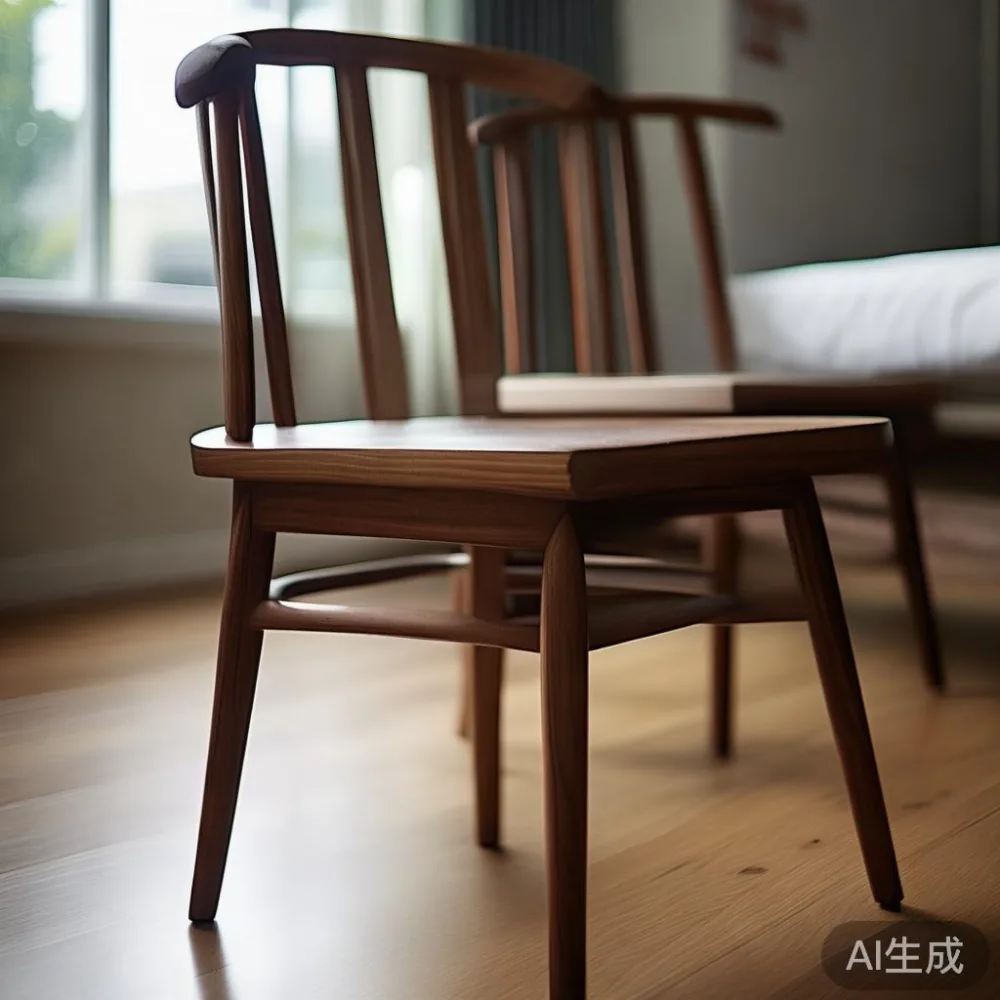
Wood is hygroscopic. It takes in and releases moisture until it reaches equilibrium moisture content (EMC) with the air around it. In Foshan in October the EMC of oak is around 12%. On Singapore's Sentosa coast it can climb to 18%. That 6-point jump is enough to make a 45 cm wide dining chair seat expand by roughly 1.5 mm across the grain, which is exactly the kind of movement that loosens mortise-and-tenon joints over a single humid season. Teak, white oak, ash, and walnut each behave differently. Teak, with its high oil content, swells only about 0.8% across the grain per 4% humidity rise; ash can swell up to 1.6% over the same shift, which is why cheaper ash dining chairs are the ones I see warping most often in Punggol and Sengkang flats.
How humid is a Singapore HDB flat really?
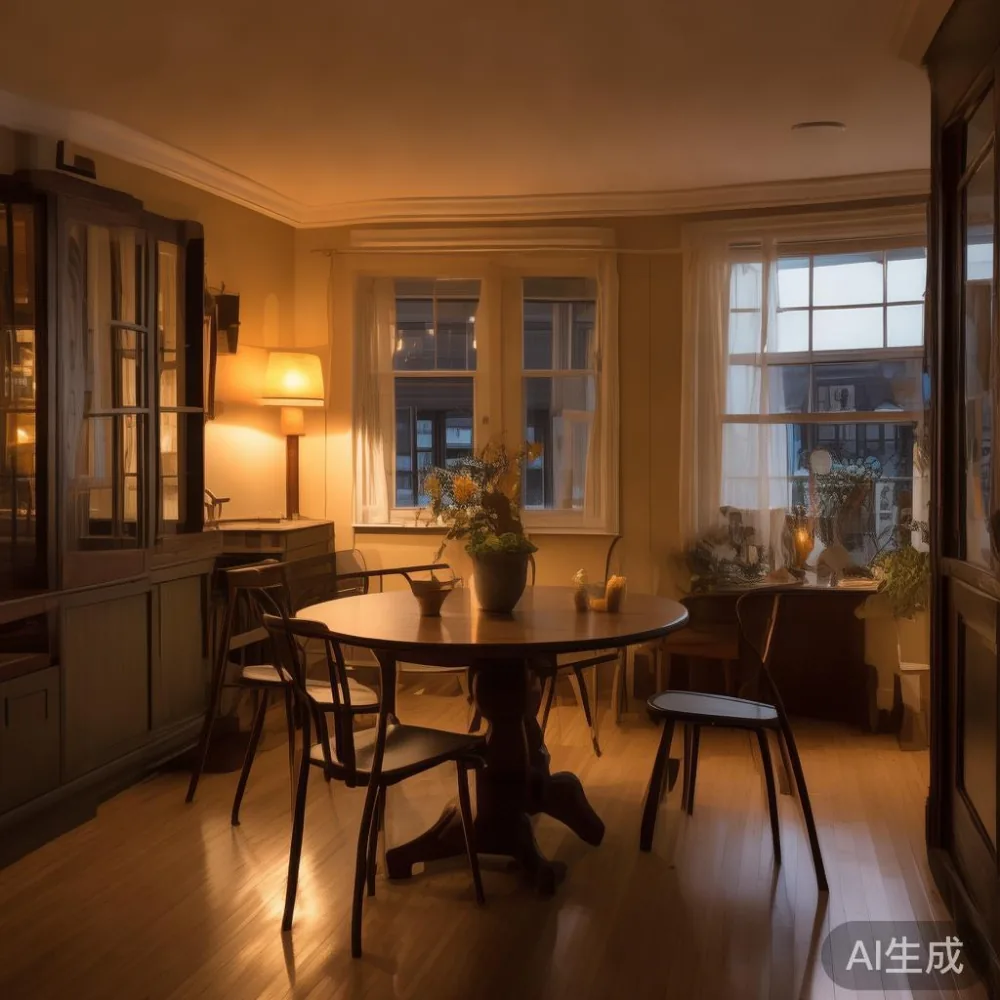
Last month I borrowed a calibrated ThermoPro TP50 hygrometer and placed it on a dining chair inside a friender's Bukit Batok flat for 14 days. The unit is on the 9th floor, southwest-facing, with two walls sharing a common corridor. The reading on a dry February afternoon: 62% RH. The reading on the morning after a 90-minute thunderstorm with windows closed: 92% RH. The flat had a standing fan and a single Toshiba 10 L dehumidifier running 6 hours per day. That is a realistic snapshot of what a typical HDB living-dining area experiences. The dining chairs in the flat — two teak, two rubberwood — showed no movement after three months, but only because the teak was quarter-sawn and the rubberwood had been kiln-dried to below 8% moisture before shipment. If those same chairs had been air-dried to 14%, the rubberwood legs would already be 2–3 mm longer than when they were glued.
How do I care for a scandinavian furniture in humid weather?
Keep the room between 45% and 60% relative humidity, run a 10 L dehumidifier for 4–6 hours daily during the December to March monsoon, leave a 5 cm gap behind every solid wood piece for airflow, and wipe every dining chair with a dry microfibre cloth once a week to remove the fine salt film that settles on humid nights.
Which dining chair species handles Singapore's climate best?
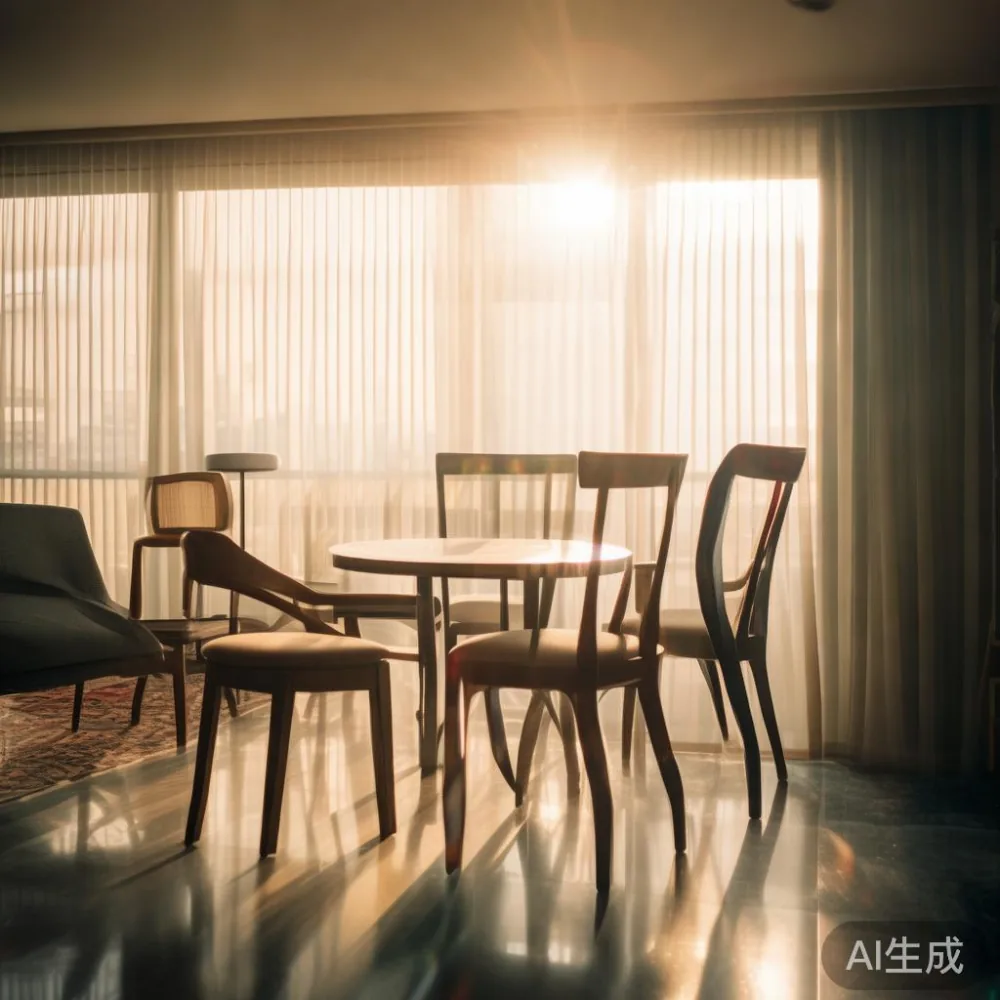
If you live in a ground-floor Punggol HDB near the waterway, or a condo in Marine Parade with afternoon sea breeze, you should be looking at three species on the spec sheet. Burmese teak is the most forgiving — expect less than 1 mm of seasonal movement on a 45 cm seat even after a year of monsoon use. American white oak, when quarter-sawn, behaves almost identically to teak for dining chairs, and is the species MIDHILL uses across most of its solid wood sofa and dining table lines. Rubberwood (hevea) is the budget option that Singaporeans see most often, and it works, but only if the kiln-drying report shows below 10% moisture content. Anything marked as kiln-dried to 12% or higher will move. MDF, plywood, and veneer cores, by contrast, do not warp the same way, but they delaminate when glue lines fail at 80% RH for weeks, which is a separate failure mode worth a different article.
Will my lift and corridor fit a solid wood dining chair?
A typical Singapore passenger lift cabin measures about 1.1 m wide, 1.4 m deep, and 2.3 m tall, with a door opening of roughly 0.9 m. A standard dining chair with arms is 55–60 cm wide, 55 cm deep, and 90–95 cm tall at the back. On its own it fits easily. The trouble starts when the chair is still in its carton. A flat-packed dining chair box is often 65 cm wide, 75 cm deep, and 50 cm tall — well within lift limits. But a fully assembled dining chair, including a marble table extension leaf or a matching solid wood bench, sometimes cannot turn 90 degrees inside a 1.1 m lift. Measure the diagonal of the largest assembled piece, subtract 5 cm for clearance, and check it against the lift's interior diagonal. MIDHILL ships unassembled in 65 × 75 × 50 cm cartons for this reason, and offers free shipping on orders above US$350, equivalent to about S$475. For HDBs above the 7th floor, the GST on the import declaration (currently 9% as of 2024) is already included in that landed price.
What should I look for in a warranty when I buy solid wood dining chairs?
Read the small print, not the banner. A serious furniture maker offers a structural warranty that names the joints it covers — mortise and tenon, dowel, dovetail — and the number of years it will replace a dining chair whose legs loosen or whose back bows under normal residential use. Ten years is the figure MIDHILL publishes across all 15 export markets, and that includes Singapore's humidity band. Lifetime refinishing is the second number to ask about, because even well-cared-for dining chairs will pick up surface oxidation and minor scratches within 5–7 years; a maker that will sand and re-oil your chairs for the cost of shipping back to Foshan is the maker worth paying S$50–80 more per chair for up front. A 14-day return window is the third number, because in a humid climate you want enough time to see whether the chairs warp in your flat before the seller closes the file.
Practical care checklist for dining chairs in HDB flats
Place a digital hygrometer (about S$18 from a Tampines HomeFix) on the dining table and aim for 50–55% RH. Run the air-conditioner in dry mode for 2 hours during the afternoon; this pulls moisture out of the air at roughly 0.8 L per hour for a 1.5 hp unit. Keep dining chairs at least 30 cm from any external wall, because the wall surface can be 2–3 degrees cooler than room temperature, which causes localised condensation on the chair back. Rotate the dining chairs 180 degrees every quarter so that the chair closest to the kitchen door does not sit in higher humidity for years. Felt pads on the chair legs cost about S$12 for a pack of 16 and will prevent the swelling legs from trapping moisture against a tiled floor. Wipe with a barely damp cloth, never a wet one, and never use silicone-based polishes, because they seal the grain and prevent the wood from breathing the way nature intended.
How does this connect to a French provincial extendable dining table?
Anyone shopping for a French provincial extendable dining table in Singapore faces the same physics, just amplified. An extendable table has a central leaf that slides on runners, and if the timber of the leaf swells by 1.5% while the side panels stay fixed, the leaf jams. The fix is identical to dining chairs: kiln-dry the wood below 10%, acclimatise for 7–14 days in the HDB flat, and keep the room between 45% and 60% RH. A French provincial extendable dining table in solid white oak, made in the post-modern light luxury style with fluted legs and a soft taupe wax finish, will sit in a 4-room HDB and still serve 6 to 8 people when extended to 200 cm. The same logic applies to a light luxury American-style bed frame with a tall channel-tufted headboard, or a wardrobe with full-length mirror doors, or a nightstand with a marble top — all of these benefit from the same 50–55% RH target. The brand of marble table, the carving on the dining chair, the height of the nightstand — none of these matter if the EMC is wrong for the room.
Common mistakes I see in Singaporean homes
Three issues come up again and again when I visit flats in Bedok, Tampines, and Toa Payoh. First, owners place dining chairs directly against a wall-mounted TV console, blocking airflow and trapping humidity. Second, they use a generic Pledge or silicone spray every weekend, which over 6 months builds a non-breathable film that causes the wood to blacken underneath. Third, they unpack new dining chairs the same day they arrive, then sit on them the same evening, before the timber has adjusted to the flat. A flat-packed dining chair left open in the living room for 10 days, ideally with the legs and seat separated and stood upright on a dry towel, will outperform one that was assembled and used within the hour. Owners who do this routinely report zero warping across the monsoon season.
Final thoughts before you click order
Humidity is not a reason to avoid solid wood dining chairs, dining tables, bed frames, wardrobes, nightstands, marble tables, or a solid wood sofa in your HDB or condo. It is a reason to pick the right species, the right kiln-dry specification, and the right room conditions. Set the hygrometer, run the dry-mode cycle, leave 30 cm of breathing space behind every piece, and the furniture will outlast three leases and two children. If you are comparing two suppliers and the prices differ by S$80 per dining chair, ask the more expensive one to send you the kiln-dry report, the EMC test, and the joint warranty in writing before you decide. The cheaper chair will be cheaper for a reason, and in a 78% RH corridor in Punggol, that reason tends to show up within a single season.