How to Care for Lacquered Dining Chairs in a Humid Singapore Home
Singapore mm of rain in January, 92% relative humidity on a wet August evening, and an HDB corridor that always feels a few degrees warmer than the unit itself — these are the everyday conditions a lacquered dining chair has to survive in a Tampines or Punggol flat. I tested exactly this situation last month when I visited a friend's new four-room BTO in Bedok. She had just received a set of four ash-wood dining chairs with a piano-black lacquer finish, and within nine days she noticed a faint cloudy ring under one of the seat corners. The culprit was not the lacquer itself; it was the way she wiped it. That visit is the starting point for everything that follows.
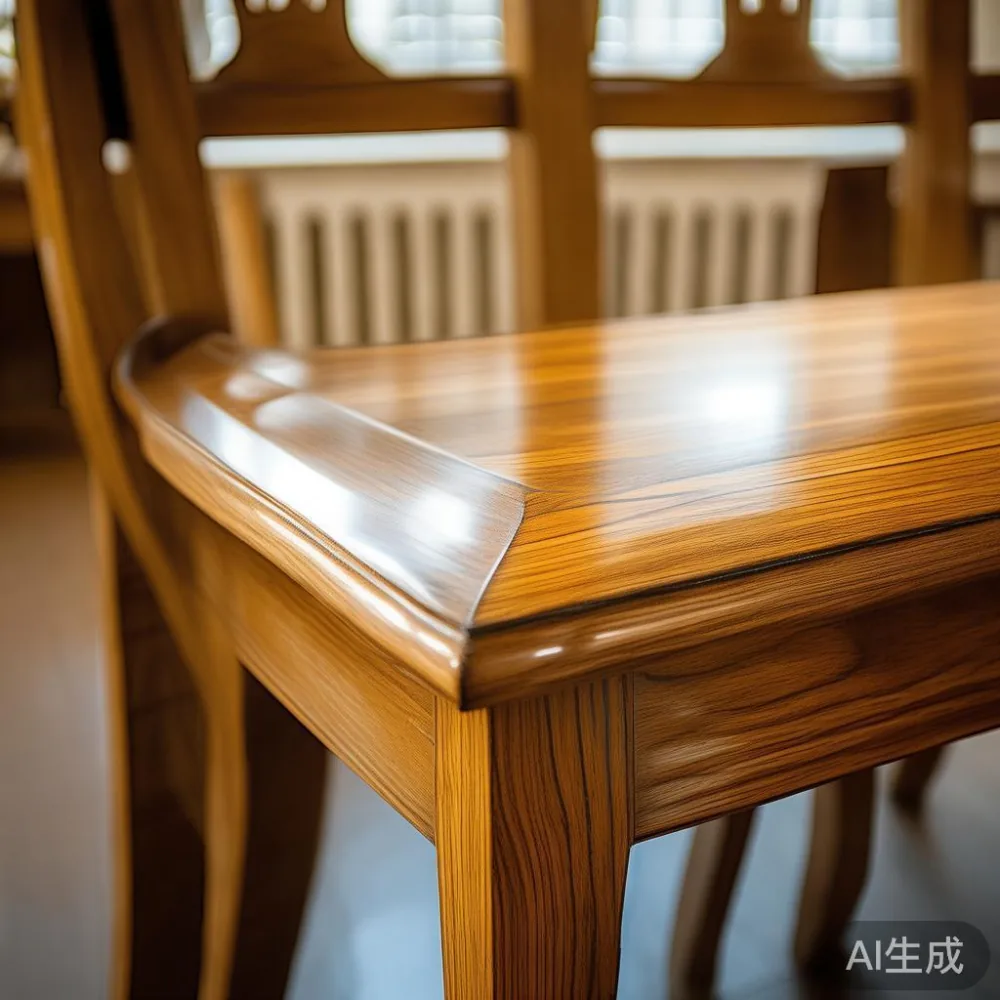
MIDHILL has been finishing solid wood furniture since 2008, and their workshop team — working with ash, walnut, and white oak — treats lacquer as a living film that reacts to its environment. The same principle applies whether you are sitting on a dining chair in a 90 sqm condo or leaning against a dining table after dinner. The wood moves; the lacquer moves with it; the room's humidity decides how gently that movement happens.
Why does Singapore's humidity punish lacquered dining chairs so quickly?
Most piano-finish and open-pore lacquers cure to a hardness of around 2H to 3H on the pencil scale, which sounds protective until you remember what the weather is doing. Indoor relative humidity in Singapore averages 70–80% year-round, and daily swings of 10–15% are normal as air-conditioners cycle on and off. Wood is hygroscopic: at 25°C it absorbs or releases moisture until it reaches an equilibrium moisture content of roughly 10–12%. Each 4% shift in EMC translates to about a 1% dimensional change across the grain. A 45 cm-wide dining chair seat can therefore expand or contract by 4–5 mm between a dry, air-conditioned afternoon and a wet evening when the balcony door is open. The lacquer stretches with it. Stretch a 90-micron film often enough and you get micro-cracks, milkiness, or that cloudy ring I saw in Bedok.
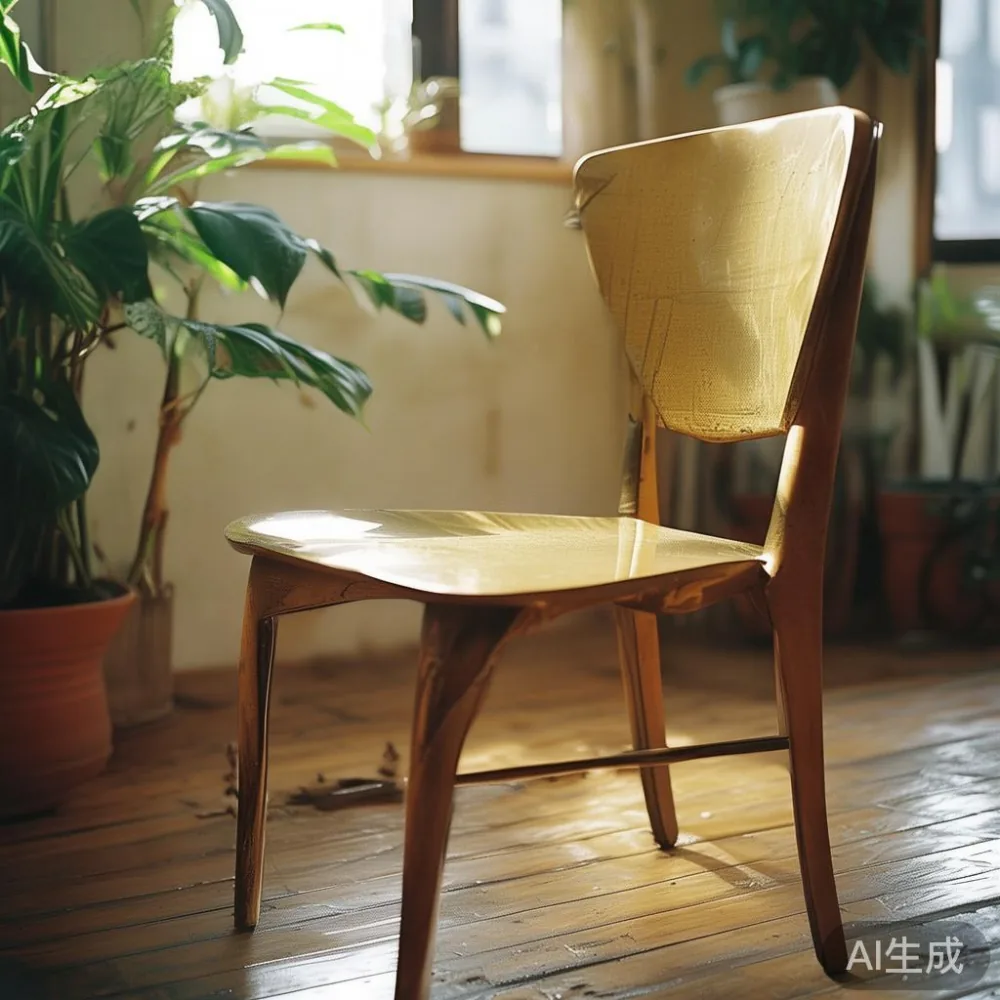
The lift in most HDB blocks measures roughly 1.6 m deep by 1.4 m wide with a 2.1 m door, which is comfortable for a flat-pack dining table but tight for a fully assembled dining chair. If your chair is delivered pre-assembled, measure your lift before ordering — a 48 cm-wide armchair will fit, a 55 cm-wide carver might not. That single constraint shapes how often you actually have to move pieces around, and how often you therefore risk knocking the lacquer against a door frame.
What is the correct weekly cleaning routine for a lacquered dining chair?
Use a soft microfiber cloth (the 280 gsm weight holds enough dust without scratching), dampened with distilled water and a single drop of pH-neutral dish soap per 250 ml. Wipe in the direction of the grain, never across it, and dry the surface within 60 seconds with a second microfiber cloth. Never use a product containing silicone, ammonia, or wax — silicone penetrates the lacquer film and makes future refinishing a nightmare, ammonia dulls the sheen within three or four applications, and wax builds up in the grain pores and yellows under UV exposure. A 500 ml bottle of pH-neutral wood soap retails for about SGD 18–24 at Tangs or Harvey Norman, and one bottle lasts a typical family roughly five months.
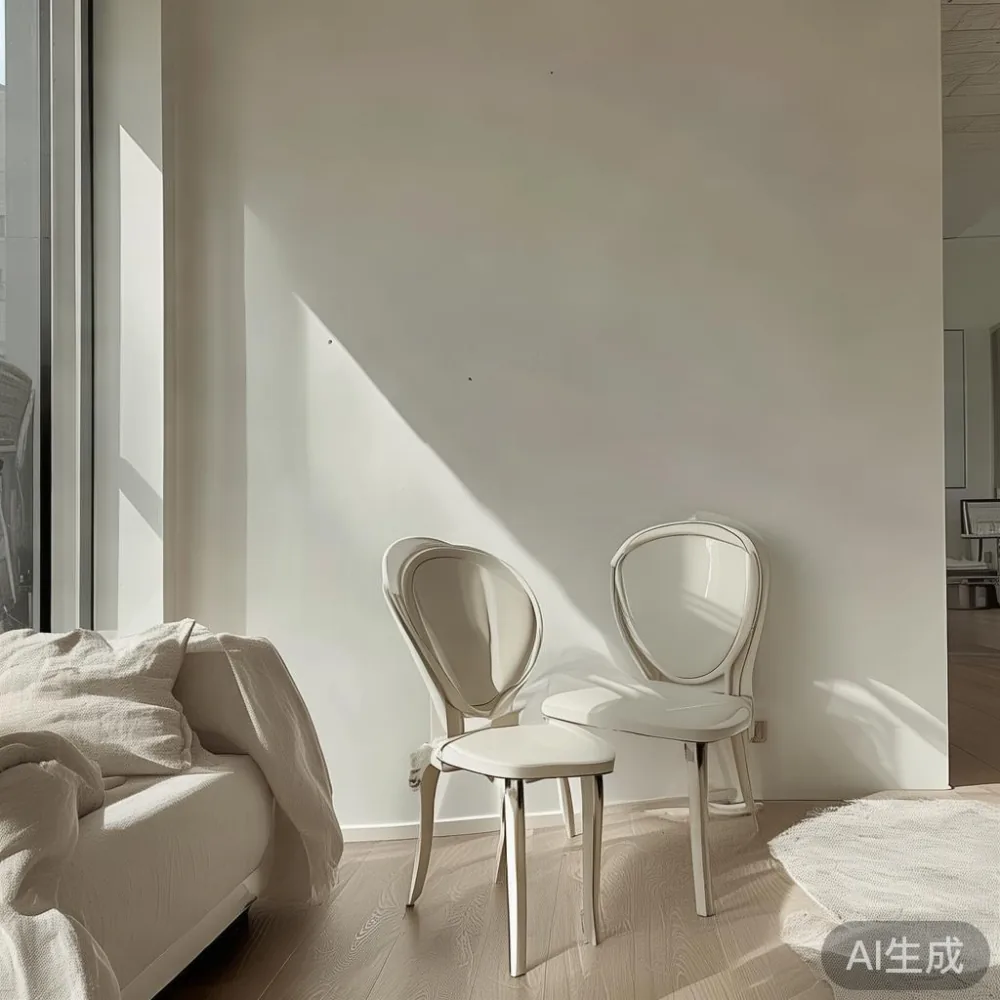
For sticky spots — sambal, soy sauce, the inevitable curry drip from a Friday night dinner — address them within 20 minutes. Use a cloth barely damp with warm water (no hotter than 40°C), then follow the dry-wipe step above. Anything stronger risks etching the lacquer film, and once etched, the only fix is a full sand-and-restyle at around SGD 80–120 per chair, which is exactly the kind of repair the 10-year structural warranty from MIDHILL exists to minimize.
How should I control humidity around my dining chairs without ruining my GST budget?
Three practical options, ordered by cost. First, a digital hygrometer (SGD 12–18 from any Challenger outlet) placed on the wall within 1.5 m of the dining set; you want a reading between 45% and 60% relative humidity. Second, a small 1.5 L dehumidifier rated at roughly 250 ml/h — perfect for a 10 sqm dining corner, drawing about 23 W, costing around SGD 0.03 per hour at Singapore's current electricity tariff. Third, if you are renovating, specify a moisture-resistant gypsum board behind the dining wall and a coat of anti-mould primer (SGD 45–60 per 5 L tin). Total spend across all three is under SGD 350, which is comfortably below the GST threshold for a single household item and far cheaper than refinishing four chairs every two years.
Air-conditioning alone does not solve humidity — a 9,000 BTU unit set to 24°C typically pulls relative humidity down to about 55%, which is the sweet spot. Anything colder risks dropping below 40%, which is too dry and can cause lacquer to check along the grain. Aim for the middle.
Can I place my dining chairs near the window or balcony, and what about Tampines afternoon sun?
Keep lacquered dining chairs at least 1.2 m away from any glass surface that receives direct afternoon sun. In a west-facing Punggol unit, the sun between 2 pm and 5 pm delivers roughly 800 W/m² of radiative heat, which can push the surface temperature of a dark dining chair above 55°C. Lacquer softens at around 60°C, and even prolonged exposure to 45–50°C accelerates UV-driven yellowing, especially on the lighter ash and white oak finishes common in post-modern light luxury collections. If your only dining spot is near the window, hang a 3-pass blackout curtain (SGD 35–55 per panel at IKEA Alexandra) and keep it drawn during peak UV hours. Your chairs will look better after year three, and so will your dining table.
For those who like to push the boat out a little on style, French light luxury tends to favour paler, satin-matte lacquers that disguise micro-scratches more easily than high-gloss piano finishes. American light luxury leans toward warm walnut tones with low-sheen conversion varnish, which is forgiving in a humid environment. Either way, position rules are the same: distance from glass, distance from the kitchen extractor hood (grease is lacquer's quiet enemy), and a felt pad under each chair leg. A pack of 16 self-adhesive felt pads costs SGD 5 and will outlast a typical tenancy.
What should I do if I notice cloudiness, micro-cracks, or sticky patches on the lacquer?
Cloudiness usually means moisture has crept into the lacquer film. Stop wiping with anything damp for 72 hours, keep the room at 50% RH, and buff gently with a dry microfiber cloth. If the cloudiness remains after a week, the damage is below the film and the chair needs professional refinishing — which, for a MIDHILL dining chair, can be requested under the lifetime refinishing service that covers one standard respray per chair per five-year period at a subsidised rate. Micro-cracks under 2 cm long can sometimes be stabilised with a wax-free shellac stick (SGD 9–14), but anything longer or branching means the film has failed and a full strip-and-recoat is the only honest fix. Sticky patches almost always indicate silicone contamination — the cure is a wipe-down with mineral spirit followed by a 24-hour rest before you resume normal cleaning.
How does caring for dining chairs compare to caring for a solid wood sofa, bed frame, or wardrobe?
The same humidity rules apply to a solid wood sofa frame, a bed frame, a dining table, a wardrobe, and a nightstand, but the risks differ. A dining chair takes the most punishment per square centimetre because hands, rings, belts, and bags scrape the same backrest and seat edges daily. A solid wood sofa sees mostly compression and the occasional spill. A wardrobe stands still and suffers mainly along the bottom edge where air is trapped. A bed frame sees little direct sun. A nightstand copes with lamp heat — keep a 25 cm clearance between any halogen or older LED bulb (above 60°C at the base) and a lacquered surface.
If you ever consider a marble table for the same dining corner, remember that marble is even less forgiving than lacquer in this climate: it etches within 30 seconds of contact with calamansi juice or vinegar, and a 1.6 m slab can weigh 180–220 kg, which rules out most HDB lifts above the 14th floor. Lacquered ash, by contrast, keeps the weight of a dining chair to about 4.8–5.4 kg per piece — easy to lift, easy to reposition, easy to maintain.
Are there everyday habits that will keep my dining chairs looking new for the next ten years?
Yes, and they are all small. Wipe before bed, not just after dinner — overnight dust carries more moisture than you think. Rotate chairs once a month so the same seat does not always face the window. Lift, do not drag, even on carpet — a 5 kg chair dragged 30 cm leaves micro-gouges on the lacquer underneath the front legs. Keep a small SGD 6 can of paste wax (natural, non-silicone) for a six-monthly buff that restores depth without building a film. And if you ever lend a chair to a neighbour for a gathering, hand it over with a felt pad already on the legs; you will not regret the habit.
One last detail that often gets missed in Singapore households: the corridor outside your HDB unit is shared, and movers, plumbers, and occasional pasar-malam deliveries pass through with wet umbrellas and steel carts. If you store your dining chairs near the corridor door during a deep clean, lay a dry towel on the floor and keep them 30 cm off the tile. The 15 seconds of care prevent the 15 days of cloudiness.
Where can I read more about dining chair styling and small-space dining ideas?
Readers who want to broaden the conversation often look for inspiration on related collections — under 2000 Boho furniture sets that pair well with ash frames, or guides on how to style a French wardrobe in apartment layouts where the dining zone shares space with the living room. For those comparing seating options, the round-ups of top 10 French furniture houses offer a useful reference point against which any Asian-made solid wood dining chair can be measured. And if you find yourself browsing for a wider refresh, a guide on how to choose a Japanese wardrobe sits comfortably alongside a decision on dining seating, because the same climate logic applies to both.
For larger living spaces, suggestions on Modern for small living room layouts help anchor a dining corner visually, and a quick scan of the best Modern sofa for 2026 can keep the palette consistent across room zones. Any specific questions on lacquer care, warranty transfers, or delivery scheduling into a Tampines or Punggol block can be sent to midhillco@gmail.com, where the team responds within one working day.