Caring for Lacquered Dining Chairs in a Tropical Climate
I still remember the afternoon I visited a new-launch condo in Punggol with my colleague, where the showroom had lined up six glossy lacquered dining chairs against a faux-marble dining table. The AC was humming at 22°C and the lacquer looked glassy and perfect. Twenty minutes later, after a short walk to the lift lobby and a quick stand on the corridor, my colleague ran her finger along one chair's armrest and held it up: a faint cloudy film. That single moment made me want to write this guide. If you live in Singapore, where outdoor humidity hovers between 70% and 90% for most of the year and indoor temperatures sit at 28-31°C, lacquered dining chairs need a specific care routine, especially when they are part of a coordinated solid wood set delivered to an HDB in Tampines or a condo in Bedok.
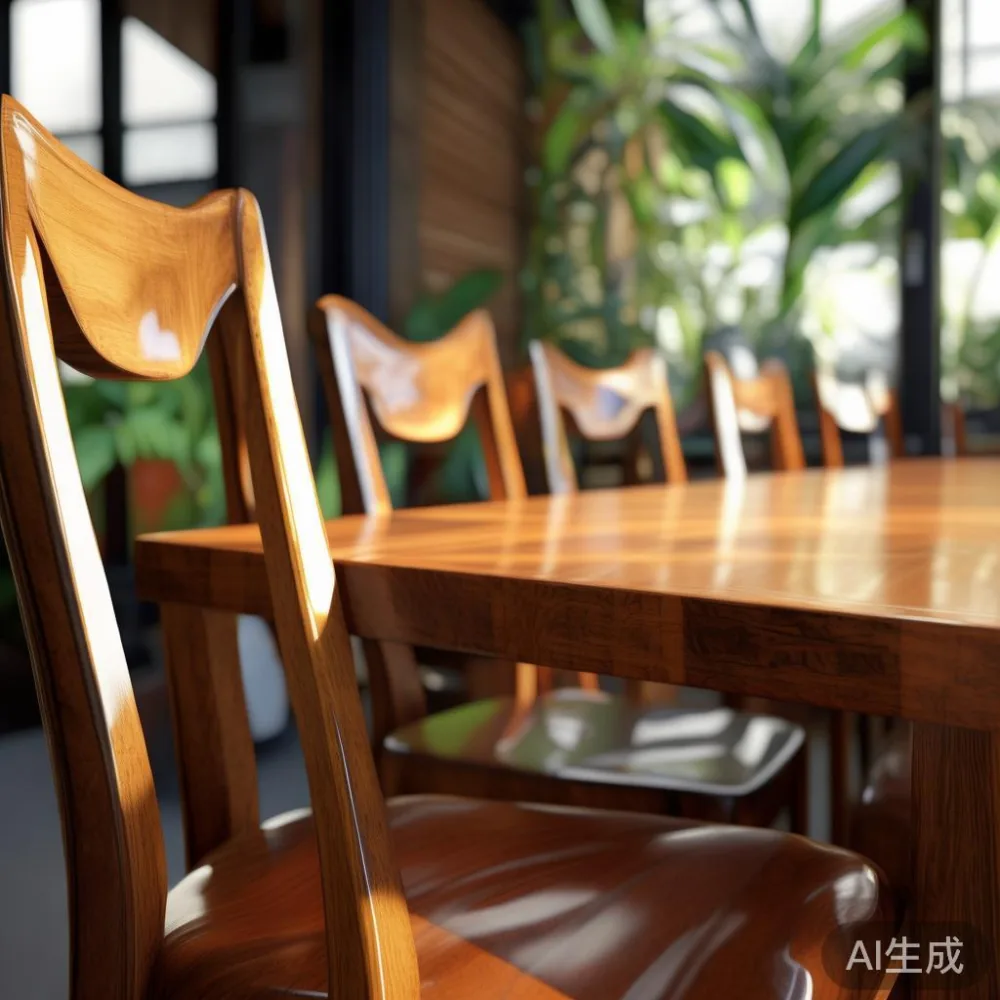
MIDHILL, a Foshan-based solid wood furniture maker established in 2008, ships its lacquered dining chairs across more than 15 countries. Their standard pieces pair well with a matching solid wood sofa, bed frame, wardrobe, nightstand, or marble table, and the showroom patterns are often sold as coordinated sets rather than single items. Knowing how humidity, UV, salt air from east-coast windows, and corridor logistics affect a lacquered finish helps you protect the whole set, not just the chair under your plate.
Why does Singapore's tropical climate attack lacquered dining chairs?
Lacquer is a hard, glossy film, often nitrocellulose, acid-catalysed (AC), or polyurethane, applied over solid wood. It is beautiful, but it is not a sealed pressure vessel. In Singapore, three forces attack the film constantly: relative humidity above 70% for most of the year, indoor temperatures that swing 4-6°C between the air-con evening and a fan-only afternoon, and UV that pours through east-facing windows from around 7am to 11am. Together, they cause the wood underneath to expand and contract, which makes the lacquer micro-flex thousands of times a year. Over 18-36 months that flex shows up as hairline cracks, cloudiness (called blush), or yellowing.
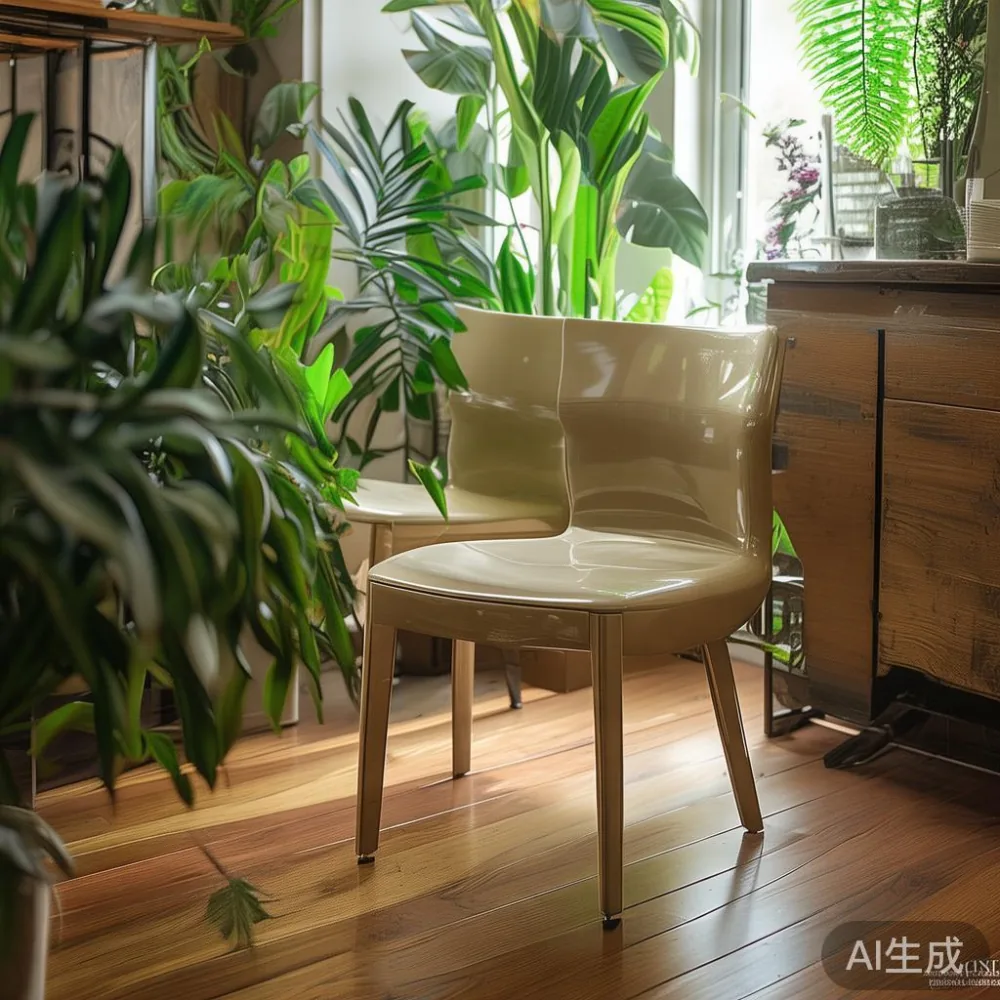
Add the salt-air corridor effect. HDB blocks in Tampines and Bedok sit close to the strait; even condos 5-8 km inland register measurable chloride on glass during monsoon surges. Salt crystals settle on lacquer, attract moisture, and hold it against the film. Lift lobbies are another micro-climate: many new condos run them at 26°C with 60% RH set-point, so when you wheel a chair in from a service lift the temperature delta can be 4-5°C in under a minute. Repeated, that stresses every joint on a solid wood frame.
Good news: a routine of 6-8 minutes per chair per week prevents 90% of what I see on the floor of the MIDHILL service centre.
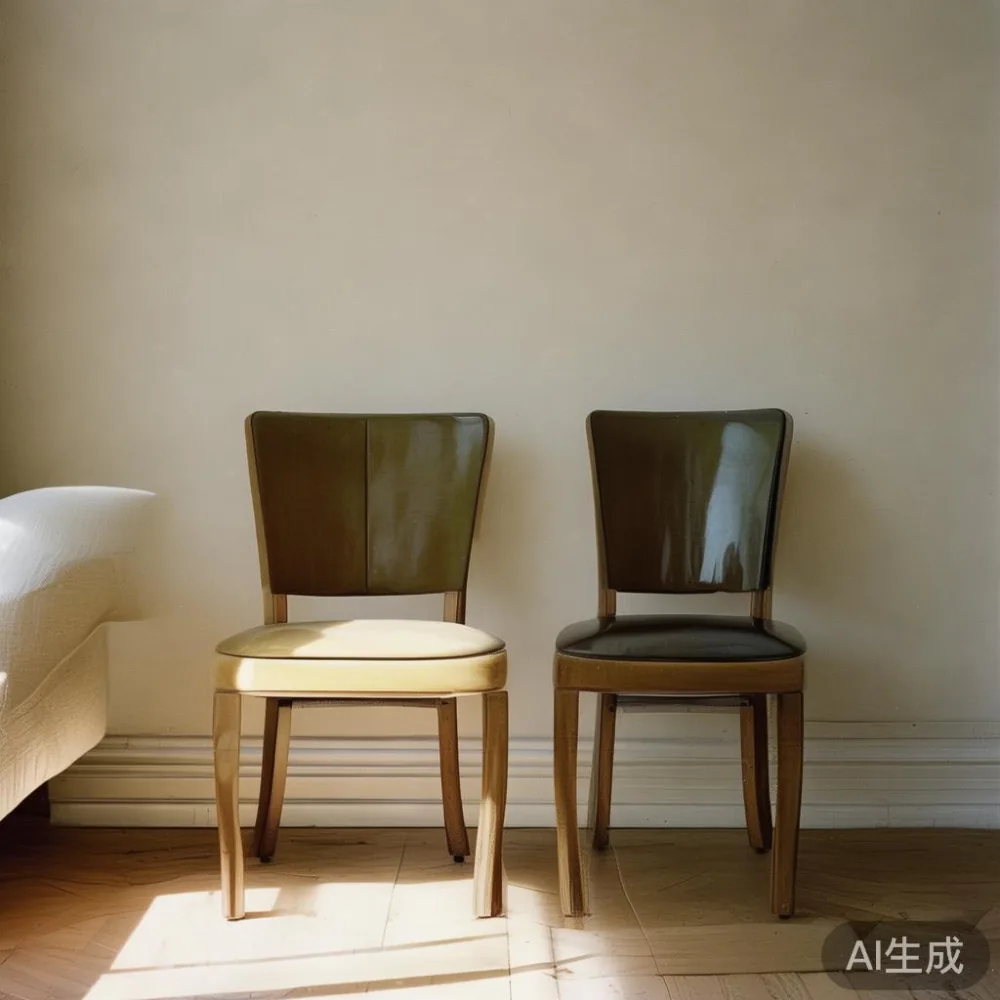
What is the best weekly routine for lacquered dining chairs in Singapore?
Keep it boring, keep it consistent. Once a week, dust with a clean microfiber cloth (GSM 300 or higher), then wipe with a barely-damp second cloth using distilled water only. Hard tap water in Singapore leaves calcium spots that build up over 8-12 weeks and dull the gloss. Dry immediately with a third dry microfiber. That is the whole routine for a normal week. Total time: 6-8 minutes per chair. Cost: a 3-pack of good microfiber cloths is around SGD 18-25 and lasts 6-9 months.
Every two weeks, add one drop of pH-neutral furniture polish per chair arm and backrest. Avoid silicone-heavy sprays. They look great on day one and trap moisture against the film by week three, which is exactly what you do not want here. If a spill happens, blot, do not wipe. Wiping lacquer with any liquid drags it across the film and creates micro-scratches you can only see under raking light at 7pm.
How do you handle spills, sunscreen, and curry on lacquered dining chairs?
Singapore eats with strong colour: laksa, rendang, turmeric rice. Those pigments plus the acidity in tomato-based dishes will etch lacquer in under 15 minutes if left. Wipe curry drips with a cloth dampened in distilled water and a single drop of mild dish soap (pH 6-7). Rinse the cloth, wipe again to remove soap residue, dry. The whole process should take under 40 seconds. Do not use vinegar, lemon juice, or any citrus cleaner; the acid softens AC lacquer and leaves a permanent dull patch.
Sunscreen is the silent killer. Apply at 8am, sit down for breakfast at 9, and the chair backrest now has a film of avobenzone and octocrylene on it. Over 4-6 weeks that film yellows and becomes sticky. Wipe the backrest and armrests with a dry microfiber every Friday before your weekly dust. For a deeper clean, use a cloth barely dampened with isopropyl alcohol diluted 1:1 with distilled water, then dry immediately. Test on the underside of the rear leg first; let it sit for 60 seconds.
What about the move-in itself, can lacquered dining chairs survive HDB lifts and narrow corridors?
Yes, with planning. Standard HDB passenger lifts in 3-room and 4-room flats in Tampines and Punggol are 1.0-1.1 m deep and 1.3-1.4 m wide with a door opening of about 0.9 m. A typical MIDHILL solid wood dining chair is 45-48 cm wide, 50-52 cm deep, and 85-90 cm tall, so it fits upright with roughly 25 cm to spare on every side. Most new condos in Bedok and Punggol have wider service lifts (1.5 m deep, 1.6 m wide), which is the cleaner option.
Wrap each chair in a 120 gsm moving blanket (SGD 4-6 per piece from any Tampines Mart moving supplier) and secure with paper tape, never plastic tape directly on the lacquer. Plastic tape adhesive cures onto AC lacquer over 6-12 hours and pulls the finish off when removed. Carry chairs by the seat frame, not the backrest spindles, because that is where the lacquer is thinnest. If your corridor turn has a tight 90° at the lift lobby, angle the chair to 45° and walk it through. Allow 8-10 minutes per floor for a four-person HDB unit move.
MIDHILL's logistics team pre-schedules a 60-90 minute window and brings cotton-blanket wraps as standard; free shipping kicks in above US$350, which at today's exchange sits around SGD 470, well below the cost of two dining chairs and a marble table in most configurations.
How do you control humidity around lacquered dining chairs without overpaying for air-con?
You do not need to dehumidify the whole flat. Focus on the dining area. Two practical moves work in 9 out of 10 Singapore homes. First, run the dining-area air-con for 30 minutes before dinner on humid nights (the RH drops from 80% to 65% in that window, which is enough to reduce lacquer stress). Second, place a small dehumidifier cup (silica or reusable calcium chloride) on a shelf 1.5 m above the floor; it keeps a 9-12 m² dining zone 5-8% lower in RH than the rest of the flat. A reusable cup is SGD 12-18 and lasts 2-3 months before recharging.
Do not place dining chairs directly against an exterior wall, especially on the south or west side. A 25 cm gap keeps the backrest out of the condensation zone that forms on air-conditioned walls at 22°C meeting 31°C outdoor air. If the dining table must sit against the wall, rotate the chairs 90° every two weeks so the same backrest is not always in the cool spot.
How long should lacquered dining chairs last in Singapore with proper care?
With the routine above, expect 10-15 years of daily-use life from a solid wood dining chair with a quality AC lacquer topcoat. The finish itself will need a refresh around year 8-10. MIDHILL includes lifetime refinishing on structural pieces, meaning the factory will sand back and re-lacquer a chair for the cost of freight only, roughly SGD 80-120 round-trip per pair from Singapore. That is much cheaper than replacing a solid wood chair, which in this category runs SGD 320-680 per seat depending on upholstery and back style.
A warranty point worth noting: MIDHILL's structural warranty runs 10 years on frame integrity (joints, rails, stretchers). Lacquer is a finish, not a structural element, so the warranty covers cracks that originate in the wood, not surface wear. Keep your invoice and the care card that ships in the carton; both are required for any refinishing claim. Returns within 14 days are accepted on standard configurations, which gives you a fair window to inspect the finish under your own dining-room light.
Is Italian light luxury bed frame furniture worth it?
Yes, when the brand treats the bedroom set as one engineered system rather than four loose pieces, Italian light luxury bed frame furniture delivers measurable value in tropical climates because the lacquers, wood selection, and joinery are specified for humidity swings that closely mirror Singapore's. A matched bed frame, nightstand, and wardrobe from one maker reduces wood-movement mismatch, and the finish warranty usually covers 8-12 years versus the 3-5 years common on mass-market pieces.
For Singapore owners weighing the upgrade, run the math on the three numbers that actually matter: price per piece (a coordinated Italian light luxury bed frame in Singapore retails around SGD 2,400-4,800, the matching nightstand SGD 880-1,600, the wardrobe SGD 3,200-6,500), finish warranty length (aim for 8+ years), and refinishing terms (lifetime is rare, 10-year is common, anything shorter is a red flag in our climate). When all three align, the answer to whether it is worth it is clearly yes for owners planning to stay in the same HDB or condo for 8-10 years. If you move every 3 years, the same dollar buys better flexibility in a solid wood sofa or dining table you can reconfigure room to room. American light luxury and post-modern light luxury lines follow similar logic but tend to use thicker matte lacquers that hide micro-scratches better, which is a real advantage in a household with children under 10.
What should you do in the first 30 days after delivery?
Let the chairs acclimatise. Singapore cartons are often held in a non-AC warehouse before delivery; the wood and lacquer arrive colder and drier than your dining room. Leave the cartons closed for 4 hours in the dining area, then unwrap, unwrap completely (do not leave blankets on for storage), and let the chairs breathe for 48 hours before first use. During those 48 hours the lacquer off-gasses and the wood equalises to roughly 27-29°C and 70-75% RH.
Day 3: do the water test. Put one drop of distilled water on the underside of a rear leg. If it beads for 30 seconds, the lacquer cured well in transit. If it soaks in within 10 seconds, document with a photo and contact the supplier within the 14-day return window; that level of porosity signals a finish issue, not a care problem. Day 7: first polish with a pH-neutral product, one drop per chair. Day 30: full inspection under raking light at sunset, the worst angle for spotting orange peel or dust nibs in the film. Anything visible at day 30 will only get more visible over the next 12 months, so flag it now.
When is it time to call a professional instead of doing it yourself?
Three triggers. First, blush or cloudiness that does not lift after two weeks of dry microfiber wiping. Second, cracking you can feel with a fingernail, not just see. Third, lifting at joints, where the lacquer peels back from the wood by 1 mm or more. Any of these means the film has failed at the bond level and a home polish will not fix it. Send the chair for factory refinishing rather than a local spray shop. Local shops in Singapore charge SGD 120-220 per chair for a respray, but the lacquer system, sheen level, and cure window rarely match the original, and the colour shift shows up within a year under our UV.
A factory refinish through the original maker takes 6-10 weeks door-to-door and costs roughly SGD 80-120 per chair for freight plus a small labour fee on first claim. The result matches the original sheen within 5% and comes with a fresh 3-year touch-up warranty on the refinished panels. That is the standard to aim for, and it is one reason a coordinated purchase from a single maker such as MIDHILL pays off across the life of the furniture, not just at the point of sale.
A short checklist before you commit
Before you click order, measure the lift and the tightest corridor corner in your block, write down the RH at 9pm for three nights in a row (a SGD 25 hygrometer from any Bedok Mall electronics counter is enough), and decide where the dining set will sit relative to the nearest exterior wall. If RH reads above 78% nightly and the dining spot is against an exterior wall, plan for a small dehumidifier cup and a 25 cm chair-to-wall gap from day one. If RH sits below 75% and the dining area is interior, the standard weekly routine is all you need. Either way, lacquered dining chairs in Singapore reward boring, consistent care, not heroics, and the chairs you maintain this way will still be serviceable when the next HDB en-bloc cycle comes around.