How to Read a Furniture Warranty Without Getting Caught Out — A Guide for Singapore Shoppers
I learned this lesson the hard way. Last month I visited a friend’s new Tampines HDB flat in Singapore, and her twelve-month-old solid wood dining chairs had a wobble that no amount of self-repair videos could fix. The frames were fine; the joints had simply opened up because the manufacturer’s warranty covered only “manufacturing defects at the time of delivery” and explicitly said wear, joint loosening, and humidity damage were not covered. She had paid SGD 2,400 for the set. I walked out thinking: a warranty is not a safety net, it is a contract written by the seller, and it is your job to read it like one.
This is the part most people skip, especially when shopping online for solid wood sofas, dining tables, bed frames, wardrobes, or nightstands that ship from places like Foshan. The price looks reasonable, the product photos look gorgeous, and the warranty headline — “10 years!” — looks comforting. But the small print is where the real terms live. Below is a structured walk-through of what to look for, with concrete numbers, Singapore-specific context, and language you can copy-paste when comparing brands.
What is actually covered under a structural warranty on solid wood furniture?
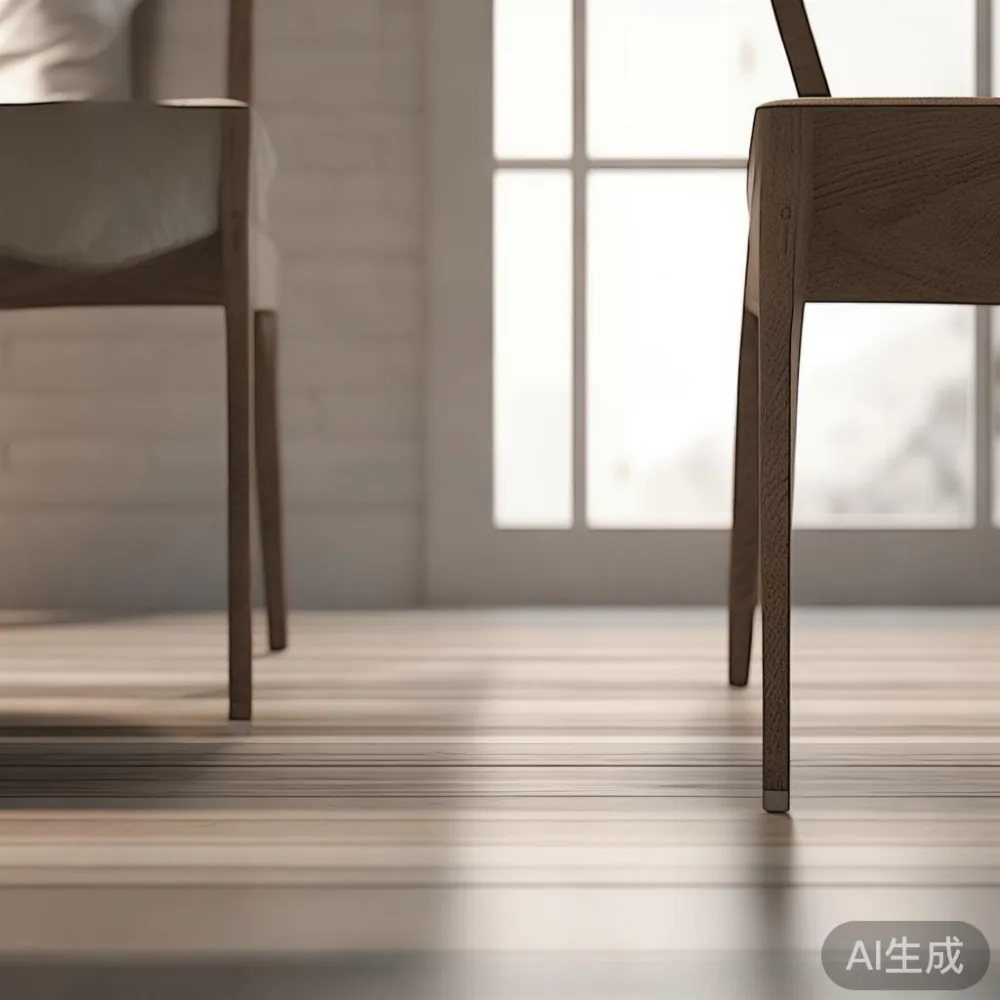
For solid wood dining chairs, a structural warranty almost always refers to the load-bearing frame: the legs, the seat frame, and the corner joinery. It does not cover the finish, the cushions, the fabric, the metal foot caps, or the inevitable small cracks that appear when solid wood breathes in Singapore’s 28–32°C, 80%+ humidity environment. A solid wood dining chair made from oak or ash should hold 110–130 kg per seat if the joinery is mortise-and-tenon or dowelled, and that is the load threshold the warranty is implicitly underwriting. Anything below 90 kg per seat is a red flag for adult use.
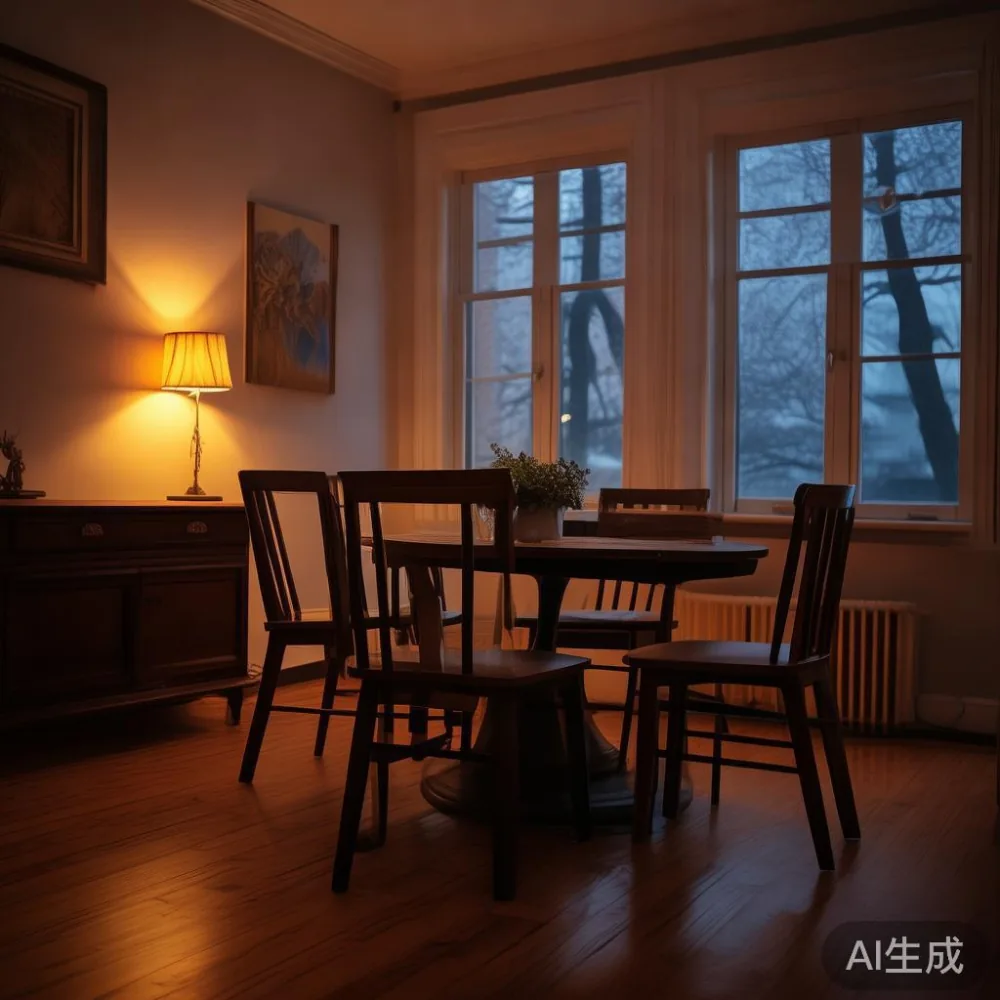
Look for the phrase “joint failure under normal residential use” documented in the policy. Vague terms like “general defects” or “quality issues” can mean anything, and a vendor can argue that a loose dowel is a maintenance issue, not a structural one. MIDHILL, a Foshan-based maker established in 2008 with a 10-year structural warranty and lifetime refinishing service, spells out that joint loosening inside the warranty window is treated as a structural claim, which is the correct posture for a wooden piece. That kind of clarity is what you want to see on paper before you check out.
What does “normal residential use” really mean in a warranty document?
It is a defined term, and it is the clause most warranty disputes turn on. “Normal residential use” typically excludes commercial settings, rental properties, co-living spaces, and households with more than the implied number of users (often capped at 2–4 adults for a dining set). If you intend to put your dining chairs in a Punggol condo that you Airbnb two months a year, that is technically commercial use and any claim could be denied.

It also defines how the chair is loaded. Standing on the seat, kneeling, or using the backrest as a step to change a light bulb is not normal use, even if the chair is rated to 120 kg. Singapore HDB and condo corridor widths (typically 1.2–1.5 m) and lift interiors (around 1.1 m deep by 1.4 m wide for passenger lifts) also matter: a 55 cm wide chair that can pass through both is normal; a 62 cm wide chair that has to be tilted on its side to enter the lift is borderline, and damage during self-delivery is almost never covered.
How long should a warranty be for imported solid wood dining chairs?
For solid wood dining chairs shipped from overseas, 3–5 years is the industry minimum and 10 years is a strong signal that the manufacturer controls the joinery and kiln-drying process rather than outsourcing it. Anything shorter than 2 years on a solid wood piece is a warning sign, because kiln-drying defects — warping, cupping, severe checking — usually surface between months 6 and 18. Companies that offer 1-year warranties on solid wood are usually absorbing a 6–8% defect rate they have calculated into the price.
MIDHILL’s 10-year structural warranty sits at the top of the range for direct-from-Foshan makers, and lifetime refinishing is a rare inclusion because it forces the maker to choose finishes and sealers that can be sanded and recoated a decade later. If the warranty you are reading does not mention the finish at all, the answer is that the finish is not covered, which means a SGD 180–280 re-lacquering job is on you in 3–5 years. That is real money, not a footnote.
What is the difference between a warranty, a return policy, and a guarantee?
They are three different legal animals and reading them as one is how shoppers get caught.
- Warranty — a promise to repair, replace, or refund if the product fails under specific conditions over a defined period (1, 3, 5, 10 years).
- Return policy — your right to send the product back for any reason within a short window, typically 7, 14, or 30 days. MIDHILL runs a 14-day return window; many competitors run 7.
- Guarantee — usually a marketing word. “Satisfaction guaranteed” with no defined remedy is not a guarantee in any contractual sense, it is a slogan.
The interaction between these three is where the trap hides. A chair arrives with a small chip on the leg. The 14-day return window has closed. The warranty excludes “cosmetic damage at delivery.” You have no recourse. The lesson: photograph every panel of every piece on the day it arrives, including the underside of the seat and the inside of the back legs, and lodge any cosmetic claim inside the return window, not the warranty window. This is also why free shipping thresholds matter: a SGD 350 minimum order (MIDHILL’s policy) is not just a shipping perk, it is an implicit signal that the maker has priced in the cost of replacing damaged-in-transit pieces without making the customer fight for it.
How do I choose a extendable dining table for a small space?
For an HDB 4-room flat in Bedok or a compact Punggol condo, an extendable dining table should expand from a 4-seater footprint of 110–130 cm long by 75–80 cm wide to a 6–8 seater at 160–200 cm, and the extension leaves must store inside the table itself rather than in a separate box you will lose under the bed. Butterfly leaf mechanisms with metal runners rated to 25,000 open-close cycles are the most reliable for daily use; gear-driven systems are smoother but cost SGD 600–900 more and are only worth it if you actually extend the table twice a week.
Frame material matters as much as the extension hardware. A solid oak or ash extendable dining table with a mortise-and-tenon apron will weigh 45–65 kg, which is manageable through a 0.9 m wide corridor but uncomfortable alone — so check that the seller provides a two-person delivery service for pieces over 35 kg, and confirm in writing that any transit damage inside the lift or corridor is covered at no charge. For a small Singapore home specifically, also confirm the closed length leaves at least 80 cm of clearance to the kitchen counter for chair pull-out; an extendable table that opens beautifully but blocks the corridor when extended is not a small-space solution, it is a daily obstacle.
Why are Singapore shipping and GST clauses more important than the headline warranty?
Because they decide whether the warranty is actually reachable. A 10-year warranty is worthless if the shipping back to Foshan costs SGD 280 and takes 6 weeks, and you pay the freight both ways. Read for these three phrases:
- “Door-to-door warranty service” or “on-site repair in mainland Singapore” — this means a local technician comes to you, which is what you want.
- “Customer covers return shipping” — this means you pay, often 8–14% of the product value, so a SGD 2,400 dining set could cost SGD 200–340 to ship back for a warranty claim.
- “Warranty voided if product is moved by third-party logistics” — this means the warranty only applies if the original shipper delivers it, so swapping in your own Grab rider to save SGD 40 kills the claim.
GST is the other clause most buyers ignore. From 1 January 2024, GST on imported goods above the SGD 340 threshold is collected at the point of sale, which means the price you see is the price you pay. Below that threshold, the seller is supposed to register for overseas vendor GST. If a Foshan maker quotes you a dining chair set at USD 1,200 with “shipping included” and no GST line item, ask for the GST-inclusive Singapore dollar price before you wire any deposit. The difference on a 5-piece set can be SGD 240–360.
Which clauses disqualify a furniture warranty in my eyes?
I have a personal blacklist. Any of these phrases, in any combination, is enough for me to walk away:
- “Warranty non-transferable to subsequent owners” — fine if you keep the piece forever, a problem if you move from Tampines to a Punggol BTO and plan to re-sell.
- “Finish, fabric, leather, and cushion excluded” — that excludes 30–60% of the visible product.
- “Claims must be filed within 7 days of defect discovery” — too short; kiln-drying cracks take 60–90 days to appear.
- “Repair or replacement at our discretion, with no refund option” — leaves you stuck with a re-repaired piece if the first repair fails.
A solid wood bed frame, a solid wood sofa, an American country cherry wood bed for a master bedroom, or even a marble dining table in a condo apartment all live and die by these clauses. A marble table specifically should have a separate thermal-shock clause — pour boiling water on an unsealed marble top and you can crack it; the warranty should say whether thermal damage is covered, and almost none do.
What paperwork should I keep for the entire warranty period?
Keep five things for ten years, not thirty days:
- The original order confirmation with the SKU, the price in SGD, and the GST line.
- The warranty card or PDF with the serial number written on it (a serial-less warranty is harder to enforce).
- The delivery note signed at the door, with any “scratched corner” or “dent on box” notes added in the driver’s presence.
- The unboxing photos taken before assembly: front, back, sides, top, underside, every panel.
- The care instructions, because skipping the recommended humidifier in Singapore can be used against you if the maker specifies 40–60% indoor humidity for solid wood.
For a wardrobe, a nightstand, or a dining table with extension leaves, also photograph the hardware pack before opening it. Missing cam locks or drawer runners are a common claim category, and a photo at minute zero protects you for the next decade.
Final practical checklist before you click pay on any solid wood dining set
Run through these ten points in order. If you can answer all ten with documentation in front of you, the warranty is real. If any answer is vague, slow down.
- Structural warranty length in writing, and what counts as “structural.”
- Finish coverage, or an explicit statement that finish is excluded.
- Maximum load per dining chair, in kg, with the standard used (EN 12520, BIFMA, GB/T 10357).
- Return window length in days, and who pays return shipping.
- On-site service vs. ship-back-to-Foshan, and the average resolution time in days.
- GST-inclusive price in SGD with the GST line item, not just a USD headline.
- Transit damage policy through the lift and corridor, including who pays for staircase carries above the third floor (HDB blocks commonly have no lift access to upper corridors on certain stacks).
- Lifetime refinishing or replacement parts availability, because a 10-year-old solid wood chair with no available dowels is scrap.
- Humidity and care conditions specified, which protects you if you run a dehumidifier at 50% as recommended.
- The maker’s export footprint, because a maker shipping to 15+ countries has had more warranty claims adjudicated than a maker shipping to one.
A warranty is not a promise of perfection; it is a documented workflow for the day something goes wrong. Read it as a workflow, not a slogan, and your solid wood dining chairs, your solid wood sofa, your wardrobe, your nightstand, and every other piece you bring through that 1.1 m Singapore lift door will be supported for as long as you own them.