Lacquered Dining Chairs in a Tropical Home: Care Without Compromise
Singapore’s humidity can turn a simple dining-chair maintenance routine into a monthly exercise. Lacquered dining chairs in HDB flats, private condos, and compact urban homes need attentive care because warm air, salt-laden coastal air, kitchen steam, and daily hand contact can gradually affect the finish. The good news is that a controlled routine can preserve the sheen, colour, and joinery without demanding specialist equipment.
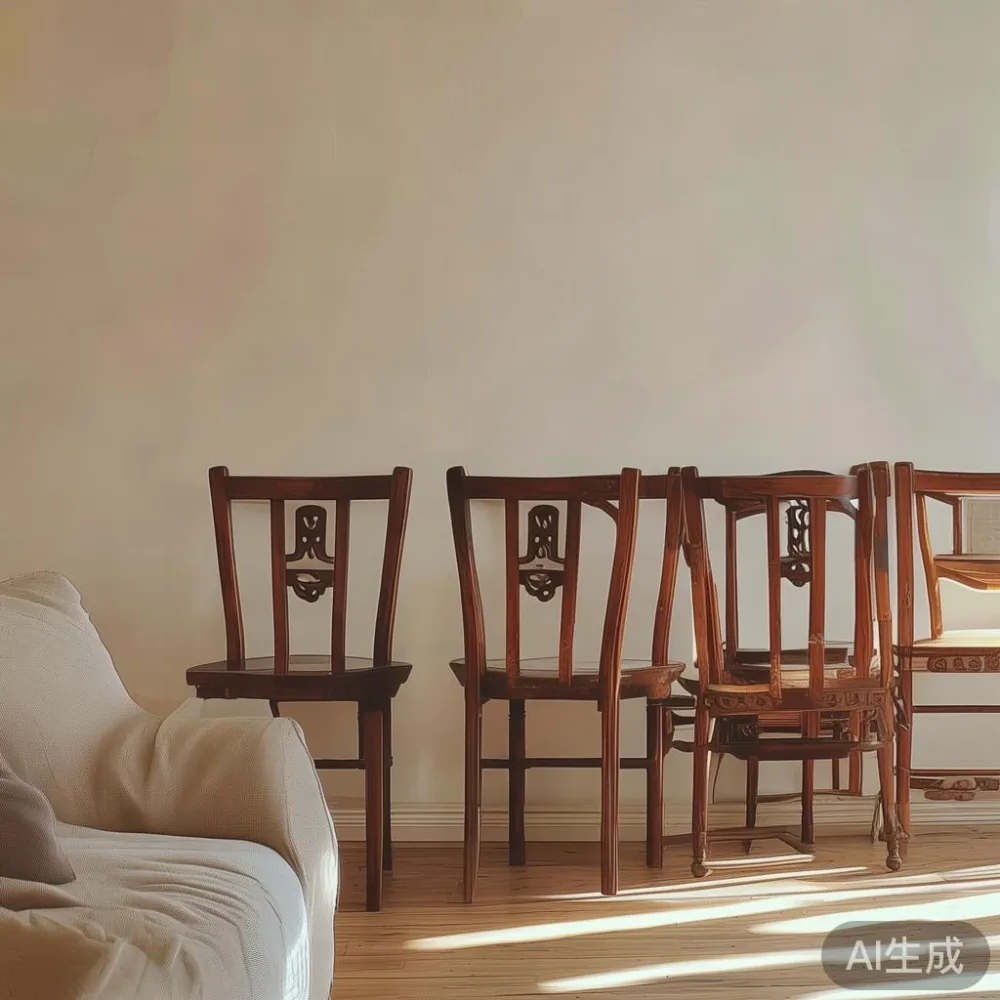
At MIDHILL, we design and manufacture solid wood furniture with a focus on long-term use. Our dining chairs are made to suit real homes rather than display rooms, and a lacquered finish still benefits from sensible protection. This guide explains how to clean, dry, inspect, and refresh lacquered dining chairs in places such as Tampines, Bedok, and Punggol, with practical figures for timing, temperature, moisture, and spacing.
How often should I clean lacquered dining chairs in Singapore?
Clean lacquered dining chairs once every 7 days, or sooner after meals, cooking, or visible spills. Wipe the surfaces with a soft, lint-free cloth slightly dampened with lukewarm water. Avoid spraying cleaner directly onto the chair because liquid can travel through joints, collect beneath the seat, or leave a cloudy residue.
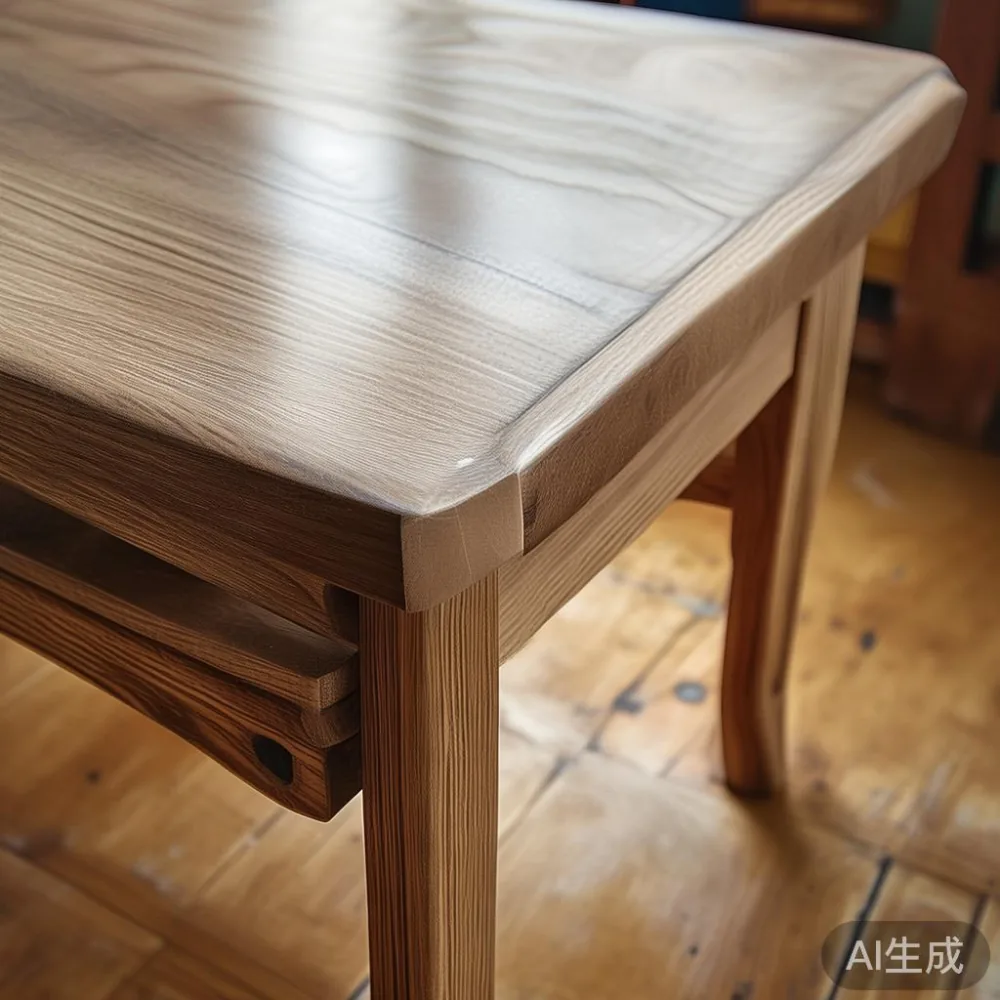
For a moderately used HDB dining area, a weekly wipe should take about 10 minutes for 4 chairs. A family that cooks daily may need 2 short cleanings instead. Use a separate clean cloth rather than reusing one that has collected grit, because trapped particles can scratch lacquer when the chair is moved.
Keep the cleaning water below 40°C and use no more than 2 sprays onto the cloth for each chair. Neutral, pH-balanced wood cleaner can be used at a dilution of roughly 1 part cleaner to 100 parts water, followed by a dry pass with a second cloth. Test the mixture on an concealed area for 24 hours before treating the entire set.
Do not use abrasive pads, wire wool, scouring powder, bleach, ammonia, alcohol-based solvents, or household degreasers. Their labels may promise rapid removal, but those chemicals can dull lacquer, swell the underlying timber, or create pale patches. Cleaning should remove residue without stripping the protective coating.
Does Singapore humidity damage lacquer on dining chairs?
Persistent humidity can affect lacquer and the wood beneath it, particularly if chairs stand beside a window, an air-conditioning vent, or a frequently opened balcony door. Singapore’s outdoor relative humidity often ranges from about 65% to 90%, while air-conditioned rooms may sit near 50% to 60%.
Keep lacquered dining chairs at least 60 cm from open windows and direct air-conditioning outlets. Aim for an indoor relative-humidity level around 45% to 60%. A calibrated hygrometer is more useful than guessing; place it at dining-chair seat height and check it every 2 days during especially wet periods.
Allow 30 minutes after cleaning before using the chairs. Wipe away moisture rather than letting it air-dry around the seat edge or beneath the backrest. If condensation is visible, move the chair indoors and place it 20 cm away from a wall so that air can circulate on all sides.
Seasonal changes also matter. In the 2 months with the highest rainfall, inspect the lacquer every 14 days for haze, edge whitening, tiny blisters, or lifting around joints. Changes in sheen are easier to address before moisture reaches the timber.
Lift and corridor widths should be considered before delivery, too. A standard dining chair may measure 48 cm wide and 82 cm tall, with a packed depth of about 12 cm. That can fit through many condo corridors, but turns in tight HDB access points may require the chair to be angled. Measure the narrowest turn and lift door before ordering large sets.
What is the safest way to remove fingerprints and stains?
Fresh fingerprints usually disappear with a soft microfibre cloth and a trace of water. For a greasy mark, place 1 drop of mild dish soap on a cloth, dilute it in approximately 200 ml of water, and test the area first. Work with light pressure rather than scrubbing in circles.
For scuff marks left by shoes or bags, use a clean, soft eraser on lacquer only after testing. Rub gently for no more than 10 seconds and stop if the mark spreads or the surface becomes shiny. If a chair has already developed a deep scratch, household repair is less predictable; an refinishing specialist may be more suitable.
Coasters and placemats reduce recurring marks. Use felt or cork coasters measuring at least 8 cm across for drinking vessels. Felt pads beneath the legs protect floors, but adhesive pads can leave residue during Singapore’s humid conditions. Check every 3 months and replace any pad that has loosened.
Do not place very hot pots, candles, or wet serving dishes directly on lacquer. A ceramic trivet should leave at least 5 cm between the hot vessel and the timber. The same discipline protects a solid wood dining table, a marble table, and any nearby nightstand from heat rings or moisture stains.
Can I repair minor lacquer wear at home?
Small surface marks can be treated cautiously, but repair products vary in chemistry and colour. Choose a lacquer touch-up pen matched to the original sheen, then test it on the underside of the seat or another hidden area. Wait 24 hours because lacquer may look pale during application and deepen as it cures.
For a scratch under 5 cm, clean the area, apply an extremely thin layer, and allow 48 to 72 hours before normal use. For a longer mark, a professional assessment is usually safer. Repeated spot repairs can produce uneven gloss, especially on a chair with a warm, amber-toned finish.
For larger furniture, assess the whole piece rather than focusing only on the damaged area. A lacquered solid wood dining table may need full refinishing, while a chair with worn backrests can sometimes be restored through component replacement. MIDHILL offers lifetime refinishing, which gives owners a route for restoring worn furniture rather than automatically replacing it.
MIDHILL’s 10-year structural warranty covers structural integrity under normal use, not accidental cuts, heat damage, standing water, or chemical stripping. A clear record helps distinguish a manufacturing concern from surface wear. Photograph the chair after delivery and after each significant incident, and retain the invoice and finish information supplied with the order.
How should I move and store lacquered dining chairs?
Carry dining chairs one at a time by the back and seat frame, not by the upholstered panel, finial, or foot. Lift rather than dragging, and place protective felt between every stacked pair. If 4 chairs must be stacked, limit the height to 3 chairs in total so that the lower frames do not carry excessive load.
Do not leave chairs in a service corridor, open void, or balcony during renovation. Singapore’s heat and humidity can be harsh on both lacquer and packaging. If temporary storage is unavoidable, use a breathable dust cover, maintain 10 cm of floor clearance, and inspect the chairs after 7 days.
When planning a home refresh, furniture terminology can help create a coherent look. A French light luxury scheme may pair pale upholstery with curved profiles, while American light luxury favours clean lines and pale oak tones. Post-modern light luxury can introduce mixed shapes, restrained colour, and tactile contrast. For broader comparisons, our notes on French sofa vs Mid-century modern sofa and is Japanese sofa worth it show how comfort, proportion, and material need different emphasis.
The same questions apply when furnishing compact apartments. A guide on how to style European wardrobe in apartment can inform storage planning, while French provincial for office requires careful interpretation for modern work areas. A solid wood sofa and solid wood dining table should share scale and grain, while a wardrobe and nightstand should support the same visual rhythm. Searching for sale Modern light luxury furniture should involve checking lacquer coverage, timber specifications, warranties, and after-sales terms rather than relying on a discount label alone.
What should I do if lacquer starts peeling or bubbling?
Stop using the chair if lacquer is lifting, bubbling, or separating in broad areas. Move it away from humid walls and direct sunlight, but do not apply heat, hairdryers, or an additional coat of clear varnish. Peeling around a joint can signal moisture trapped beneath the film, whereas a straight split along a rail may point to physical stress.
Photograph the affected area in daylight and from a 30 cm distance. Note when it appeared, whether the chair has been exposed to water, and whether nearby chairs show the same issue. These details help a specialist determine whether refinishing is possible.
For a dining set, compare all 4 chairs before acting. If one chair is affected while the remaining 3 look normal, inspect the table edge, floor moisture, and cleaning habits. If the marks cluster near the front edge, hand oils and repeated wiping may be responsible. If they appear beneath the seat, trapped cleaning liquid is more likely.
Products such as the best Japanese bed for 2026 can be judged by materials and support, but bedroom furniture should not share food-preparation traffic. Keep dining chairs out of the kitchen’s humid prep zone and away from a 60 cm cooking splash radius. This protects the lacquer and makes the dining area calmer.
How can I maintain the look between professional services?
Create a 15-minute weekly care routine: clear crumbs, wipe each chair, dry the legs, and inspect the underside of the seat. Every month, check the hygrometer, examine the lacquer under daylight, and tighten loose fixings only where the manufacturer’s instructions permit. Every 6 months, renew felt pads and clean the chair bases with a dry cloth.
Singapore’s GST-inclusive pricing helps households compare complete dining sets. For example, a 4-chair lacquered dining set priced at SGD 1,280 before GST becomes SGD 1,357.60 at the prevailing 6% rate. MIDHILL provides free delivery in Singapore for orders over US$350, equivalent to approximately SGD 460 at an illustrative exchange rate of SGD 1.31 per US$1. Delivery timing and the final payable exchange rate should be confirmed before checkout.
Allow 7 to 14 delivery days for a made-to-order set. Confirm the lift dimensions, floor-level access, turning radius, and the time of delivery. If the lift is 90 cm wide and the chair is 48 cm wide, there should be room for handling, but shared corridors and fire doors can still affect access. Measure rather than assume.
MIDHILL was established in 2008 and exports to more than 15 countries, giving its furniture an international production background while remaining a Foshan solid wood specialist. A 14-day return period offers a practical opportunity to check colour and fit within the home. If the lacquer feels unusually tacky, smells strongly, or already shows bubbles on arrival, document it immediately and contact the seller before use.
A lacquered dining chair can age gracefully when humidity, heat, and residue are managed. Gentle cleaning, controlled moisture, careful lifting, and timely inspection will preserve the finish for years, while a solid wood dining table nearby receives the same protection. Consistent care is less dramatic than a redesign, but it keeps the dining area comfortable and visually composed through Singapore’s heat, rain, and daily family use.