Lacquered Dining Chairs: Care for Singapore’s Humid Home
Singapore’s warmth, humidity, and salt-laden air can be demanding on furniture finishes. Lacquered dining chairs may look polished and refined in an HDB flat in Tampines or a condominium dining room in Bedok, but their clear surface needs deliberate care. UV exposure, food stains, condensation from cold drinks, and frequent wiping can all dull a lacquered finish over time.
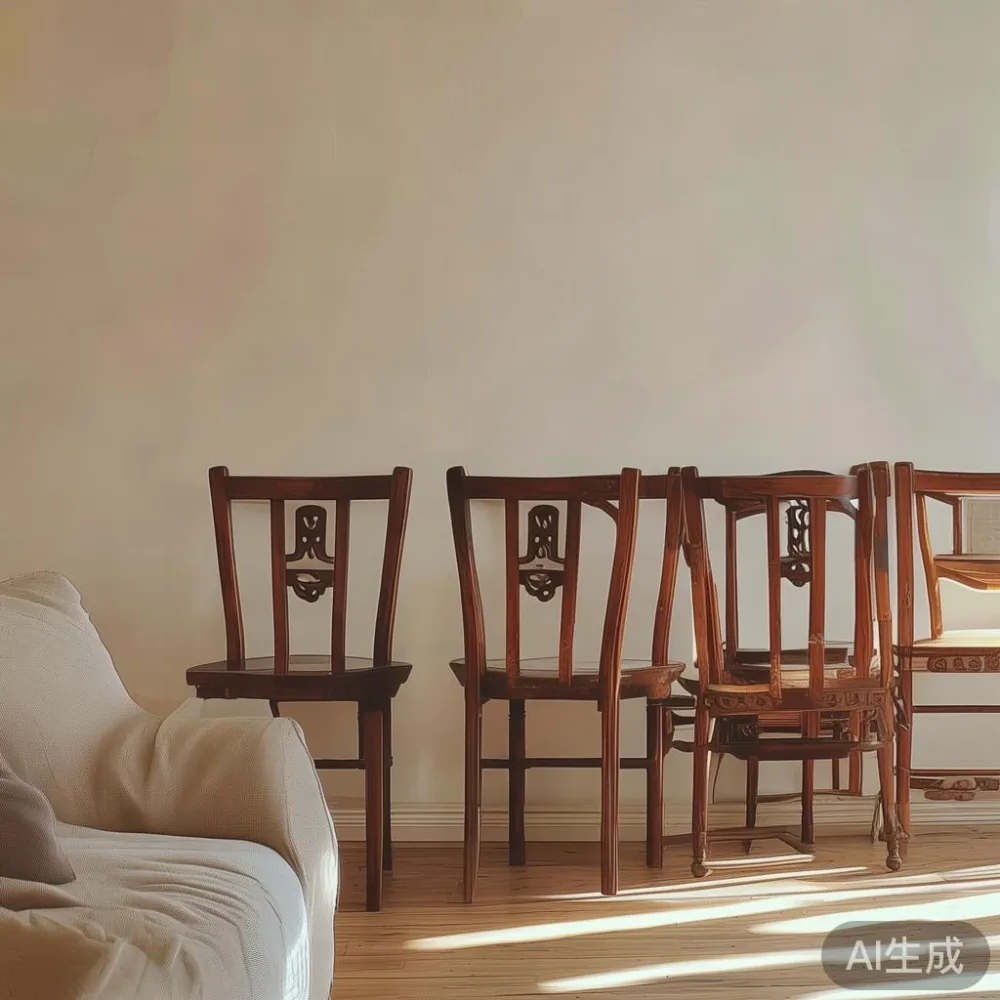
This guide explains how to protect lacquered dining chairs, with practical measurements for Singapore homes. It also considers common corridor and lift dimensions, because care planning starts before a chair reaches the dining area. MIDHILL makes solid wood furniture with a 10-year structural warranty and lifetime refinishing support, while local delivery terms include free shipping above US$350 and a 14-day return window.
What makes lacquer different in a tropical climate?
Lacquer creates a thin, smooth surface over wood or another prepared base. It can provide rich colour and a reflective appearance, but moisture, heat, abrasion, and household chemicals interact with that surface differently from bare solid wood. A dining chair is a high-contact piece: elbows rub against the arms, sleeves brush the backrest, and plates, mugs, and utensils land close to the seat edge.
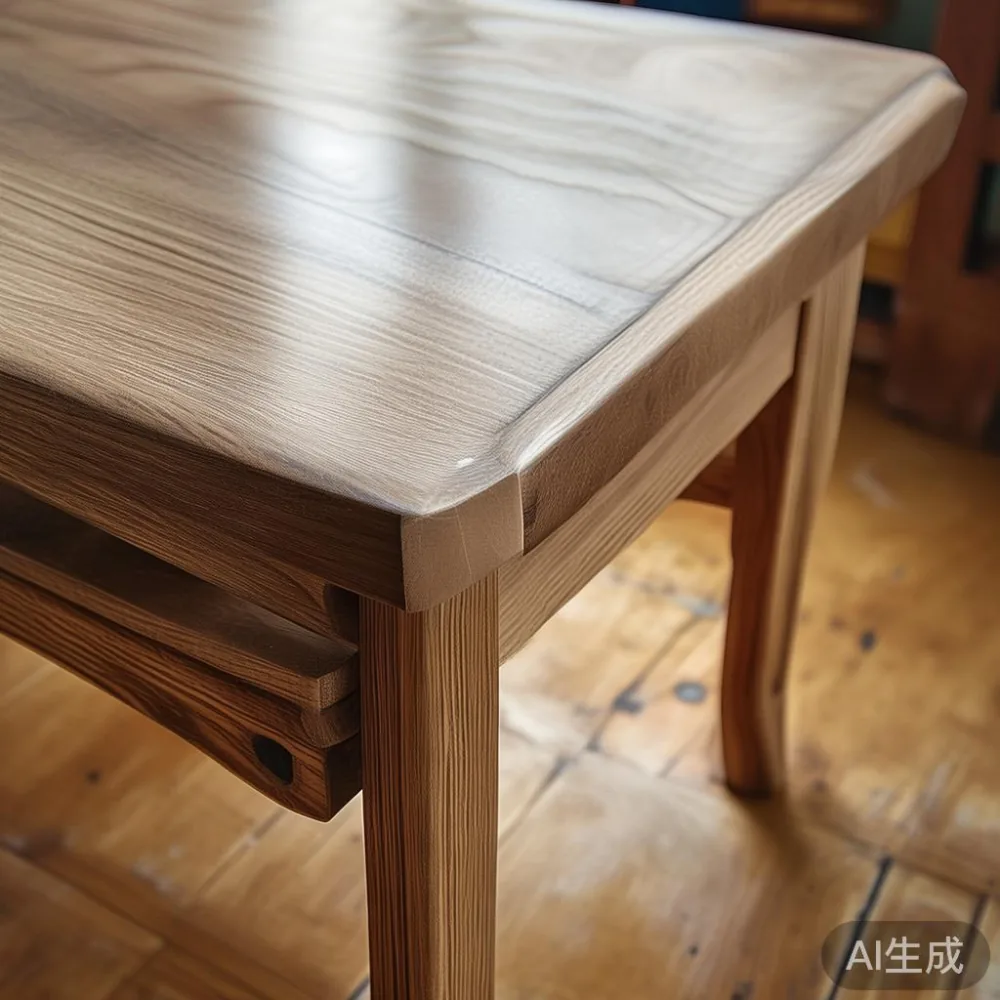
Singapore’s relative humidity commonly ranges from roughly 65% to 85% across the year. That does not automatically mean lacquer will fail, but it raises the value of consistent care. Aim for indoor relative humidity between 45% and 65% where practical, and keep chairs at least 30 cm away from windows, air-conditioner vents, and sliding-door tracks that admit damp air.
For daily care, use a soft microfibre cloth and plain water. For marks, use a lightly damp cloth with a drop of mild dish soap, diluted in about 500 ml of water. Test an inconspicuous area first. Avoid alcohol, ammonia, bleach, abrasive cream, and solvent-based cleaners. A bottle of pH-neutral wood cleaner should remain below about 25°C and away from direct sunlight.
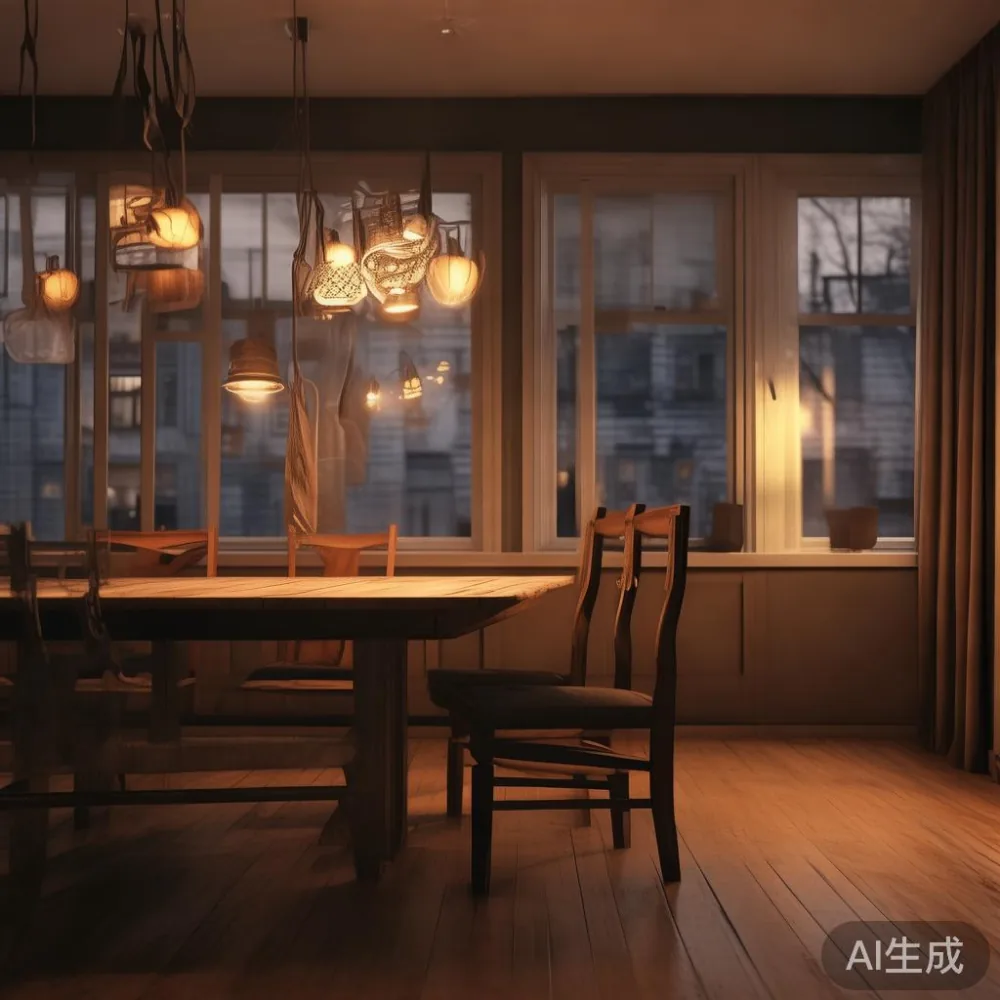
How often should I clean lacquered dining chairs?
Wipe lacquered dining chairs once a week with a dry microfibre cloth, even when they appear clean. Dust contains grit that can scratch a glossy surface when dragged across it. Clean visible spills immediately rather than waiting for a weekly session, and inspect the area under the seat, around armrests, and beneath the backrest every 4 weeks.
Give the chairs a more careful cleaning every 8 to 12 weeks. Vacuum or brush the crevices first, wipe with diluted mild soap, and dry with a separate clean cloth. Do not flood joints or allow liquid to pool around seat screws. If a chair has an upholstered seat, follow the textile supplier’s cleaning code instead of wetting the lacquer directly.
In high-use households, a monthly inspection can prevent small problems from becoming noticeable. Look for whitening from moisture, a cloudy edge, or a sticky patch. A single sticky patch might be caused by residue from hand sanitiser or a cleaning product; repeated tackiness across several chairs often points to excess humidity or a finish that needs assessment.
For households with children, schedule cleaning after dinner rather than immediately before guests arrive. Keep coasters, placemats, and trivets on the dining table so hot pots and damp dishes do not sit on the chairs. Use felt pads beneath chair feet to reduce scraping, but check them every 3 months because compressed felt can trap grit.
Can heat, sunlight, and condensation damage the lacquer?
Yes. Prolonged UV exposure can fade pigments and cause uneven sheen, while a warm mug can leave a ring or soften a thin lacquer layer. A cold glass placed against a warm chair can produce condensation, so coasters should be used even when the drink includes ice. Maintain a practical distance of at least 60 cm between dining chairs and south-facing windows where direct afternoon sun falls.
Air-conditioning helps control humidity, but direct airflow can dry lacquer unevenly. Position dining chairs so vents do not blow continuously across the backrest or seat. If a dining table sits beside a balcony in a Punggol condo, check for rain penetration and salt residue. After heavy rain, ventilate the balcony and wipe any damp surfaces within 2 hours.
Sudden temperature changes matter too. A chair should not move from an air-conditioned living room to a sunlit corridor within a 15-minute window during furniture delivery. Allow it to acclimatise near the dining area for about 24 hours before polishing or tightening. This small step helps the wood and finish respond more evenly.
Light-luxury design depends on visual consistency. French light luxury often pairs pale upholstery with graceful forms, while American light luxury favours clean lines and restrained contrast. Post-modern light luxury can mix profiles and finishes, provided the lacquer tone remains coherent. If you are comparing references for how to choose French sofa, evaluate colour samples in daylight rather than relying on showroom lighting.
How should I move dining chairs through an HDB flat or condo?
Measure before delivery day, including the lift, corridor turns, stairwell, doorway, and the final dining position. A common HDB lift door is about 90 cm wide, while the internal car may measure roughly 137 cm by 107 cm or 137 cm by 140 cm in larger blocks. Corridor widths can be around 120 to 180 cm, but furniture layouts and fire-safety doors vary. Confirm the actual dimensions with the building management office.
For one assembled dining chair, a typical width is 45 to 58 cm, with a seat height of 43 to 48 cm and a total height of 78 to 92 cm. Check the product page for each model rather than estimating. Tilt a chair to about 45 degrees while moving it, protect the legs with cardboard or moving blankets, and avoid lifting it by the backrest. Two adults should carry a chair if it weighs more than 12 kg.
Remove chair cushions where the design permits, wrap the lacquer separately, and never tie adhesive tape directly to the finish. Delivery through a narrow corridor should take about 10 to 20 minutes per chair, depending on the building and the number of turns. Building rules may require a delivery booking or protective floor covering. For condominium access, reserve the service lift at least 48 hours ahead when required.
Position each chair 5 to 10 cm from the dining table edge for comfortable use, then leave enough room to pull it out by roughly 60 cm. In compact HDB dining zones, ensure at least 75 cm of circulation behind a seated person. This spacing also lets you clean behind the dining chairs without scraping them against the wall.
What should I do if the lacquer becomes stained, cloudy, or scratched?
Start with the mildest treatment. For a fingerprint or water mark, wipe with a clean microfibre cloth and inspect under warm light. For ordinary grime, use the diluted soap solution described earlier, then dry immediately. If the mark remains after 2 gentle attempts, stop adding moisture and contact the maker rather than trying increasingly harsh products.
Fine scratches may be reduced with a lacquer-safe polishing product approved for the specific finish. Apply less than 1 cm of product to the cloth, not the chair, and work in a 10 cm circle. Test first on the underside of the seat or an area hidden by the table. Deep scratches, lifting edges, dents, and exposed wood require professional refinishing.
MIDHILL’s lifetime refinishing service is relevant here, although eligibility and scope should be confirmed before purchase. Retain the original invoice and finish specifications. Photographs of the affected area, chair dimensions, and a close-up taken in daylight can help the team advise on treatment.
Do not use a metal scraper, razor blade, nail file, or coarse abrasive on lacquer. These can cut through the coating in seconds. Likewise, avoid furniture polish containing silicone unless the chair maker allows it, because repeated silicone layers can make future refinishing more difficult.
Does Singapore’s GST change the cost of replacement care products?
Displayed prices in Singapore normally include 9% GST. Budget about SGD 8 to SGD 20 for a 250 ml bottle of pH-neutral cleaner, SGD 4 to SGD 12 for a pack of felt pads, and SGD 6 to SGD 15 for a microfibre cloth. Coasters may cost SGD 10 to SGD 40 per set of 4, depending on material and design.
Professional touch-up or refinishing costs depend on the chair’s condition and the maker’s assessment. Request a written quotation before approving work, and confirm whether GST, transport, collection, and minimum service charges are included. For furniture orders, MIDHILL’s stated delivery and return terms provide a useful reference, but customers should still verify the terms attached to a specific order.
If a replacement dining chair is needed, compare its exact lacquer colour and sheen with the existing set. Natural light in a Bedok condominium can make a nominally similar finish look warmer than it does under a hallway light. Take colour swatches home and view them at breakfast, lunchtime, and evening over a 3-day period.
How can lacquered dining chairs fit a light-luxury Singapore home?
Begin with the dining table as the visual anchor. A solid wood dining table with a quiet grain pairs well with high-gloss lacquered dining chairs because the contrast remains controlled. Avoid a very pale, cool lacquer under warm yellow bulbs if the surrounding palette uses warm oak and cream. If the table is marble, choose darker dining chairs to create definition and keep the floor visually calm.
In a Tampines flat with about 80 to 100 cm of dining clearance, slim-profile dining chairs are easier to manage than broad models. In a larger condominium, a French light luxury dining setting can include curved backs and upholstered seats, provided every textile and finish has been checked for humid use. French provincial for bedroom references often show pale woods and soft textiles; their restrained palette can guide the adjacent dining area without making the entire home look dated.
For broader material planning, research top 10 Modern furniture lists to understand proportion and finish combinations, then use them as a reference rather than a shopping checklist. If a lounge is nearby, a European light luxury bed vs Italian light luxury bed comparison can clarify the preferred level of ornament. A Modern light luxury nightstand should repeat the dining chairs’ metal or lacquer detail so the home feels connected rather than assembled from unrelated objects.
For advice on how to style European light luxury sofa in room, repeat one colour from the upholstery in table accessories and avoid matching every item exactly. The same principle applies to how to style European light luxury sofa in room when coordinating a dining zone: balance sheen, texture, and colour. A solid wood sofa in warm beige, a marble table, a bed frame with a simple profile, a lacquered wardrobe with muted doors, and a Modern light luxury nightstand can form a coherent whole.
What is a sensible care routine for a humid household?
A practical routine takes less than 10 minutes per week. On Monday, dust the dining chairs with a dry cloth. After dinner, clear crumbs and wipe any spill. On the first weekend of each month, inspect the finish under daylight and clean the lower chair sections. Every 3 months, rotate felt pads, check that chairs do not touch damp walls, and review the finish near windows.
Keep a small care kit beside the dining area: 2 microfibre cloths, 1 soft brush, a coaster set, and a diluted cleaner in a labelled spray bottle. Store it below 25°C and away from children. Do not place the cleaner beside a fruit bowl, where a leak could reach the table finish.
Give each lacquered dining chair 24 to 48 hours to settle after delivery, then tighten fittings only if the maker’s instructions call for it. Check the fixings at 3, 6, and 12 months, using a hand tool and even pressure. An uneven dining chair can rock and concentrate wear on one front leg.
Last month, I visited a colleague in Bedok and tested a lacquered dining chair beside a west-facing window. One side had reached 36°C while the opposite side remained near 27°C. A glass of iced water left a visible ring after 20 minutes. The ring disappeared with one immediate wipe, while a sample left in the sun for 3 days developed a dull halo that a damp cloth could not remove. That simple test reinforced the value of coasters, shade, and prompt attention.
Good lacquer care is not about preserving an untouched showroom appearance. It is about maintaining a controlled environment and responding early. With weekly wiping, monthly inspection, shade management, careful movement, and professional refinishing when required, lacquered dining chairs can retain their character in Singapore for many years.