Furniture Warranties Explained - Singapore Homeowner Tips
Buying furniture for your Singapore home is a significant investment. Whether you're furnishing a compact HDB flat in Tampines or a spacious condo in Punggol, the right pieces define your living space. A dining table becomes the heart of family gatherings, a solid wood sofa anchors your living room, and the right wardrobe is a long-term companion. With the Goods and Services Tax (GST) applied to every purchase, you want to ensure your investment is protected. A warranty seems like a promise of security, but the fine print can be a minefield designed to protect the manufacturer more than the consumer. This guide will walk you through the common traps in furniture warranties and help you to read them like a pro, ensuring your dining chairs and other beloved pieces last for years to come.
What a Furniture Warranty Actually Guarantees (and What It Doesn't)
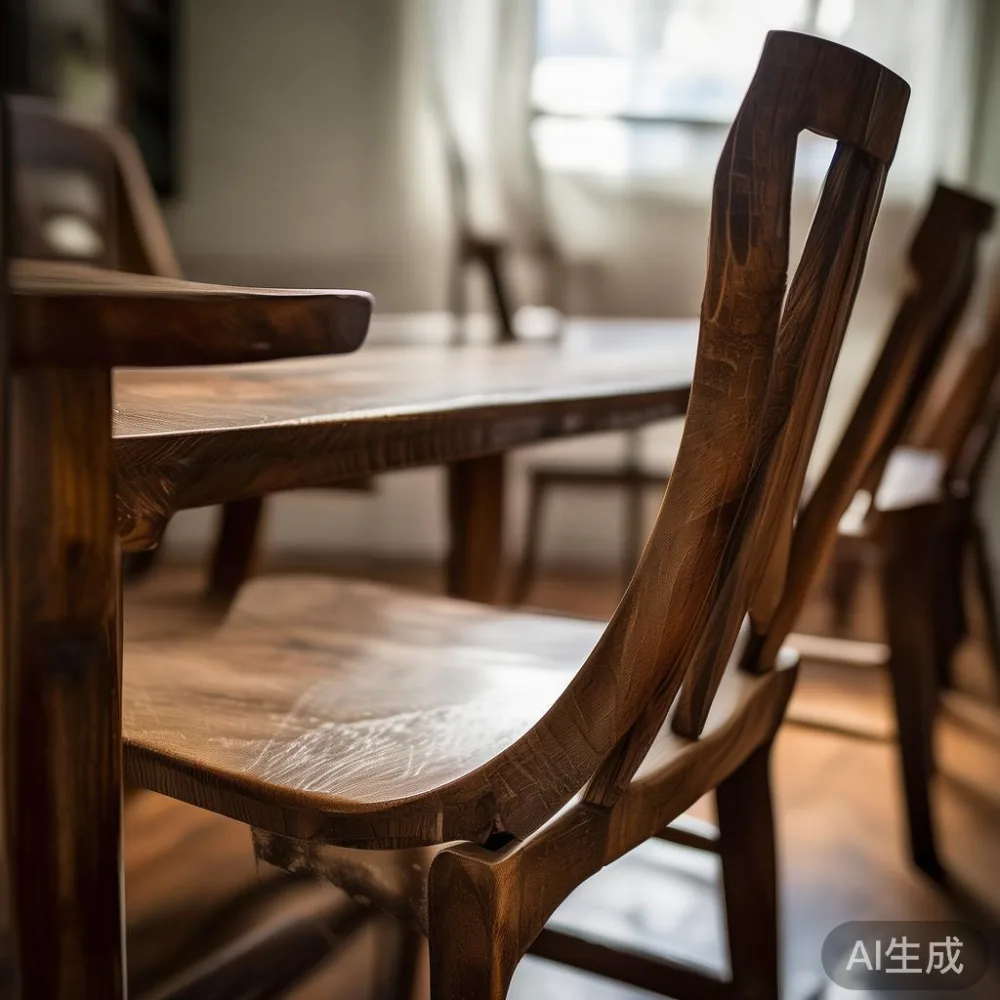
At its core, a furniture warranty is a manufacturer's promise to repair or replace a defective product within a specified period. However, the devil is in the details. Most warranties cover structural defects—this means the frame of a dining chair, the legs of a dining table, or the internal support system of a bed frame. If a leg on your new dining chair snaps under normal use, a solid warranty should cover it. But what does 'normal use' mean? This is often the first grey area.
Consider a marble table. A warranty might cover a crack that appears due to a manufacturing flaw in the stone. It will not, however, cover a chip you create by dropping a heavy pot on it. Similarly, a warranty on a solid wood sofa might guarantee against a broken spring, but it won't cover fabric stains or fading from prolonged sun exposure in your living room, which is a common issue in Singapore's bright climate. Understanding the distinction between structural failure and cosmetic damage or misuse is the first step to not getting caught out.
How to Spot the Fine Print: Exclusions and Limitations
Every warranty document is a masterclass in carefully worded exclusions. These are the clauses that can invalidate your claim when you need it most. Pay close attention to the following sections:
- Material Limitations: Many warranties exclude issues with natural materials like wood, leather, or marble. They might state that 'natural variations in grain, colour, or texture are not defects.' This is true, but it can also be used to dismiss legitimate problems. A solid wood warranty should protect against warping or cracking due to poor construction, not just the natural beauty of the wood itself.
- Weight Limits: This is critical for dining chairs and sofas. A warranty might specify a maximum weight capacity of 120kg per chair. If a family member exceeds this limit and a chair breaks, the warranty is void. Always check the weight ratings, especially if you have a busy household.
- Environmental Factors:
My colleague recently learned this the hard way. He bought a beautiful wardrobe for his master bedroom in Bedok. After a year, the door started to warp. When he contacted the manufacturer, they denied his claim, citing an exclusion for damage caused by 'improper storage in high-humidity environments.' His wardrobe was in his air-conditioned bedroom, but the manufacturer argued the humidity in Singapore itself was the cause. This is a classic example of a vague exclusion that can leave you out of pocket.
Is a Lifetime Warranty Really for Life? The Truth About 'Limited' Lifetimes
The phrase 'lifetime warranty' sounds incredibly reassuring. It evokes images of a piece of furniture being passed down through generations. However, in the furniture industry, 'lifetime' almost always means 'the lifetime of the product,' not 'the lifetime of the consumer.' This distinction is important.
A product's 'lifetime' is typically defined as a period of 10 to 15 years. After this period, the warranty may convert to a 'prorated' one, where you have to pay a portion of the repair or replacement cost. For example, a 10-year structural warranty might become a prorated warranty for years 11-15, covering 50% of the cost in year 11, 40% in year 12, and so on. This means a 'lifetime' warranty might still leave you with a significant bill after a decade or so.
When evaluating a warranty, look for the specific duration. A 10-year structural warranty is a concrete, reliable promise. A 'lifetime' warranty requires closer inspection to understand its true limitations. Also, check if the warranty is 'transferable.' A non-transferable warranty only protects the original owner, which is a consideration if you plan to sell your home and the furniture along with it.
What Does 'Free Shipping' and 'Returns' Really Mean?
Free shipping over SGD 350 is a common and attractive offer. But what does it cover? 'Free shipping' usually means the cost of getting the item from the warehouse to your door. It often does not include 'delivery services' like bringing the item into your home, unboxing it, or removing the packaging. For a large piece of furniture like a dining table or wardrobe, this distinction is important. You might need to budget an extra SGD 50 to SGD 100 for 'white-glove delivery' service, especially if you live in a HDB flat with a narrow lift or a long corridor.
Similarly, a 14-day return policy sounds generous, but it usually comes with strict conditions. The item must be in its original, unopened packaging. You cannot have assembled it, used it, or even moved it from the spot it was delivered to. If you've assembled a dining chair and decide it doesn't match your table, you will not be able to return it. Always check if the return policy includes a restocking fee. A 15% restocking fee on a SGD 1,200 dining table means you'd lose SGD 180, even if the item is returned in perfect condition.
Why the Manufacturer's Reputation and Location Matter
A warranty is only as good as the company that stands behind it. A brand established in 2008 with a history of exporting to 15+ countries has a proven track record. A company that has been around for over a decade and serves a global market is more likely to honour its commitments than a fly-by-night operation. Their reputation is their most valuable asset.
Location also plays a role. A company based in Foshan, China, like a certain well-known manufacturer, has a massive production ecosystem. This allows for consistent quality control and a reliable supply of parts for repairs. If you have an issue with a dining chair leg, they can ship a replacement part efficiently. A small, local workshop might struggle with this, leading to long delays or an inability to source the correct component. When considering a purchase, research the manufacturer's history, their customer service responsiveness, and their physical presence in the market.
For instance, if you're looking for a designer light luxury furniture piece that fits the aesthetic of a Singaporean condo, you might consider options from brands that understand the local living conditions. A European light luxury bed frame might be beautiful, but a local manufacturer might be better equipped to advise on how it fits through a standard HDB lift (typically 110cm x 210cm) or how it handles the local climate. This local expertise can be just as valuable as the warranty itself.
What Should I Do If My Warranty Claim Is Denied?
Receiving a denial on a warranty claim is frustrating, but it's not the end of the road. Your first step should be to request a detailed, written explanation for the denial. Review this document carefully against the warranty terms you have. Sometimes, a denial can be due to a misunderstanding or a miscommunication.
If the denial seems legitimate based on the warranty's terms, you have a few options. If the issue is a minor defect, you might decide to pay for the repair yourself. For a major defect, you could escalate the matter. Contact the customer service department again and ask to speak to a supervisor or manager. Politely but firmly explain your situation and reference the specific clauses of the warranty that you believe support your claim.
If the manufacturer is unresponsive, you can turn to consumer protection agencies in Singapore. CASE (Consumers Association of Singapore) provides mediation services between consumers and businesses. Having all your documentation—the original purchase receipt, the warranty document, and all communication with the manufacturer—is key. A paper trail can make all the difference in a dispute.
In the end, a warranty is a promise. A good warranty from a reputable manufacturer like MIDHILL furniture, which offers a 10-year structural warranty and lifetime refinishing, provides genuine peace of mind. It shows the company stands behind its products and is confident in their durability. When you're making a significant purchase for your home, take the time to read the warranty. It might seem tedious, but it's the best way to ensure your investment is protected and your home remains beautiful for years to come.