How to Care for Lacquered Dining Chairs in Singapore’s Tropical Climate
Lacquered dining chairs can look crisp, warm and quietly luxurious in a Singapore home, but humidity, heat, coastal air and frequent wiping can age the finish faster than most owners expect. A chair beside a Bedok kitchen window, for example, may spend 8 hours a day in warm air, while one near a Tampines corridor may collect fine dust during the 15-minute journey from the lift lobby. Good care takes about 10 minutes each week and can help protect the lacquer for 5–10 years.
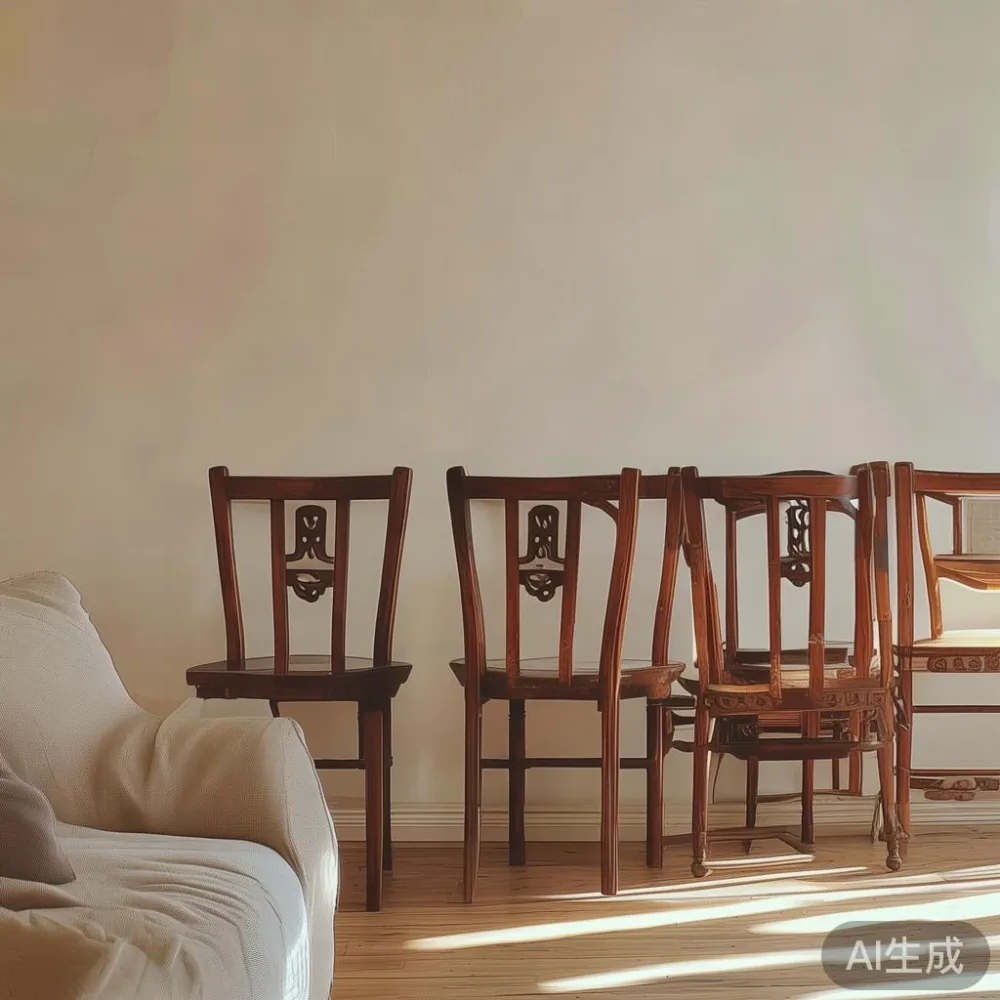
This guide focuses on lacquered solid wood dining chairs: how to identify the finish, control moisture, clean safely, handle small marks and arrange delivery in a compact HDB flat or condo. For wider material comparisons, readers also ask about terms such as Nordic for dining room, Foshan furniture and European light luxury bed vs Nordic bed, though those broader subjects should not distract from the practical care of a dining chair.
MIDHILL has made solid wood furniture in Foshan since 2008 and exports to more than 15 countries. Its lacquered dining chairs are backed by a 10-year structural warranty, while refinishing support is available for the lifetime of the product. Customers in Singapore receive free shipping above US$350, equivalent to about SGD 470 at an indicative exchange rate of 1 USD:1.35 SGD, and may return an eligible item within 14 days.
What makes lacquer different from paint or an oil finish?
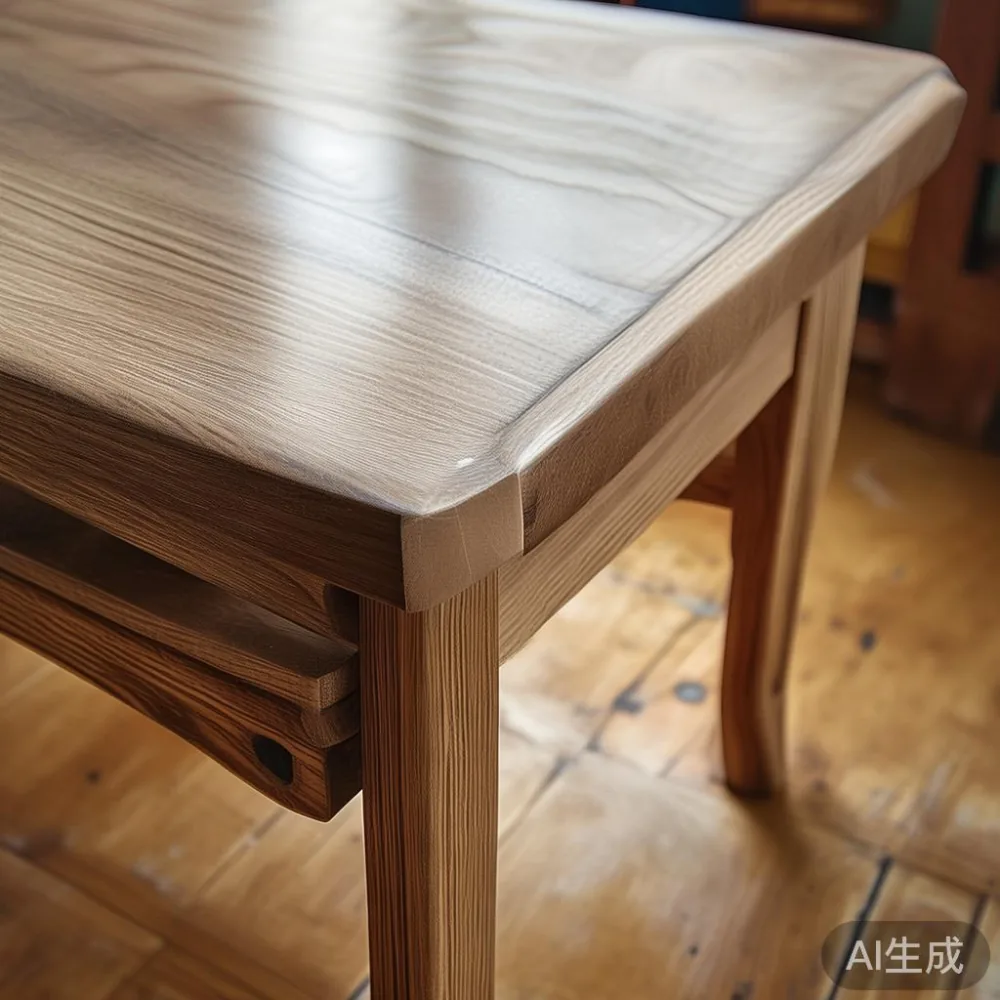
Lacquer is a clear or coloured surface coating that dries into a hard layer. Unlike a thin coat of paint, a well-applied lacquer can have greater depth and a smoother touch; unlike an oil finish, it should not absorb a bead of water. A solid oak dining chair with lacquer may show the open grain beneath a glossy surface, while a lacquered ash chair can reveal a warmer, more graphic pattern.
Ask the seller for the exact finish name and care instructions. Terms such as “lacquered,” “high-gloss lacquer,” “PU lacquer” and “water-based lacquer” are not interchangeable. A water-based topcoat may be more forgiving of a damp cloth, but all lacquers can be affected by heat, alcohol, silicone and abrasive rubbing.
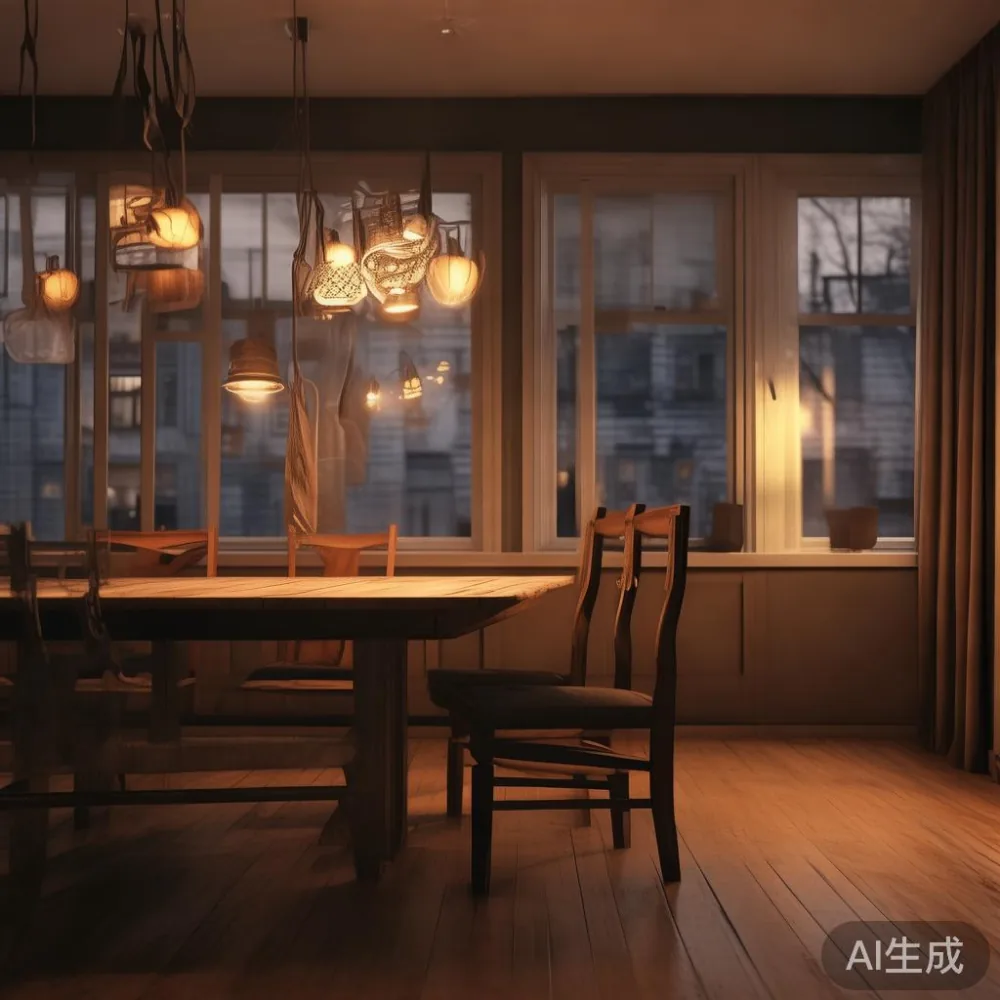
Light-luxury design does not require a fragile finish. French light luxury often balances curved dining chairs with restrained profiles; American light luxury may use larger, more architectural dining chairs; post-modern light luxury can pair lacquered seats with clean solid wood frames. In each case, the finish should complement the timber rather than disguise it.
Before treating a mark, test the product on the underside of the seat or an area hidden by the table apron. If a cotton swab removes the mark but leaves a dull patch, stop. Lacquer can polish unevenly, and replacing the top layer may be the sensible repair.
How humid should a dining room be in Singapore?
Singapore’s outdoor relative humidity often reaches 80–90% during monsoon periods, while an air-conditioned living area is commonly held near 50–60%. Lacquered dining chairs should ideally be kept around 40–65% relative humidity and below 29°C. These are practical targets rather than a promise that ordinary condensation will always cause damage.
Measure with a small hygrometer costing about SGD 15–30. Place it at seat height, roughly 45 cm above the floor, and check it at 8 a.m. and 8 p.m. for 7 days. This gives a clearer picture than judging humidity by touch alone. Record readings near a window, beside an air conditioner and at the dining table; condensation often begins around a cool drinks glass placed against a lacquered arm or edge.
Keep the chairs at least 30 cm from an open window, 60 cm from an air-conditioning vent and 20 cm from a humidifier. A drinks coaster with a diameter of at least 8 cm helps prevent rings, as does a mat under a damp water bottle. Wipe condensation from nearby surfaces promptly, using a separate clean cloth for each chair.
In a compact HDB dining area, avoid pushing a lacquered dining chair directly against a tiled wall. Leave a 3–5 cm gap for airflow. In a Tampines, Bedok or Punggol condo, check whether balcony doors are opened daily for ventilation and whether afternoon sun reaches the seating. UV exposure can fade a finish even when humidity is controlled.
What is the safest way to clean lacquered dining chairs?
Use a soft, lint-free microfibre cloth slightly dampened with plain water. Wring it out until no water drips, then wipe in the direction of the grain. A 30 × 30 cm cloth is useful for a seat, while a smaller 15 × 15 cm cloth reaches between rails and around joints.
Clean weekly during humid months and every 2 weeks when the dining room is air-conditioned. Dilute a pH-neutral wood-cleaning product according to its label; for most ready-to-use products, that means approximately 5 ml in 500 ml of water. Spray the cleaner onto the cloth, never onto the lacquer, and test it for 5 minutes first.
Avoid dish soap, bleach, ammonia, alcohol-based glass cleaner, furniture polish, oil, silicone spray and abrasive pads. The grit in a scouring powder can scratch a glossy surface in just 10 passes. Baby wipes may also contain ingredients that leave a hazy film, so they should not become the routine cleaner.
Dry the chair with another soft cloth within 2 minutes. Do not leave paper towels on the seat, because their embedded fibres can act like sandpaper. For a sticky spill, lift the residue gently with a barely damp cloth; if the mark remains, contact the manufacturer rather than scraping it.
For lacquered dining chairs around a dining table, remove coasters and tablecloths before cleaning. Chairs are moved frequently in HDB flats, and grit trapped under a rubber foot can scratch a lacquered floor each time the chair slides.
Can I remove scratches and dull patches without damaging the lacquer?
Small marks can sometimes be treated with a clean, soft cloth and a lacquer-safe product approved by the manufacturer. Apply no more than a pea-sized amount, about 0.5 ml, to a 10 × 10 cm section. Buff for no more than 30 seconds and inspect under daylight. The repair should not create a shiny or cloudy area.
Hairline scratches may improve with a suitable polishing compound, but the grit level and compound must match the lacquer type. A 2,000-grit product suitable for the named finish is gentler than a 1,200-grit compound; both should be tested away from the visible seat. Deep scratches, lifting edges and burns need professional attention because sanding through a 0.2–0.5 mm decorative layer can expose the timber.
Heat is not a reliable remedy. A hairdryer at 40°C held 20 cm away may loosen a dusty mark, but it can also create a permanent haze or soften the finish. The same caution applies to a hot spoon or heated towel. These methods may work on some materials, yet lacquer requires controlled temperature and product-specific guidance.
I tested a similar lacquered dining chair last month in a colleague’s Bedok condo. A ring left by a cold glass lifted after 20 seconds with a damp microfibre cloth and mild pH-neutral cleaner. A nearby silicone hand-lotion mark did not lift and left a faint haze, which confirmed that the issue was chemical rather than ordinary dirt. The chair was returned to its supplier for assessment rather than being polished aggressively.
Do not apply a generic “wood feed” every month. It may make an oiled dining chair look fresh, but an unwanted oily layer can collect dust on lacquer. If the surface feels dry, ask for a product compatible with the exact lacquer specification.
How should lacquered dining chairs be moved around a flat?
Measure the lift door, corridor turns and the route to the dining area before delivery. A common HDB lift car may measure roughly 90 × 140 cm at the door, although building-specific dimensions vary. A chair carton of 55 × 55 × 80 cm can fit through a 90 cm opening, but a wide, fully assembled dining chair may not turn through a narrow corridor.
Protect the lacquer with a 2–3 mm felt pad under each contact point and lift the chair rather than dragging it. Two people should carry a chair weighing more than 15 kg. Check the assembled weight before checkout; MIDHILL can provide product measurements because solid wood dining chairs vary considerably by frame and seat construction.
Confirm delivery timing in writing. Singapore lead time is commonly 7–14 delivery days for stocked configurations and 21–35 days for made-to-order pieces. The GST-inclusive total should be stated in SGD. As a rough budget guide, a single lacquered dining chair may fall around SGD 250–650, while a set of 4 may range from SGD 900–2,000, depending on timber, finish and design.
Leave the chairs in a dry, ventilated room for 24 hours after delivery. Although factory lacquer should be dry, a new chair may carry slight finishing odour. Do not place it against an air-conditioning vent while the packaging remains closed.
Are there different care routines for solid wood and lacquer?
Yes. Solid wood responds to changes in moisture by expanding and contracting, while lacquer protects the visible surface but can still be stained, scratched or hazed. Wipe lacquer with water; do not saturate the timber. Keep the chair away from a permanently damp exterior wall or a leaking air-conditioning condensate pipe.
The same distinction applies across a home. A solid wood sofa, bed frame, dining table, wardrobe, nightstand or marble table each has a different cleaning profile. For example, marble table surfaces need a pH-neutral cleaner because acidic liquids can etch stone, whereas lacquered dining chairs need a non-abrasive cloth and minimal moisture. These comparisons are useful, but the dining chair should always be assessed by its own finish.
Shopping guides often use phrases such as best European bed for 2026, European light luxury for guest room and American for guest room when evaluating bedroom furniture. A related question, “is Italian light luxury bed worth it,” concerns comfort, materials and proportions rather than lacquer care. Applying those room-level principles to dining chairs means balancing the chair with the dining table, floor and light rather than selecting a finish in isolation.
What should I do if the lacquer is already damaged?
Document the problem with 3 photographs: one 60 cm away, one close-up and one under side lighting. Record the chair’s order number, finish name, delivery date and the day the issue appeared. Keep cleaning products and their dilution ratios for reference.
For minor haze, stop using household cleaners and allow the chair to rest in a dry room for 24 hours. For peeling, blistering or a large scratch, stop applying oils and polishes. Cover the chair loosely with a breathable cotton sheet, not plastic, and contact the supplier.
MIDHILL offers lifetime refinishing support, while structural issues are covered by a 10-year warranty. The manufacturer should clarify whether a specific lacquer repair falls within the refinishing service and what evidence is required. Keep the chair away from direct sunlight while waiting, and avoid taping labels or masking tape onto the finish; adhesive can lift lacquer and leave a larger stain than the original mark.
What is the 10-minute weekly care routine for lacquered dining chairs?
Use the first 3 minutes to remove coasters, bottles and cloths from the table. Spend 3 minutes checking the hygrometer and any nearby condensation. Use 3 minutes to wipe seats, backs and armrests with a damp microfibre cloth. Finish with 1 minute of drying and inspection under natural light.
Every month, check 5 high-risk areas: the seat edge, the backrest, arm pads, table-facing surfaces and legs beneath the dining table. Every 6 months, inspect the underside and joints for lifting lacquer or trapped moisture. Every 12 months, review the finish with the supplier if the chair is in direct afternoon sun.
For a coordinated interior, French light luxury dining chairs can sit beside a pale oak dining table; American light luxury may use darker timber and more generous seating; post-modern light luxury can mix curves with a rectilinear table. Whichever direction is chosen, the lacquer should be treated as a protective design layer, not as an invitation to use harsh chemicals.
A lacquered dining chair can remain presentable for many years when moisture, heat, grit and incompatible cleaners are controlled. In Singapore’s climate, ventilation and small weekly habits matter more than an elaborate ritual. Preserve the finish, respond early to marks and seek product-specific advice before attempting a repair.