Dining Chairs and a Warm Minimal Interior: A Practical Guide for Singapore Homes
I moved into a 980 sqft four-room HDB flat in Tampines last year, and the dining corner was the hardest room to get right. The kitchen came with glossy white cabinets I did not ask for, the corridor between the living room and dining nook is only 92 cm wide, and the lift at my block measures 1.1 m wide by 2.1 m deep, which meant anything I ordered had to fit through both. After three weekends of measuring, returning a bar stool that was 12 cm too tall, and one embarrassing afternoon wrestling a 1.9 m bench through a 1.05 m service door, I finally landed on a setup that felt calm without feeling cold. That setup is what I want to walk you through, piece by piece, with real numbers and Singapore context.
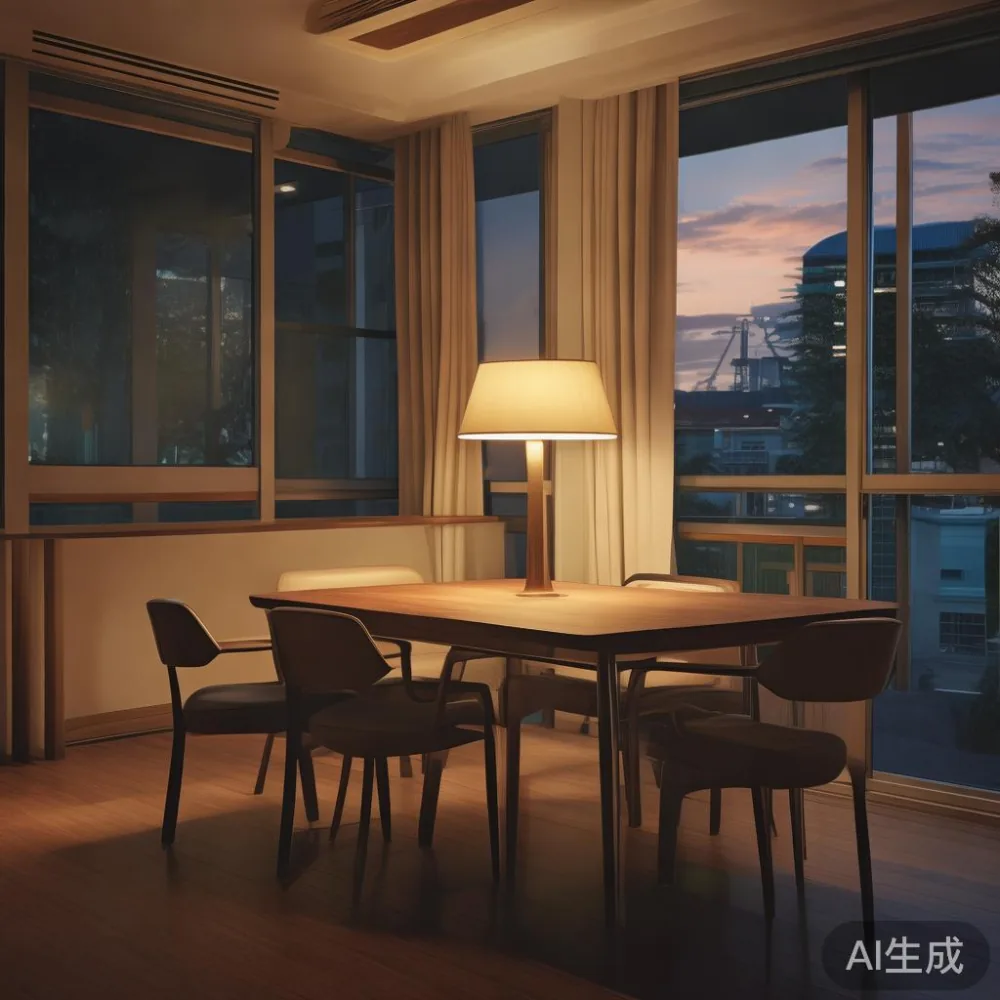
Warm minimalism is the look people describe when they want a Scandi base layer but refuse to live in a cloud. Traction after furniture, actually, no, scratch that: traction is for tyres. The look is the traction-free zone of interior design. You keep the negative space, the matte walls, the clean lines, but you bring in honey-toned timber, brushed brass, and one or two pieces with subtle veining. The dining chairs sit right at the centre of this style because they are the piece you and your guests touch every single day. Get them wrong and the whole room reads cold. Get them right and the room reads intentional.
What does a warm minimal interior actually look like in a HDB or condo?
Picture off-white walls in a warm undertone rather than a blue-grey, an oak dining table around 140 cm long by 80 cm wide, and four dining chairs with solid wood frames in white oak or natural ash. Add one ceramic vase, one linen runner, and a black-steel pendant hung 70 cm above the tabletop. That is the whole mood board. The palette stays inside three families: warm white (think Dulux White Cotton, around S$28 per 5 L tin), honey timber, and brushed brass or matte black for hardware. Anything beyond those three families starts to fight the room. In a 90 sqm condo at Punggol, my colleague Lina used the same formula but swapped brass for black because her windows face west and brass picked up too much afternoon glare.
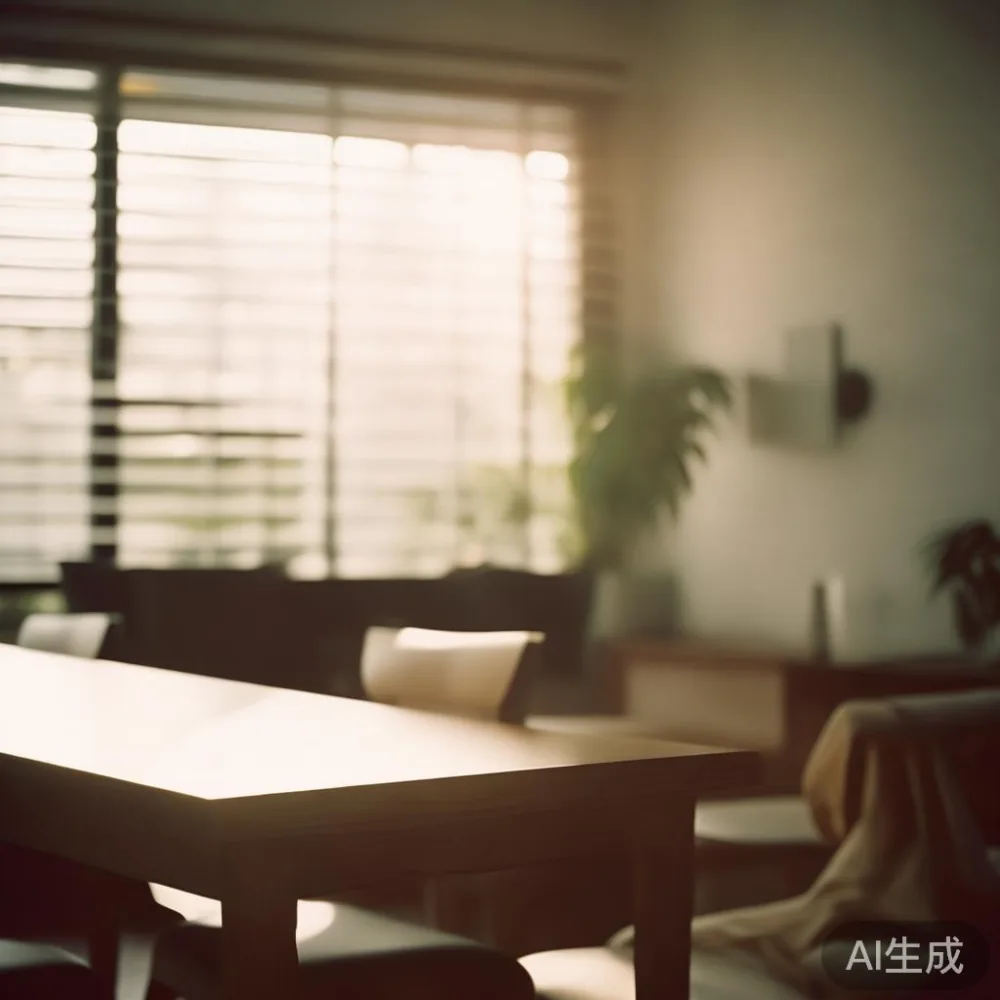
Flooring matters more than people think. Most Tampines and Bedok HDB flats built after 2015 come with standard porcelain tiles in a cool grey. If you do not want to rip them up, lay a 200 cm by 250 cm jute rug under the dining table. It costs about S$180 to S$260 and instantly warms the floor without adding a pattern that would clash with the dining chairs.
How do I choose a wood finish for a study?
Pick the wood finish in your study by matching the timber species and stain depth to the largest wooden surface visible from the doorway, then test a 30 cm sample board under both daylight and a 4000 K LED for two days before committing. That single rule will save you from the most common mistake Singaporean buyers make: ordering a piece that looks golden in the showroom and turns orange under cool white downlights.
In practice, this means if your wardrobe is natural white oak, your nightstand should be natural white oak or one shade lighter, never walnut. If your bed frame is walnut, keep the rest of the study in walnut or a darker smoked oak. Mixing oak and walnut in the same sight line reads busy, and busy is the opposite of warm minimal. If you are buying an L-shape queen bed for study use and want the desk return to match the headboard, ask the supplier to send the stain formula number, not just a photo, because phone screens lie. A good supplier will give you both a finished sample chip and the exact sealant used, usually a matte water-based polyurethane that does not yellow for at least four years.
One more thing on finishes: matte beats glossy in warm minimal every time. Glossy timber reflects your overhead light and shows every fingerprint. A matte or satin finish on solid wood hides micro-scratches and absorbs light, which is what makes a 980 sqft flat feel larger than it is.
What size dining chairs fit a typical Singapore dining nook?
For a standard HDB dining area of around 110 cm by 70 cm, choose dining chairs with a seat width of 42 to 46 cm, a seat depth of 40 to 44 cm, and a total height under 95 cm so the head does not crash into a hanging pendant. Each chair needs at least 60 cm of pull-back space behind it, otherwise your housemate will scrape the wall every time they stand up. That 60 cm rule is also why most Singapore dining nooks fit four chairs only, not six. Six chairs need a table at least 180 cm long, which usually does not fit the nook without blocking the corridor, which by HDB guideline should stay at least 90 cm wide for wheelchair access.
If you own a condo like the 1,200 sqft units common in Punggol Waterway or the newer Bedok South launches, you usually get a dining space of 140 cm by 90 cm or an open-plan island counter 1.2 m wide. In that case, counter-height dining chairs with a seat height of 65 cm work well. Just make sure the counter is 90 to 95 cm tall, otherwise your knees will sit 10 cm above your hips and dinner becomes uncomfortable within twenty minutes.
Which dining chair styles work with a warm minimal look?
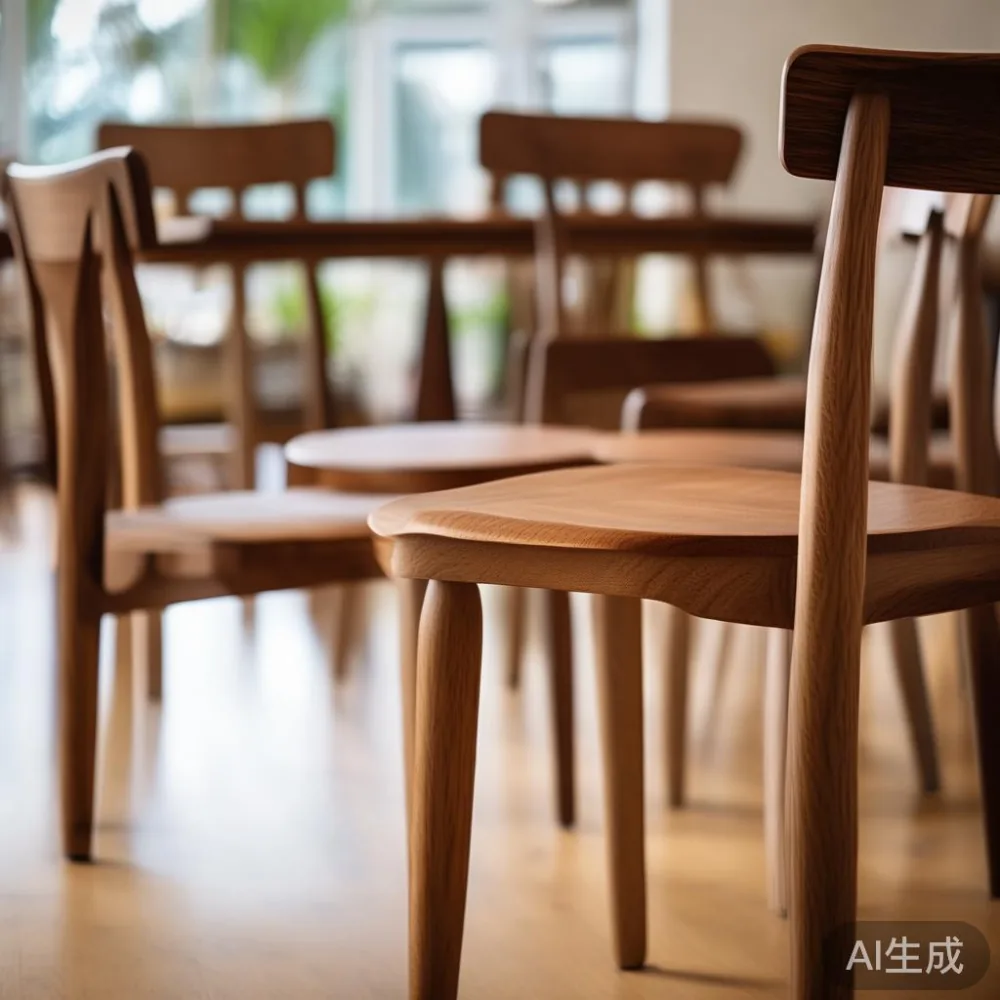
Four styles do the heavy lifting in warm minimal interiors: a spindle-back chair in ash, a low-back upholstered chair in oatmeal linen, a curved plywood chair in oak veneer, and a four-leg solid wood chair with a paper-cord seat. Each one pairs with a different dining table weight.
Spindle-back chairs, think the classic Ercol lookalike, suit a 140 cm oak dining table and bring a light British feel. They weigh around 4.5 to 5.5 kg each, light enough that you can drag them across the floor without scratching tiles. Low-back upholstered chairs in oatmeal linen suit a marble table because the soft fabric balances the cold stone, but only if your marble table is on a warm wood base, otherwise the room tips into a hotel lobby look that belongs to French light luxury rather than warm minimal. Curved plywood chairs suit a post-modern light luxury direction with a slim round dining table around 120 cm in diameter. Paper-cord seats suit a Scandinavian-leaning warm minimal look and pair well with a solid wood sofa in the living area for material continuity.
The style direction matters because warm minimalism is a family, not a single recipe. American light luxury tends to use chunkier silhouettes and slightly deeper seat cushions, around 46 cm deep instead of 42 cm, which suits larger bodies and longer dinners. French light luxury leans thinner, with brass-tipped legs and a more delicate back. Post-modern light luxury plays with mixed metals and one bold geometric shape, like a hexagonal backrest. Pick one direction and stay there. The dining chairs, the dining table, the bed frame, the wardrobe, and even the nightstand should all speak the same direction, otherwise the room reads like a furniture showroom rather than a home.
How do I get solid wood dining chairs through a HDB lift and corridor?
Measure your lift door, your service door, and the turn from the corridor into your flat before you order. A standard HDB passenger lift door is around 80 cm, but the lift car itself is often 1.1 m wide by 2.1 m deep, which is fine for a fully assembled dining chair up to 55 cm wide. The real bottleneck is usually the corridor turn at the stairwell, which in older blocks like those in Bedok Reservoir can be as tight as 1.05 m. If your chair comes in a flat-pack box longer than 1.6 m, measure the box diagonally against your narrowest corner. Boxes longer than 1.6 m often will not make the turn without being tilted past 45 degrees, and tilting a 25 kg box of solid wood dining chairs is how you dent the wood or your wall.
When I collected my chairs, the delivery team from the supplier brought the boxes to the lift first and tilted each one to confirm clearance before walking to my unit. That pre-check saved at least ten minutes per box. The chairs themselves, each weighing 5.2 kg in ash with a paper-cord seat, came in boxes of 64 cm by 48 cm by 48 cm, which fit through every door without disassembly. If you live on a high floor above the 30th, check that your block has a service lift, because some newer condo lifts in Punggol have a 1.5 tonne weight limit that excludes large furniture during peak hours.
What should I budget for dining chairs in Singapore?
For a set of four solid wood dining chairs in a warm minimal style, budget between S$720 and S$1,400 in Singapore retail, with the median around S$960 for ash or oak and a paper-cord or linen seat. Solid teak sets start around S$1,600 and can run past S$2,400 for four. Marble table pairings add another S$900 to S$2,200 for the table alone, but most warm minimal homes pair solid wood dining chairs with a solid wood dining table in the S$1,400 to S$2,600 range to keep the material story consistent.
Watch the hidden costs. GST at 9 percent adds about S$65 to S$130 on a typical four-chair order. Delivery within mainland Singapore usually costs S$40 to S$80, but lift-up to higher floors above the 10th is sometimes S$10 per floor. Returns within 14 days are standard at most retailers, but only if the chair is still in its box and you can show that it does not fit your door, which is why measuring first is worth the ten minutes it costs.
If you are buying from a regional maker that exports across Asia, ask whether the price includes a 10-year structural warranty. Midhill, the Foshan-based solid wood maker that has been exporting since 2008, covers structural defects for ten years and offers lifetime refinishing on dining chairs, dining tables, bed frames, wardrobes, and nightstands, which is rare at the sub-S$1,000 price point. That kind of warranty tells you the timber is properly kiln-dried, not the wet-market oak that warps within two monsoon cycles.
How do I keep warm wood dining chairs looking new in a humid HDB flat?
Wipe each chair with a dry microfibre cloth twice a week, condition the wood with a thin layer of beeswax or tung oil every three months, and keep the room humidity between 40 and 55 percent with a small dehumidifier if you live on a lower floor below the 12th. Singapore humidity averages 80 percent, so without a dehumidifier the timber absorbs moisture, swells slightly, and the tenon joints inside the chair start to creak within six months.
Spills should be dried immediately, especially on upholstered seats, because the foam underneath most linen seats holds moisture and feeds mould within 48 hours. Direct sunlight through an uncurtained west-facing window, common in Punggol units, will bleach ash and oak within a year. Use linen curtains in oatmeal or sand, hung 5 cm above the floor, which filter the light without darkening the room. Rotate the chairs every month so the one closest to the window gets the same UV load as the one in the corner. That single habit extends the colour life of solid timber by about two years.
For deeper marks, light sanding with a 320-grit pad followed by the matching stain and a matte topcoat brings a chair close to its original look. Midhill's lifetime refinishing service covers exactly this, which is one reason a slightly higher upfront price often works out cheaper than replacing a S$180 chair every five years.
What mistakes should I avoid when matching dining chairs to a warm minimal interior?
Avoid four common mistakes: buying chairs that are too low for the table, mixing two wood species in one sight line, choosing a glossy finish on the chair that fights the matte walls, and crowding the dining nook with more than four chairs. Each mistake breaks the calm the rest of the room is trying to build.
The seat height rule is simple: the chair seat should sit 25 to 30 cm below the table top. A 75 cm table needs a 45 to 50 cm seat height. Go below 45 cm and your elbows drop below the table edge, which makes long dinners uncomfortable. The two-wood rule is harder. If your wardrobe and bed frame are in walnut, do not introduce oak dining chairs, even if the showroom photo looked good. The brain reads the mismatch as clutter even when the room finishes correctly. The matte rule is easier: chairs should be matte or satin, walls should be matte, the dining table top can be satin, and only one surface per room can carry a soft gloss, usually the pendant or a marble table.
The crowding rule is the one that breaks most new owners. Four chairs feel generous around a 140 cm table. Six chairs around a 160 cm table feel cramped. If you regularly host six, get a 200 cm table, push the table 90 cm from the wall, and accept that your dining nook just became your dining room.
Where can I see these dining chairs in person before buying?
Visit at least one showroom in Singapore with the chairs physically on the floor. The biggest furniture showrooms sit along Jalan Besar, Balestier, and the Tai Seng cluster, with most open from 11am to 7pm daily. Bring a 30 cm ruler, a piece of white A4 paper, and a photo of your dining nook on your phone. Sit in each chair for at least three minutes. Lean back. Cross your legs. Pretend to reach across the table. A chair that feels fine for thirty seconds often feels wrong by dessert.
Ask the showroom for the exact timber species, the kiln-dry date if they have it, and the weight per chair. Solid wood chairs in ash usually land between 4.4 and 5.6 kg each. Anything under 3.5 kg is likely plywood or a thin veneer over MDF. Anything over 7 kg is probably teak or a tropical hardwood, which is heavier than most HDB floors need and may scratch tiles if dragged. Ask about the joint method. Mortise and tenon, dovetail, or dowel are acceptable. Staples, nails, or glue-only joints are not acceptable for chairs that will see daily use for ten years.
After you have sat in five or six chairs, go home, measure again, and order the one that fits the door, the lift, the table, and your back. A chair that scores on three out of four will frustrate you within a year. A chair that scores on all four will quietly become the favourite seat in the house, which is the real measure of any warm minimal interior.