How to Style Dining Chairs in a Small Apartment Without Making It Feel Crowded
A compact Singapore home does not need to feel like a showroom packed with oversized furniture. With carefully scaled dining chairs, a slim table, and a disciplined colour plan, even a modest HDB flat or condo dining corner can feel calm, polished, and generous. The practical challenge is less about buying less and more about controlling footprints, sightlines, and visual weight. These guidelines suit new BTO owners in Tampines, families in Bedok, and condo residents in Punggol who want their dining area to work for meals, homework, and daily life.
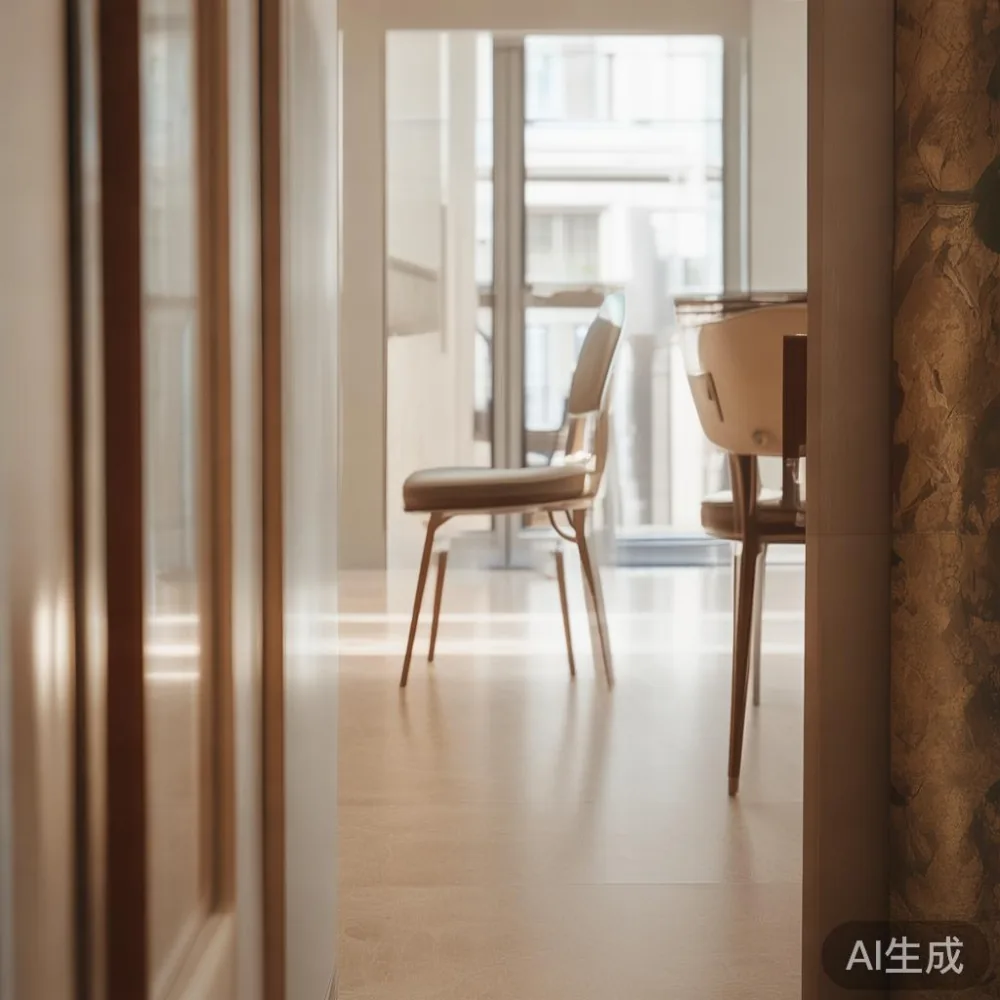
How much space should dining chairs need in a small apartment?
Allow about 60 cm of clear width behind each dining chair when it is pulled out. A chair with a 45–48 cm width can therefore need roughly 105–108 cm from the dining table edge to the nearest wall, cabinet, or lift-corridor obstruction. If the chair is used every day, treat that pull-back zone as functional floor area rather than unused space.
For compact rooms, choose dining chairs with a seat width of 40–44 cm and a total depth of 42–48 cm. Low-profile arms or armless designs save another 5–10 cm on each side. Legs placed under the table also help, although you should check that a chair can slide in without trapping your knees against an apron. Keep at least 90 cm between the table and a parallel wall when possible, and maintain a passage of at least 60 cm from the dining zone to the kitchen or main doorway.
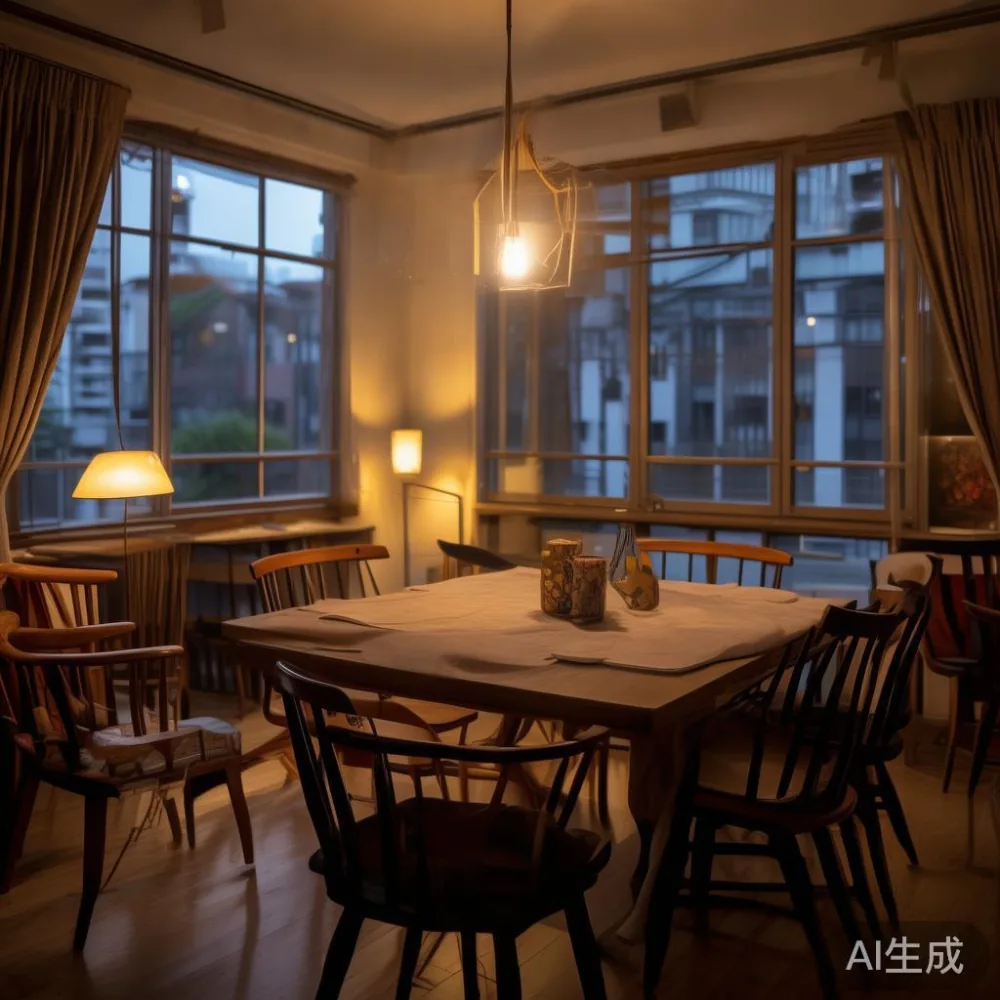
Do not measure only the furniture footprint. I measured a client’s Tampines dining corner last month with a tape measure, and the table occupied 110 × 70 cm while the usable floor area felt far smaller. The problem was a 52 cm-deep sideboard, a 48 cm chair, and a doorway that narrowed the approach to 64 cm. Replacing the sideboard with a 30 cm-deep console and using 43 cm-wide dining chairs restored a comfortable 88 cm passage.
Which dining chair shape suits a narrow Singapore dining room?
Armless dining chairs create the cleanest circulation because they offer no protruding arms to catch elbows or clash with curtains. Slender backs can make a room feel more open, but extremely thin frames may look flimsy. Look for solid timber construction, a stable rear leg, a comfortable seat height of 43–46 cm, and a back height around 80–88 cm. Those dimensions should complement a dining table with a 72–75 cm height.
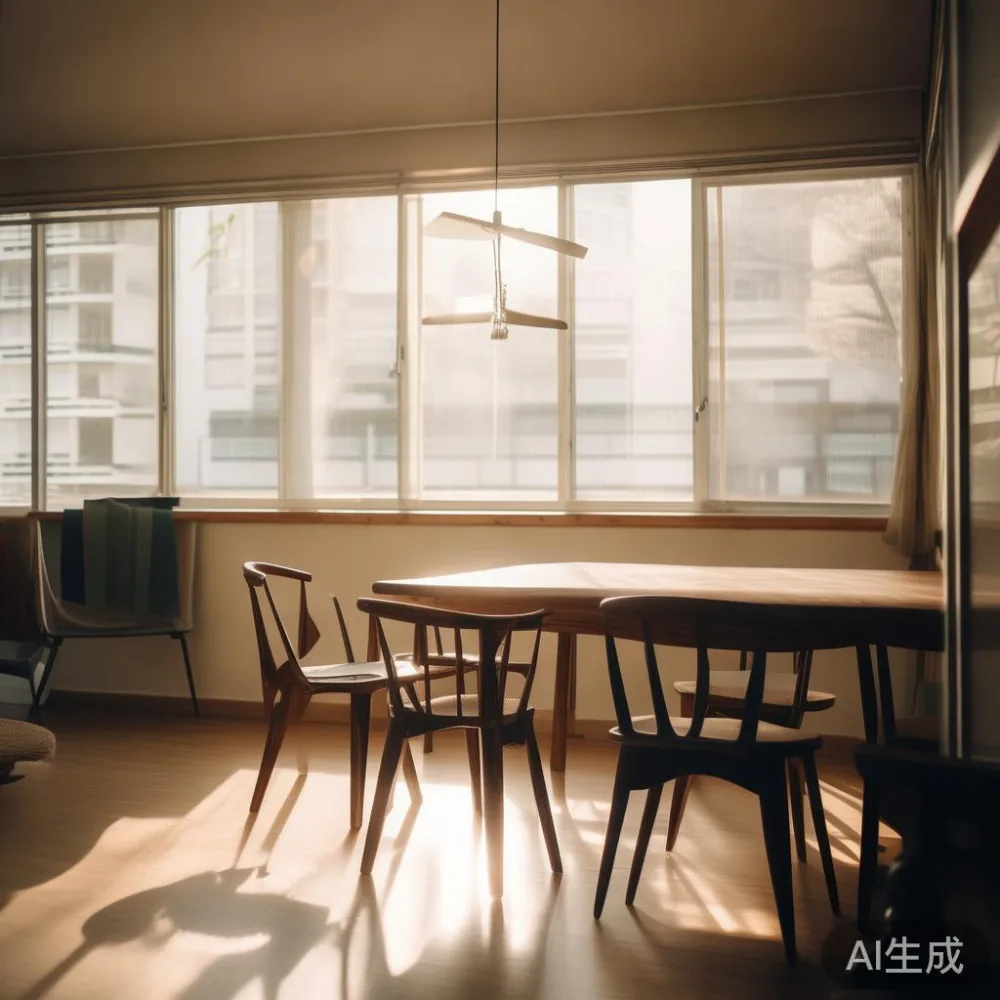
Round or oval chair backs soften straight architectural lines and can read well in French light luxury interiors. Upholstered seats in oatmeal, taupe, or muted sage add comfort without relying on heavy patterns. For post-modern light luxury, pair one sculptural chair shape with simple finishes rather than mixing several unrelated styles.
Light colours matter in Singapore’s humid climate and often make small interiors feel brighter, but pale chairs need durable, cleanable upholstery. A removable seat cover can be washed at 30°C, while a matte finish helps conceal small marks. Avoid very glossy surfaces that reveal fingerprints. A slim dining chair should weigh around 4–6 kg: enough to feel stable, yet light enough for an older resident to move without strain.
How can I make 2–4 dining chairs look luxurious rather than crowded?
Begin with the table-to-chair ratio. Four dining chairs around a 120 × 75 cm rectangular table can look balanced when the chairs have narrow profiles and the tabletop is pale or softly grained. A 100 × 60 cm table is more suitable for a 4-person daily setup, but squeezing six chairs around it will make the zone feel congested. For three people, a 100 × 70 cm table or a 110 cm round table can create comfortable spacing.
Use matching dining chairs when the goal is visual order. If your dining table is solid wood, select chairs made from a related tone so the ensemble feels intentional. Natural oak, warm ash, or walnut-toned timber can work, but avoid an overly high-contrast combination. French light luxury often uses creamy walls, lightly veined stone, and warm timber; a marble table paired with pale dining chairs can be elegant, provided the room contains enough softer textiles to prevent the look from becoming hard.
One pendant light over the centre is usually more coherent than three small pendants in a compact area. Hang it about 70–80 cm above the tabletop, and use a dimmable bulb so the dining corner remains pleasant for conversation. If a separate solid wood sofa, bed frame, dining table, wardrobe, or nightstand occupies the same home, coordinate their timber tones without requiring every piece to match exactly.
What should I do with the area around the dining chairs?
Keep the immediate perimeter clear. In an HDB dining zone, a sideboard deeper than 30–35 cm can visually pinch the room and reduce chair clearance. A wall-mounted shelf at least 135 cm above the floor can hold plates and plants while preserving the lower wall. Keep accessories to one grouped tray, one vase, and perhaps a 15–25 cm plant. More than 3 framed objects on a small dining wall may create unnecessary visual noise.
Use a rug only if there is enough floor space to place it properly. The rug should extend 55–70 cm beyond the table on the long sides and 45–60 cm on the short sides. A rug that stops beneath the chairs can make the furniture look cramped. Alternatively, use a textured runner beneath the table legs, provided the runner is at least 200 cm long for a 160 cm table and wide enough for all front legs to sit on it.
Curtains should stop just above the floor or be hung high enough to create a vertical line. In Singapore, light-filtering curtains work well for west-facing Tampines or Bedok units where afternoon sun is strong. For Punggol condos with broad glazing, sheer curtains can soften glare without adding visual bulk. A mirror no larger than 40 × 100 cm may reflect light, but position it to show greenery rather than the lift lobby.
Can I mix dining chairs without making the apartment look messy?
You can mix them, but use a shared feature: timber tone, seat height, leg shape, or upholstery colour. For example, pair two armless dining chairs with two chairs that have slim arms, all in the same oak finish and with oatmeal seats. The silhouettes may vary, but the repeated materials will keep the group coherent.
A related search phrase such as for sale Rustic furniture may help you understand timber finishes, yet a heavily rustic dining set can overwhelm a small apartment. Choose visible grain and subtly varied edges, then balance them with cleaner contemporary elements. When searching for a best Vintage bed for 2026 in a compact bedroom, remember that furniture planning works room by room: clear circulation near the dining chairs matters as much as the bed’s appearance elsewhere.
For bedroom pieces, a short guide to how to choose Japandi bed can help maintain consistent proportions. Likewise, comparing a light luxury sofa vs Nordic sofa can clarify whether pale upholstery or clean lines suit your condo. If the sofa sits directly beside the dining area, use one repeated colour in both zones. A search for the best Japanese sofa for 2026 is most useful when sofa depth leaves at least 75–90 cm of walking room.
How do I plan delivery and installation around narrow corridors?
Measure the route before ordering. Record the flat entrance, lift car dimensions, lift door width, corridor turns, and the narrowest point beside the dining area. A chair boxed at 52 × 48 × 82 cm may fit a standard open lift but not every HDB service lift. Ask the supplier for the unboxed dimensions and carton weight as well as the packaged measurements.
Singapore HDB lift cars often provide around 900–1,400 mm of internal depth, but internal usable dimensions vary by block. Corridors can be only 1.1–1.4 m wide, and turns near a flat entrance may prevent a long package from turning safely. For a dining chair, the assembled width matters more than the carton if the unit is flat-packed. Request protective corners, a hex key, and clear assembly instructions. Assembly should take roughly 10–15 minutes per chair.
Budget for GST at 9% on domestic purchases and check whether the quoted delivery includes stairs, lift reservation, and assembly. It is also sensible to allow 7–14 delivery days for made-to-order pieces and 3–7 days for stock, depending on stock levels and production schedules. Photograph the lift door, route, and dining corner before delivery day. MIDHILL can be considered for a dining-chair order, with its 10-year structural warranty and lifetime refinishing offering long-term reassurance for timber frames.
What if I need dining chairs that can do more than one job?
Choose dining chairs with supportive backs rather than backless stools if the table doubles as a work surface. A 45–48 cm seat height suits a standard table, while a 43–45 cm seat can also accommodate a compact work zone. For resident guests, replace one dining chair with a slim bench that can hold 2 people; this can reduce the number of separate backs visible in the room. A 100–120 cm bench needs about 35–40 cm of clear depth when occupied.
Storage can be built into the dining zone without adding a large sideboard. A bench with a lift-up seat can conceal placemats, chargers, and children’s craft supplies, provided the lid does not interfere with the table when a person sits down. The minimum usable internal height is often 12–18 cm. Use a narrow console for a nightstand alternative near the dining room, and keep the dining table clear of portable appliances so the space remains visually restful.
For wardrobes elsewhere in the apartment, a plan for how to style light luxury wardrobe in apartment should focus on vertical continuity and muted finishes rather than crowding the doors with jewellery. A marble table or a marble-topped dining table can bring light luxury character through veining and texture, but oversized veining may make a small room appear busier. Choose a pale base with restrained contrast.
What final details make compact dining chairs feel refined?
Check alignment before styling the room. Dining chairs should sit parallel to the table or face the table when pushed in, and the rear legs should be evenly spaced. Tighten loose fixings, then wipe the timber with a pH-neutral cleaner. Avoid abrasive sprays on matte or upholstered surfaces.
For lighting, aim for roughly 300–350 lux across the dining surface with a warm-white 2700–3000K bulb. A pendant can be dimmed to 30–50% for dinner. Add a small under-table lamp only if the table has no centre light and the cable can be secured without creating a trip hazard.
Keep the palette to 3 main colours: warm timber, an off-white wall, and one muted textile accent. Black metal can provide definition, but use it sparingly on chair legs or a slim pendant frame. A vase with 3–5 stems is enough; very tall arrangements may obstruct conversation. The dining zone should feel airy even when every seat is occupied.
Remember that comfort depends on usable dimensions, not just appearance. A 43 cm-wide dining chair tucked under a 75 cm-high table may look neat but feel cramped during a long meal. Leave 5–8 cm between the seat front and the table edge when the chair is tucked in, and allow 25–30 cm for a seated person’s legs. For warmer weather, breathable upholstery and smooth, rounded edges can improve everyday comfort.
Planning is especially valuable when a small home already contains a solid wood sofa or substantial bed frame. Rather than adding more visual weight, repeat one material or colour across the apartment. MIDHILL’s 14-day returns policy gives buyers time to assess fit at home, while free shipping on orders over US$350 may help with international shipping calculations; local Singapore pricing and GST should still be confirmed at purchase.
What makes a small dining area feel larger?
The most effective changes are simple: reduce the chair footprint, preserve the circulation zone, and use vertical space instead of filling the floor. Dining chairs should look generous when occupied but visually light when empty. Measure the room at 3 positions—table end, chair pull-back area, and doorway route—then adjust before ordering. The result is a dining area that suits everyday HDB and condo life, with enough movement, comfort, and understated light-luxury character for the home to feel composed rather than crowded.