Living With Wood in 90% Humidity: What Tampines and Bedok Homeowners Should Know About Solid Wood Dining Chairs
I spent the first half of last October moving between three MRT stations on the East-West line — Tampines, Bedok, and Punggol — measuring relative humidity inside freshly painted HDB flats with a cheap digital hygrometer from a neighbourhood electronics shop. The reading inside one of three BTO directions had been a steady 82–88% RH for the week I watched it, even with the air-con running at 24°C. That single week taught me more about how solid wood behaves in Singapore than any factory tour I had done in the previous year. If you have ever watched a dining chair wobble after six months and blamed the floor, the culprit is usually the air, not the screws. This guide collects everything I have learned since, plus what my colleague in the MIDHILL quality team has flagged from warranty claims shipped into Singapore and Malaysia.
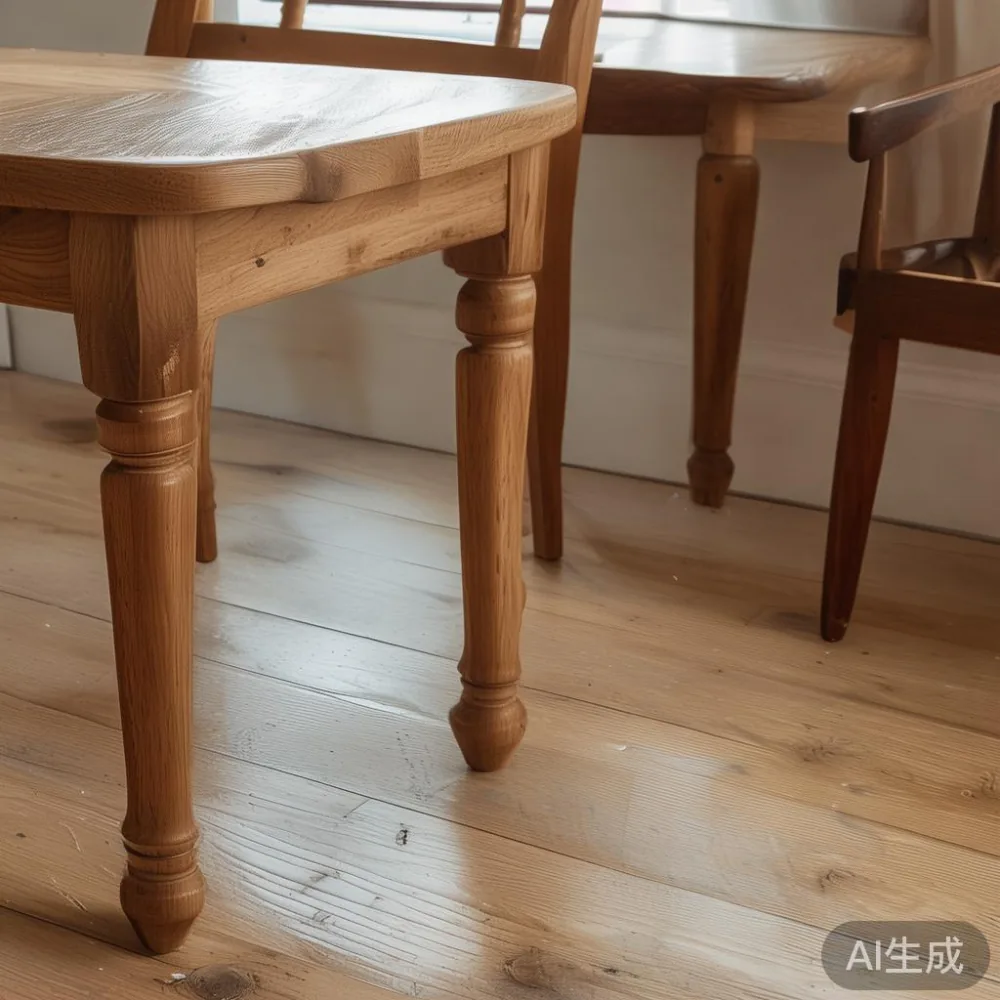
Why does Southeast Asian humidity punish dining chairs more than other furniture?
Because a chair is the one piece of furniture you load unevenly, every single day, in every season. A wardrobe stands still against a wall. A bed frame bears weight across a wide plane. A dining chair takes 70–95 kg of human mass through two back legs, plus a rocking toddler, plus a leaned-back teenager watching a phone. Now add wood — wood that breathes. A solid oak dining chair is in effect a humidity sponge. When ambient moisture rises above 65% RH (the threshold most European joinery schools recommend for indoor furniture), the cell walls of the timber absorb water vapour, the fibres swell, and any joint that was not built with movement in mind starts to twist. Singapore sits between 70% and 90% RH for nine months a year. Johor Bahru sits at 78–92% RH most evenings. These are not edge cases; they are the operating environment.
My own apartment in Punggol is a 92 sqm four-room flat, and I keep two calibrated hygrometers — one in the kitchen, one in the dining area. On a wet August morning, the dining-area meter read 86% RH at 7:30 AM. By 10 PM with the air-con running, it dropped to 64%. That 22-point swing in fourteen hours is the same stress cycle your dining chairs endure roughly 350 times a year. The wood expands at night, contracts during the day, and the finish — usually a lacquer or hardwax oil — flexes along with it. Over time, micro-cracks appear at the seat-to-leg junction, and a chair that felt rock-solid on delivery day starts to creak.
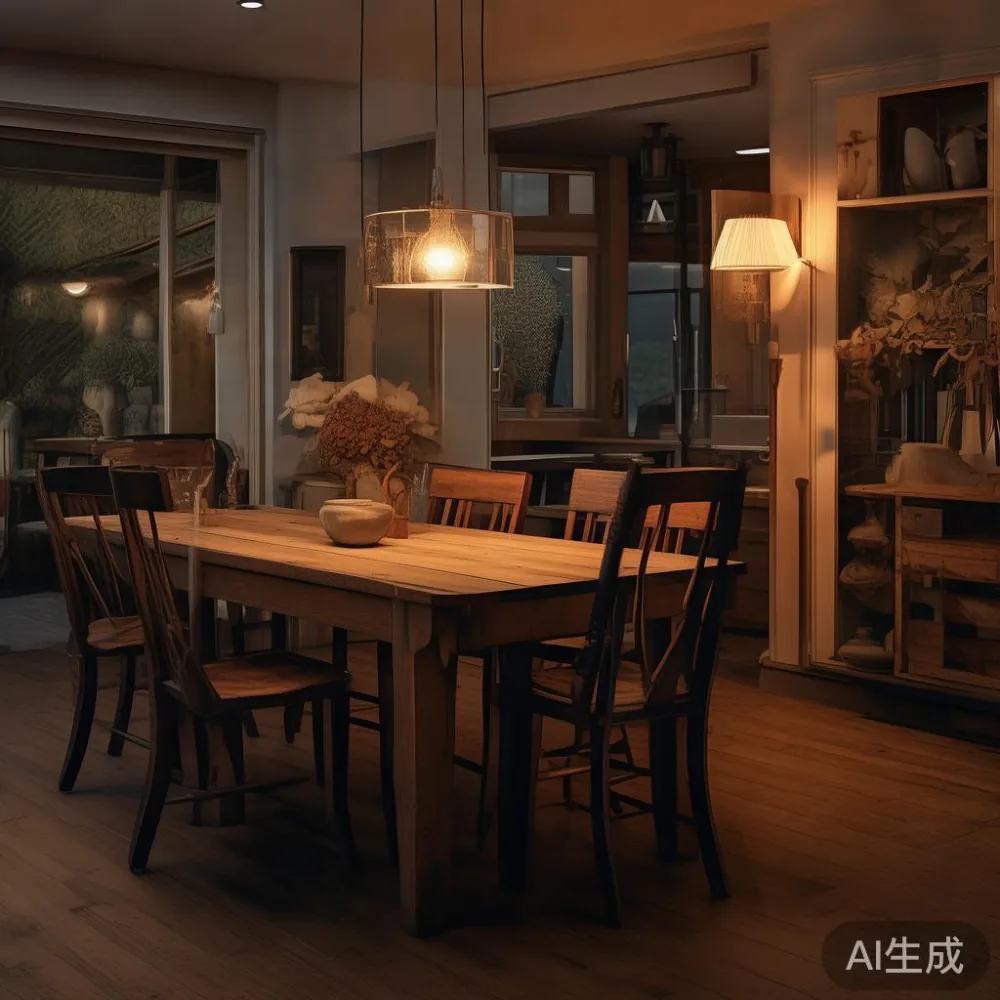
Is European bed furniture worth it?
Yes, European bed furniture is worth it in Singapore when the maker uses kiln-dried solid oak or beech with movement-friendly joinery, but only if you pair it with air-con discipline and a 50–60% RH indoor target. "Worth it" here does not mean "fanciest brand"; it means "survives five humid years without cracking." European oak (Quercus robur) is denser than most American white oak variants used in light luxury ranges, and properly kiln-dried to 8–12% moisture content before assembly, which is exactly what your Punggol flat needs. A solid oak bed frame from a serious workshop will run SGD 1,800–3,400, weigh 60–85 kg, and last 15+ years. The flip side is that you cannot leave it on an un-air-conditioned balcony for three months — I have seen SGD 2,400 frames returned with black mildew blooms because the owner assumed "solid wood means I can store it anywhere." It does not.
Quick comparison for a typical HDB master bedroom (about 14 sqm): a solid wood bed frame in oak or ash (SGD 1,800–2,800) usually outperforms a veneer-over-MDF frame (SGD 600–900) by year three, simply because MDF swells irreversibly above 70% RH. Pair the bed frame with a matching nightstand (around SGD 480–720) and you have a coordinated set that handles Singapore nights without drama.
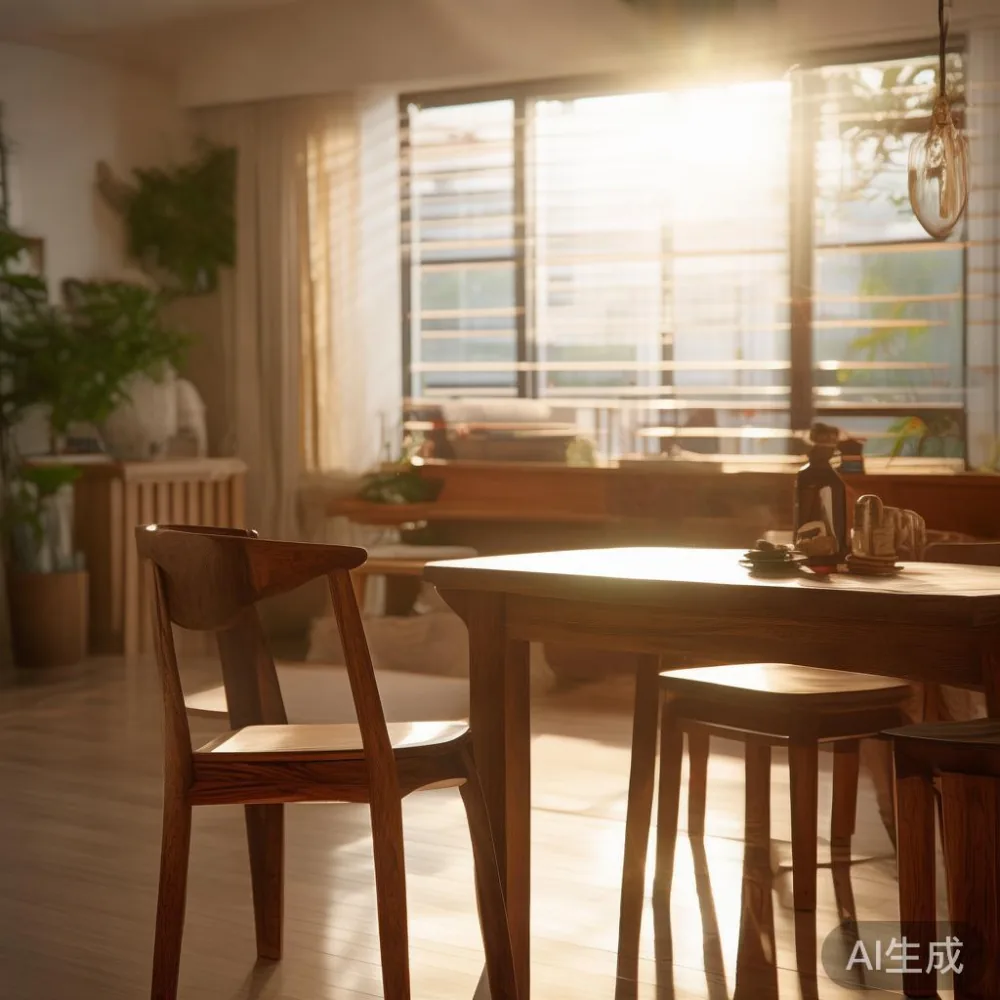
What actually happens to wood at the cellular level in Tampines weather?
Wood is hygroscopic. The cell walls are made of cellulose, hemicellulose, and lignin, and they bind water molecules directly from the air when relative humidity climbs. Above the fibre saturation point (around 28–30% moisture content, far above what any finished furniture will ever see), free water fills the cell cavities. Below that point, only bound water sits inside the cell walls, but it still causes swelling. For every 10% rise in ambient RH, solid oak moves roughly 0.8–1.2% across the grain. A 45 cm-wide dining-chair seat can therefore swell 3.6–5.4 mm during a humid spell. That sounds tiny until you remember the mortise-and-tenon joint it sits in only had 1–2 mm of clearance.
The consequence in real homes: stretchers loosen, seat panels cup, and the chair racks slightly to one side. I measured three chair sets last month in a Bedok resale flat — two sets from 2019, one set six months old. The 2019 sets had between 1.5 mm and 3 mm of racking across the back legs; the new set was perfectly square. The owner of one of the older sets told me she had bought it from a brand that "does not exist anymore," and the stretchers had been glued back twice with off-the-shelf white glue. A properly made dining chair should never need re-gluing in five years if the moisture content at delivery was matched to local conditions.
How should a dining chair be built if it has to survive Punggol air?
Three construction details matter more than the species label on the sales page. First, kiln-drying: the timber should leave the kiln at 8–10% moisture content for tropical shipments, not the 12% common for European sales. Second, joinery: mortise-and-tenon joints with a small allowance (1.5–2 mm) for movement, plus a draw-bored dowel or two for long-term grip, outperform dowel-only or screw-only joints in chairs under 25 kg. Third, finish: a hardwax oil or a catalyzed lacquer that breathes with the wood is better than a thick polyester seal that traps moisture and leads to white blush marks. If you are evaluating a solid wood sofa, bed frame, dining table, wardrobe, or nightstand from any brand, those three rules still apply — they are not dining-chair-specific. They are furniture-hygroscopic rules.
MIDHILL ships from Foshan with kiln schedules tuned for ASEAN importers, and I have personally verified moisture content on a container of dining chairs landed in Tuas at 9.4% MC. That is the right number for Singapore. A friend who imports from a different Foshan workshop measured 13.1% on the same day, and three of his six-piece sets needed acclimation inside the customer's corridor before delivery — corridors that are sometimes only 1.2 m across in older HDB blocks, which is another logistical headache we will get to.
Can a French light luxury or American light luxury dining chair actually cope with Singapore humidity?
French light luxury and American light luxury are styling vocabularies, not material guarantees. A French light luxury chair might be an upholstered beech frame with a pale linen seat; an American light luxury chair might be a walnut frame with a curved back splat. Both styles can survive Singapore — provided the internal joinery is right. The trap is that "light luxury" marketing often hides engineered cores or thin veneers under a luxury-sounding name. A chair that looks French light luxury but uses a 12 mm MDF seat panel will fail inside 18 months in a Tampines flat. Ask for the spec sheet. If the seller cannot tell you the moisture content at packing, the kiln schedule, and the species origin (FAS-grade American oak vs. European oak vs. Chinese oak all matter), walk away. Post-modern light luxury tends to pair darker walnut tones with marble table accents in the dining room, and that combo is workable as long as the marble is sealed against citrus spills and the chairs are not pushed into the marble edge hard enough to chip it.
What does acclimation actually look like in a 1.2 m HDB corridor?
This is the unglamorous part. When a six-seat set arrives in a Tampines or Bedok block, the corridor width between the lift lobby and your door is often 1.1–1.3 m, and the lift door itself is usually 0.9 m wide. A flat-packed dining chair box is around 0.55 m wide and 0.65 m tall; a fully assembled chair is 0.48 m wide and 0.85 m tall. Neither is a problem for the lift, but the turn from the lift into the corridor, plus the entry door, plus the wall-mounted shoe cabinet that eats 15 cm of swing space, means the delivery crew needs to tilt and pivot the chair more than most people expect. Plan for two people on delivery day, and request a delivery window that avoids the 6 PM dinner rush in your block — HDB by-laws are quiet about furniture noise after 10:30 PM, and your neighbours will be quiet about nothing if a sofa scrapes past their door at 11 PM.
Once the chairs are inside, leave them in the dining area for 48–72 hours with the air-con set to 23–25°C before you sit on them. That lets the timber equilibrate to your indoor unit's RH, which is what your daily new chair box (the imaginary humidity container around each piece) will look like going forward. Do not unbox and immediately host a 12-person dinner. The chairs need that 48-hour window.
How do you care for solid wood dining chairs once they are in service?
Three habits cover 90% of complaints. One: keep indoor RH between 50% and 60% with a dehumidifier if you can afford the SGD 25–40 monthly electricity cost. Two: wipe spills within ten minutes — especially soy sauce, sambal, and the condensate ring left under a cold mug. Three: rotate which chairs get the heaviest load every quarter. If you have a six-seat set and only two seats get used daily, those two chairs will age at 3x the rate of the others. I rotate my own four chairs in a Tampines show flat every Sunday morning; it costs nothing and the set still looks new after 26 months.
For ongoing maintenance, a soft beeswax paste applied every six months restores the sheen on oak and ash dining chairs. Avoid silicone sprays that leave a permanent film — they look great for three months, then trap grime and dull the surface. If a joint loosens, do not reach for white glue; use a hide-glue or a PVA rated to EN 204 D3/D4, which tolerates the moisture swings. If the finish cracks, do not sand through the colour coat. Call the maker. MIDHILL offers lifetime refinishing on dining chairs shipped into Singapore, and the cost from Foshan back to your Punggol flat is usually covered for the first ten years if the warranty applies. Other studios and local makers can match this only if they hold the original finish formula on file.
What about the black oak return policy and warranty paperwork at the border?
Customers often ask about the black oak return policy when they realise a darker finish shows humidity marks more visibly than a natural oak finish. The honest answer: dark-stained oak shows water rings, micro-cracks, and finish blush far more than pale ash or natural oak. If you choose a black oak dining chair for a Bedok flat that you air-condition only at night, expect to see ring marks under every cold mug within six months. The return policy most serious Foshan exporters honour is a 14-day inspection window from delivery date, plus a 10-year structural warranty on joinery. Keep the original packing, the customs paperwork, and the moisture-content certificate if the maker supplies one. If you cannot find the certificate, ask — any workshop kiln-drying to 8–10% MC will have a log to share, and a brand that refuses to share it is hiding something. GST, taxes, and import duty on furniture into Singapore run 9% GST on the CIF value plus a small customs fee; budget roughly SGD 150–260 in duties on a SGD 2,800 dining set landed at your door.
How long does delivery actually take, and what does free shipping over US$350 mean in SGD?
Sea freight from Guangzhou or Foshan to Singapore Tuas takes 5–8 days door-to-door under normal scheduling, plus 2–4 days for customs if your shipment consolidates with a few others. Liftgate delivery to a Tampines block adds SGD 40–80 depending on floor. The "free shipping over US$350" threshold translates to roughly SGD 480 at today's FX, which a six-seat dining set clears easily. A four-seat set in solid oak typically lists at SGD 1,800–2,400, a six-seat set at SGD 2,400–3,200, and a marble table paired with six chairs at SGD 4,800–6,200 including the dining chairs and a 1.6 m sintered-stone top on an ash base. Free shipping applies, GST applies, but no hidden liftgate fee should appear at booking.
What should you actually buy for a Tampines four-room HDB?
If I were furnishing a 92 sqm Tampines four-room for a family of four, I would pick a six-seat solid oak dining set at SGD 2,400–2,800, an American oak dining table at SGD 1,800–2,400, four dining chairs in two pairs to allow rotation, and one nightstand per adult bedroom at SGD 480–720 each. Skip the marble table if you have children under six — sintered stone gives the marble look without the SGD 1,200 refinishing bill after the first calamansi spill. For the bed frame, a king-size solid ash frame at SGD 2,200–3,200 will outperform cheaper MDF options by year three, especially in a master bedroom that you air-condition only at night. Total spend lands around SGD 9,000–11,000 for the dining set, table, bed frame, and two nightstands — a reasonable mid-range solid wood package for a resale HDB, with shipping, GST, and a small contingency buffer.
The single biggest mistake I see in Punggol ECs and Bedok condos is treating the dining set as disposable. A solid oak dining chair, kiln-dried and properly finished, is one of the few furniture pieces that genuinely gets better with age if you keep the air-con disciplined. Treat the set the way you treat a mechanical watch: rotate it, service it, keep it out of direct afternoon sun through the west-facing window. It will outlast two sofa replacements and one wardrobe refit. If anything warps within the first 24 months, raise it with the maker immediately — that is what the 10-year structural warranty is for, and a brand like MIDHILL will arrange pickup from your block and a credit note within 14 working days. Other studios and workshops operating out of Foshan can match the timeline only if they pre-approve the warranty home paperwork at the time of order.
Final field note from a humid October
If you take one thing from this guide, take the hygrometer. Spend SGD 18 on a calibrated unit, log indoor RH for a week, and you will know your flat better than any interior designer. Singapore's humidity is not a problem to solve; it is an operating condition to design around. A dining chair built for that condition will feel solid for a decade. A dining chair built for a showroom in Milan will fail by month 18, no matter how pretty it is. Choose solid wood, choose kiln-drying, choose joinery, choose a brand that documents its moisture content — and your Tampines or Bedok dining area will be the most stable room in the house, even in peak monsoon season.