How Southeast Asian Humidity Affects Wood Dining Furniture
Singapore’s warm, humid climate can change the dimensions, finish and appearance of solid wood furniture. Relative humidity often reaches 70–85% during wet periods, while air-conditioned interiors may fall to 45–60%. For dining chairs, repeated swelling and shrinking can loosen joints, make seats feel sticky, and cause checking in lacquered surfaces. For larger pieces such as a dining table, bed frame, wardrobe or nightstand, movement may be less visible at first but can affect doors, drawer runners and tops over several years.
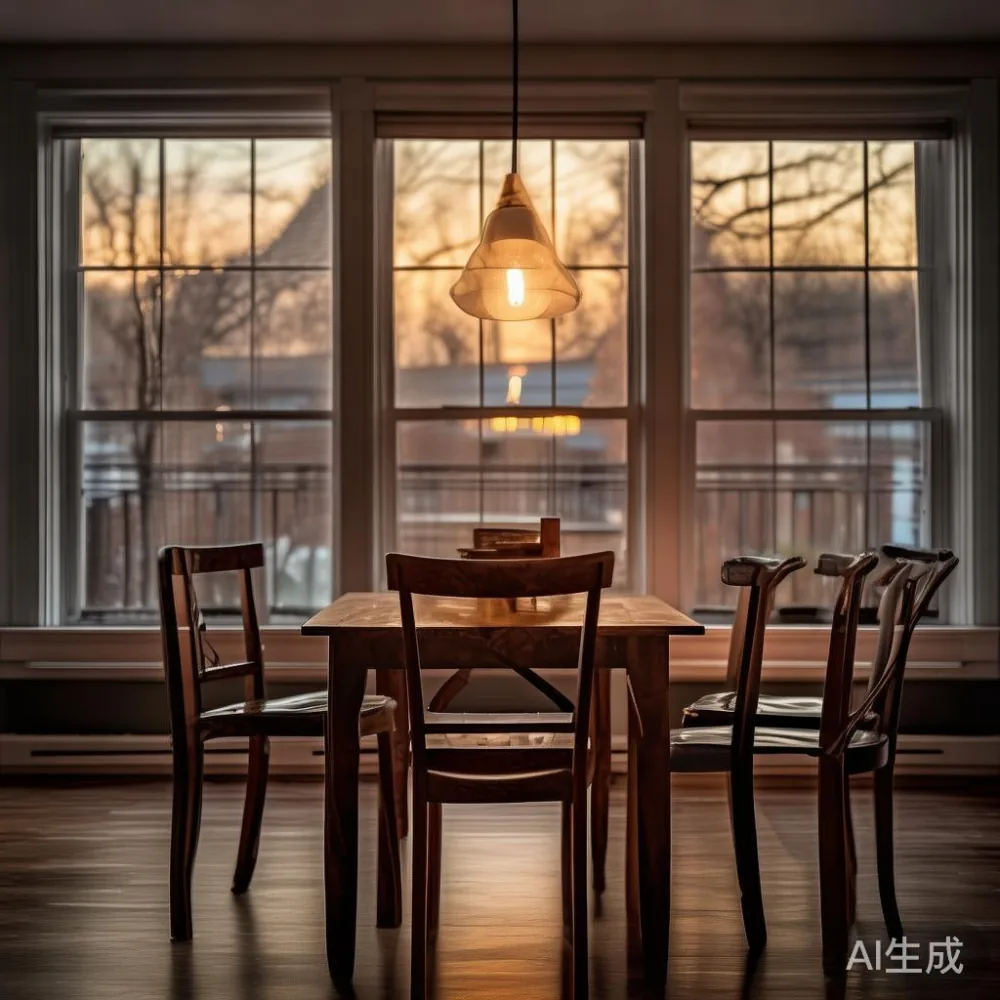
This guide explains how moisture affects common hardwoods, what Singapore homeowners can do inside HDB flats and private condos, and how to select furniture that suits tropical conditions. It also covers delivery logistics in Tampines, Bedok and Punggol, where lift sizes and corridor turns sometimes matter more than a showroom photograph suggests.
Does 80% humidity damage solid wood dining furniture?
Humidity does not automatically ruin solid wood dining furniture. Properly kiln-dried timber can tolerate normal seasonal variation, but speed, airflow and exposure still determine how quickly moisture enters the wood. A chair near an open balcony in Punggol may behave differently from one beside an air conditioner in a Bedok condo, even when both are only 4 km apart.
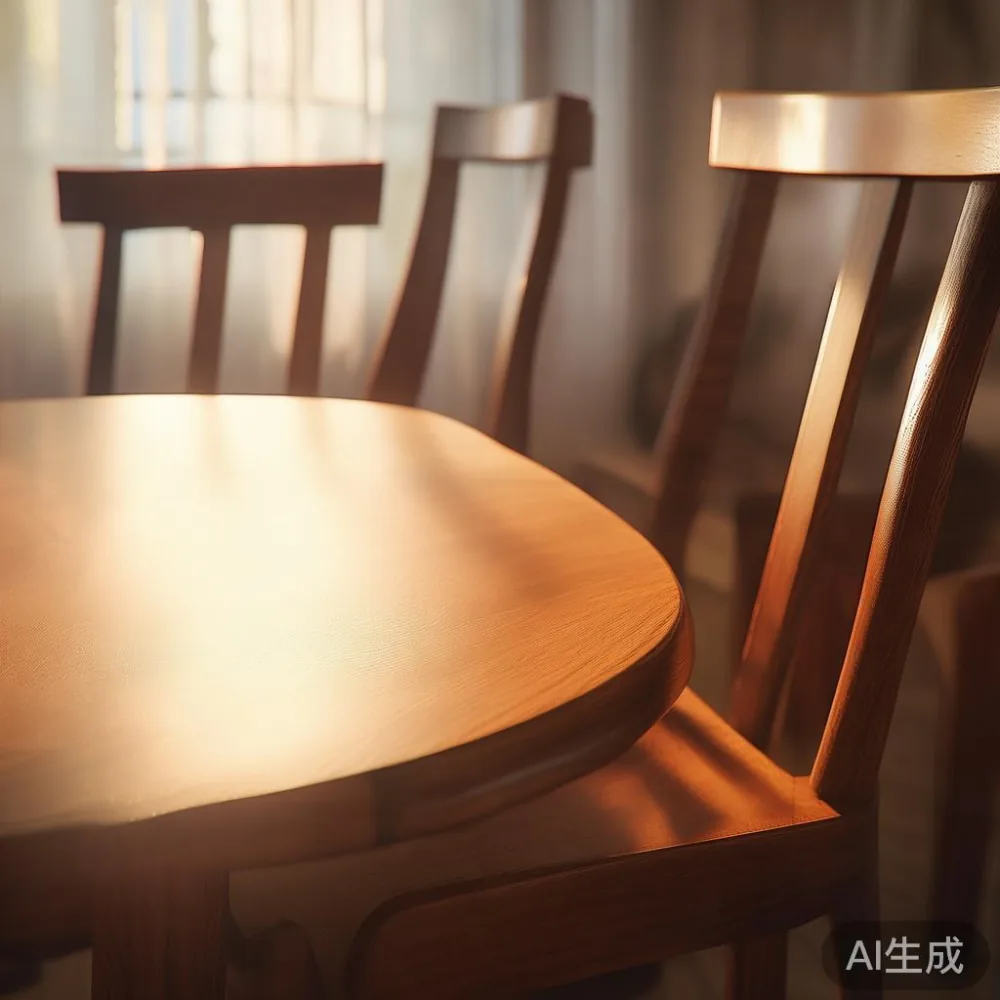
Wood is hygroscopic: it absorbs atmospheric moisture through exposed surfaces and releases it when the air becomes drier. Above roughly 65% relative humidity, many hardwoods begin taking on more water. When relative humidity drops below 45%, the fibres can lose moisture and contract. The important figure is not a single reading, but the number of swings between damp and dry conditions.
For example, a dining chair seat 45 cm wide and 38 cm deep may expand by 1–3 mm along its grain during a prolonged humid spell. That movement is modest, but it can create a slight mismatch at a mortise-and-tenon joint or a veneer edge. A dining table top 180 cm long and 90 cm wide can show more visible movement across its width if one side is exposed to a fan or direct air-conditioning airflow.
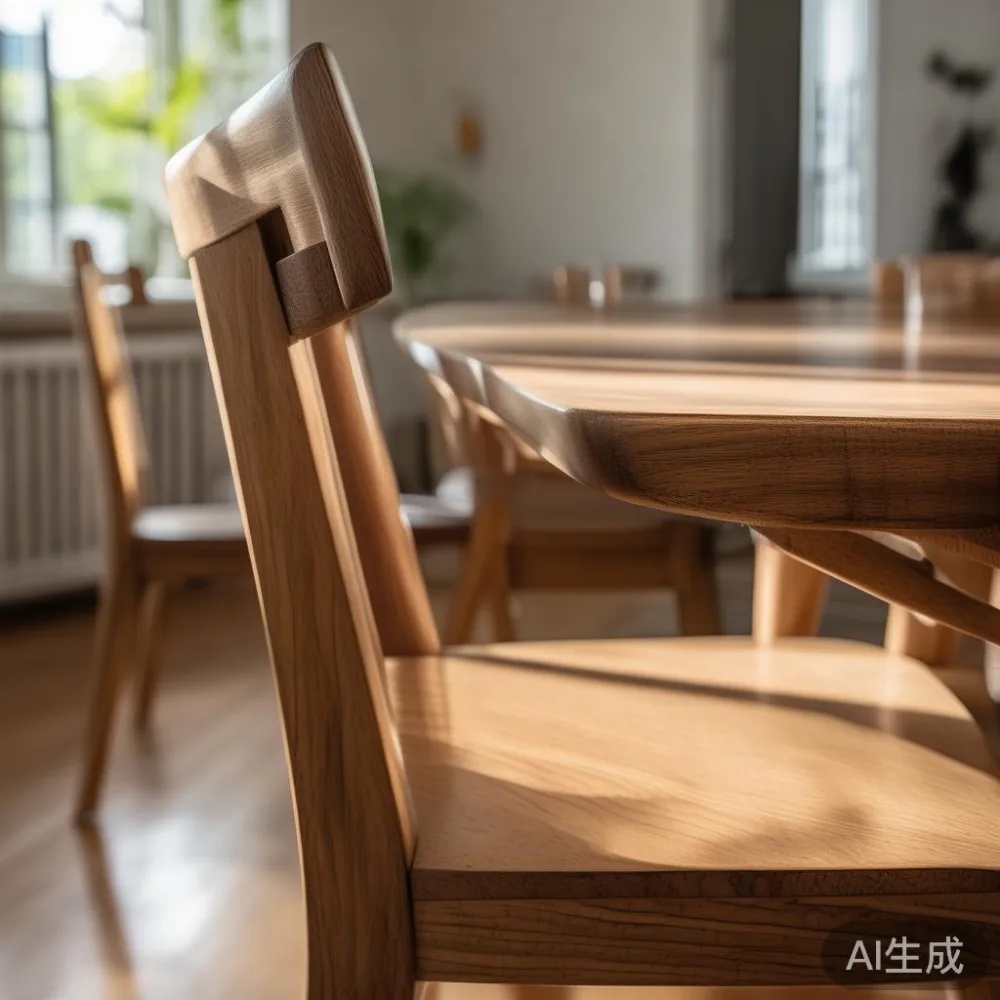
The safest arrangement is a stable indoor environment around 45–65% relative humidity, with gentle air circulation. Keep solid wood dining chairs and dining tables 30–60 cm away from windows with persistent condensation, 1–2 m from air-conditioning vents, and 20 cm above a tiled floor or skirting.
Which woods and finishes suit Singapore’s humidity?
Mid-density hardwoods such as rubberwood, beech, ash and some kiln-dried oak are often practical in Singapore because they are less demanding than very dense tropical hardwoods. The exact behaviour depends on cut, moisture treatment, protective finish and construction. A stable frame matters more than a fashionable species label.
Solid wood dining chairs with mortise-and-tenon joints, rear bracing and a seat that is not completely sealed underneath can accommodate dimensional movement more readily than chairs built with heavily rigid corner blocks. Look for even drying, tight joints and a satin finish that can be maintained. High-gloss lacquer can show fine checking, while an open-pore oil or matte hardwax finish makes texture easier to inspect and refresh.
Oak, teak and other woods have different movement rates, so mixed species should not be treated as identical. Teak’s oily character is useful around food and moisture, but it still needs controlled indoor storage. Pale ash can reveal humidity-related colour shifts quickly. Walnut and other dark hardwoods can develop lighter patches if damp and dry periods alternate.
Marble table and marble-top dining furniture has a different risk profile because stone does not swell like timber. A marble table may need attention for condensation, lifting of protective sealants or stains, but its metal and timber supports still require humidity-aware assembly. A matching solid wood sofa, bed frame, wardrobe or nightstand should not be placed immediately beside an exterior wall that remains damp.
Finishes should be labelled clearly. “Water-resistant” does not mean suitable for standing rain, while “moisture-resistant” does not remove the need for indoor humidity control. Ask the supplier for the expected indoor relative-humidity range, wood species, finish type and care interval.
How should I protect dining chairs in an HDB flat?
In an HDB dining area, the main threats are kitchen steam, bathroom humidity, balcony rain and air-conditioner drying. A compact dining chair measuring 48–52 cm wide and 82–90 cm tall may be difficult to move through a 80–90 cm corridor turn or a 90–100 cm lift opening. Before ordering, measure the chair’s widest point, the diagonal needed at corners and the route from the lift lobby to the dining area.
Allow 10–15 cm of clearance around a table where possible. A chair pulled out for someone to sit needs roughly 60 cm of movement space, so a 90 cm-wide table in a narrow dining zone may feel cramped. This is a comfort issue, but it also reduces the temptation to drag chairs across tiles, which can stress joints and scratch feet.
Use a washable mat beneath a sink-side chair, but avoid thick rubber mats that trap moisture beneath the legs. Wipe drinks promptly, especially around a 5–10 cm radius around glassware and condiments. Rotate chair positions every 2–3 months so no seat receives constant sunlight or airflow.
Do not place dining chairs against a cold return-air grille. A Singapore air conditioner may cool air by 8–12°C in a hot afternoon, producing a local relative-humidity swing of 15–25%. Even moderate room humidity can become troublesome at the vent itself.
For ventilation, run exhaust fans during cooking and bathroom use. Target 30–60 minutes of mechanical ventilation after these activities. Keep windows closed when outdoor humidity is already above 75%, and use blinds to reduce solar heating. A hygrometer placed near the dining area gives a more useful reading than a general weather app.
How do I move and deliver furniture around Tampines, Bedok and Punggol?
Local delivery requires measurements, not optimism. Most HDB lift doors measure about 80–90 cm wide and 200–210 cm high, though older blocks differ. Service lifts can have a car depth of 140–160 cm and a door width of 90–110 cm. A dining table may need to be turned on its side, while a dining chair can often pass through more easily if its width is below 50 cm.
Provide the block, floor and unit to the delivery team, along with photos of the lift lobby and corridor. Confirm whether a service lift booking is required. A stair carry adds labour time and increases the chance of knocks to chair backs and table corners.
For larger projects, plan a delivery window of 5–10 working days after production or stock confirmation. Singapore GST is normally 9%; request the final landed total including GST, installation and any lift or parking charges. Delivery to an HDB unit should not assume that the driver can wait indefinitely for a parking permit.
MIDHILL was established in 2008 and exports to more than 15 countries, so its export packing methods are designed for long routes rather than simply dropping a carton at a doorstep. Yet Singapore delivery still requires a local measurement check. The brand’s 10-year structural warranty applies to qualifying structural components, while a lifetime refinishing service offers long-term care. Confirm the applicable terms for your purchase, since finishes and accidental damage may be handled differently.
Returns are accepted within 14 days under the stated policy, subject to condition and eligibility. Items should be checked promptly for finish marks, joint movement or transport damage. Keep protective packaging for 7 days if assembly is required.
What humidity control equipment and daily habits actually work?
A small digital hygrometer costing about SGD 12–30 is enough for monitoring one dining zone. Place it 1–1.5 m above the floor and away from direct vents, windows and kitchen steam. Record readings at breakfast and dinner for 7 days before bringing in expensive furniture. If the display repeatedly shows 70% or higher, inspect ventilation and dampness before ordering.
Dehumidifiers can help during sustained wet weather. A unit suitable for a 20–30 m² HDB dining space may remove 10–20 litres of water per day, depending on conditions. Running one in a closed room without outdoor air access may increase heat and should be planned carefully. Target 50–60% relative humidity rather than chasing a perfectly constant number.
Air conditioners control temperature and reduce moisture when the system is actively cooling and dehumidifying. In dry periods, they can over-dry timber. A separate hygrometer reveals this. If a dining area remains below 45% for several hours, redirect the air, use a wider vent setting or moderate the cooling rather than misting the wood.
Daily care takes less than 10 minutes. Dust with a soft cloth, clean spills within 30 minutes, and avoid steam cleaners or dripping wet cloths along chair joints. Re-oil or renew a compatible surface treatment every 12–24 months, following the finish manufacturer’s instructions. Do not mix silicone, solvent and oil products, because residues can cause patchiness.
For upholstered elements, keep moisture away from the solid wood frame and remove covers for cleaning according to their care label. A solid wood sofa in a humid room should have around 10–15 cm of ventilation space behind it if the back is close to a wall. A bed frame and nightstand benefit from the same separation from exterior walls, and a wardrobe should have 5–10 cm of space above and at the rear where installation allows.
How should I choose dining chairs for a light-luxury home?
Light luxury works well in Southeast Asian interiors when it is restrained, tactile and proportionate. French light luxury often uses pale oak, cream upholstery and curved chair backs; American light luxury leans toward generous seating, clean profiles and warmer woods. Post-modern light luxury can pair one distinctive dining chair shape with a simpler table, avoiding a crowded collection of unrelated forms.
The material story should remain coherent. Curved solid wood dining chairs may pair with a dining table in a similar grain and tone, while a marble table can contrast with pale timber seating without making the room feel cold. A nordic light luxury sofa in an adjoining living room establishes a calm visual base, and the dining area can echo its pale palette rather than compete with it.
For hotel-inspired planning, European light luxury for hotel references typically combine measured spacing, durable natural materials and quiet detailing. The same principle helps in a condo: reserve 90 cm around the table where space allows, keep visible cables out of circulation routes and select furniture that can be maintained by one person. Modern light luxury for hotel is equally relevant to Singapore’s compact apartments, where visual order and durable finishes support daily use.
Bedroom comparisons can guide a whole-home finish palette. In a light luxury bed vs Italian light luxury bed comparison, evaluate humidity response, frame stability and finish maintenance, not only carved detail. The same discipline applies when asking how to style Japanese bed in room or how to style French bed in room: balance tone, clearance and touch rather than filling every wall with matching furniture.
For the dining chairs themselves, sit for 15–20 minutes during a trial period. Check whether the seat edge presses the back of the legs, whether the chair rocks on uneven tiles, and whether the back angle remains comfortable. A quality dining chair should feel solid without requiring 90–110 kg of concentrated force on its back rail. Upholstery should be removable or cleanable in humid conditions, and wooden seats should not feel tacky after a 30-minute meal.
What should I ask a solid wood supplier before paying?
Ask direct questions: “What is the wood species?”, “What moisture content should the timber have when packed?”, “Which finish is used?”, “Can the furniture tolerate 45–65% relative humidity?”, and “What happens if the lift or corridor is smaller than expected?” A clear answer should include dimensions in centimetres, component materials, expected delivery time and the treatment of GST.
A supplier that offers European light luxury for hotel, Modern light luxury for hotel and French-inspired dining chairs should still explain the technical construction. Product references can help define a style, but kiln-drying records, joint design and after-sales care determine how furniture performs in Singapore.
For a coordinated home, request wood samples of about 5 cm by 5 cm. Hold them beside existing flooring, curtains and tabletop finishes under daylight. A sample may look different at 7 p.m. under warm LEDs, so view it during both conditions. This matters because one dining chair can change the perceived colour of an entire dining area.
MIDHILL’s stated refinishing service can support furniture through later care cycles, while the 10-year structural warranty gives defined structural reassurance. Customers with more than 14 days of delivery and delivery-charge questions should obtain written terms before checkout. Free shipping over US$350 is stated for eligible orders, although Singapore delivery arrangements and the final SGD total should be confirmed directly.
Humidity control cannot make a tropical interior perfectly dry, but it can prevent avoidable stress. Measure the room, watch the hygrometer, keep furniture away from damp walls and harsh air streams, and choose dining chairs that allow small dimensional changes. Used consistently, these habits protect the joints, surface and proportions that give a well-made dining set its character for many years.