What Actually Drives the Price of Solid Wood Furniture?
Walking through a furniture showroom in Singapore, the price difference between two seemingly similar dining chairs can be staggering. One might be priced at SGD 180, while another, with a comparable silhouette, commands SGD 450 or more. For homeowners in Tampines planning a new dining set or those in Punggol furnishing a condo, understanding this disparity is key to making a smart investment. The price of solid wood furniture, especially dining chairs, isn't a simple reflection of its size or appearance. It's a complex calculation of raw materials, craftsmanship, design, and logistics, all filtered through the specific realities of the Singaporean market.
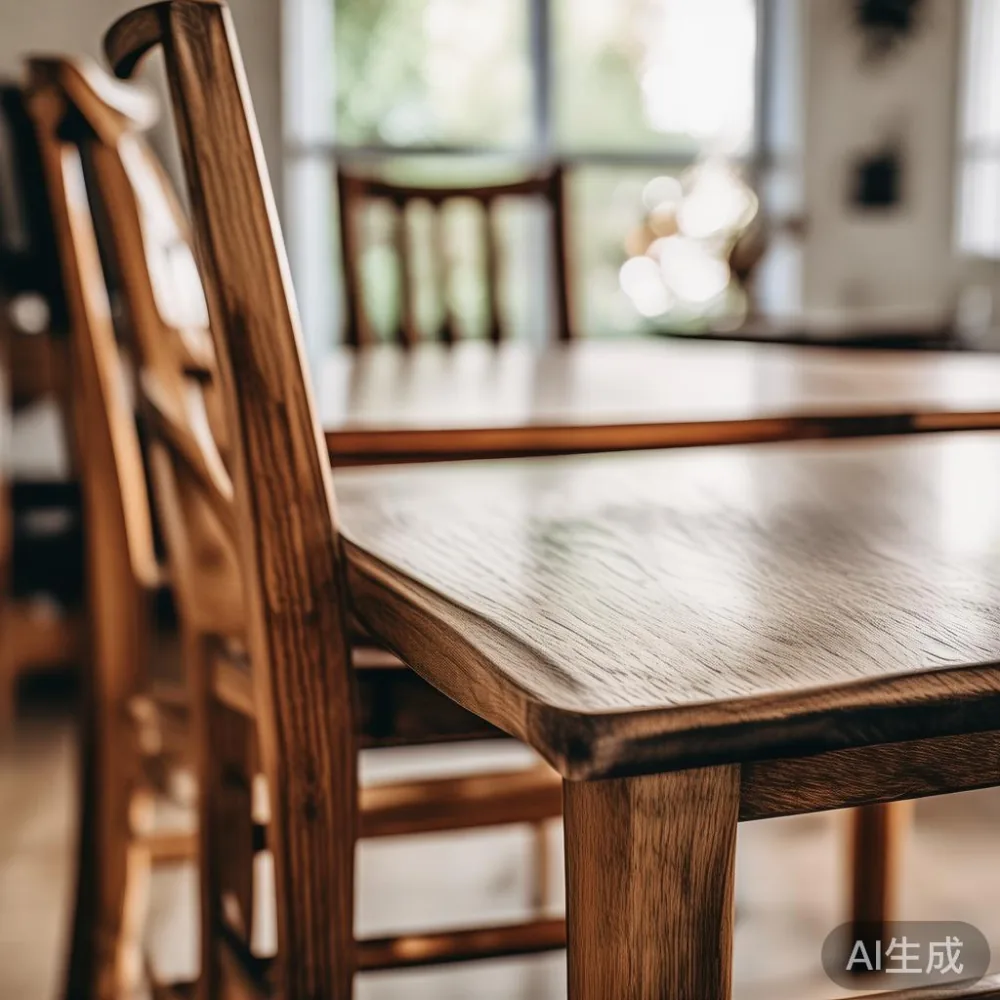
Why Does a Dining Chair Cost So Much? The Material Truth
The foundation of any solid wood piece is, unsurprisingly, the wood itself. Not all wood is created equal, and the species used dramatically impacts the final price. For dining chairs, which endure daily use, the choice of wood is a balance of durability, aesthetics, and cost.
Common hardwoods used in quality dining chairs include Oak, known for its prominent grain and strength; Ash, which offers a lighter colour and excellent flexibility; and Rubberwood, a more affordable but still durable option. A dining chair made from solid American White Oak will naturally be more expensive than one crafted from Rubberwood. The cost difference isn't just about the tree; it's about the board feet of lumber required. A single dining chair might use approximately 0.8 cubic feet of wood. High-quality, straight-grained lumber with minimal knots is more expensive to source and yields fewer usable parts from a single log.
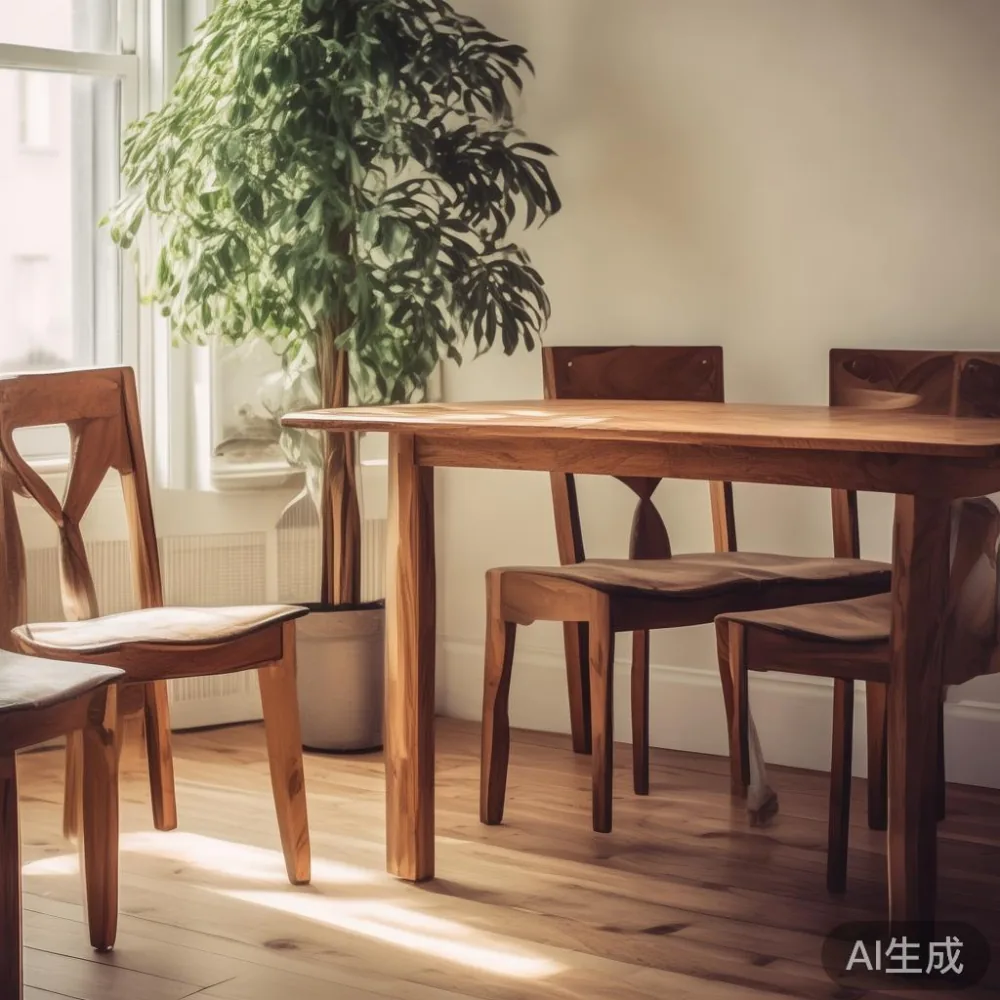
What's in a Design? The Influence of Style and Complexity
Design is where furniture transcends function and becomes art. The style of a dining chair directly correlates with the labour involved in its creation. A simple, Shaker-style dining chair with clean lines and a flat slat back is relatively straightforward to manufacture. The cuts are basic, and the joinery is straightforward.
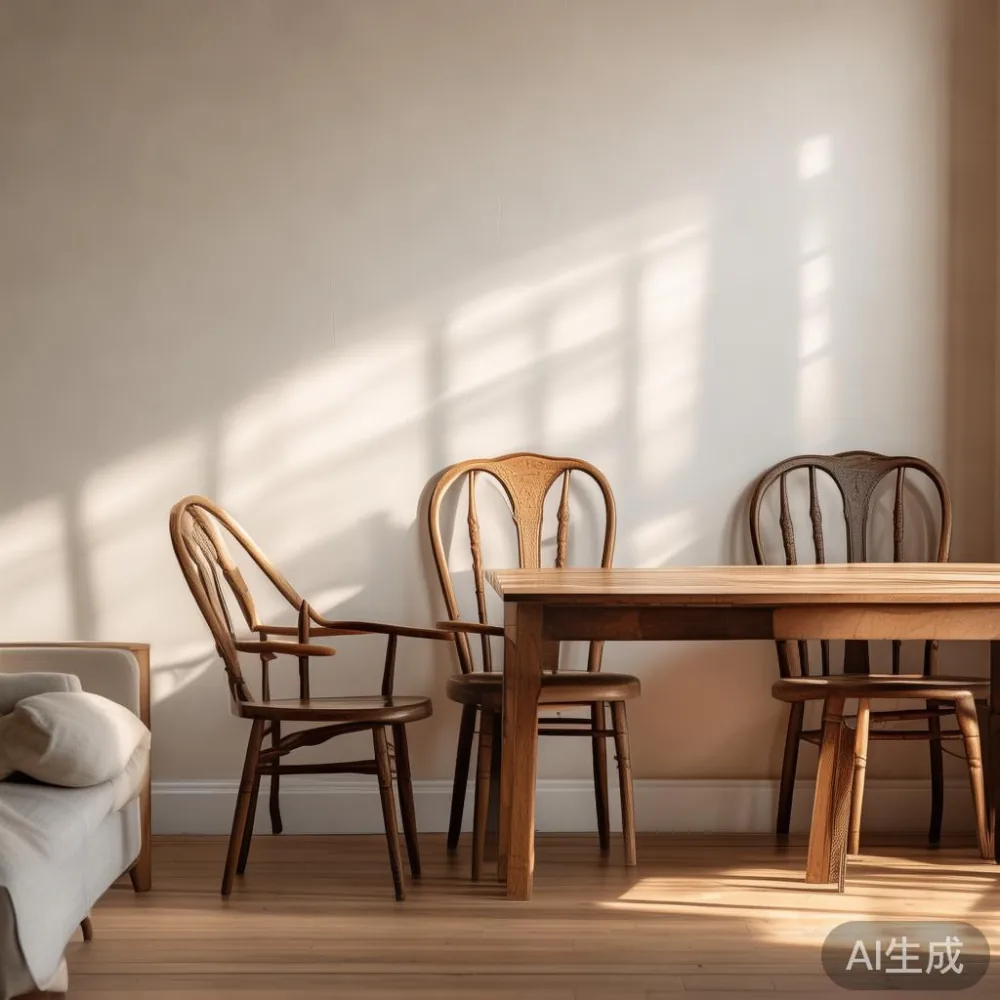
Now, consider a dining chair with a curved back, intricate hand-carved details, or a woven seat made from genuine leather or abaca fibre. The complexity increases exponentially. Curved pieces require steam bending or more complex joinery, which demands specialized machinery and highly skilled labour. Hand-carving is a time-intensive process that can add hours to the production time of a single chair. This is the area of French light luxury, where ornamentation and elegance are paramount. A dining chair inspired by this style might feature ornate floral motifs on the backrest, a design that cannot be rushed.
The weight of the chair is also a factor. A heavier, more substantial dining chair often implies more solid wood and a more solid construction, contributing to a higher price. A standard dining chair might weigh around 6-8 kg, whereas a more ornate, solid wood version could weigh 10 kg or more, impacting shipping costs and handling.
Why Does Craftsmanship Cost So Much? The Human Element
Behind every piece of fine furniture is a team of skilled craftspeople. The price you pay reflects the hours of skilled labour that go into creating a durable, beautiful object. Mass-produced furniture relies on automated processes and simple joinery like staples and glue blocks. High-quality solid wood furniture, however, is built to last generations.
Look for details like mortise and tenon joints, where a square peg (tenon) fits precisely into a square hole (mortise), often secured with a wooden dowel. This is a far stronger and more labour-intensive method than simple butt joints. The finish is another indicator of craftsmanship. A hand-rubbed finish, applied by a skilled technician who buffs the lacquer to a deep, lustrous sheen, takes significantly longer than a simple spray-painted finish. This attention to detail ensures the dining chair not only looks good but can withstand the rigours of daily life in a Singaporean condo, from accidental bumps to the wear and tear of family dinners.
Last month, I visited a partner workshop in Foshan. I watched as a master carpenter hand-finished a dining table. He spent over an hour on just one corner, sanding and applying layers of oil to achieve a perfect, smooth feel. It was a powerful reminder that this level of care cannot be rushed or automated, and it is a key component of the price.
How Do Singaporean Homes Affect Furniture Pricing?
The context of the buyer's environment is a critical, often overlooked, factor in pricing. Furniture sold in Singapore must be adapted to local living conditions. This includes considerations for space, climate, and regulations.
For HDB flats in Tampines or Punggol, space is a premium. A bulky, ornate dining set might look grand in a showroom but could overwhelm a typical 4-room flat's dining area. As a result, manufacturers often offer more compact designs or modular dining chairs that can be tucked away. The logistics of delivery are also a factor. Singapore's standard lift size in most HDB blocks is approximately 110cm wide by 110cm deep. A dining chair must be designed to fit through these dimensions, which can sometimes limit the design's scale. Delivery to a high-floor condo in Bedok requires a smaller vehicle and careful manoeuvring, adding to the cost compared to a ground-floor warehouse delivery.
Climate is another major factor. Singapore's high humidity can cause wood to expand and contract. Furniture must be constructed and finished to withstand these conditions. This means using stable wood species, applying moisture-resistant finishes, and sometimes incorporating design elements like small gaps in panels to allow for movement. A poorly constructed dining chair could start to creak or warp within a year in this climate. The Goods and Services Tax (GST) of 9% is also applied to the final price, adding a significant layer of cost that is unavoidable for all furniture sold in the republic.
Is a Cheaper Dining Chair Really a Bargain?
This is the question every Singaporean homeowner should ask before making a purchase. A dining chair priced at SGD 120 might seem like a steal compared to a SGD 450 option. But the long-term value tells a different story. The cheaper chair is likely made from a softer wood like pine or a composite wood with a thin veneer. The joinery will be simple, relying on glue and staples. The finish might be a thin layer of paint that will chip and reveal the material underneath.
In a high-traffic area like a dining room, this chair will likely show significant wear within 2-3 years. The legs may become wobbly, the seat may sag, and the finish may peel. Replacing a set of four chairs every few years ends up being far more expensive in the long run than investing in one high-quality set upfront. A well-made solid wood dining chair, on the other hand, is an investment. It will maintain its structural integrity for decades. Its beauty will endure, and it can even be refinished if the style becomes dated. This is where the value of a lifetime refinishing guarantee, offered by established makers like MIDHILL, becomes apparent. It ensures that your dining chairs can be restored to their original glory, no matter how life in your Singapore home changes.
The Hidden Costs of Bringing a Dining Chair to Your Door
The price tag on a dining chair doesn't just cover the materials and labour to make it. It also includes the significant costs associated with getting that chair from a factory in Foshan to your living room in Singapore. This is a global supply chain with several key expenses.
First is the cost of raw materials. High-quality logs are sourced from various parts of the world, processed into lumber, and shipped to China. This involves freight costs, import duties, and handling fees. Second is manufacturing. The workshop itself has overheads: rent for a facility in a major industrial area, electricity for machinery, and salaries for a skilled workforce. Third is quality control. Every piece is inspected for defects, ensuring it meets the brand's standards before it is packaged. Fourth is international shipping. A container ship carrying furniture from Foshan to Singapore's port takes approximately 7-10 days. The cost of this sea freight, along with port handling and customs clearance, is substantial and is factored into the price of each dining chair.
Finally, there is the domestic delivery. A reputable company will offer free shipping for orders over SGD 350, but this is a service cost. It includes paying drivers, fuel, and logistics for working through Singapore's roads and fitting furniture into lifts. This entire logistical journey, from the forest to your floor, is a complex and expensive process that is invisibly woven into the final price of your dining chairs.
How to Style Your Dining Room for a Light Luxury Feel
Understanding the value of a solid wood dining chair is the first step. The next is creating a cohesive and stylish dining room that reflects your taste. Light luxury is a popular aesthetic in Singaporean homes, offering a sense of understated elegance and comfort. It's about creating a space that feels both sophisticated and livable.
For a French light luxury dining room, the focus is on curves, soft colours, and ornate details. Pair your elegant solid wood dining chairs with a marble-topped dining table. The cool, reflective surface of the marble contrasts beautifully with the warmth of the wood. A European light luxury sideboard, with its clean lines and perhaps a subtle metallic inlay, can provide storage while enhancing the room's refined aesthetic. Lighting is key; a chandelier with crystal details or a series of elegant pendant lights can create a focal point above the table.
If your preference leans towards American light luxury, the style is often grander and more rustic. Think of a large, solid wood dining table made from reclaimed oak, paired with substantial leather-upholstered dining chairs. The texture of the leather adds a layer of richness. In this context, a solid wood coffee table in the adjacent living area, perhaps with a live edge, can create a smooth flow between spaces. The key is to balance the grandeur of the pieces with the comfort of the home, ensuring the dining room is a welcoming space for family and friends.