What Actually Drives the Price of Solid Wood Furniture
When furnishing a Singapore home, especially in compact spaces like a Tampines HDB flat or a Punggol condo, every decision counts. The furniture must fit physically, aesthetically, and financially. A common point of confusion for many homeowners is the significant price range for solid wood furniture, particularly dining chairs. Why does one dining chair cost SGD 150 while another, seemingly similar, is priced at SGD 450? The answer lies not in a single factor, but in a complex interplay of elements that determine the final cost. This article breaks down the actual drivers of price, using concrete examples and local context to help you make a more informed decision for your home.
Material Matters: It's Not Just "Wood"
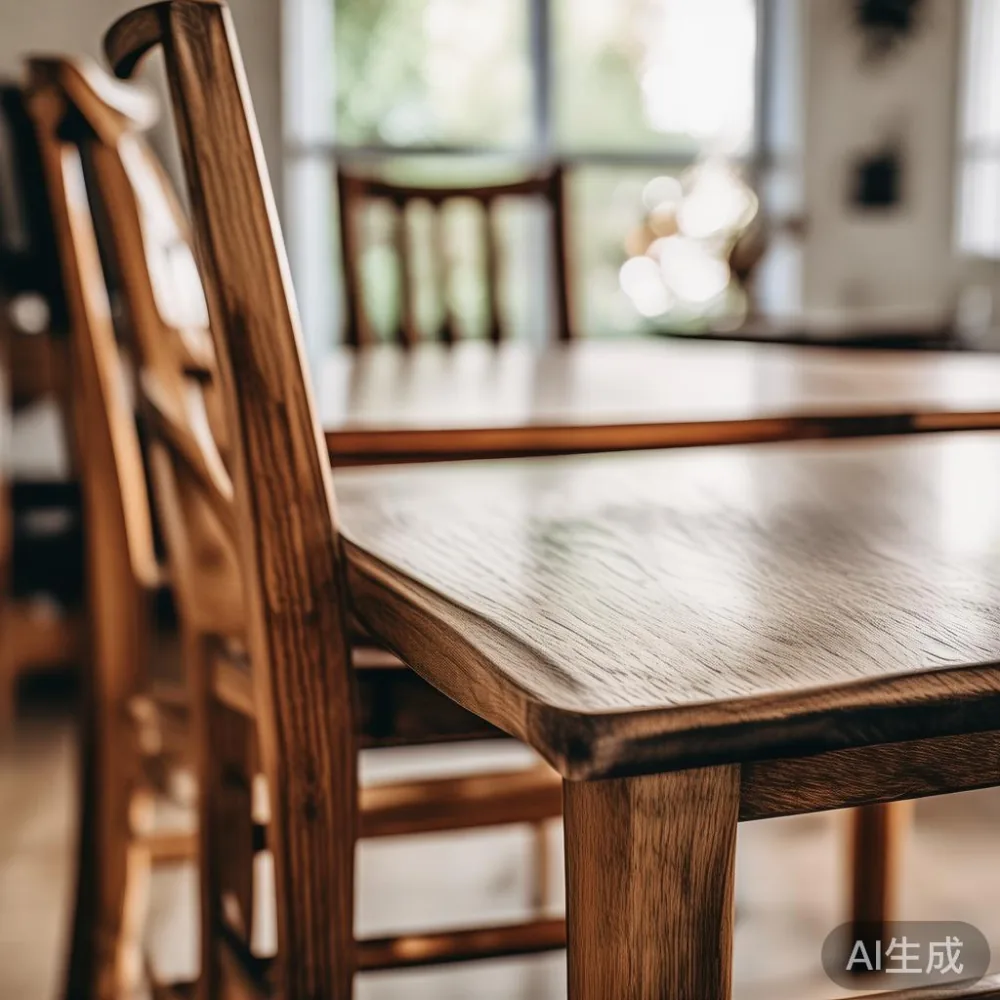
The single biggest factor influencing the price of any solid wood furniture piece, including dining chairs, is the wood itself. The term "solid wood" is broad, encompassing hundreds of species with vastly different characteristics, costs, and origins. For a dining chair in a Singaporean apartment, the choice of wood impacts weight, durability, and appearance.
Let's compare two common choices: Rubberwood and Oak. A dining chair made from solid rubberwood might weigh around 5-6 kilograms and cost between SGD 180 and SGD 250. In contrast, a dining chair crafted from solid American White Oak could weigh 8-9 kilograms and be priced from SGD 380 to SGD 550. The price difference isn't arbitrary; it's based on the wood's density, hardness, and global supply chain. Oak is a slow-growing, dense hardwood prized for its strength and beautiful grain pattern, making it more expensive. Rubberwood, a sustainable by-product of the latex industry, grows faster and is lighter, making it a more budget-friendly option without sacrificing structural integrity for everyday use.
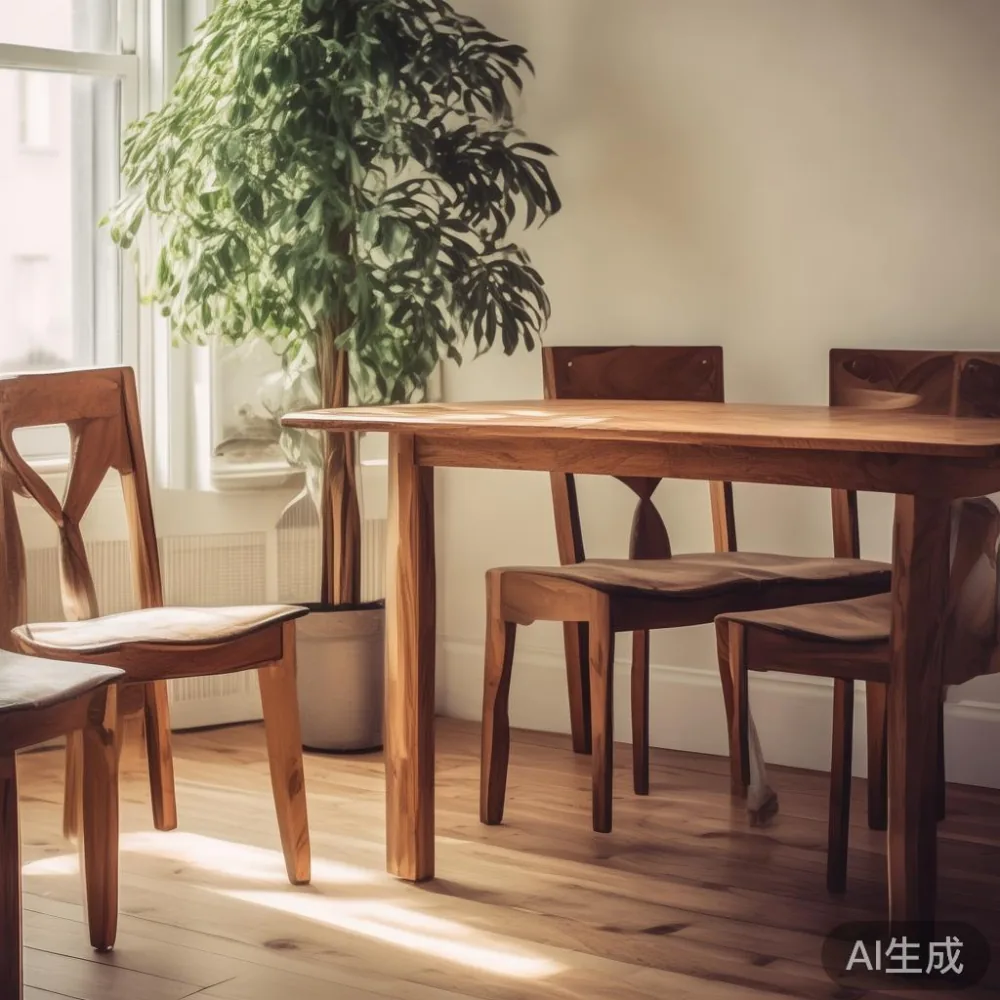
For those seeking a light luxury aesthetic, French-inspired designs often feature lighter woods like ash or maple, which are meticulously finished to highlight their natural grain. A post-modern light luxury dining chair might use a combination of solid walnut for the frame and a high-quality veneer for an intricate backrest, pushing the price towards the SGD 600 mark. The material choice is the foundation upon which every other cost is built.
Why Does Craftsmanship Cost So Much? A First-Hand Look
Last month, I visited a furniture workshop in Foshan to understand the difference between mass production and artisanal crafting. I watched two workers assemble identical dining chairs. The first, on a standard production line, used pre-cut components and a pneumatic nail gun. He completed one chair in 12 minutes. The second, a master craftsman, hand-fitted every joint using traditional mortise and tenon techniques. He took 45 minutes per chair. The final product from the craftsman was visibly superior—the joints were tighter, the sanded surfaces were smoother, and the finish had a depth that machine-made pieces lack.
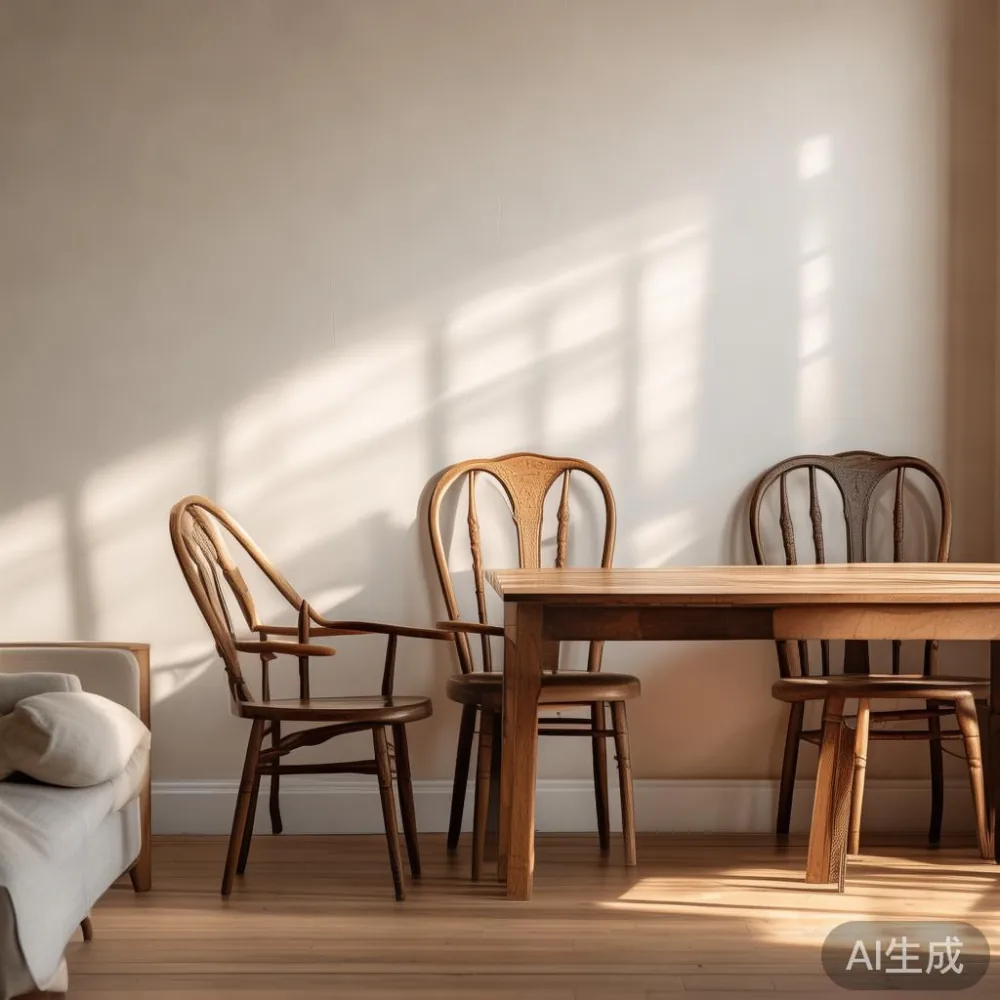
This difference in labour translates directly to price. The mass-produced chair, with its efficient but less detailed construction, might have a labour cost of SGD 25. The artisan-crafted chair, with its 3.75x longer assembly time and higher skill requirement, could have a labour cost of SGD 95. This is why a dining chair from a maker like MIDHILL, which emphasizes detailed construction, sits at a higher price point than a generic, fast-produced alternative. The extra hours of skilled work ensure the chair will not only look beautiful but also withstand years of use in a busy Singaporean home.
Design, Branding, and the Price of Aesthetics
Not all dining chairs are created equal, and a significant portion of the price reflects design, intellectual property, and brand positioning. A simple, ladder-back dining chair design is in the public domain. Any manufacturer can produce it, leading to intense competition and lower prices. However, when a designer creates a unique shape—a curved back, an ergonomic seat, or a specific silhouette—that design is protected.
Licensing a design from a reputable firm adds a cost. For example, a dining chair with a post-modern light luxury design, featuring a fluid, sculptural back, might incur a licensing fee of SGD 15-25 per chair. This fee is paid to the designer or their estate for the right to reproduce their original work. This is why you might see two chairs that look vaguely similar, but one is significantly cheaper—it's likely an unlicensed copy or a generic interpretation without the design pedigree.
Branding also plays a role. A brand that has invested in creating a specific aesthetic—whether it's American light luxury or a minimalist Japandi style—builds value around that name. This perceived value is part of the price. It’s not just about the wood and labour; it’s about the story, the design philosophy, and the assurance of a certain quality standard that comes with the brand.
How Does Singapore's Context Affect the Final Price?
Living in Singapore adds several layers of cost that are often overlooked. The first is logistics and space. Delivering a dining chair to a Tampines HDB flat involves working through narrow corridors, lift dimensions (typically 110cm wide by 210cm deep), and sometimes stairs. A standard dining chair box is about 65cm x 45cm x 30cm. A larger, more ornate chair might require a bigger box, making manoeuvrability tricky. This requires specialised delivery services, which are more expensive than standard freight. This is a key reason why many online retailers offer free shipping over a certain threshold, like SGD 350, to offset the high cost of individual urban deliveries.
Then there's the Goods and Services Tax (GST) at 9%. This is applied to the landed cost of the furniture, including the product price, shipping, insurance, and any import duties. A dining chair with a landed cost of SGD 300 before GST will have a final consumer price of SGD 327. This tax is a non-negotiable part of the price structure for all furniture sold in Singapore.
The local market also influences pricing. In a condo with a spacious dining area, homeowners might opt for a heavier, more substantial marble dining table and matching dining chairs. In an HDB flat, the demand is often for lighter, more compact designs that are easier to move and maintain. This market segmentation means manufacturers produce different lines at different price points to cater to these specific needs.
What About the Warranty and Long-Term Value?
A lower price tag on a dining chair can be tempting, but it often comes with trade-offs, particularly in longevity and support. A manufacturer offering a 10-year structural warranty on their dining chairs is making a statement about their confidence in the product's quality. This warranty covers defects in the wood, joints, and structure. It’s a promise that the chair is built to last, not just for a few years, but for a decade or more.
Consider the cost of replacement. If a poorly constructed dining chair breaks after 2 years, you'll need to buy a new one. The initial SGD 150 saving might quickly be erased by having to spend another SGD 150 or more. In contrast, a higher-quality dining chair with a lifetime refinishing warranty can be repaired and restored, extending its life indefinitely. The ability to sand and refinish the wood means that if the finish gets scratched or worn, it can be brought back to its original beauty for a fraction of the replacement cost. This long-term value proposition is a critical, albeit less obvious, driver of the initial price.
When you compare a SGD 250 dining chair with a 10-year warranty to a SGD 120 chair with a 1-year warranty, you're not just paying for the materials and labour today. You're investing in peace of mind and the assurance that your furniture is an asset, not a disposable item. For a family in Bedok planning to use the same dining set for the next 15 years, this long-term perspective makes the higher initial price a smarter financial decision.
Is a Solid Wood Dining Chair Always a Better Choice Than Upholstered?
This is a question many homeowners in Singapore grapple with. Solid wood dining chairs offer unmatched durability and timeless appeal. They are easy to clean, resistant to spills, and their value often appreciates over time. A solid wood dining chair, especially one made from a quality hardwood, can be passed down through generations. They are also a perfect match for a solid wood dining table, creating a cohesive and elegant look.
However, upholstered dining chairs provide a different set of benefits, primarily comfort. For families with young children or for those who enjoy long dinners and conversations, the padded seat and back of an upholstered chair can be a significant advantage. They are also available in a wider variety of colours and textures, allowing for greater flexibility in interior design. The choice between solid wood and upholstered often comes down to lifestyle priorities. A homeowner asking how to style Japandi bed in apartment might lean towards the clean lines of a solid wood chair, while someone looking for a softer, more inviting dining space might prefer the comfort of upholstery.
It's also worth noting that many high-end dining chairs combine both. They feature a solid wood frame for structure and longevity, paired with a high-quality leather or fabric seat for comfort. This hybrid approach often commands a premium price, as it requires the skills of both a woodworker and an upholsterer. The final price reflects the complexity of combining two different materials and crafts into a single, cohesive product.
Understanding the Price of a Complete Dining Set
The price of a single dining chair is part of a larger ecosystem. The cost of a dining table is influenced by the same factors: material, craftsmanship, and design. A solid wood dining table for a 6-person setting in Singapore will typically measure 180cm x 90cm. A rubberwood version might cost SGD 1,200, while a solid oak version could be SGD 2,800 or more. The price of the dining chairs must be considered in relation to the table.
For example, pairing four SGD 250 solid wood dining chairs with a SGD 1,200 rubberwood table creates a cohesive set for around SGD 2,200. Alternatively, choosing four SGD 450 oak dining chairs to go with a SGD 2,800 oak table creates a more premium set costing SGD 4,600. The price difference reflects not just the individual items but the harmony and quality of the complete furniture suite. This is where understanding the value of each component helps in making a balanced decision that fits both your budget and your vision for the space.
How to Work through the Market as a Smart Consumer
With all these factors in mind, how does a consumer in Singapore make a smart choice? The key is to look beyond the sticker price and ask specific questions. When considering a dining chair, ask about the wood species. Is it a hardwood like oak or walnut, or a softer wood like pine or rubberwood? Inquire about the joinery. Are the legs attached with simple screws or with traditional dowels and glue? A good warranty is a strong indicator of quality. A 10-year structural warranty shows the manufacturer stands behind its product.
It's also helpful to understand the total cost of ownership. Factor in potential delivery charges and the long-term value. A slightly more expensive dining chair that lasts for 20 years is a better investment than a cheaper one that needs replacing in 5. For those exploring different styles, understanding the nuances can help. For instance, knowing how to choose European wardrobe involves looking at hardware quality and finish, just as knowing how to choose Mid-century modern bed involves examining the lines and material authenticity. Similarly, when considering a European sofa vs Italian light luxury sofa, the difference often lies in the quality of the leather and the hand-stitching.
Finally, consider the scale of your purchase. For a homeowner looking for a cohesive look, buying a complete dining set from a single source like MIDHILL can ensure style consistency and sometimes offer better value than purchasing mismatched pieces. This approach simplifies the decision-making process and guarantees that all components are designed to work together aesthetically and structurally.
Final Thoughts: Price as a Reflection of Quality and Intent
The price of a solid wood dining chair is more than just a number. It is a reflection of the material's journey from forest to factory, the skill of the craftspeople who shape it, the creativity of the designer who envisioned it, and the confidence of the brand that stands behind it. For a homeowner in a Singapore HDB or condo, this piece of furniture is not just an object; it is a functional part of daily life, a centrepiece for family gatherings, and a long-term investment in the home.
Understanding what drives the price allows you to see beyond the initial cost and appreciate the true value. It empowers you to make a choice that aligns with your budget, your lifestyle, and your aesthetic goals. Whether you're furnishing a guest room with a rustic aesthetic or seeking out the top 10 Nordic furniture pieces for your condo, the principles remain the same. A well-made dining chair is an investment in comfort, beauty, and durability that will serve your home for years to come. For those who want to learn more, a simple inquiry to midhillco@gmail.com can provide further details on their specific ranges and offerings.