The Silent Challenge: How Singapore's Humidity Impacts Your Wood Dining Chairs and How to Protect Them
For residents of Singapore, the constant, high humidity is as much a part of life as the HDB void deck or the sound of the MRT. It’s the air that greets you when you step out of an air-conditioned room, the dampness that lingers in the bathroom after a shower, and the unseen force that can quietly affect the very furniture in your home. Nowhere is this more apparent than in the dining room, where your solid wood dining chairs bear the brunt of this environmental pressure. Understanding this relationship is not just about maintenance; it's about preserving the beauty, integrity, and longevity of a significant investment in your home.
Why Wood and Humidity in Singapore Are a Complex Pairing
At its core, wood is a hygroscopic material. This scientific term simply means it naturally absorbs and releases moisture from the surrounding air. In a place like Singapore, where relative humidity often hovers between 70% and 90%, wood is in a constant state of trying to reach equilibrium with its environment. Think of a sponge left in a humid room—it doesn't just get wet on the surface; it absorbs moisture deep within. Solid wood, particularly the dense, high-quality timber used for dining chairs, behaves similarly.
This absorption and release process causes the wood fibers to expand and contract. The problem arises when this movement is uneven or excessive. In a Singaporean apartment, especially in a newer development like Punggol where modern construction aims for airtightness, the humidity levels can fluctuate dramatically between the air-conditioned living areas and the more humid balcony or corridor. This creates a micro-climate that puts your dining chairs under stress. The wood on the side facing the living room might contract slightly, while the side near the balcony expands, leading to internal stresses that can manifest as cracks, warping, or loose joints over time.
How High Humidity Manifests as Damage to Your Furniture
The effects of Singapore's humidity on wood furniture are not always immediate, but they are cumulative and can be quite damaging if left unchecked. The most common signs of moisture-related distress in dining chairs include:
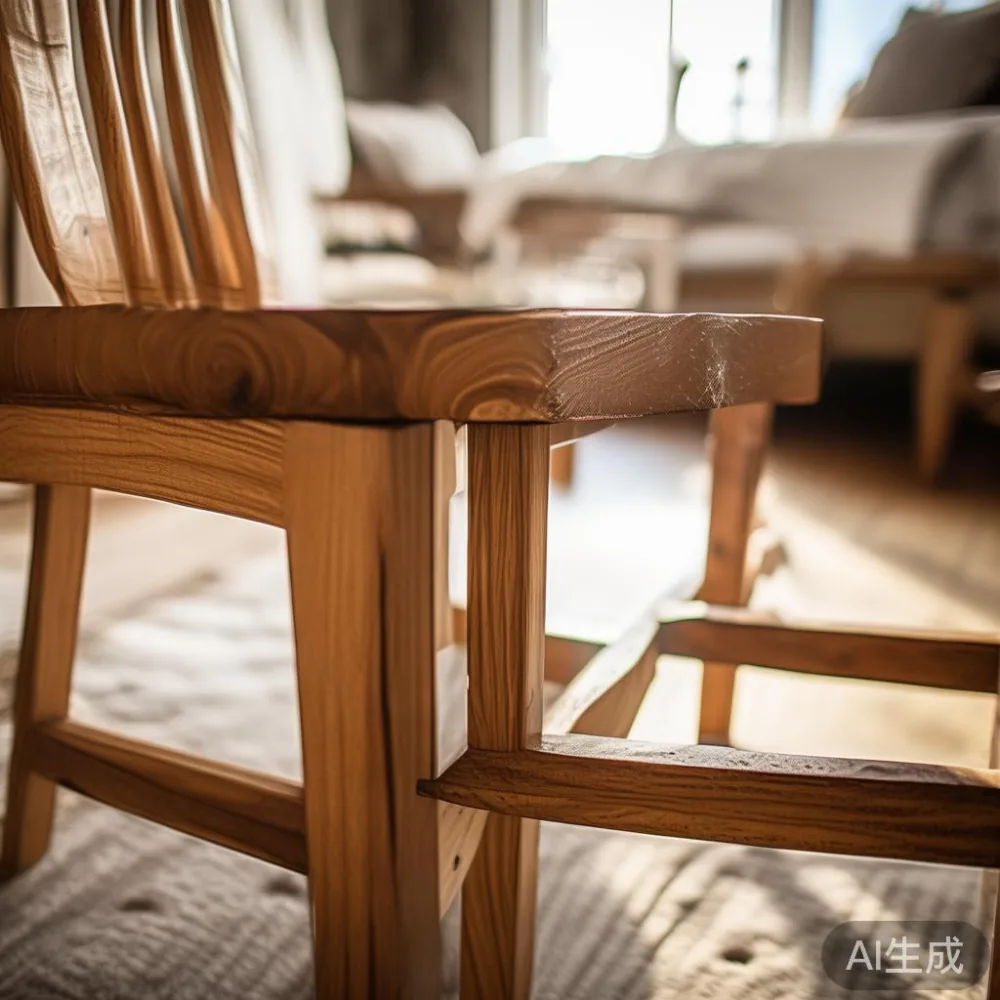
- Cracking and Checking: As wood dries too quickly, it can lose moisture faster than the fibers can contract, leading to cracks that run across the grain. These can start as small, hairline fractures but can widen over time, particularly on chair arms or backs.
- Warping and Cupping: Uneven moisture absorption can cause a flat surface, like a chair seat, to warp. It might cup, with the edges rising higher than the center, or twist, making the chair unstable and uncomfortable to sit on.
- Joint Failure: The glue used in furniture joints is designed to bond wood, but it can weaken when the surrounding wood expands and contracts repeatedly. This can lead to wobbly legs, loose armrests, or chairs that feel structurally unsound.
- Mould and Mildew: The constant dampness provides a perfect breeding ground for mould and mildew. This can appear as fuzzy black, green, or white spots on the wood, not only staining the surface but also posing potential health risks.
My Experience with Humidity Damage: A Case Study from Tampines
Last month, I visited a client's condominium in Tampines to assess a set of dining chairs they were concerned about. The chairs were a beautiful American light luxury design, with a rich walnut finish and elegant, curved legs. The owner, a professional in his 40s, had bought them from a local retailer three years ago for approximately SGD 2,800 for the set of six. He mentioned that he rarely used the dining area, keeping the chairs in the lift lobby, which is a common practice in Singaporean condos to save space in the apartment.
Upon inspection, the damage was clear. The seat panels, which were solid wood, had developed a noticeable cup. The edges were about 2mm higher than the center. More worrying, a small crack, about 5cm long, had appeared on the underside of one chair arm. The owner was puzzled, as he thought keeping them in the corridor would be fine. However, the corridor, being un-air-conditioned and subject to frequent door openings from the lift, experienced significant humidity swings. The chairs were in effect baking in the heat of the day and then cooling down at night, a cycle that had taken its toll. This experience reinforced just how important placement and environmental control are, even for furniture not actively used every day.
Is There a Perfect Wood for Singapore's Climate?
This is a question we hear often from customers, especially those living in high-rise apartments like those in Bedok or with limited space. The short answer is that no wood is completely immune to humidity, but some are far more stable and better suited to Singapore's conditions than others. The key lies in the wood's density and natural structure.
Hardwoods, which come from deciduous trees, are generally denser and more stable than softwoods. For example, teak is renowned for its high oil content, which naturally repels water and makes it exceptionally resistant to warping and rot. Similarly, solid oak is a popular choice due to its tight grain and strength. Mango wood, a sustainable option, is also quite dense and stable. At MIDHILL, our Foshan factory specializes in sourcing and crafting furniture from these types of durable hardwoods to better withstand the rigours of humid climates. The choice of wood is the first and most critical step in creating furniture that can last for decades in a Singaporean home.
Practical Care Guide for Your Solid Wood Dining Chairs in Singapore
Protecting your investment is about creating a stable environment for your furniture. Here are some practical, actionable steps you can take to minimise the impact of humidity on your dining chairs:
- Control the Micro-Climate: Place your dining chairs away from direct sources of humidity. Avoid positioning them next to windows that are constantly opened, near air-conditioning vents that can cause rapid cooling, or in direct contact with external walls in older apartments. If you must store them in a corridor or balcony, ensure the area is as sheltered as possible.
- Use Dehumidifiers: For particularly humid days or in non-air-conditioned areas, a small dehumidifier can make a significant difference. It can reduce the ambient moisture in the air, giving your wood a more stable environment to exist in.
- Regular Cleaning and Polishing:
Use a soft, dry cloth to dust your chairs regularly. Once a month, apply a high-quality furniture polish or oil. This creates a thin, protective barrier on the wood's surface, slowing down the rate of moisture absorption. Be sure to choose a product suitable for your specific wood type.
- Acclimatise New Furniture: When you bring new dining chairs home, don't place them directly in their final spot. Unpack them and let them sit in the room for a few days. This allows the wood to slowly adjust to the temperature and humidity of your home, reducing the shock of sudden change.
How to Style French Sofa in Room and Other Furniture Considerations
While the focus here is on dining chairs, note that the principles of humidity management apply to all solid wood furniture in your home. When selecting other pieces, consider how they will interact with your environment. For instance, if you are planning a how to style French sofa in room project, you might choose a sofa with a solid wood frame known for its stability. The same logic applies to a best French bed for 2026 or a marble table; the base or frame material is just as important as the visible surface. A Japandi for dining room aesthetic, which combines Japanese minimalism with Scandinavian design, often features light-coloured woods that are stable and beautiful, but they still require the same care in a humid climate. The key is to see your furniture as a cohesive system that needs a harmonious environment to thrive.
Understanding the Value of a Long-Term Warranty
When purchasing solid wood furniture, especially for a challenging environment like Singapore, the warranty is a critical indicator of a manufacturer's confidence in their product. A 10-year structural warranty, for example, is not just a promise; it's a guarantee that the furniture has been built to withstand the test of time and environmental stress. It covers the core framework—the joints, legs, and main structural components—ensuring that your dining chairs remain stable and functional for years to come. This kind of protection provides peace of mind, knowing that your investment is secured against defects that might arise from the very humidity we've been discussing. It's a proof of quality craftsmanship that goes beyond the surface finish.
Final Thoughts on Furniture Longevity in the Tropics
Owning beautiful solid wood furniture in Singapore is a rewarding experience. The warmth, character, and durability that natural wood brings to a space are unmatched. However, this enjoyment is directly linked to understanding and respecting the unique environmental conditions of our city. By choosing the right materials, placing your furniture wisely, and performing simple, regular maintenance, you can ensure that your dining chairs and other wooden pieces remain as stunning as the day you bought them. It’s about creating a partnership between your home and your furniture, where each supports the other for a lifetime of shared memories.