What Actually Drives the Price of Solid Wood Dining Chairs?
A dining chair can look simple yet cost anywhere from SGD 180 to more than SGD 1,500. The difference is rarely explained by one dramatic feature. It is built through timber grade, density, joinery, finish, dimensions, hardware, labour, packing and delivery. For Singapore households, even a 6 cm change in chair width can affect how a set moves through an HDB corridor or fits into a lift.
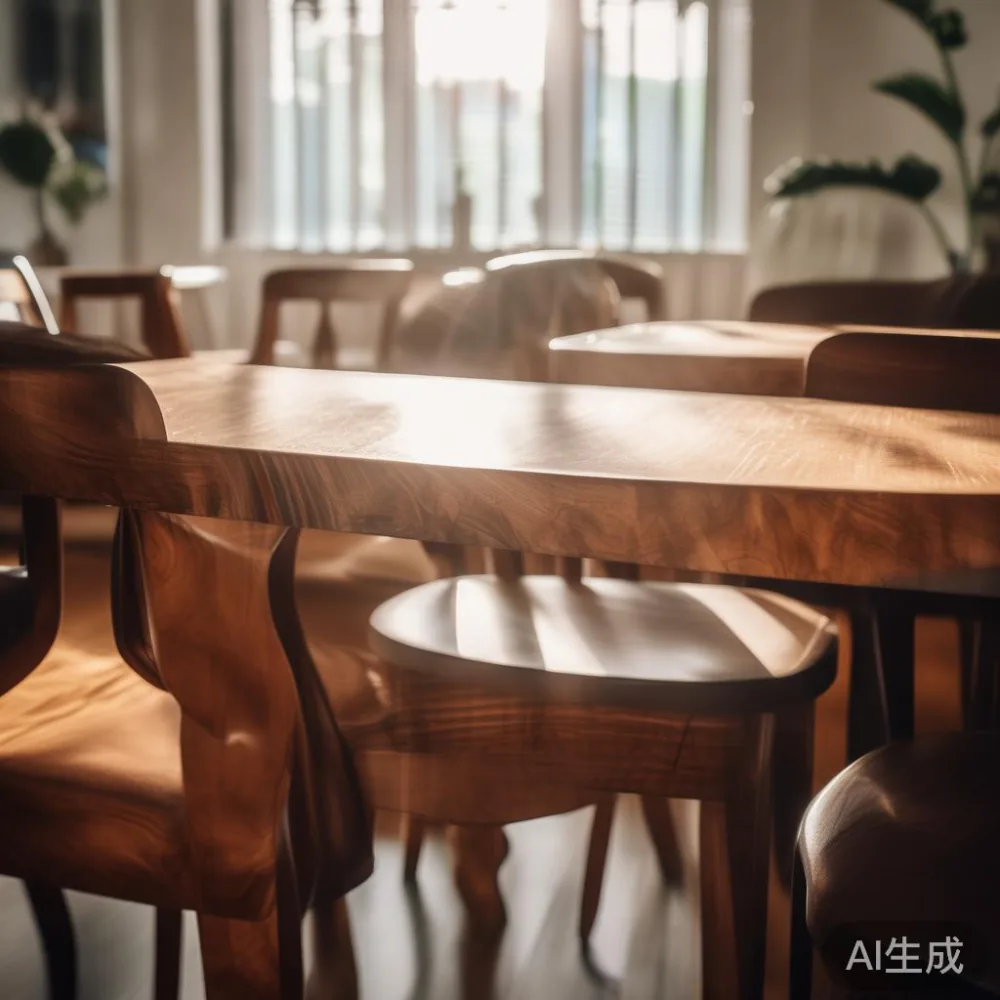
This guide explains the pricing behind solid wood dining chairs while keeping every comparison connected to dining-room furniture. Timber prices matter, but material is only one part of the invoice. A thicker seat, shaped back, hand-finished edge or reinforced joint can add more cost than switching between two visually similar wood species.
What determines the price of solid wood dining chairs?
Start with the board, not the catalogue photograph. Solid wood furniture uses real timber components rather than a decorative veneer over particleboard. However, “solid wood” does not mean every board in the chair has the same density, colour or cutting pattern.
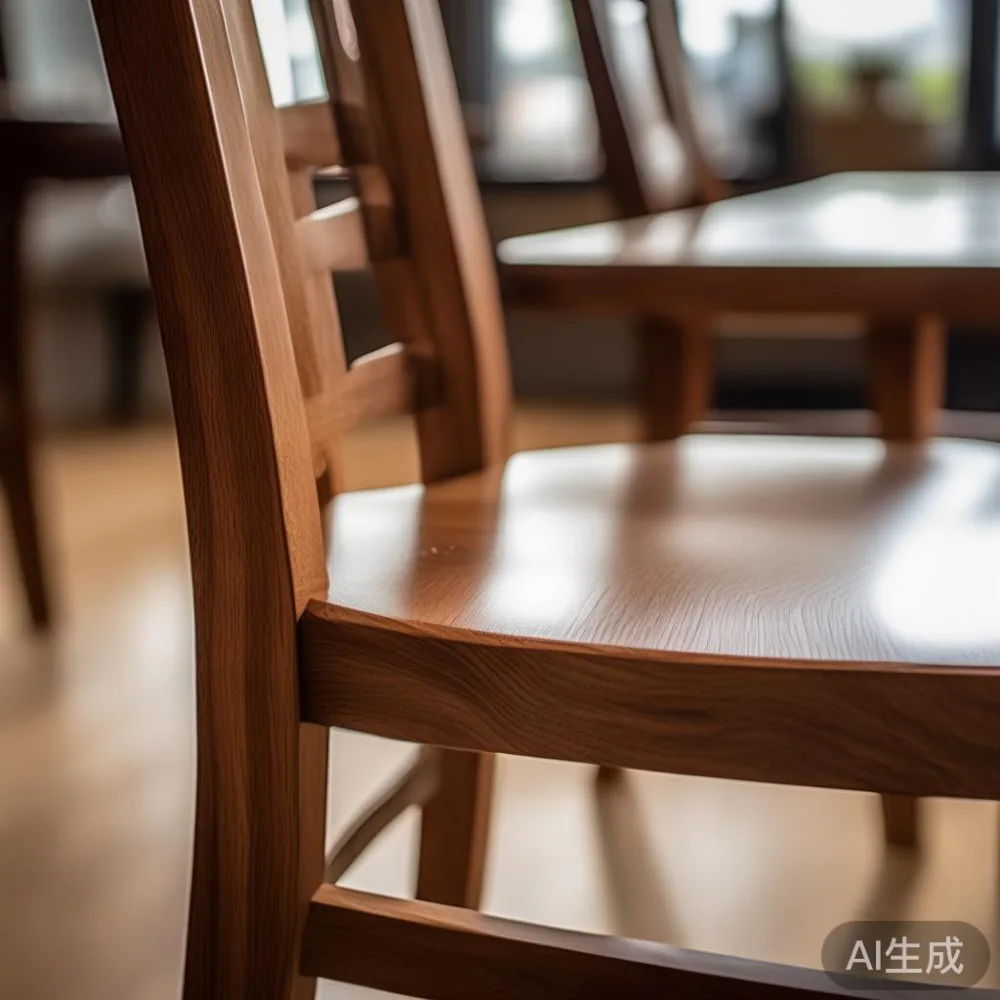
Chair frames often use rubberwood, beech, ash, oak or maple, while seats and backs may use another approved solid-wood species. Pricing changes with timber category, board width, grain direction, moisture treatment and defect allowance. A chair needing larger, straighter boards may cost more because lower-grade sections cannot be used without weakening the structure.
Dimensions also affect labour and material use. Compare a dining chair with a 42 cm-wide seat against one measuring 48 cm: the wider version needs about 14% more seat area before considering thicker arms or a broader back. A 76 cm height may improve posture but increase packaging volume. At 48 cm wide and 82 cm high, one chair may fit a compact lift more easily than a 54 cm-wide, 91 cm-high model.
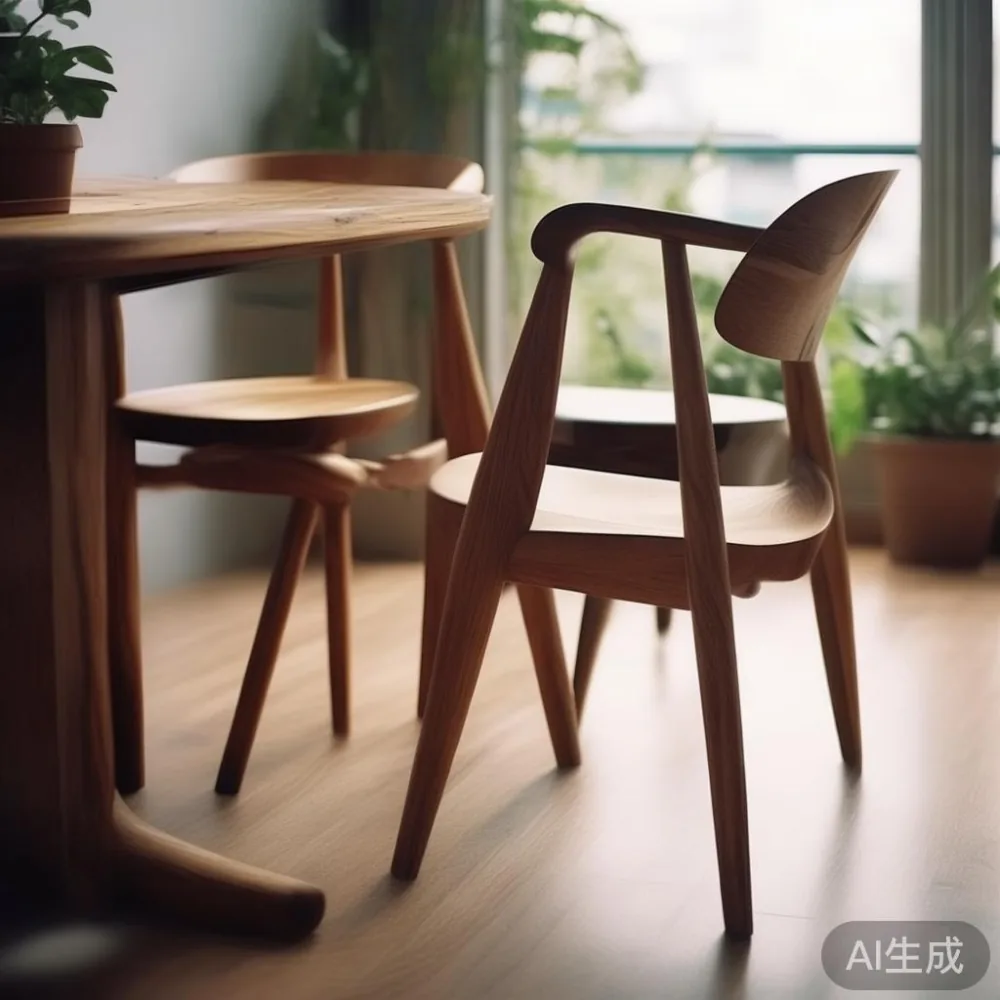
Weight is informative but should not be treated as a quality ranking. Four dining chairs weighing 4.2 kg each create a 16.8 kg parcel; a heavier set may total 24 kg. Freight is charged by dimensional volume as well as actual weight, so well-designed timber sections can reduce cost without making the chair feel thin.
For a real comparison, request the species, finished dimensions, net weight and timber thickness for each component. These numbers expose differences that a broad label such as “natural wood” conceals.
Is solid wood automatically more expensive than engineered wood?
Not automatically. Engineered components can be economical because they convert lower-grade resources into stable structural sections. Their price depends on the substrate, veneer thickness, bonding method and surface grade. A carefully engineered chair may sit below a poorly engineered solid-wood chair in price, yet neither should be judged from appearance alone.
The real question is where material meets load. A dining-chair seat needs support across roughly 45 cm, while the back frame resists repeated pulling and leaning. A thick solid-wood rear rail can be costly if it is shaped and finished consistently. By contrast, a concealed engineered support may perform adequately when its grade and span are properly specified.
Look for load information, fixing methods and replacement parts. A 120 kg stated user load is useful only if it applies to the complete chair rather than one test sample. The fasteners, seat frame, joints and back connections work as a system. One small screw or loose dowel can undermine otherwise good timber.
The same principle applies when comparing other solid-wood furniture. A solid wood sofa with a kiln-dried frame can be priced differently from a wood-only side table. A bed frame, dining table or wardrobe may consume much more timber, so their per-kilogram figures cannot be transferred directly to dining chairs.
Why do joinery and chair construction change the price?
Joinery reflects the time required to cut, align, clamp, glue, trim and inspect each component. Mortise-and-tenon joints can justify a higher price because the process hides joinery inside the frame. Dowelled or screwed joints may still work well when their dimensions and reinforcement are correct.
Check whether rear legs continue into the back as one shaped piece or meet it through mechanical fixings. One-piece bent or carved backs require more setup than straight parts. Curved solid-wood dining chairs may also use more timber because offcuts cannot always be returned to production.
During a supplier visit last month, I watched a craftsperson remove less than 2 mm from a shaped chair back because the grain shifted near a knot. Saving that material would have shortened the cycle, but the visible face would have shown a small depression after finishing. The extra inspection time affected the quote, yet it also prevented a cosmetic fault appearing after delivery.
Numerical quality claims deserve context. Ten years of use is not a warranty period; it is an assumed duration. If MIDHILL grants a 10-year structural warranty, request the document and understand what structural failure means. Surface colour change, fading and ordinary wear are separate issues. Lifetime refinishing can be valuable, but ask whether labour is included, what return freight costs and whether only MIDHILL-made pieces qualify.
How much does finish thickness and hand-finishing cost?
Finish contributes to both appearance and upkeep. Water-based polyurethane, oil and wax have different application cycles, touch-up methods and visual results. A satin water-based system may require 3 thin coats, with sanding and drying between them. Spraying can cover broad areas efficiently, while brushing remains practical for shaped edges.
Hand-finished details are not defined by a universal number. They may mean sanding a 4 mm edge to a 3 mm radius, filling 3 tiny pores, applying a second coat and checking sheen under daylight. A perfectly flat panel and a carved chair back do not require equal finishing time.
Ask for the exact finish family, sheen level, cure instruction and cleaning advice. “Food safe” does not mean a chair can be washed with detergent or exposed to hot drinks indefinitely. Coasters and felt pads protect the finish, while spills should be removed within about 10 minutes.
Light-luxury positioning is often misunderstood as decoration added after construction. French light luxury generally uses restrained curves and gentle contrast. American light luxury tends toward generous proportions and comfort-led details. Post-modern light luxury may combine cleaner lines with one expressive shape. For dining chairs, the cues should appear in the back profile, seat pitch, timber tone and finish—not merely in a gold-coloured handle.
Why are dining-chair sets priced differently from individual chairs?
Individual dining chairs may cost more per chair because suppliers sell in cartons of 2, 4 or 6. A buyer ordering one piece bears more packing and freight per unit. Sets permit repeatable parts, batch matching and fewer setup changes. A four-chair set can therefore appear discounted without using inferior timber.
Set matching needs measurement. The colour of 4 chairs can diverge across boards even within one species. Natural oil makes this variation visible; a darker stain may reduce contrast but does not remove the underlying difference. Request production tolerances, ideally expressed in millimetres, and see full-size samples before approving a set.
In Singapore, delivery design matters as much as the chairs themselves. An HDB lift may have an internal door opening of about 70 cm and a car depth near 110 cm, although building measurements vary. A 48 cm-wide chair placed diagonally needs more turning space than one carried straight. Corridors of 90 cm may require the chair to remain vertical rather than tilted sideways.
Protection should be specified by material. Felt, cardboard and corner guards must withstand 4 to 6 chairs without slipping or marking timber. White-glove placement may add SGD 60 to SGD 180 for a normal Singapore delivery, while carrying beyond a lift or up a flight of stairs can cost more.
Are thicker solid-wood dining chairs worth paying more for?
Thickness can improve stiffness, durability and visual mass, but more is not always better. A 3.5 cm solid-wood seat with a sound underframe may outperform a visually thick 2.5 cm seat that sags between supports. More weight also increases freight and makes lifting harder for residents above the 5th floor without a lift.
Use dimensions together. A seat 45 cm wide and 47 cm deep suits many compact dining settings. A 50 cm-wide upholstered chair may feel comfortable but occupy more space around a 90 cm table. Before ordering 6 chairs, add roughly 300 cm of table length allowance: 6 chair positions can affect elbow clearance even if the physical chairs fit underneath the tabletop.
Ask suppliers to compare component thickness rather than using a single “solid thickness” claim. Rear legs, seat rails, side rails and backs carry different loads. MIDHILL’s production method should make this information available, but the useful comparison is the sample chair—not the brand name.
How do freight, GST and after-sales support affect the final price?
Freight can be quoted per parcel, by cubic volume or on a delivered basis. A dining-chair carton of 48 × 55 × 76 cm has a volume of about 0.20 cubic metres. Four identical cartons total roughly 0.80 cubic metres before protective outer packing. Space allocation matters more than the stated 17.2 kg total weight.
Singapore prices should show GST clearly. On a pre-GST subtotal of SGD 1,000, 9% GST adds SGD 90, producing SGD 1,090. Discounts can change the taxable amount, so calculate from the final invoice rather than subtracting a percentage loosely.
MIDHILL was established in 2008 and exports dining furniture to more than 15 countries, so its export packaging process should be part of the calculation. For local purchases, free delivery over US$350 is stated in US dollars, while Singapore checkout should still show the exact delivery charge in SGD. Clarify whether assembly, lift booking and doorstep placement are included.
Returns create another measurable cost. A 14-day return window is useful, but confirm whether original custom finishes, made-to-order dimensions and return freight are treated differently. Photograph the chair on arrival and test it at the dining table before authorising refinishing or replacement.
How should I compare quotations without being misled?
Normalise the quotations. Record species, dimensions, seat width, material thickness, joinery, finish, load rating, weight per chair, set quantity, delivery terms and GST. Two chairs can differ by 10 cm in height, 2 kg in weight and 3 coats in finish while appearing related in a catalogue.
Request a physical sample whenever possible. Sit in each chair for at least 5 minutes, move it in 4 directions and check the back connection. Place it beside the intended table rather than judging it in an empty showroom. For online purchases, a written dimensional sheet and close-up images offer more value than extra lifestyle styling.
The same framework supports broader buying decisions. Guidance on how to choose American bed should compare frame design, slat spacing and mattress support rather than bedroom styling alone. Mid-century modern for bedroom can shape the visual brief, but bed-frame dimensions still determine fit and price. Similarly, research on how to style light luxury sofa in apartment or how to style French wardrobe in apartment can explain proportion and storage without replacing product specifications.
Other category names can show the price variables without drifting away from dining chairs. A solid wood sofa may cost more because seating widths reach 220 cm, a bed frame may include a slat system, and a dining table may weigh 65 kg. A European light luxury TV console can carry premium cabinetry or stone surfaces, while a European light luxury dressing table may need drawers, mirrors and careful alignment. A marble table introduces stone selection and handling charges; a nightstand may include a drawer and soft-close hardware. A MIDHILL sofa, wardrobe or solid wood sofa bed frame should be assessed by construction and delivery needs, not copied blindly to a chair quotation.
What final price should a fair dining-chair quotation include?
A clear quotation should include the chairs, protective delivery, applicable GST, expected lead time and after-sales terms. At the time of payment, confirm production within 25 to 45 days for common models, while made-to-order or specially finished dining chairs may require 45 to 70 days. These ranges illustrate why last-minute purchase prices can rise: fewer production slots remain.
The most useful final cost has no mystery line. If a set costs SGD 1,060 before GST, the payable total is SGD 1,155.40 with 9% GST. Add lift service or upstairs carrying only if quoted, then inspect each chair within the 14-day return period.
Timber is important, but the price is driven by the complete package: board selection, dimensions, construction, finish, labour, packing and access. Compare those numbers on dining chairs, check the sample at your table and select a finish you can maintain. The strongest price is not necessarily the highest or lowest; it is the quotation whose material and service claims can be verified.