Caring for Lacquered Dining Chairs in Singapore: A Tropical Climate Guide
Two Sundays ago I visited a client in a 990-sqft Punggol HDB on the 14th floor. She had ordered six dining chairs from MIDHILL the previous quarter, lacquered walnut, and she wanted to know why the armrests were looking cloudy after only four months. We sat on her balcony, which faces the afternoon sun for roughly three hours a day, and within ten minutes the hygrometer read 82%. That single visit is the reason this guide exists. Singapore is unusually punishing on wood finishes, and lacquered dining chairs are the first piece of furniture in any home to show it.
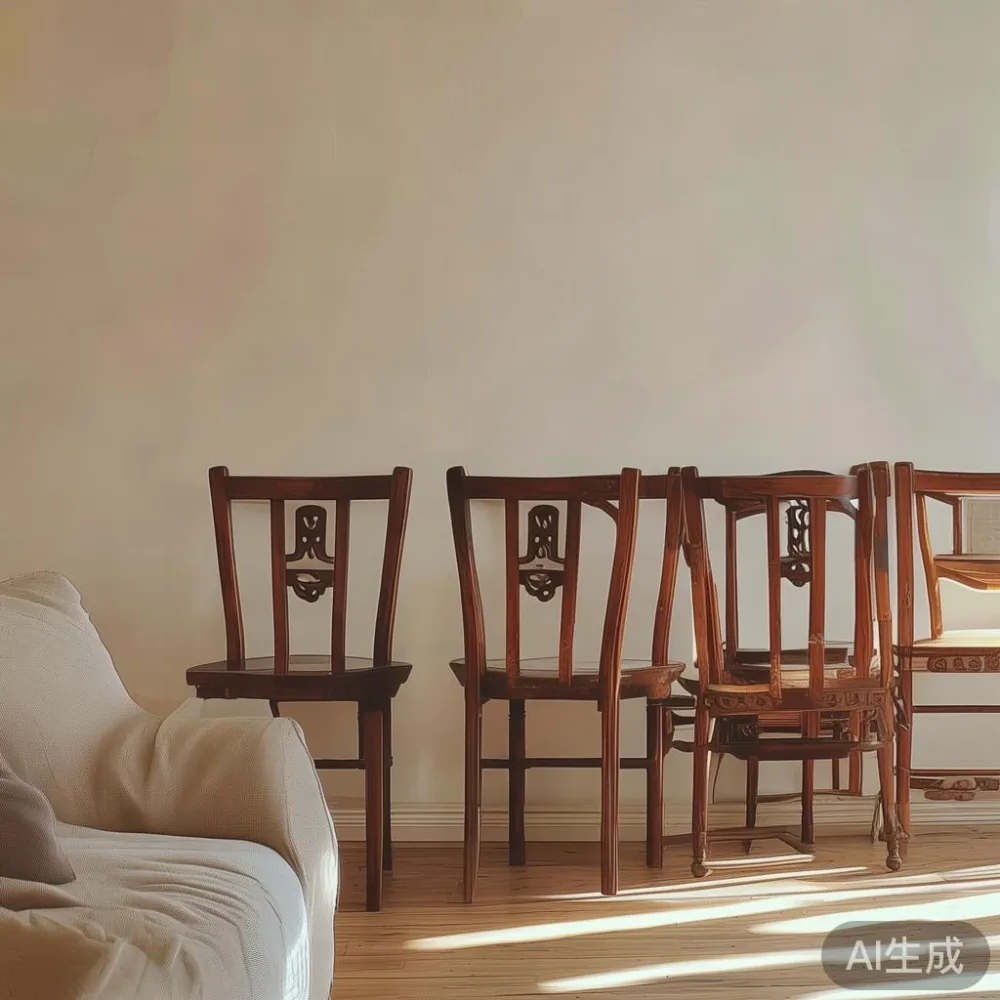
Why does Singapore's tropical climate damage lacquered dining chairs so quickly?
Lacquer is a closed film. It looks glossy and feels like glass, but it is not a moisture barrier in the way most people assume. In Singapore, outdoor relative humidity sits between 70% and 90% for most of the year, and indoor humidity in a non-air-conditioned Tampines or Bedok flat will track the outdoor number within about 10 percentage points the moment you open the windows. Lacquered dining chairs respond to that humidity by expanding and contracting across each daily cycle, and over months the film develops micro-fissures, then haziness, then the cloudy patches my Punggol client was seeing. UV in the lacquer can also be a problem because Singapore averages about 2,200 hours of sunshine a year, and lacquer degrades indoor wood at 4 to 6 times the rate you would see in, say, Frankfurt. Add the salt air that drifts up from the East Coast on windy days and you have a finish that is being attacked from three angles at once: water vapour, heat, and chloride ions.
How often should I wipe down lacquered dining chairs in a HDB flat?
Every day you cook, every day. In a typical 4-room HDB, cooking once a day puts about 8 to 12 grams of airborne oil into the living-dining area, and that oil bonds to lacquer within hours. Use a soft microfibre cloth, dry or barely damp, and wipe in the direction of the grain. Avoid ammonia, vinegar, silicone polishes, and any cleaner that contains acetone. A neutral pH wood soap diluted in 500 ml of water is enough. Dry the chair with a second cloth immediately. My own routine, after that Punggol visit, is to wipe the seat and the front stretcher of my dining chairs every evening after the dishes are done, and the rest of the chair once a week. It takes about 90 seconds per chair, and the microfibre cloths cost S$12.90 for a pack of ten at most supermarkets.
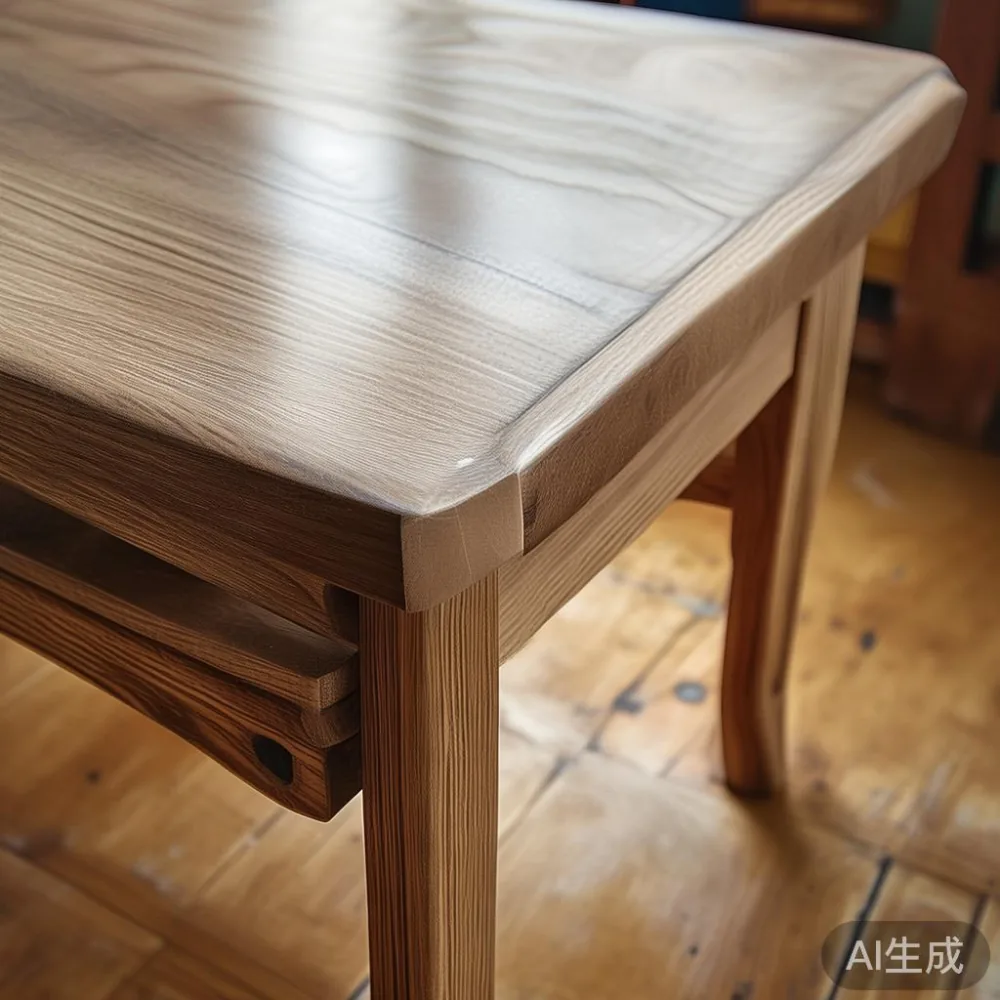
What is the difference between European queen bed and modern furniture?
A European queen bed measures 160 cm by 200 cm, while a standard Singapore queen mattress is 152 cm by 190 cm, and that 8 cm of width plus 10 cm of length changes the proportions of the bedroom, the clearance beside the bed frame, and the way light falls across a nightstand. Modern furniture, the broader category that includes MIDHILL's solid wood sofa, dining table, and wardrobe ranges, refers to pieces designed after roughly 1920 with clean lines, exposed joinery, and finishes that celebrate the material. American light luxury and post-modern light luxury both fall under modern furniture, and both pair well with a European queen bed when you want the room to feel calm and curated rather than busy. In practical terms, if you already own a European queen bed, your lacquered dining chairs, marble table, and bed frame should sit on a floor plan that leaves at least 70 cm of circulation between the foot of the bed and the nearest dining chair.
What indoor humidity level protects lacquered dining chairs without ruining my air-con bill?
Target 55% relative humidity. Every 10 percentage points above 55% roughly doubles the rate at which lacquer absorbs moisture and ages. In a 100-sqft dining space you can hold that line with a 12-litre dehumidifier running 6 to 8 hours a day, which adds about S$15 to S$22 a month to your electricity bill at Singapore's 2026 regulated tariff of around S$0.30 per kWh. Air-conditioning alone will pull humidity into the 50s when the room is closed, so if you already run a 9,000 BTU unit for an hour before dinner you may not need a dehumidifier at all. The trick most people miss is ventilation. Opening two opposite windows for 15 minutes in the late morning drops indoor humidity faster than any machine, and you can leave your dining chairs in the room while doing it. Lacquered wood actually prefers brief ventilation to long, stagnant hours under air-conditioning because stagnant air lets airborne oils settle onto the film.
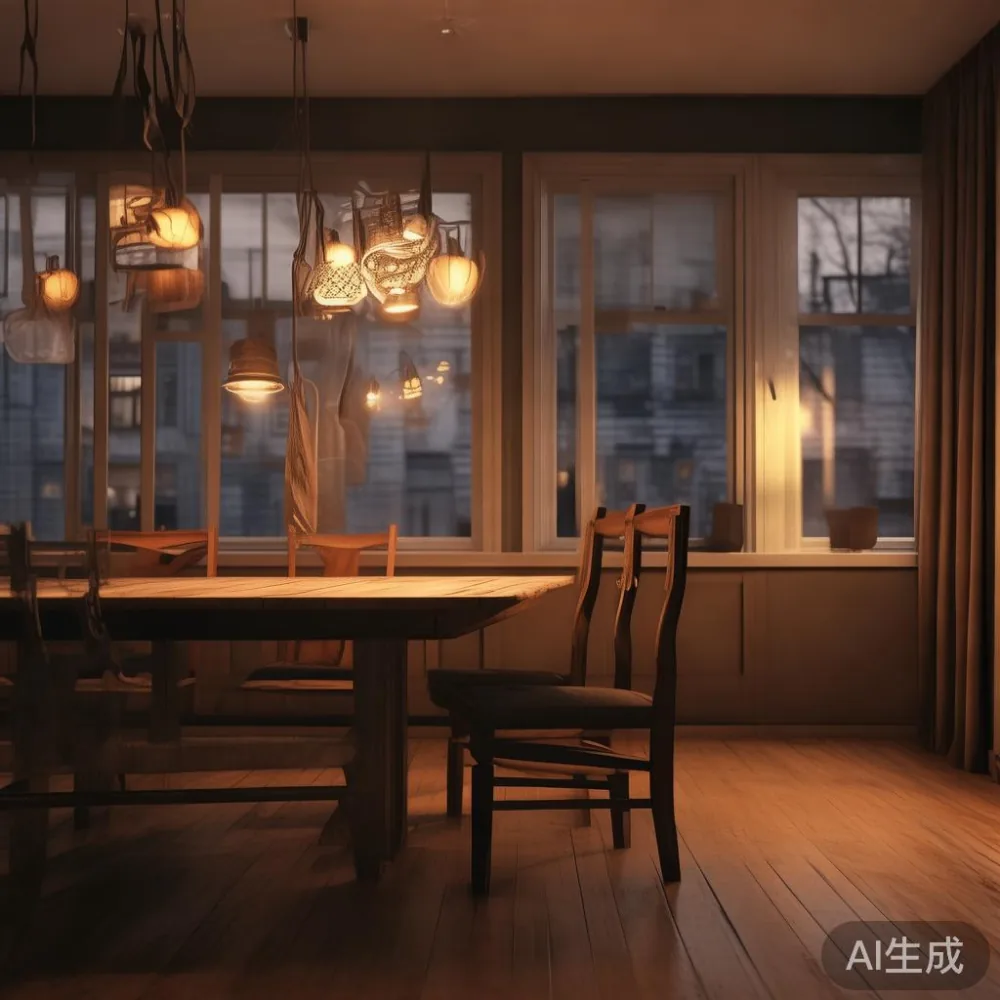
How do I handle scratches, white rings, and dull patches without stripping the lacquer?
White rings from a hot mug on a lacquered dining chair seat are the most common complaint I hear from Singapore customers. If the ring is fresh, less than 48 hours old, place a cotton cloth over the mark and press gently with a warm iron set to silk, no steam, for 8 to 12 seconds. The heat draws moisture out of the film. If the ring is older, you will need a paste made from cigarette ash mixed with a few drops of neutral oil, rubbed with a soft cloth in straight lines, then buffed dry. For shallow scratches on the frame, fill with a matching shellac stick, available from hardware stores on Changi Road for around S$8 to S$14 per stick, and level with 1,500-grit paper. Dull patches across the whole chair usually mean the lacquer has oxidized for years and the correct path is a professional re-lacquer, which MIDHILL offers as a lifetime refinishing service for pieces bought from the factory. A full re-lacquer in Singapore typically costs S$180 to S$320 per chair at third-party workshops, and the work takes 7 to 10 working days.
What should I check before delivery day so the dining chairs actually fit through my lift and corridor?
Singapore HDB lift openings are 92 cm, condominium lift openings range from 80 cm to 110 cm, and corridor widths in most blocks sit between 1.2 m and 1.5 m. A standard upholstered dining chair is 48 cm wide at the back, but an American light luxury dining chair with a flared backrest can run 56 cm to 62 cm, and that extra width is what traps homeowners on delivery day. Measure the diagonal of your lift, not just the opening, and measure the corner where the lift meets your corridor, because that corner eats another 20 cm of usable space. Order chairs that are fully assembled only when you have at least 8 cm of clearance on every side. When the clearance is tight, request a knock-down delivery; MIDHILL supplies most dining chairs with a detachable backrest so the heaviest piece is under 22 kg, and two adults can carry it up a 12th-floor corridor in roughly 6 minutes. Free shipping on orders over US$350, which is about S$475 at today's 1.35 exchange rate, applies to every local delivery, and the team normally reaches Tampines, Bedok, and Punggol within 5 working days from the Foshan warehouse once the order clears with the WA endorsement.
Can I leave lacquered dining chairs on a balcony or near a window in Singapore?
No. The balcony is the single worst place in any HDB or condo for a lacquered dining chair. Direct sun through a west-facing window can heat a dark walnut seat to 55°C within 30 minutes, and that is enough to soften a standard finish and cause irreversible bloom. Even under a 1.5 m overhang, you still receive reflected UV from the HDB void deck tiles and from neighbouring balconies. Keep dining chairs at least 1.2 m from any single-glazed window, and 2.5 m from any west-facing window. Use sheer curtains that block about 60% of UV; a 1.4 m sheer set costs S$35 to S$70 at Tampines Mall. If you must photograph or stage a dining chair near a window for a listing photo, do it for under 20 minutes and pull the chair back into shade immediately after.
How does MIDHILL's lacquer system hold up against competitors in Singapore?
MIDHILL has been finishing solid wood furniture out of Foshan since 2008, and the dining chair range uses a seven-coat conversion lacquer rather than the three-coat NC lacquer that most mid-market brands ship. Conversion lacquer cures chemically rather than by evaporation, so the film is harder, around 2H pencil hardness, and resists household alcohol, soy sauce, and chilli oil far longer. The brand also offers a 10-year structural warranty on every solid wood sofa, bed frame, wardrobe, nightstand, and dining table, plus lifetime refinishing on lacquered surfaces, which is the relevant guarantee for the climate problem this guide is solving. MIDHILL now ships to 15 countries, including Singapore, and most dining chair orders clear GST at the 9% rate and arrive within 14 working days door-to-door. In real numbers, a six-seat lacquered walnut dining chair set retails between S$1,680 and S$2,460 in Singapore, depending on the upholstery, which is roughly 18% to 25% below what European light luxury boutiques on Orchard Road charge for a comparable chair made of engineered wood with a thin veneer.
What is the simplest weekly routine for keeping lacquered dining chairs looking new for ten years?
Three habits, in this order. First, dry dust with a microfibre cloth on Monday and Thursday, always in the grain direction. Second, damp wipe with a neutral wood soap solution on Sunday, then dry buff with a second cloth. Third, inspect the seat, the front legs, and the backrest joinery once a month for hairline cracks; early detection is the difference between a S$60 touch-up and a S$240 re-lacquer. Keep a small tray on the dining table, sized about 30 cm by 20 cm, for mugs, soy sauce bottles, and oil bottles, because nine out of ten white rings begin life as a wet bottom sliding across the chair seat. Park the chairs at least 12 cm from the dining table edge when not in use so the backrest never takes a knock from a passing bag. Finally, book a professional inspection every 18 months; MIDHILL customers can arrange this through the local agent at a S$45 call-out fee, which is waived for chairs under the lifetime refinishing plan.
Owning lacquered dining chairs in Singapore is not hard, but it is specific. Humidity, UV, salt air, cooking oil, and careless mugs are the same enemies every chair faces, and the routines above are calibrated for a Punggol balcony, a Tampines corridor, or a Bedok condo with equal precision. Spend ten minutes a week, spend S$15 a month on electricity, and your dining chairs will outlast the lease on your flat, the warranty on your air-conditioner, and possibly the lease on the next flat as well. When the day does come that a chair looks tired, refinishing rather than replacement is the cheaper, greener, and frankly more satisfying choice, and it keeps a perfectly good piece of solid wood out of the incinerator for another decade.