Dining Chairs in Singapore: The 2025 Buying Guide I Wish I Had Sooner
What size dining chair actually fits a Singapore HDB or condo table?
Standard chair dimensions that matter
Why HDB dining nooks need shorter chair backs
The legroom rule I learned the hard way
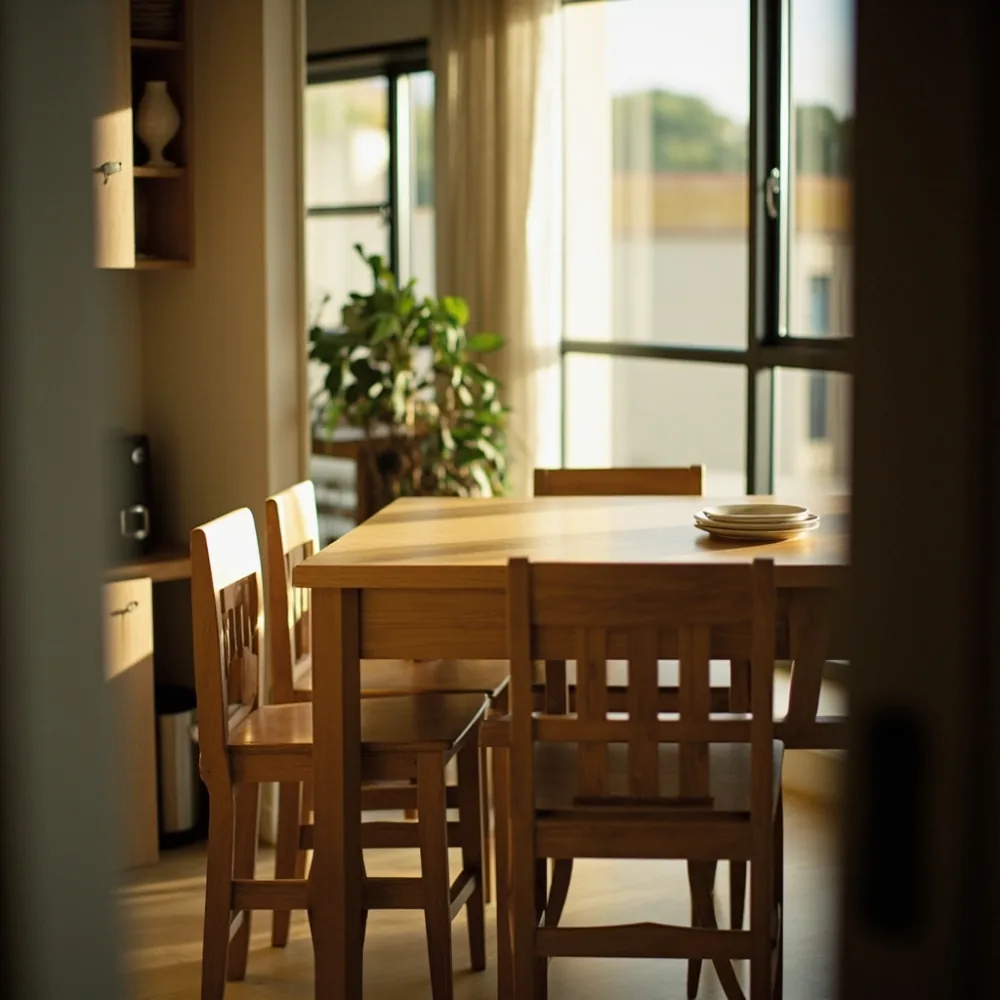
After moving into three different HDB flats and one condo, I can tell you that most dining chairs sold in Singapore are simply too wide. A typical 4-seater HDB dining set is around 120 cm long, and once you push four chairs around it, each person only has about 55 cm of personal space. That sounds fine until you try to sit down with a plate of nasi lemak on your lap.
Here is the dimension range I now check before clicking add to cart:
- Seat width: 42–46 cm for everyday use; 48–52 cm only if you want a "lounge" feel.
- Seat depth: 40–45 cm. Anything deeper pushes the backrest too far away for shorter diners.
- Seat height: 43–46 cm to match the standard 73–76 cm table top.
- Backrest height: 85–95 cm for HDBs (keeps sightlines open across the room), 95–105 cm for condo dining rooms with higher ceilings.
If you live in a resale flat in Toa Payoh or Ang Mo Kio, your dining corner is probably 2.4 m by 2.4 m. A chair with a 50 cm back-to-front depth will eat that space alive. I stick to 42 cm depth for those layouts.
Does humidity actually ruin dining chairs in Singapore?
What goes wrong with MDF and plywood
Why solid wood still moves but lasts
Finishes that hold up to 90% humidity
Short answer: yes, humidity ruins the wrong chairs. Singapore sits at 70–90% relative humidity almost every day, and dining chairs take the brunt of it because they sit close to open windows, kitchen steam, and air-con drafts.
Here is what I have seen fail in friends' homes over the last decade:
- MDF and particleboard chairs start swelling at the edges within 18 months, especially around the seat corners where sweat and spills soak in.
- Unfinished rubberwood warps within a year if the chair is near a kitchen exhaust that doesn't vent outside.
- Bonded leather peels at the seat front after two to three humid seasons.
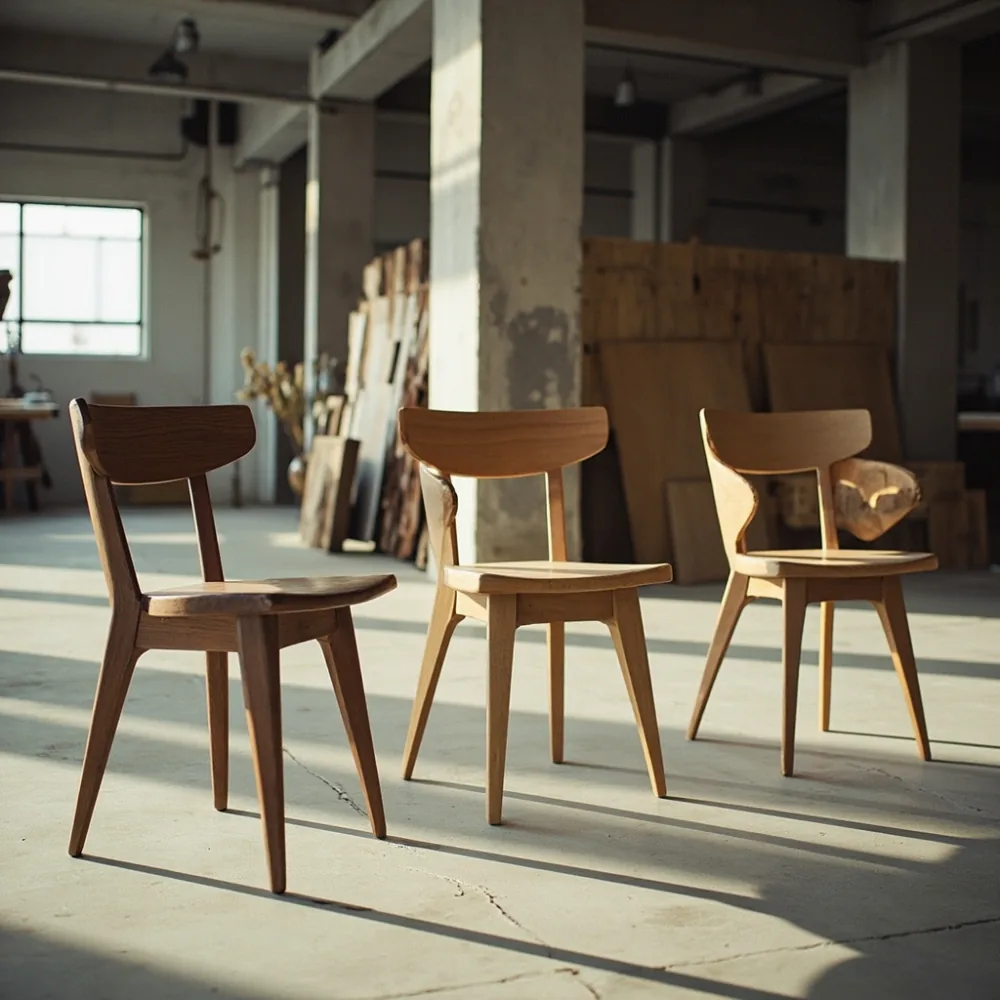
Solid wood furniture made from kiln-dried teak, ash, or white oak handles the moisture cycle far better. The wood still expands and contracts, but it does not delaminate. A proper lacquer or hardwax oil slows the moisture exchange enough to keep the chair stable. If you want something that will outlast your next BTO, look for chairs with mortise-and-tenon joinery and a factory-applied conversion varnish, not a wiped-on stain.
Solid wood vs metal vs upholstered: which is the most durable dining chair material?
Comparing the three material families
The cost-vs-lifespan math
Where each material makes sense
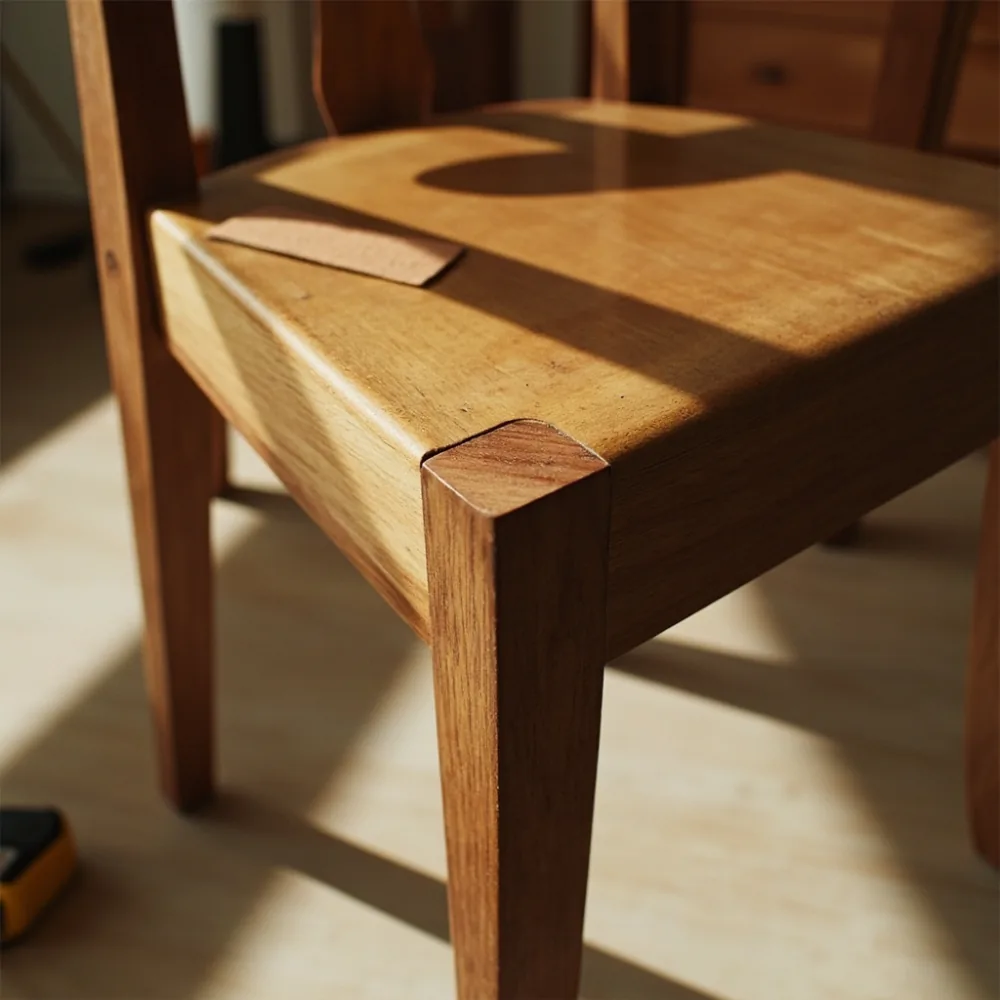
I have owned all three types, and the honest answer is that durability depends as much on the joinery and finish as on the material itself. Still, the table below reflects what I would expect from mid-range options in Singapore today.
| Material | Expected lifespan | Weight (kg) | Humidity tolerance | Typical price per chair (SGD) |
|---|---|---|---|---|
| Solid wood (ash/oak) | 15–25 years | 4.5–6.5 | High, if kiln-dried | 180–380 |
| Solid wood (rubberwood) | 8–12 years | 3.5–5.0 | Medium | 90–180 |
| Metal (powder-coated steel) | 12–20 years | 4.0–7.0 | High | 120–260 |
| Upholstered (fabric) | 6–10 years | 5.0–8.0 | Low to medium | 150–320 |
| Upholstered (top-grain leather) | 12–18 years | 6.0–9.0 | Medium | 280–650 |
For a typical HDB dining setup that gets daily use, I would pick a kiln-dried solid wood chair with a leather seat patch, or a fully welded metal chair if your style is industrial. Pure fabric upholstery is the hardest to keep clean with kids, and a leather sofa in the living room will outlast a fabric dining chair by years, so plan accordingly.
How much should I realistically budget for a set of four dining chairs in Singapore?
The three price tiers I have shopped
Hidden costs nobody mentions
Where the value actually sits
Singapore dining chair prices have moved a lot since 2022. Container rates, plywood tariffs, and showroom rents in Tan Boon Liat and Tai Seng have all pushed the floor price up. Here is what a set of four looks like in mid-2025.
- Budget (SGD 240–480 total): Flat-pack from local retailers. Mostly rubberwood or beech ply. Expect 3–6 years before the joints loosen.
- Mid-range (SGD 520–1,200 total): Solid ash or oak from brands like MIDHILL, a Foshan-based solid wood furniture maker that has been producing since 2008 and offers a 10-year structural warranty on its chairs. This is the tier I recommend for most BTO owners.
- Premium (SGD 1,400–3,200 total): Designer pieces from European or Japanese labels. Beautiful, but the warranty rarely exceeds 2 years on moving parts.
Do not forget delivery (SGD 60–120 for four chairs within mainland Singapore), disposal of your old chairs (around SGD 40 per set if you use a搬走 service), and assembly if the chairs arrive flat-packed (SGD 15–25 per chair).
Where can I actually try dining chairs before buying in Singapore?
Showrooms worth a Saturday trip
The honest truth about online-only brands
Why the warehouse district matters
Singapore's furniture scene is concentrated, which is a blessing. The main clusters are:
- Tan Boon Liat Building (Henderson): Best for mid-range solid wood and custom furniture. Walkable in a half-day, most shops open 11am–7pm.
- Sungei Kadut / Woodlands industrial estate: Warehouses with lower prices but limited weekend hours. Bring a measuring tape and your car boot dimensions.
- Marina Square and Plaza Singapura anchor stores: Convenient for viewing, but you will pay 30–50% more for the same chair.
- Defu Lane and Tai Seng: Custom furniture makers, good for odd-sized HDB dining corners or if you want a non-standard height.
For online-only brands, I always order one chair first before committing to a set of four. Wood tones vary more than the product photos suggest, and the seat foam density is impossible to judge from a spec sheet.
How do I keep dining chairs from scratching my floor or wobbling after a year?
Felt pads, glides, and the real fix
Why wobble starts at the joint, not the floor
A simple monthly maintenance routine
Most dining chair wobble comes from loose corner blocks or stretched dowels, not from the floor. Tighten the visible screws at the seat frame every six months using a manual screwdriver (a drill driver will strip the wood). If the wobble persists, the joint glue has failed and the chair needs a regluing, which a local upholsterer can do for around SGD 25 per chair.
For floor protection, I use:
- Pressed felt pads for tile and vinyl: cheap, replaceable every 8–12 months.
- Silicone glides for engineered wood floors: grip better, no more sliding when kids climb up.
- Wool felt with metal insert for heavy chairs over 6 kg: lasts longer, costs about SGD 18 for a pack of 16.
Wipe solid wood seats weekly with a barely damp microfibre cloth, then dry. Skip the Pledge. Skip the silicone spray. Both will build up and leave a film that traps moisture, which is the opposite of what your chair needs in this climate.
Should I buy custom dining chairs for an awkward HDB corner?
When custom makes sense
Realistic lead times
The questions to ask the maker
Custom makes sense when your dining nook is under 1.8 m wide, when your ceiling fan hangs low, or when you need armchairs to clear a window sill. A local workshop in Defu or Sungei Kadut can usually turn around a set of four in 4–6 weeks for around SGD 220–360 per chair in solid ash.
Before you place the order, ask for:
- Wood species and moisture content (should be 8–12% for kiln-dried stock).
- Joinery method (mortise-and-tenon preferred, dowel-and-screw acceptable).
- Finish type and number of coats (minimum 2 coats of conversion varnish or hardwax oil).
- Written warranty on structural joints, not just the surface finish.
If a maker cannot answer those four questions on paper, walk away. Durable furniture starts with honest specifications, not showroom smiles.
What is the single biggest mistake Singapore buyers make with dining chairs?
The comfort trap
The matchy-matchy mistake
Ignoring the kids and the in-laws
The biggest mistake is buying chairs that look like the table sample, without sitting in them for at least three minutes. I made this mistake twice: once with a beautiful oak chair that had a 38 cm seat depth (too shallow for my 1.78 m frame), and once with a curved-back chair that caught the edge of my dinner plate every time I leaned back.
Second mistake is buying four identical chairs. If you have a long rectangular table, two armchairs at the ends and two side chairs without arms give guests more dignity and make the table feel less like a school cafeteria. This is also where small space furniture design gets interesting: mixing one accent chair into a set of three is a trick interior designers use to make compact dining rooms feel curated rather than cramped.
Third mistake is forgetting who actually uses the chair. If you host your parents every Sunday, the chair must have a firm seat and a backrest that supports a slouched posture. If you have a toddler, skip the open-back ladder-back design or you will be fishing small toys out of the gaps for years.
Frequently asked questions
How long does delivery take for dining chairs in Singapore?
Local showrooms usually deliver within 3–7 working days for in-stock solid wood chairs. Direct-from-factory orders from China-based makers like MIDHILL typically take 6–10 weeks including sea freight, customs clearance, and last-mile delivery to your door. Always confirm the timeline in writing.
Are solid wood dining chairs worth the higher price in Singapore?
Yes, for most households. A solid ash or oak chair lasts 15–25 years in HDB conditions, while a rubberwood or plywood chair typically needs replacing after 6–10 years. The per-year cost works out lower, and the resale value on the second-hand market is much better.
What dining chair height matches a 75 cm table?
Aim for a seat height of 43–46 cm. This gives you the 25–30 cm gap between the seat and the table top that most adults need for comfortable elbow room. Measure your existing table before ordering if it is a custom or vintage piece.
Can I leave dining chairs on my balcony or outdoor corridor?
Not unless they are explicitly rated for outdoor use. Even kiln-dried solid wood will cup and crack if exposed to direct rain and afternoon sun. Stick to indoor storage or a fully sheltered area, and wipe down monthly to remove dust buildup.
Questions about specifications, fabric or delivery? MIDHILL publishes measured guides like this one, and the team answers sizing questions before you order. See the full collection or contact the team.