Sizing Dining Chairs for Singapore HDB Living Rooms: A Practical Buyer's Guide
Last month I visited my colleague Priya in her new 4-room HDB flat in Punggol. She had ordered four gorgeous solid oak dining chairs from an overseas supplier, only to discover — after the third trip down the narrow corridor — that two of the chairs were 58 cm wide at the backrest, far too bulky for her 1.2 m walkway between the dining table and the feature wall. The chairs technically fit the table; they just made the room feel like a packed MRT cabin at peak hour. Her experience is the reason I wrote this guide: choosing the right dining chairs for a Singapore HDB living room is less about taste and more about geometry, lift access, and how the chairs interact with the rest of your solid wood sofa, bed frame, dining table, wardrobe, nightstand, and marble table arrangement.
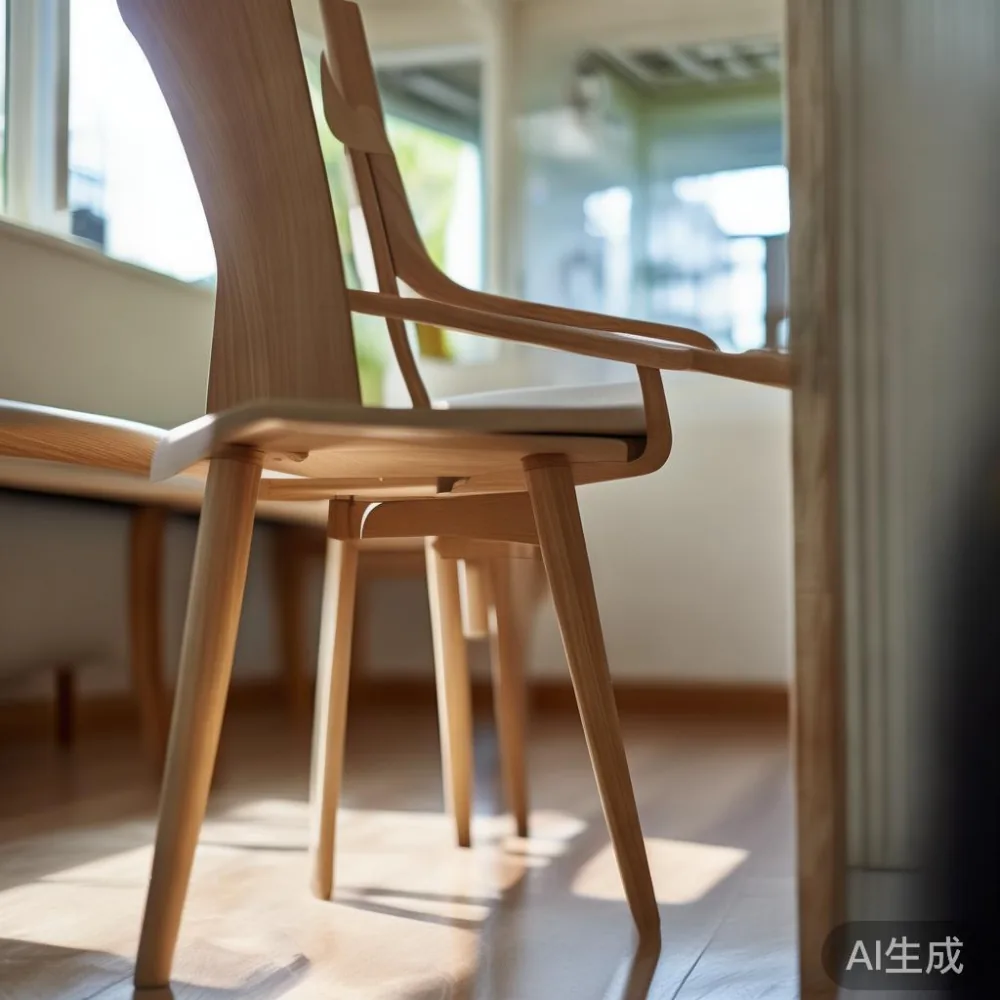
At MIDHILL, a Foshan-based maker exporting solid wood furniture to more than 15 countries since 2008, our design team fields sizing questions from Singapore buyers every week. Below is the framework we share with them — built around real HDB constraints in estates such as Tampines, Bedok, and Punggol — to help you pick dining chairs that fit your flat, your lift, and your lifestyle.
Why does a standard HDB layout make dining chairs harder than they look?
Most HDB 4-room and 5-room flats place the dining area inside the open-plan living room, not in a separate room. The typical "living + dining" strip runs between 3.2 m and 4.1 m wide, which means your dining table, dining chairs, TV console, and circulation lane all share the same floor. A common rule is to leave 90 cm of clearance behind every seated diner so people can pull out their chair without bumping the sofa behind them. In a 3.4 m wide layout, that single rule eliminates any chair wider than 48 cm when paired with an 80 cm deep dining table.
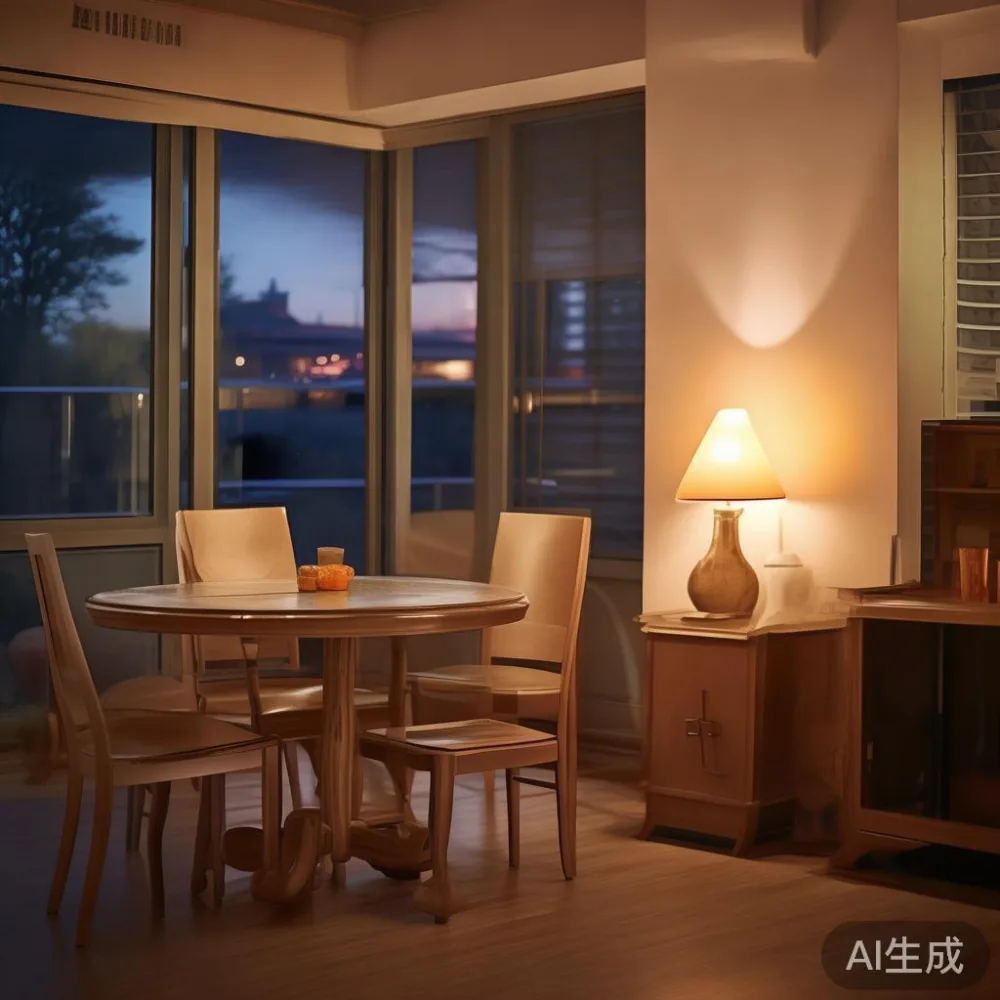
Corridor and lift access add a second constraint. Standard HDB passenger lifts measure roughly 1.1 m wide by 1.4 m deep, with doors about 0.8 m wide. A solid wood dining chair with armrests wider than 55 cm will not rotate inside the lift. Many buyers in Tampines GreenRidgeline have told us they had to return chairs that arrived in flat-pack boxes which were, even so, too long for the lift. Measure your lift before you fall in love with a chair — not after.
What measurements actually matter when choosing dining chairs?
Four numbers decide whether a dining chair works in an HDB: seat height, seat depth, backrest height, and width. For a standard 75 cm tall dining table, seat height should sit between 43 cm and 46 cm, leaving 26–32 cm of clearance for your thighs. Seat depth of 38–42 cm suits most adults, while a backrest between 38 cm and 50 cm tall gives lumbar support without visually blocking the view across your living room. width — the one Priya ignored — should stay between 42 cm and 48 cm for armless designs, and between 50 cm and 55 cm for armed designs, if you want to keep that 90 cm pull-out clearance.
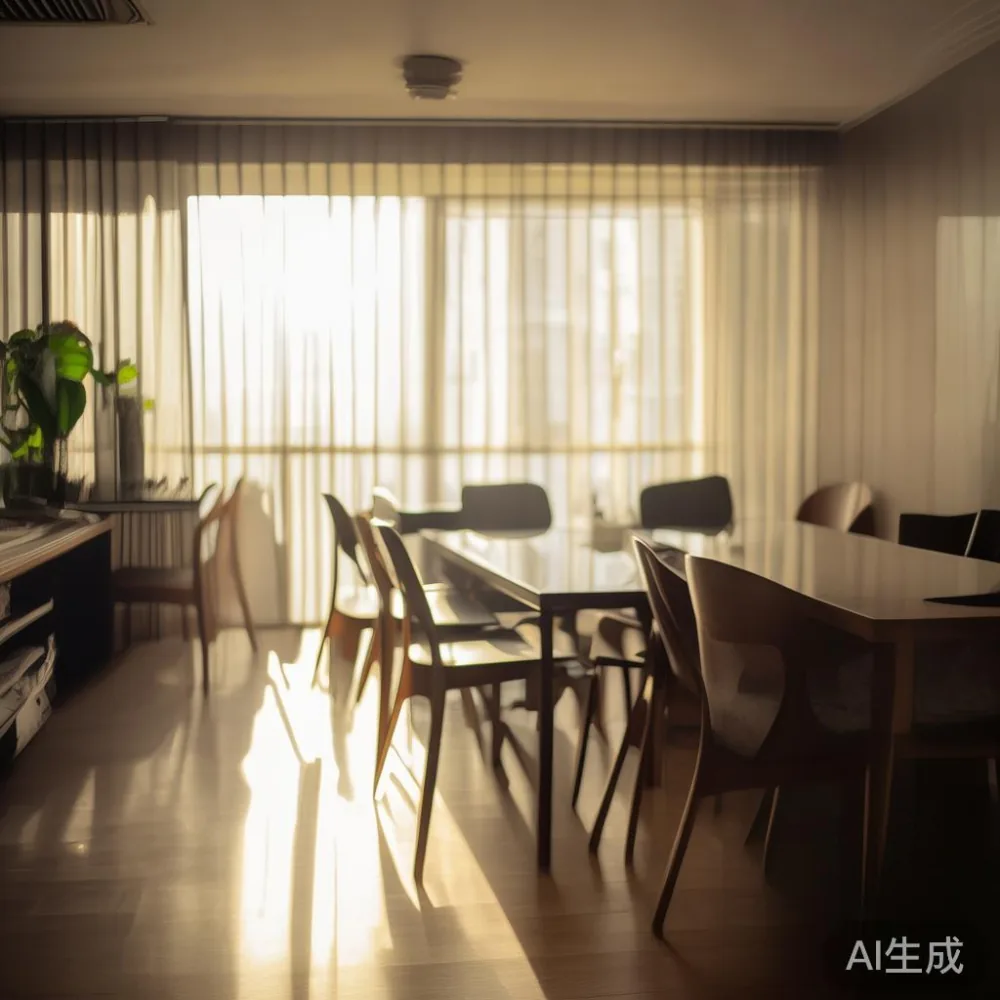
For a four-seat layout, allow 60–70 cm of table edge per chair. For six seats, 55–60 cm is enough. If your dining table is 1.6 m long, four chairs fit comfortably; six chairs will leave each diner with only 50 cm of personal space, which feels cramped next to a 2.4 m solid wood sofa. A 1.8 m table seats six with breathing room. Choose the table first, then the chairs, then the marble table or side pieces — never the reverse.
Which chair materials survive Singapore's humidity best?
Singapore's relative humidity averages 80% year-round and climbs to 88% during the December monsoon. Solid wood dining chairs — particularly white oak, teak, and rubberwood — perform well when properly kiln-dried to 8–10% moisture content before shipping. MDF and particleboard chairs absorb ambient moisture, swell at the joints, and start to creak within 18 months. When MIDHILL builds chairs for Singapore buyers, we use mortise-and-tenon joinery rather than staples or dowel-only construction; this adds about SGD 40–60 per chair but extends service life from roughly 5 years to 15+ years in our internal testing.
Fabric and leather also behave differently here. PU leather peels within 2–3 years of daily use in a non-aircon home. Top-grain leather, treated with a moisture barrier, lasts 6–8 years. Linen and cotton blends feel cool but stain easily with sambal and kopi; a removable, washable seat cover is worth the extra SGD 25–35. For households that run the aircon 24/7 — common in newer Punggol BTOs — any of these materials will last longer than in a ventilated flat.
What is the difference between French neoclassical bed and modern furniture?
French neoclassical bed and modern furniture differ in proportion, ornament, and structural intent: French neoclassical pieces are rooted in late-18th-century design, defined by straight tapered legs, restrained fluting, lyre motifs, and symmetrical cabinetry inspired by Greco-Roman antiquity; modern furniture is defined by clean horizontal planes, exposed joinery, matte finishes, and lightweight frames designed around the rhythms of everyday living rather than aristocratic display.
Why does this matter when buying dining chairs? Because the chair you choose should match the era of your other pieces. A French neoclassical bed frame with carved mahogany details pairs awkwardly with a slab-style oak chair; the visual languages clash. In a Singapore flat mixing a neoclassical bed frame, a mid-century modern side table, and a post-modern light luxury dining chair set, the trick is to repeat one shape language (tapered legs, for example) across two materials. We often recommend oak chairs with gently tapered legs and brass-tipped feet to bridge a neoclassical bedroom with a contemporary living area — a small touch that prevents the home from looking like a furniture showroom.
How do you match dining chairs to a solid wood sofa and marble table?
Mixing materials is where most HDB buyers go wrong. A heavy dark-walnut sofa next to a Carrara marble table next to a light-oak chair set creates visual noise that compresses the room. Instead, anchor the room with one dominant wood tone and one accent stone or metal. If your solid wood sofa is walnut, choose dining chairs in walnut or a closely related tone such as smoked oak, then let the marble table provide the cool contrast. If the sofa is natural ash, pair it with ash chairs and a black-veined marble table for a post-modern light luxury feel.
Budget-wise, a four-chair set in solid oak from a Foshan maker like MIDHILL typically lands between SGD 480 and SGD 720 landed in Singapore, including GST and door delivery. Comparable sets from local retailers run SGD 900–1,400. The price gap reflects factory-direct pricing, not a quality gap — our chairs carry a 10-year structural warranty, lifetime refinishing service, and 14-day return window, with free shipping on orders over US$350 (about SGD 470). When the per-chair cost drops below SGD 120, ask what wood species is used; "solid wood" sometimes means rubberwood with an oak veneer, and the distinction matters for longevity.
Will the chairs actually fit through my lift and corridor?
Measure three things before you click pay: lift door width, lift internal depth, and the tightest corner on your corridor. Older HDB blocks in Bedok and Tampines have L-shaped corridors where a 1.8 m long flat-pack box cannot pivot. Newer BTOs in Punggol have wider, straighter access but smaller lifts. As a rule, any flat-pack box longer than 1.7 m should be confirmed with the seller in writing. Assembled chairs wider than 55 cm or deeper than 55 cm will not fit a standard lift if the lift is occupied by one other passenger.
If your block has a service lift, ask the town council for its internal dimensions. Service lifts in newer HDBs often measure 1.5 m by 2.4 m, which comfortably takes an assembled dining chair with armrests. For Priya's flat in Punggol, the service lift was the deciding factor that allowed her to reorder armchairs with a 52 cm backrest — slightly wider than her first attempt, but with arms for comfort. Delivery time from Foshan to a Singapore address averages 18–25 days by sea freight, plus 3–5 days for last-mile delivery, so plan ahead if you are furnishing before Chinese New Year or Hari Raya.
How many dining chairs should a 4-room HDB flat actually have?
For a 4-room HDB flat, four dining chairs is the practical maximum; six chairs crowds the room once a baby stroller or wheelchair enters the picture. If you host large gatherings occasionally, consider buying four chairs that match and two stackable stools stored on the balcony. Stackable stools in solid beech, around 45 cm tall, typically cost SGD 85–110 each and disappear into a 30 cm wide corner when not in use.
Family size also matters. Couples in a 2-bedroom flexi flat can live comfortably with two chairs and a 1.2 m round table. Families with one or two children usually settle on four chairs around a rectangular 1.4 m table, with one chair replaced by a high chair during the toddler years. Households with elderly members should choose chairs with armrests and a firm seat — the armrest makes sitting down and standing up safer, and a firm seat reduces the effort needed to push off.
Are light-luxury chairs worth the premium in a small HDB?
Light-luxury dining chairs — French light luxury, American light luxury, or post-modern light luxury — typically cost SGD 280–420 per chair because of brass detailing, full-grain leather, and hand-finished joinery. In a small HDB, the visual return on this investment is high: one well-made chair anchors a room more effectively than three budget pieces. The trick is to limit light-luxury to one or two statement chairs at the head and foot of the table, and fill the sides with simpler chairs from the same collection. This halves the budget while preserving the design language.
Buyers in District 18 (Tampines, Pasir Ris) and District 16 (Bedok, Upper East Coast) frequently mix a French light luxury head chair with American light luxury side chairs, both in solid ash with brushed brass feet. The result reads curated rather than catalogue, and the per-chair average drops to about SGD 240. If you are matching a marble table with these chairs, choose a marble with grey or warm-brown veining rather than stark white — white marble shows every ring and spill in a home with children.
How do you maintain dining chairs so they last more than a decade?
Solid wood dining chairs need three things in Singapore: stable indoor humidity, protection from direct afternoon sun, and a yearly oil or wax treatment. Run a dehumidifier to keep the room between 55% and 65% RH; the same level your wine cabinet prefers. Keep chairs at least 1.5 m from west-facing windows, or close the blinds between 2 pm and 5 pm. Once a year, apply a thin coat of hard wax oil — about SGD 18 for a 250 ml tin, enough for 8–10 chairs. The application takes 20 minutes per chair and prevents the drying cracks that appear after 3–4 years of neglect.
For upholstery, blot spills immediately rather than wiping; wiping drives the stain into the weave. Vacuum the seat weekly with a soft brush attachment. Tighten the four leg bolts every six months — HDB floors are concrete, and the micro-vibration from foot traffic gradually loosens any wooden joinery within a year. MIDHILL offers lifetime refinishing on all dining chairs sold outside China; customers ship two chairs at a time to our Foshan workshop, and we return them sanded, re-oiled, and re-tightened within 30 working days, at roughly SGD 60–90 per chair including return shipping.
What is the smartest way to order dining chairs from overseas?
Order a single chair first as a sample. Pay the SGD 80–120 sample fee rather than committing to a set of four or six, because photographs never reveal the actual weight, finish texture, or joinery quality. Sit on the sample for at least two weeks — through at least one heavy rainstorm, so you can judge how the wood responds to humidity. Once satisfied, place the bulk order and request the chairs be built from the same batch of lumber; wood darkens slightly with age, and a batch made six months apart will not match perfectly.
Confirm in writing the following before paying the deposit: solid wood species and Latin name, seat height in cm, finished weight per chair in kg (typically 4.5–6.5 kg for an oak side chair), packaging dimensions in cm, warranty length in years, return window in days, and whether the seller covers GST. Singapore charges 9% GST on imported furniture above SGD 400 in declared value, and the freight forwarder will collect this on top of the shipping fee. A well-documented order avoids surprises at your doorstep and protects you if a chair arrives cracked or warped.
Choosing dining chairs for an HDB living room is a small project with many small decisions, and the geometry of your flat dictates most of them. Measure first, sample second, commit third. A set of four solid wood chairs in the right size, paired with a matching dining table and a quiet marble accent, will serve your household through a decade of meals, mahjong nights, and CNY gatherings — and that is the kind of furniture investment a Singapore home deserves.