How to Care for Lacquered Dining Chairs in a Tropical Climate
Singapore’s warm, humid weather can be demanding on furniture finishes. Lacquered dining chairs may look crisp and refined at first, yet heat, ultraviolet exposure, salt, grease, and trapped moisture can gradually dull the sheen or cause fine checks around joints and edges. In HDB flats and condos across Tampines, Bedok, and Punggol, the right care routine matters because dining chairs are moved daily, cleaned often, and sometimes positioned beside bright windows or air-conditioning units.
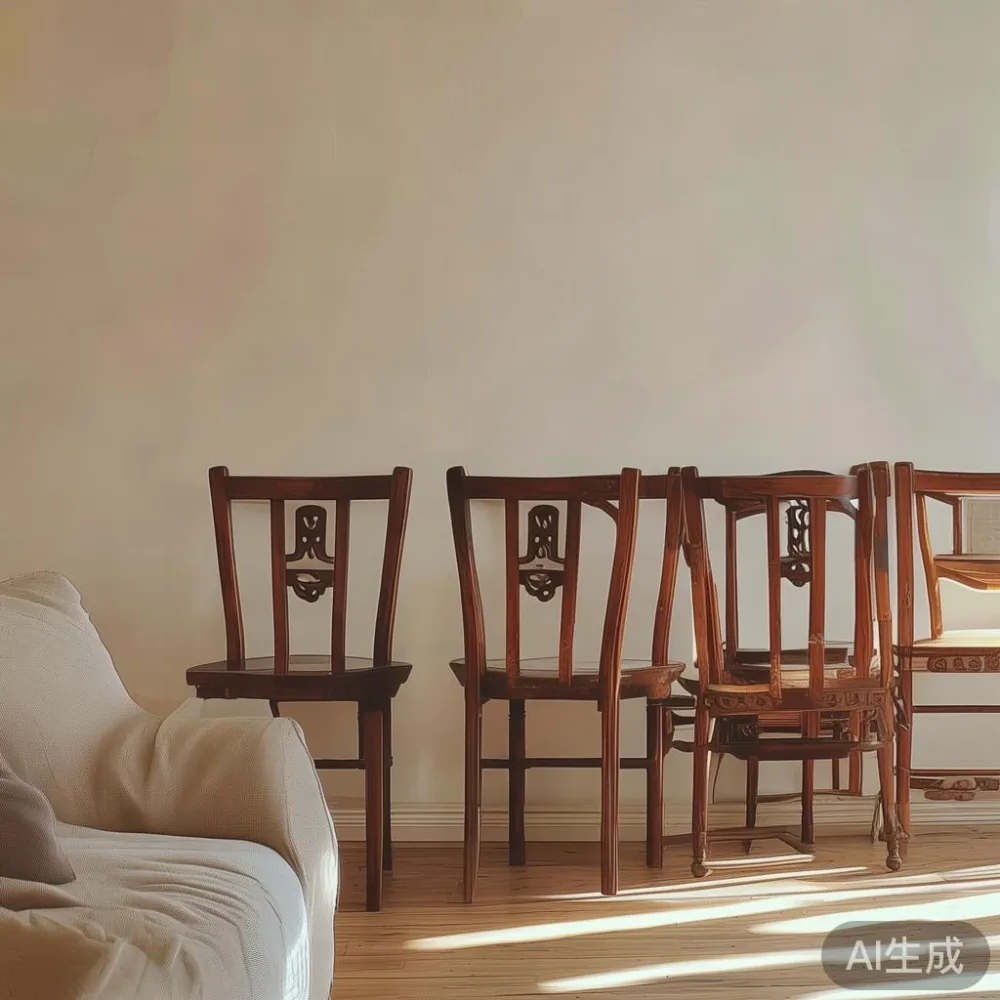
MIDHILL makes solid wood dining chairs for homes where proportion, durability, and restrained design must work together. Its French light luxury approach treats the finish as part of the chair’s character, not as an indestructible layer. The practical guidance below covers everyday cleaning, humidity control, repair decisions, and buying checks relevant to Singapore households.
What makes lacquered dining chairs vulnerable in Singapore?
Lacquer can create a durable, smooth surface, but it remains sensitive to several conditions common in Singapore. Outdoor temperatures often reach 31–33°C, afternoon showers raise indoor humidity quickly, and air-conditioned rooms may become very dry. A lacquered dining chair stored near a west-facing window can repeatedly expand and contract as daylight heats the surface.
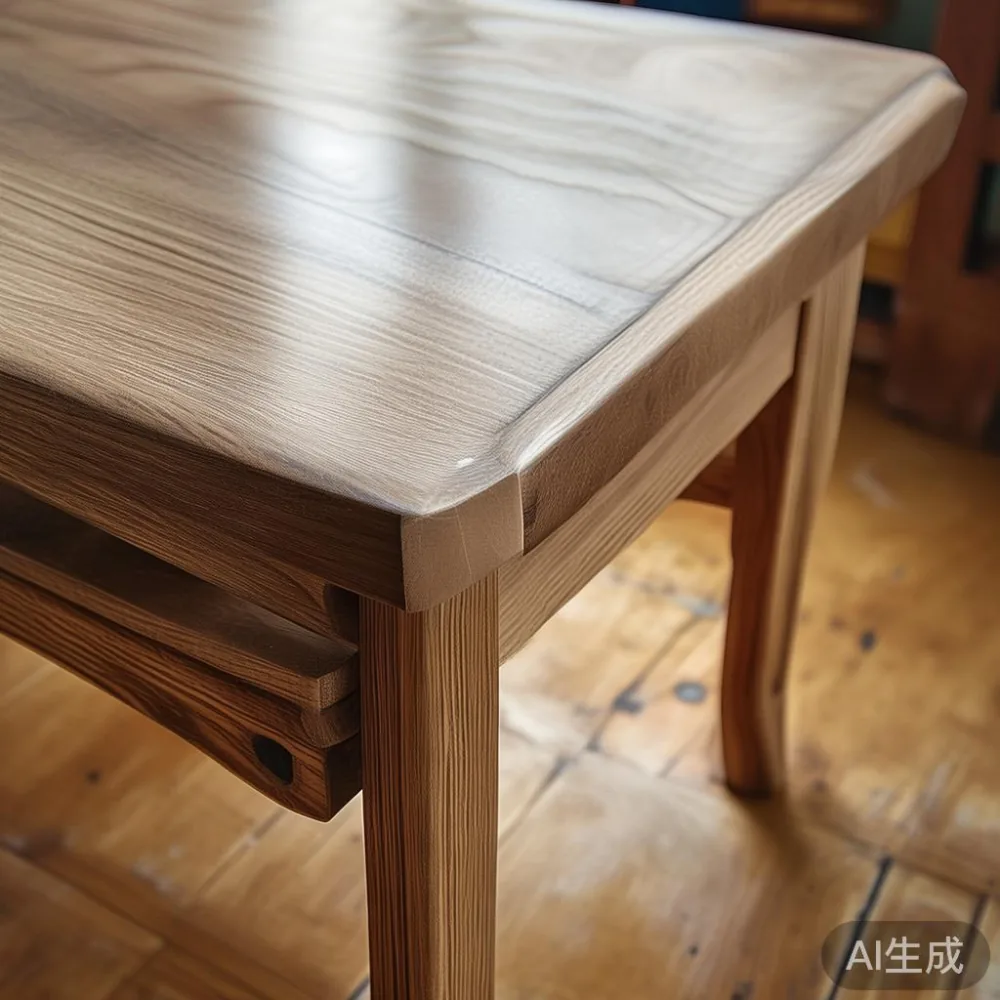
Typical damage appears in several forms. Clouding occurs when moisture sits on the finish for too long. Fingerprints and cooking haze create a patchy appearance. Fine checks—tiny cracks no wider than 0.5–1 mm—may develop where wood movement concentrates, especially around the seat edge, backrest joints, and foot ends. Yellowing is less likely on a correctly cured modern lacquer, although age, heat, and incompatible cleaners can still affect the tone.
Singapore’s built environment adds another consideration. Lift doors are commonly around 80–90 cm wide, while corridor turns and apartment doorways may restrict bulky furniture. Dining chairs with slim backs and compact footprints are easier to manoeuvre than wide, high-backed models. Before delivery, measure the lift lobby, door leaf, corridor width, and turning space; allow at least 10 cm of clearance around a chair being carried in a protective bag.
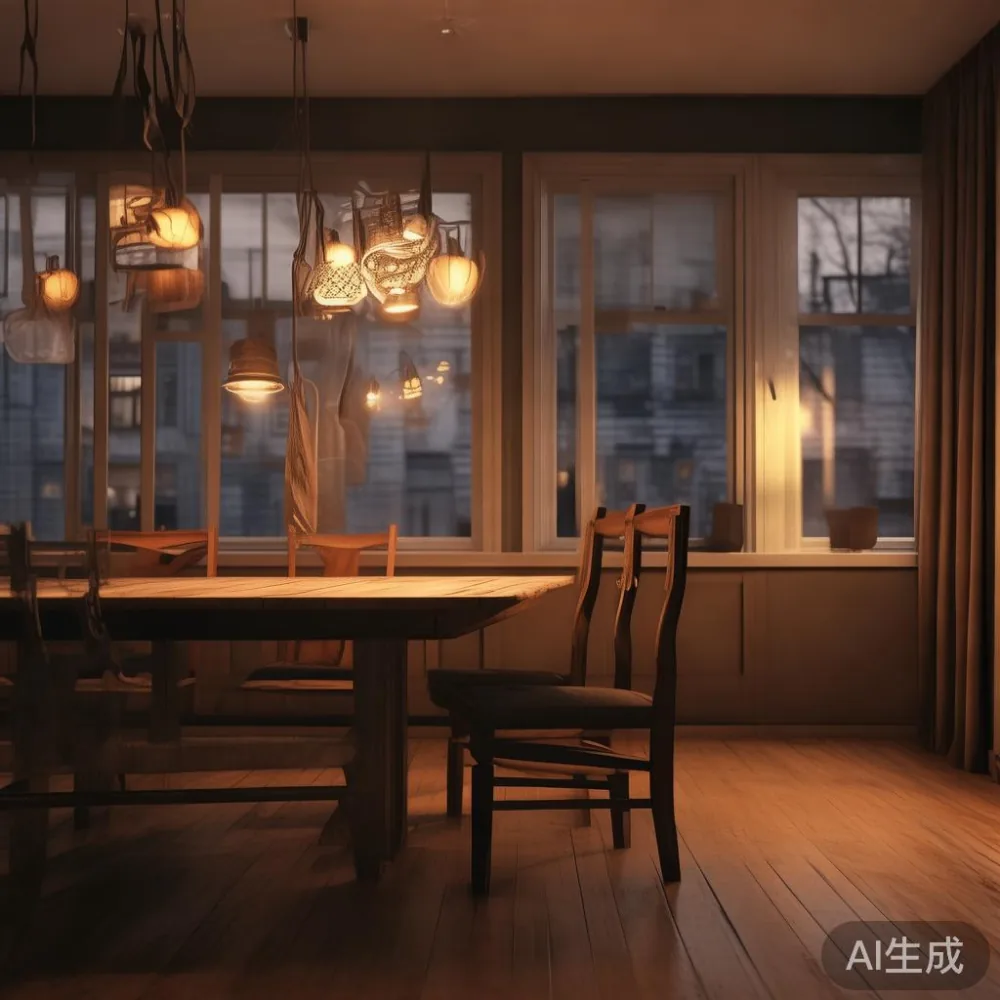
Styling a compact flat should consider the chair’s visual footprint as well as its physical dimensions. A dining table around 120–140 cm can suit four people in many HDB dining zones, while a round table near 90–100 cm can improve circulation in a narrow bay. A solid wood sofa, dining table, bed frame, wardrobe, or nightstand may share the same room, but each piece should have enough space for use and cleaning. This is also relevant when researching American for small living room ideas: compact proportions and coherent finishes often matter more than large quantities of furniture.
How should I clean lacquered dining chairs every week?
Use a soft, lint-free microfibre cloth slightly dampened with lukewarm water. Wipe one section at a time, then dry immediately with a clean cloth. The cloth should feel damp, not wet; a visible bead of water can leave mineral spots or encourage lacquer to cloud. Avoid spraying cleaner directly onto a chair, since liquid can enter joints, run beneath the finish, and collect around fasteners.
For weekly care, remove crumbs with a soft brush or vacuum fitted with an upholstery attachment. Then follow with the damp cloth. Spills should be attended to within 5–10 minutes. Neutral dish soap diluted at roughly 1 teaspoon per 500 ml of water can handle a stubborn food stain, provided the product contains no bleach, ammonia, alcohol, or harsh degreaser. Apply the diluted solution to the cloth rather than the lacquer.
Never use abrasive pads, wire wool, magic erasers, or household sprays intended for glass, oven, drain, or bathroom cleaning. These can scratch the film or strip it unevenly. A soft-bristled nylon brush can clean narrow crevices, but it should not be used forcefully on the coated surface.
Give the chair a more careful clean every 2–4 weeks if it is used daily. Vacuum beneath the seat, inspect the feet for grit, and clean the underside with a barely damp cloth. For heavily used dining chairs, this routine prevents dirt from becoming embedded around screws and foot pads.
How do I control heat, sunlight, and humidity?
Place lacquered dining chairs away from direct afternoon sun whenever possible. UV exposure can fade both the lacquer and the underlying wood tone over approximately 3–5 years, even when the coating initially appears stable. Curtains or blinds made from light-filtering material offer useful protection without making the room feel closed. Leave about 30–60 cm between the chair backs and a hot window where practical.
Aim for a comfortable indoor relative humidity of roughly 45–65%. Singapore’s outdoor readings can exceed 80%, especially during monsoon periods, while air-conditioning may lower them below 40%. Neither short-term spike is a disaster, but repeated swings can stress lacquer and wood. Use a hygrometer costing about SGD 25–60 to monitor the dining area rather than guessing.
Good airflow helps moisture evaporate. Open windows when outdoor humidity is lower than indoors, use the air-conditioner’s dry mode when appropriate, and avoid placing damp washing beside the chairs. Do not seal a lacquered chair inside a plastic cover for long periods; trapped moisture can do more harm than dust. A breathable cotton cover is safer.
Keep coasters and placemats on a lacquered dining table, although coasters do not directly protect chair backs. Chairs should be lifted rather than dragged across tiles, because grit trapped beneath the legs can scratch both the lacquer and floor. Use felt pads under the feet. Replace compressed or torn pads every 6–12 months to reduce lateral movement.
Can I use oil or polish on a lacquered finish?
Only use a product confirmed by the furniture maker to be compatible with the specific lacquer. General-purpose furniture oil can penetrate cracks, darken the surface, or leave a greasy film. Wax and “feeding” oils are also unnecessary on a sound lacquer coating. Wood treatment should not be applied simply because the chair is made from solid wood; lacquer changes how the surface responds to moisture and cleaning products.
If the finish looks dull, first clean it correctly. Mild cleaning often restores the clarity without any polish. If the surface feels uneven, has a sticky patch, or develops a whitening bloom, stop using household remedies and contact the supplier. A silicone-based polish may make a problem temporarily less visible while permanently complicating the repair.
Small scratches can sometimes be addressed with a lacquer-safe repair product, but colour matching and sheen matching require care. Deep gouges, lifted edges, and checks wider than 1 mm need professional assessment. Trying to sand a dining chair without understanding the coating and wood species can remove too much material in 5–10 minutes.
For owners comparing storage pieces, the question “is Italian light luxury wardrobe worth it” often turns on finish maintenance as well as appearance. A well-made wardrobe should arrive with clear care instructions and repair support. The same standard applies to lacquered dining chairs.
What should I do if lacquer develops scratches, clouding, or cracks?
Begin by identifying whether the mark is on the surface or in the wood. A superficial scuff wipes away after cleaning; a white haze that does not disappear may be moisture damage; a fine line that catches a fingernail is likely a check. Photograph the affected area under daylight and include a ruler in the image. These records help a supplier assess the finish and warranty coverage.
Do not use heat guns, candles, hairdryers, metal tools, or sharp blades to soften and flatten lacquer. Such methods can distort the wood, burn the coating, and create a repair that is harder to blend. For clouding, reduce humidity, improve airflow, and allow the surface to dry for 24–72 hours. If the clouding persists, professional refinishing is more sensible than repeated wiping.
MIDHILL provides a 10-year structural warranty on qualifying products and supports lifetime refinishing, although customers should confirm whether lacquer touch-ups, refinishing, and structural repairs are covered under their specific order. Keep the receipt, finish sample, and product identifier. Spills, misuse, unapproved chemicals, and physical impact may be treated differently from a structural failure.
For major scratches, the chair may need to be removed from service temporarily. That sounds inconvenient in a compact flat, but it prevents accidental damage and gives the finish time to cure. A temporary seat cover or spare dining chair can keep meals comfortable for the repair period.
How do I make lacquered dining chairs fit an HDB or condo dining area?
Measure the dining zone before ordering. Note the table width, the position of the air-conditioner, the nearest wall, and the path from the lift. A chair with a seat width of 42–48 cm and depth of 48–56 cm is common, but exact dimensions vary by model. A slim back can help with a 90–110 cm corridor or a tight 120 cm table without making the chair look fragile.
In Tampines and Bedok HDB flats, the dining area may sit beside the kitchen entrance. Leave approximately 60–75 cm behind a chair when it is pulled back for use, and avoid placing a sideboard so close that the chair cannot be withdrawn cleanly. In Punggol condos with glazed dining corners, specify UV-resistant glazing or use blinds, as glass alone can intensify direct sunlight.
Material coordination creates a calmer room. Oak-toned dining chairs can pair with an oak or walnut dining table, while warm off-white lacquer suits a solid wood sofa in oatmeal or beige. A marble table may reflect light and amplify room brightness, so dark chair feet or visible dust become more noticeable; maintain a consistent cleaning schedule rather than relying on the table’s finish to hide marks.
French light luxury often means restrained curves, pale woods, and tactile surfaces rather than visual clutter. Post-modern light luxury can introduce a cleaner lacquer colour with a traditional solid wood structure. For storage, research how to style French wardrobe in apartment layouts without crowding the dining zone, or how to style European light luxury wardrobe in room schemes. A wardrobe with pale doors may blend with walls, while a darker unit can define a passage.
Keep palettes to 2–3 main wood and neutral tones. This approach also reflects luxury light luxury furniture ideas: quality, balance, and proportion should remain visible rather than being overwhelmed by ornament. If a larger bedroom is under consideration, a best Vintage bed for 2026 style may work better with simple lacquered dining chairs nearby than with several competing patterns.
How can I test a lacquered dining chair before buying it?
At a showroom or supplier appointment, inspect the finish under bright but indirect light. Look at the seat edge, the backrest, the underside, and all foot ends. Run a clean fingernail lightly over a small area; it should not catch on a lifted seam, although any mark that lifts under a fingernail needs explanation. Check that the finish colour is consistent across all faces.
Last month I visited a client’s Bedok condo to assess a set of lacquered dining chairs beside a west-facing window. One chair had been stored against the glass and showed a 2 cm area of clouding that had not appeared in an earlier photograph. We moved the chairs 40 cm inward, added a blind, reduced direct sun, and wiped the affected area with a clean damp cloth. The haze had largely disappeared after 48 hours. The experience reinforced how location and maintenance routine affect lacquer as much as the product itself.
Ask the supplier for the exact lacquer type, approved cleaner, expected colour change, and repair process. Confirm whether replacement touch-up kits are available and whether refinishing can be arranged after the warranty period. For Singapore delivery, request a written estimate in SGD, including GST and any lift or corridor surcharge, and clarify the expected dispatch and delivery window.
What is a realistic care calendar for lacquered dining chairs?
A daily habit of 2 minutes makes the weekly job easier. Clear plates, lift items with clean hands, and check for grit beneath the feet. Once a week, dust and wipe the surfaces with a damp microfibre cloth. Every 2–4 weeks, clean the underside and joints. Every 3 months, inspect the finish under daylight, check humidity with a hygrometer, and tighten loose screws only if the maker’s instructions permit.
Review the chairs every 6 months for scratches, yellowing, joint movement, and foot wear. Replace felt pads as needed. During periods of heavy rain or intense sun, keep windows and blinds managed so humidity and heat do not build around the dining area. This routine suits a household expecting 8–10 years of regular use and can preserve the visual character of the chairs far better than waiting for a visible failure.
For larger homes, coordinate the same calendar with the solid wood bed frame, nightstand, wardrobe, dining table, and other pieces so that one cleaner and one soft cloth can be used throughout. Avoid assuming that every solid wood product requires oil; lacquered dining chairs follow their own finish-care guidance.
Finally, confirm the commercial terms before purchase. MIDHILL offers free shipping for orders above US$350, but Singapore orders should still be checked for local fulfilment details. The business exports to more than 15 countries and was established in 2008, which indicates broad manufacturing experience, though care instructions should always follow the individual product specification. Returns are generally allowed within 14 days under applicable conditions, while a 10-year structural warranty and lifetime refinishing support provide a useful foundation for long-term ownership.
The practical goal is not to keep lacquered dining chairs untouched. It is to use them comfortably while controlling moisture, heat, abrasive dirt, and unapproved chemicals. With careful placement and a disciplined 2-minute daily habit, the chairs can retain their refined finish and remain a durable part of a Singapore dining room for many years.