How to Style Dining Chairs in a Small Apartment Without Making It Feel Crowded
A compact dining area can still feel calm, generous and carefully composed. The difference rarely comes from buying fewer pieces; it comes from choosing dining chairs with the right proportions, keeping circulation routes open and treating visual weight as carefully as physical weight. In many Singapore HDB flats and condos around Tampines, Bedok and Punggol, the dining zone shares a room with the living room, kitchen or entrance, so every centimetre matters.
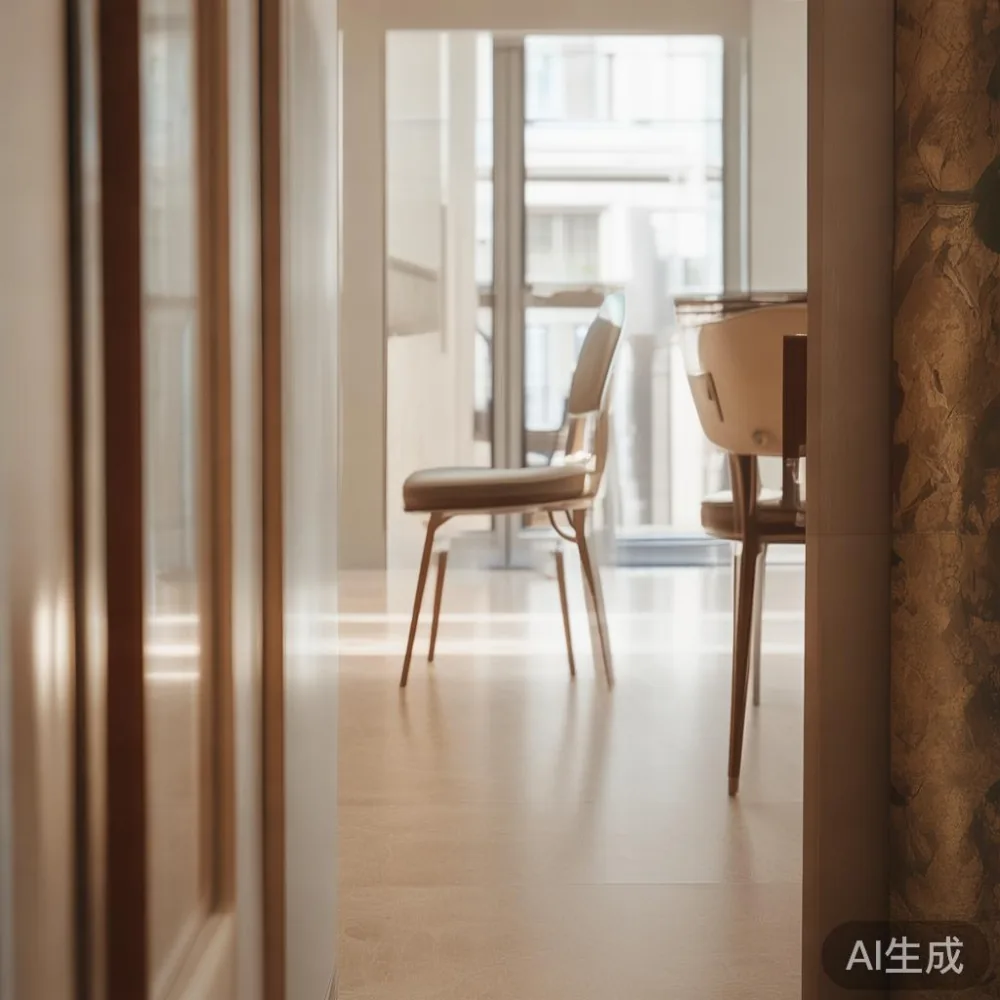
My rule is simple: measure the room, the lift and the route to the dining area before choosing furniture. A chair that looks modest in a showroom can become troublesome when a 91 cm door is opened at an angle or when a 12-person lift is already carrying another resident’s trolley. The aim is not to fill every gap. The aim is to create one usable eating zone with enough breathing room for a 4-person table, even when the apartment feels busy at 8.30 p.m.
What makes dining chairs feel crowded in a Singapore apartment?
Crowding usually begins with mismatched scale. Oversized dining chairs around a small table interrupt sightlines and make the walls appear closer. The same happens when several chairs have wide arms, thick upholstered seats or tall decorative backs. In a living-dining room measuring 3.2 m by 4.5 m, for example, a dining table with a 90 cm width and four chairs extending 55 cm behind each seated diner can occupy almost half the usable floor area.
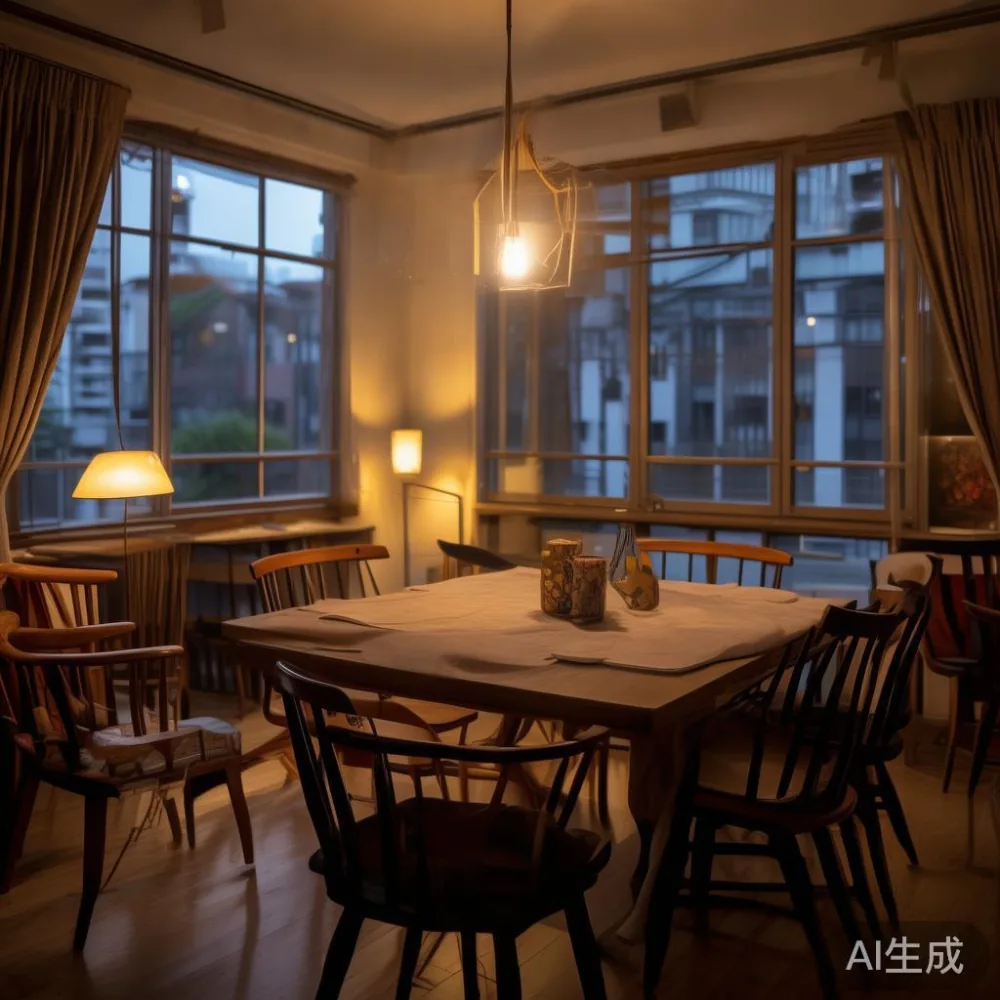
Traffic is another factor. Leave approximately 90 cm for a main passage and 75 cm for a secondary route when possible. These figures are guides rather than legal minimums, but they create a more comfortable daily rhythm around HDB dining areas. Avoid pushing chairs directly against a wall or beneath a low overhead cabinet. A dining chair pulled back for a 68 kg adult generally needs about 30 cm of extra clearance beyond its normal position.
Light colours help visually, but they do not erase poor spacing. Pale oak, warm ash, cream upholstery and muted greige can reflect daylight and read more open than dark walnut or a dense charcoal fabric. I still prefer warm timber tones in Singapore because they connect naturally with HDB flooring and tropical light without looking too stark.
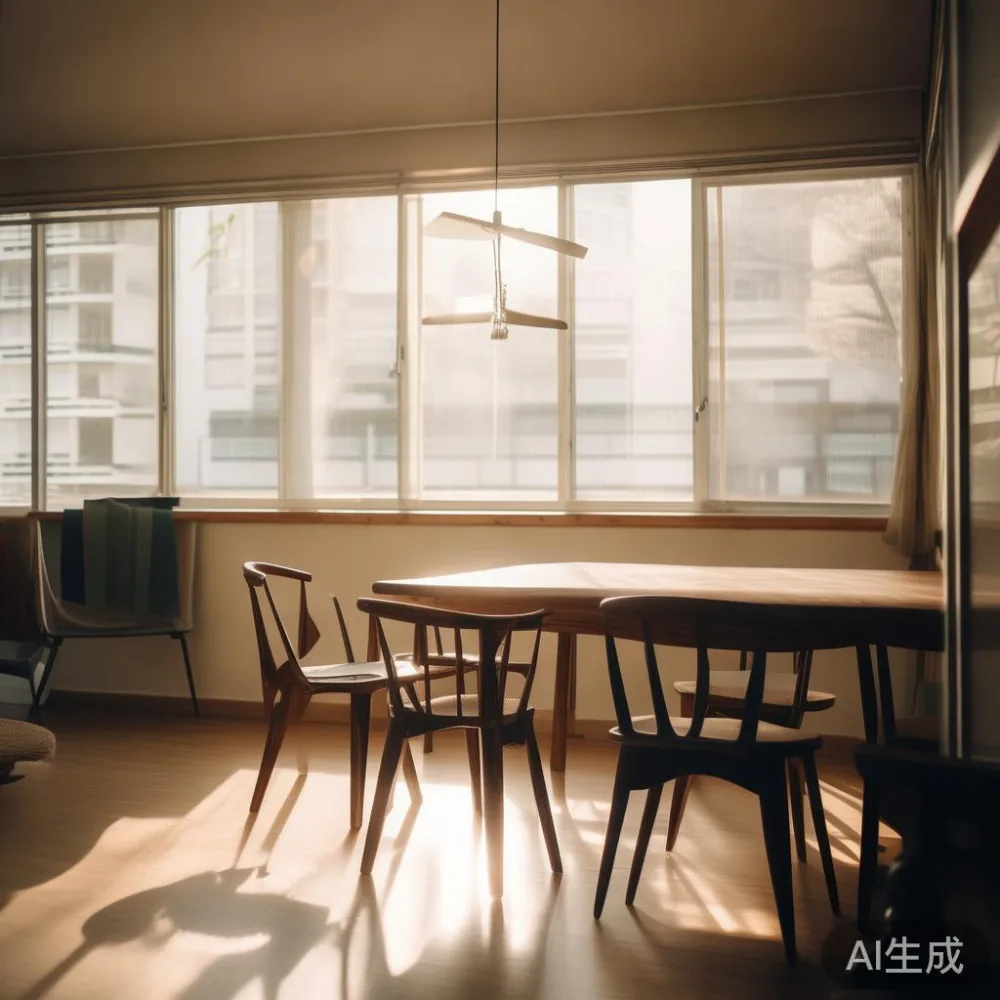
Can dining chairs fit through narrow HDB corridors and condo lifts?
Yes, if you measure the complete route rather than only the dining area. For a condo lift, record the internal width, depth, door opening and height. Many lift cars measure roughly 110 cm by 140 cm, but the usable doorway can be considerably narrower. In older HDB blocks, internal corridors may be around 90 cm to 120 cm wide, with right-angle turns that determine whether a long chair back can pass.
Last month I visited my colleague in Tampines with a sample dining chair measuring 84 cm high, 46 cm wide and 49 cm deep. The HDB lift allowed it to enter diagonally, but a right-angled corridor required the chair to be turned on its side. The triangular dining chair set worked; a heavier dining chair with a broad upholstered back did not. That 15-minute test prevented a delivery-day return.
Ask the supplier for the assembled and boxed dimensions, not just the product dimensions. A chair 46 cm wide may arrive in a box 118 cm long, 56 cm wide and 16 cm deep. Allow for 5 cm of handling space around larger boxed items. Tilt the chair through the lift with the legs facing upward and the back closest to the lift wall. Check whether the carton can bend around a corridor turn without damaging the joints.
For balcony access, keep the route clear of shoes and recycling bins. A 70 cm wide route can accommodate a person carrying a handbag, although 80 cm is more comfortable for two people passing. In Bedok, where many residents move between the flat and a corridor drying area, a temporary parking space matters. Arrange delivery for a weekday between 10 a.m. and 2 p.m., when shared lifts tend to be quieter than the 6 p.m. to 9 p.m. dinner period.
Which dining chair dimensions suit a 4-person table?
The seat width and table clearance matter more than decorative details. For everyday dining, choose a seat approximately 43 cm to 48 cm wide and 44 cm to 48 cm deep. A finished seat height of 43 cm to 47 cm works with most dining tables measuring 72 cm to 76 cm in height. The space between the table edge and the front of a chair should be roughly 15 cm to 25 cm when the chair is pushed in, allowing knees to remain forward of the apron.
For a rectangular table measuring 120 cm by 80 cm, place 2 dining chairs on each long side and leave 25 cm to 30 cm at each short end if circulation permits. A round table measuring 100 cm to 110 cm in diameter can accommodate 4 dining chairs with about 20 cm between each seat, although 120 cm provides more elbow room. The larger circle may suit an open dining corner better because the centre stays visually uncluttered.
At a 90 cm wide round table, 4 dining chairs can fit if the chairs have slender frames and no wide arms. The chair diameter around the table should remain under 110 cm for comfortable movement. Avoid armchairs for this setting unless the table is at least 110 cm wide. A dining chair with an arm height above 63 cm can catch a person’s hip when sliding into the seat, particularly in a 3.6 m wide dining zone.
Check the floor before ordering too. HDB parquet, polished concrete and condo tiles vary by a few millimetres, and unevenness can make a tall chair wobble. Mid-height glides or locking casters can help, but they add visual and mechanical complexity. Straight wooden legs on level floors are usually simpler to maintain. If the table sits on tile and the chair legs sit on a wooden mat, small silicone pads can reduce scratches.
How do you create light luxury without adding visual weight?
French light luxury usually pairs pale materials, curved profiles, slender metal accents and restrained ornament. Post-modern light luxury is more graphic, using clean geometry with one contrasting shape or finish. American light luxury tends toward generous upholstery and solid timber construction. In a small apartment, blend these ideas rather than applying every detail at once.
For dining chairs, a light oak or ash frame with a low curved back can bring French character without consuming visual space. A squared solid timber frame with softly rounded corners offers American-style comfort in a more disciplined silhouette. For post-modern light luxury, combine 4 identical dining chairs with one rounded table and keep the palette to 3 colours: warm timber, off-white walls and one muted textile.
Lighting changes the impression more than an expensive decorative feature. A pendant centred about 70 cm above a dining table creates a clear focal point. Use a warm 2700K to 3000K bulb and aim for approximately 300 to 500 lux across the tabletop. A 35 cm to 45 cm shade keeps the light source close to the meal. Avoid 4 separate ceiling spotlights, which create 4 bright patches and make the room feel busier after dark.
Accessories should follow the same restrained scale. Use a table runner no longer than 45 cm across the table width and a vase measuring 18 cm to 25 cm in height. Keep centrepieces low enough for diners to see one another across the table. A vase above 35 cm may feel refined in an empty room but visually intrusive during everyday meals.
How should you test a dining chair for a small apartment?
Test the chair as if you will use it for 45 minutes, not merely for 5 minutes. Sit without a cushion and check that both feet rest flat on the floor. The back should support the lower shoulder blades without pushing the body forward. Lift the chair by its frame and listen for looseness at the joints. A well-made dining chair should feel solid without weighing more than 6 kg to 8 kg, since you may move it between rooms several times each week.
Check that the table apron leaves enough knee space. A table apron 12 cm to 15 cm below the tabletop is usually practical. Also pull the chair back and sit down: this reveals whether the back meets the table edge, whether the feet catch on a rug and whether a nearby wall prevents a natural movement. A seat 45 cm wide may look elegant, but it can make it difficult to cross behind a seated person in a narrow dining strip.
When comparing pieces such as an Italian light luxury TV console or a wardrobe with surrounding furniture, I apply the same clearances to dining chairs. The larger item establishes the room’s scale, so the chairs should not compete with it. This measurement discipline also helps when working out how to style light luxury wardrobe in apartment: retain at least 75 cm in front of the wardrobe for the chair to move, rather than forcing the dining zone into the remaining 45 cm.
The same comparison applies to a bed frame in a studio, a nightstand beside the bed and a marble table near the dining area. One practical guide to how to style French bed in room uses the mattress edge as a reference for circulation, while the chair test determines whether the dining zone still works after the bed is made. If a European light luxury sofa versus Italian light luxury sofa decision changes the living-room footprint, compare the sofa depth before finalising chair spacing.
For larger living-dining layouts, a guide to how to style American sofa in apartment can show how seating depth affects the shared zone. A 95 cm deep sofa leaves more movement space than a 105 cm deep model, even if the floor area is identical. The dining chairs then retain a little more visual independence. These comparisons are useful because they keep the room’s proportions connected rather than styling each piece in isolation.
How do solid wood, marble and other finishes behave in Singapore?
Solid wood expands and contracts with humidity, so allow the timber to acclimatise indoors before assembly. Keep it away from air-conditioning vents and direct afternoon sun. In a Singapore climate, a relative humidity range of roughly 45% to 65% is generally comfortable for indoor wood furniture. Wipe dining chair seats with a damp cloth and dry them within 10 minutes. Avoid silicone-based sprays on natural timber because they can leave a patchy film.
A marble table can provide a cool focal point, but its visual weight is substantial. In a compact dining room, a pale marble surface with a narrow base may work better than heavily veined stone. If the marble table is a side console rather than the dining surface, keep it below 85 cm high and within 35 cm of the wall. The dining chairs should remain light enough in colour and form to balance that visual mass.
For a living area, a solid wood sofa can share the dining space more naturally than a bulky upholstered frame with thick rolled arms. Look for exposed timber legs measuring 14 cm to 18 cm high and a seat depth of 55 cm to 60 cm. The same space used for the sofa should not require 4 dining chairs to be moved every time someone wants to watch television.
MIDHILL’s dining chairs use solid timber construction, and its 10-year structural warranty gives buyers time to assess the fit in their own homes. The company’s lifetime refinishing service also makes sense for Singapore furniture that may be moved between HDB flats, rental units and family homes. Delivery commonly takes 7 to 14 days for ready-made stock, while custom finishes may require 4 to 6 weeks.
What should you do before ordering dining chairs?
Make a scaled floor plan. Mark the dining table, circulation routes, doors, windows and the position of every dining chair. Include the space needed to pull a chair back by 30 cm. Measure the wall-to-wall width at 3 points because older flats are rarely perfectly square. Record the narrowest point, the lift door and any corridor corner. Photographs can help the supplier check access, but measurements should be written in centimetres.
Confirm the product’s exact dimensions, material, finish and weight. A typical dining chair should weigh around 5 kg to 8 kg, with a seat width of 43 cm to 48 cm and a back height of 78 cm to 86 cm. If the chair includes a cushion, ask for the cushion dimensions and the gap between the cushion and the frame. A loose cushion can make a chair appear slimmer while adding 3 cm to 5 cm of height.
Budget for the complete purchase rather than the catalogue price alone. Four dining chairs costing SGD 280 each come to SGD 1,120, before 9% GST and delivery. A delivery charge of SGD 35 to SGD 80 is possible depending on access and location; confirm the final amount before checkout. Singapore’s 9% GST should appear as a separate line on the invoice. MIDHILL provides a 14-day return window, which is useful when a chair’s proportions do not suit the room as expected.
Consider ordering a material sample or requesting close-up photographs of the grain, joint and finish. For a mixed set, ask whether the supplier will match the timber tone under daylight. Small variations may be acceptable, but a stark difference between 4 chairs can look inconsistent. Ask for care instructions covering humidity, sunlight, spills and cleaning intervals.
A short list such as top 10 Japanese furniture can prompt comparisons of proportion and joinery, while a reference to Wuhan Lingzhan may help buyers understand the range of manufacturing sources available for solid wood products. The important decision remains more grounded: does the dining chair fit the 91 cm door, the lift, the table and the daily route through the apartment?
Finally, live with the arrangement for 2 evenings before adding more décor. Sit at each side, carry a plate from the kitchen, and check whether the pendant light or a nearby cabinet interferes with the chair back. In a small Singapore home, comfortable circulation is worth more than a perfectly photographed corner. Measure in centimetres, choose dining chairs with light profiles, preserve at least 75 cm of practical passage and let the room remain open around the table.