How to Match Dining Chairs to a Warm Minimal Interior
Warm minimal interiors are not cold rooms with a few pale objects. In Singapore, they can feel calm and practical while still accommodating the humid climate, compact HDB layouts, and the visual mix common in Tampines, Bedok, and Punggol condos. The right dining chairs establish rhythm, proportion, and touch. They should complement a dining table, suit the circulation route from a lift or apartment corridor, and remain comfortable through a long meal.
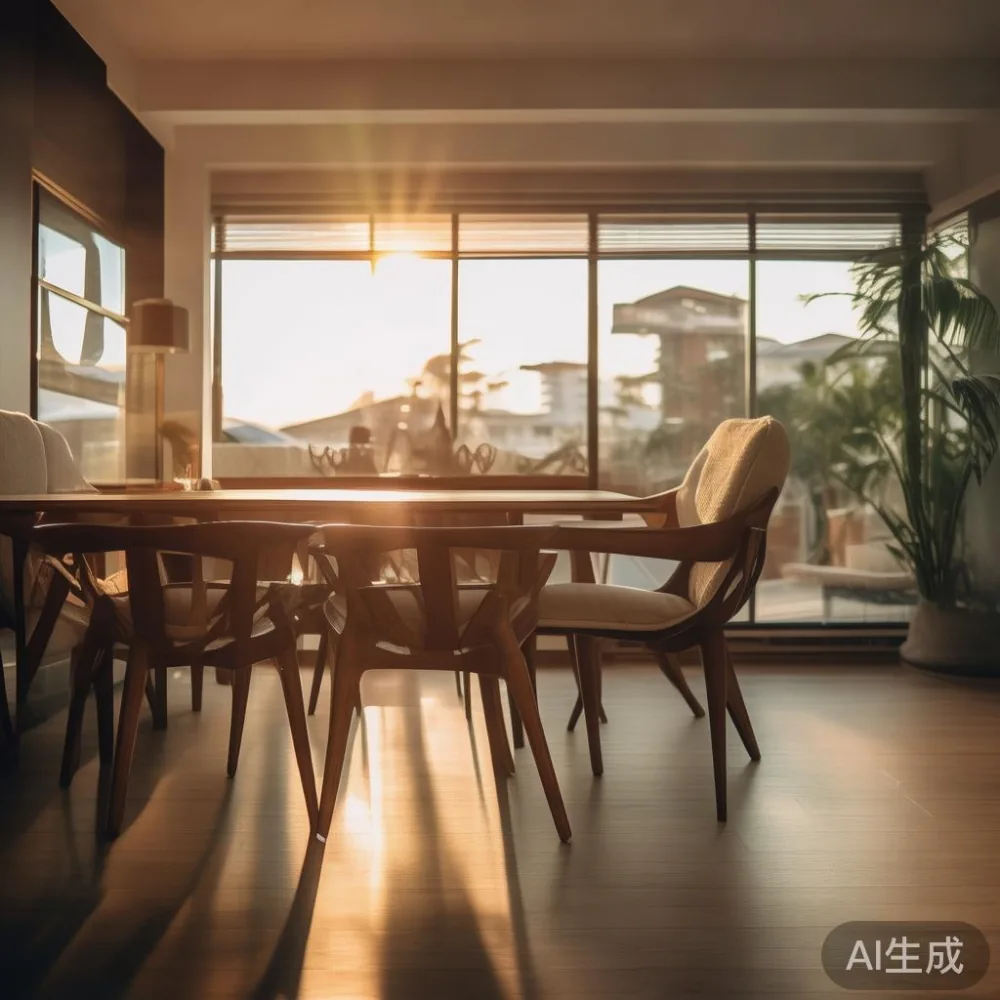
At MIDHILL, our approach starts with proportion rather than decoration. A dining chair is measured against the table, floor area, wall colour, and the distance available to pull it out. That discipline is especially useful in local homes where a beautiful chair can quickly become an obstacle if it is too wide, too tall, or difficult to move.
What makes a warm minimal interior work?
Warm minimalism combines a restrained number of forms with materials that invite touch. Pale oak, light ash, natural teak, woven paper cord, matte linen, and softly brushed metal can all work. The palette usually includes 3 main colours: one wall colour, one wood tone, and one neutral textile colour. Black, navy, or olive may appear as small accents rather than dominant surfaces.
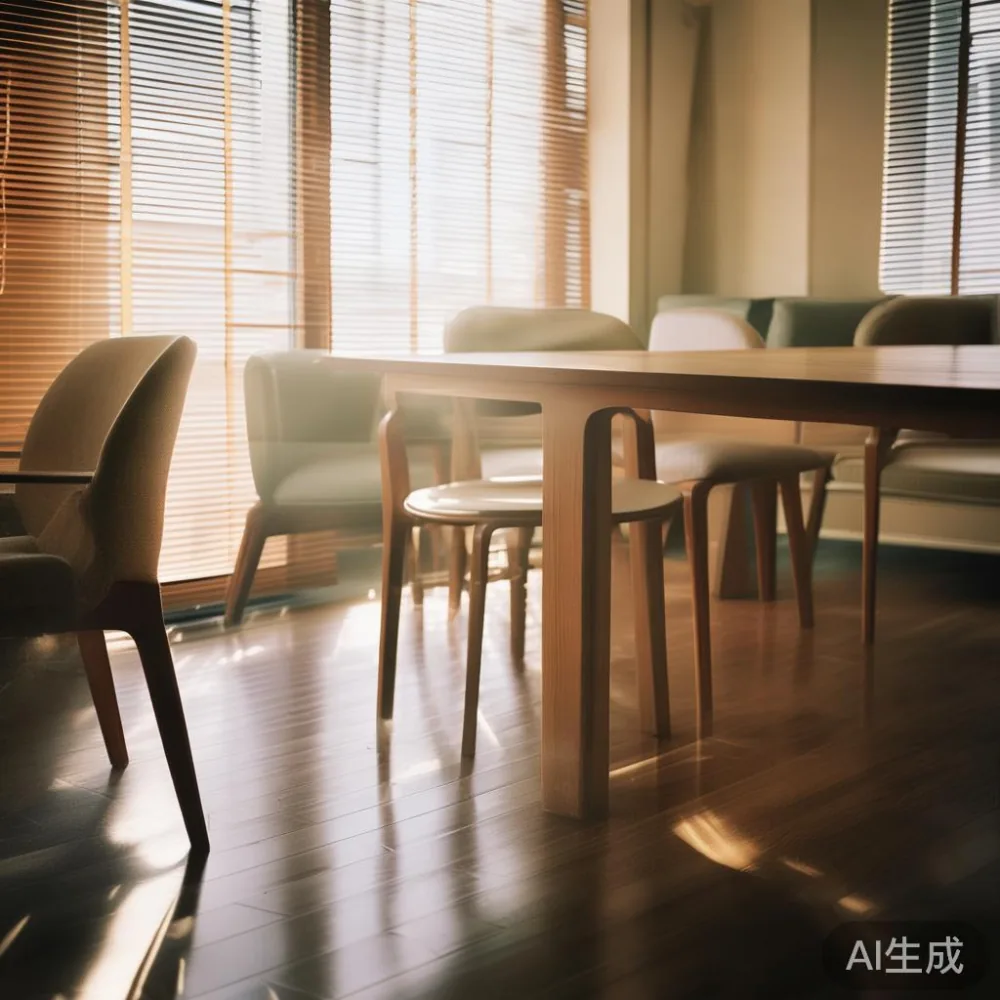
For a Singapore setting, colour temperature matters as much as hue. A room with cool white ceiling LEDs can make light oak look grey. Warm-white lighting around 2700K–3000K supports the intended tone. If the dining area receives strong afternoon sun, lighter finishes reduce visual heaviness, while a darker dining chair can provide useful contrast without making the space feel crowded.
Scale should be measured in centimetres, not impressions. A typical dining chair seat is 44–48 cm above the floor, with a total height of 78–88 cm. A dining table height of 74–76 cm leaves roughly 25–30 cm between the seat and the tabletop when properly matched. The seat width should be about 42–48 cm for one adult. At least 60 cm of table edge length is comfortable per diner, and 75 cm allows more elbow room.
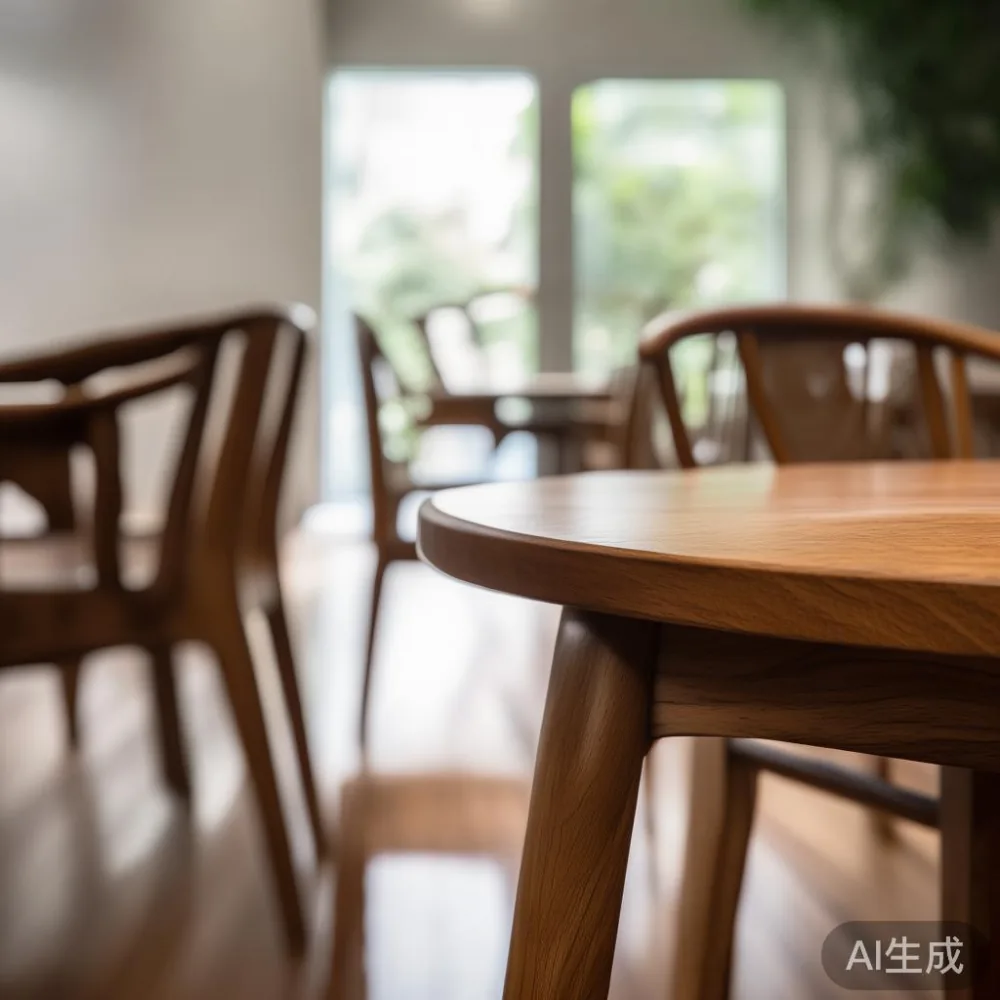
Minimalism also depends on visual weight. Slim tapered legs reveal floor area and create lightness, while broad upholstered seats feel more grounded. Warm minimal rooms generally tolerate one substantial material, such as a solid wood dining table, if the surrounding dining chairs remain simple. If the table already has a pronounced grain, plain chair backs and consistent wood tones will prevent the composition from becoming busy.
Which dining chair shape fits my dining table?
The safest starting point is a chair whose back echoes the table profile without copying every detail. An oval or rectangular dining table suits a softly rounded back. A narrow rectangular table works well with straight, vertical dining chairs. A round pedestal table has fewer corners, so a chair with a curved back or upholstered seat can become the focal point.
A slim dining chair with a solid wood frame is useful in compact HDB dining zones because it can slide beneath the table when not in use. Check the actual chair depth, including the back legs and any rear stretchers. A chair may measure 50 cm wide and 54 cm deep, yet still require 75–90 cm of clearance behind it when occupied. In a kitchen-dining layout beside a wall, choose a chair with a low or absent rear projection where possible.
Upholstered dining chairs introduce softness, but they need planning in humid conditions. Removable covers, breathable linen, and washable woven fabric are practical choices. Full leather can feel luxurious, yet it may feel warm during Singapore afternoons and can show marks sooner. Light-gauge padded seats are easier to manage than thick cushions because the chair can still slide beneath the table.
A dining chair should also match the table’s structural language. A solid wood sofa may be visually rich because of its broad arms and frame, whereas a pale dining table benefits from lighter supports. The same principle applies to nearby pieces: a marble table introduces cool veining, so warm timber dining chairs help balance it. A solid wood bed frame, wardrobe, or nightstand can establish the room’s natural tone, provided their finishes do not compete with the grain.
How do I choose a colour that feels warm rather than flat?
Begin with the dining table and floor. If the table is medium oak, choose dining chairs in a similar or slightly lighter tone for a blended effect. If the table is dark walnut, pale ash dining chairs create separation and keep the room open. Matching colour names alone can be misleading because stains, varnishes, and lighting change the final appearance. Request samples and view them under daylight and evening LEDs.
Warm minimal interiors often use two chair finishes rather than one perfectly uniform set. For example, pale ash dining chairs around a light oak table can be paired with 2 darker end chairs. The proportion matters: use 2 accent chairs at the ends, or 2–4 accent chairs within a longer run, rather than scattering contrasting styles across every seat.
Textiles provide another route to warmth. Oatmeal, mushroom, sand, camel, and muted clay can soften grey or off-white walls. Keep the fabric hue within 2–3 tonal steps of the wood so the result remains restrained. A rug under the dining table can also make the chairs feel more connected to the room. Choose a low-pile rug if chairs need to roll or slide frequently; a high pile can catch chair legs.
Local homes often contain visible doors, service panels, and corridor entrances. Avoid placing the dining chair colour story only on one wall. Carry the main wood tone through at least 2 pieces, such as a dining table and dining chairs, then repeat a smaller note in a nightstand or sideboard. This creates continuity without requiring every object to match exactly.
Will French provincial dining chairs suit a modern home?
French provincial for dining room is often associated with carved edges, curved silhouettes, upholstered seats, and a more decorative mood. That can work in a warm minimal interior when the design is simplified: remove heavy carving, reduce the visual ornament, and use one plain upholstery fabric. The result should read as a soft traditional reference rather than a period set.
For an HDB flat, a full French provincial dining chair may be visually large. Compare its widest point with the room’s clear passage. A 55–58 cm wide chair can be acceptable in an open dining area, but a 48–52 cm chair is easier to place beside a wall. Keep at least 75 cm of clear circulation behind occupied chairs and 90 cm where the route connects to a kitchen or lift lobby.
French provincial coffee table details can inform the room without becoming the centre of it. A rounded table, pale timber, and a small ceramic object can repeat the curves of upholstered dining chairs. However, do not fill the dining area with matching provincial furniture at once. Warm minimalism depends on editing. Choose one recognisable reference, then keep the remaining shapes plain.
American light luxury can be expressed through proportion and finish rather than heavy decoration. This might mean a solid wood dining table with tapered dining chairs, a linen seat, and restrained hardware. Post-modern light luxury is also compatible: mix one curved chair with a linear table, or pair rectangular dining chairs with an oval dining table. The contrast should be controlled, with 2 dominant forms and 1 accent.
What should I check before ordering dining chairs for a condo?
Measure the route before measuring the room. HDB lift doors and internal lift dimensions vary by block, and condo corridors can narrow at turns. Record the narrowest door width, lift doorway width, corridor width, and the tightest turn. A dining chair carried through a 76 cm doorway may need to be turned sideways; a chair with fixed legs can be awkward if the armrests prevent a clean grip.
For compact layouts, lightweight dining chairs are usually easier to manage. A solid timber chair weighing roughly 4–7 kg is comfortable for many adults, while a large upholstered chair may weigh 8–12 kg. If the chairs must be moved daily, ask the supplier for product weight and packing dimensions. Keep the total packed length below the lift’s diagonal clearance where possible.
Check floor protection too. Felt pads under each leg reduce scratches and noise on laminate or varnished flooring. For stone, tile, or marble surfaces, use pads that do not leave adhesive residue. Chairs should not be dragged over grout lines; lifting them protects both the legs and the floor.
Singapore’s GST is usually added at checkout, so include it when comparing quotations. A dining chair set priced at SGD 420 before GST may appear as SGD 430.50 when GST applies at 9%, subject to the seller’s terms and the final invoice. Ask for the total delivered price, including any lift or delivery surcharge outside the building.
Delivery timing is part of the design decision. A made-to-order dining chair set may take 35–60 days, while stocked pieces may arrive in 7–14 days. Building access restrictions can require a delivery window of 1–2 hours. Confirm whether the courier handles unpacking, assembly, and placement beside the dining table. These small details are particularly important in Punggol or Tampines homes where parking and service corridors are limited.
MIDHILL gives a 10-year structural warranty and supports lifetime refinishing for eligible solid wood furniture. That can be useful when the dining chairs need colour maintenance after several years of use. Ask for the exact warranty scope, finish-care instructions, and whether refinishing applies to chair seats, legs, or both.
How do I style dining chairs without making the room look crowded?
Use the dining table as the centre of a simple arrangement. Leave 20–30 cm between the table edge and the nearest wall when circulation allows, but keep 75–90 cm behind seated diners. If the room is narrower, reduce chair depth and consider a narrower table rather than forcing oversized dining chairs into the gap.
For a compact dining setting, a 90 cm oval or round dining table can seat 2–4 people more comfortably than a rectangular table of the same width. A 120–140 cm rectangular table may seat 4–6, but it requires a clear zone of approximately 200–240 cm in the longest direction. Do not rely on an image to estimate this; use a tape measure in the actual home.
Add one material contrast per zone. Timber dining chairs can be paired with a stone or marble table, but limit the contrast to cool surface, pale timber, or one textile colour. A solid wood sofa in an adjacent living room can connect through the same warm oak finish, while a solid wood bed frame or wardrobe can repeat the tone privately without making the dining area visually heavy.
Lighting should flatter the chairs without creating glare on the tabletop. Place a pendant roughly 75–90 cm above the dining table, measured from the tabletop to the lower edge of the shade. This level is a starting point, not a rule; taller ceilings or dimmer bulbs may need a different drop. Choose a shade that spreads light downward and keep bulbs warm-white, ideally 2700K–3000K.
If a chair has an upholstered back, avoid placing it directly in front of a strong light source, as glare can make the texture harder to see. If the chairs are solid wood, a soft side lamp can reveal the grain and give the room a more relaxed evening mood. Keep cords clear of chair pull-out paths.
Can I mix solid wood and upholstered dining chairs?
Yes, provided the shared structure is clear. A common combination is 4 pale solid wood dining chairs and 2 upholstered end chairs. Keep the seat height within a 2 cm range, the height within 3–5 cm, and the wood finish close to the dining table. If the upholstered chairs have curved backs, choose end positions so the silhouette reads intentionally.
Do not mix chairs merely because their prices differ or their names sound similar. Compare leg thickness, back shape, seat depth, and finish. A 45 cm wide chair with open arms can feel smaller than a 48 cm wide upholstered chair with a broad back. Sit in each chair for 10–15 minutes and check whether the back supports the lower back without pushing the table edge too far into the knees.
For a rental HDB flat, lighter chairs are often more adaptable. For a larger condo dining room, a mix of textures can add depth while maintaining warm minimalism. Use 1 upholstered chair for every 3–4 solid wood chairs to avoid a checkerboard effect. If the table is already upholstered in another room, keep the dining chairs simpler.
The dining table should remain visually dominant through width or finish, not through excessive decoration. A plain dining table allows the chairs to contribute character. If the table is a marble table with strong veining, select quieter dining chairs; if the table is a plain light oak piece, slightly more shaped chairs can be used.
Which details separate practical dining chairs from poor ones?
Inspect the joinery where the legs meet the seat rails. Look for tight gaps, even spacing, and a finish that continues across exposed edges. A solid wood chair should not wobble when placed on a level floor. Test the backrest by applying gentle pressure and check whether the rear legs flex independently. Those 3 checks reveal a surprising amount about everyday durability.
For a warm minimal home, the finish should be easy to refresh. Matte or low-sheen surfaces show fingerprints less than high-gloss lacquer, though they may show crumbs more readily. Clean with a soft, damp cloth and dry immediately. Avoid soaking the joints, especially where upholstered fabric meets the wood frame.
Check the floor glide. Soft felt or plastic glides should be replaceable and compatible with your flooring. Chair legs should not develop sharp edges after sanding. If you live near the coast or in a humid unit, ask whether the wood has been properly stabilised and sealed, and whether seat fabric can be removed for cleaning.
Measure the dining chair pull-out space in real use. A seated person needs approximately 60 cm from the table edge to the back of the chair, plus additional space to stand. Place a measuring tape along the chair route and test from both ends of the table. If a dishwasher or kitchen counter is nearby, check the chair’s rear legs before opening it.
A product listing should state dimensions in centimetres, materials, weight, finish, seat height, and lead time. If the seller gives only “wood dining chair” without measurements, the comparison is incomplete. For any made-to-order piece, obtain a finish sample and written care instructions before approving production.
How do I make a warm minimal dining area feel personal?
Personalisation works best through 1 or 2 small changes rather than many accessories. Use a ceramic vase, 1 bowl, or a folded linen runner in a colour drawn from the dining chairs. Keep the tabletop mostly clear so the chairs remain visible. A narrow centrepiece should not rise more than 25–30 cm above the table if conversation is important.
For a Japandi approach, combine pale timber dining chairs with simple forms and a quiet background. The best Japandi bed for 2026 is a separate bedroom consideration, but its restrained palette can inform the dining room. Likewise, compare a light luxury bed vs Mid-century modern bed when planning an adjacent suite; the same rule applies to dining furniture: decide whether the room needs soft upholstery, clean geometry, or a controlled mix.
If storage is part of the scheme, a wardrobe should use the same restrained palette without drawing attention away from the table. A nightstand can echo the chair wood, while a solid wood bed frame or solid wood sofa can carry the broader home style. The dining area will feel more coherent when colour relationships are repeated at a distance of 2–3 metres.
For anyone comparing options, search for a Mid-century modern accent chair as a reference point, then compare its seat height and depth with the dining chairs rather than placing it directly at the table. Similarly, the best Italian light luxury wardrobe for 2026 may belong in a bedroom search, not the dining zone. Keep the reference vocabulary, but use dimensions and circulation as the deciding factors.
What is the right budget and delivery approach?
A practical solid wood dining chair may cost SGD 180–350 per chair before GST, while upholstered or specially finished models may range from SGD 320–650 each. A 4-chair set therefore can fall anywhere from SGD 720 to SGD 2,600 before GST, depending on timber, joinery, finish, and upholstery. The price should be evaluated with the warranty and maintenance support included.
Compare the delivered total rather than the item price alone. For example, a SGD 380 chair set plus 9% GST becomes SGD 414.20 before delivery. A lift surcharge may apply if the building does not have a dedicated loading point. Confirm packing, floor protection, assembly, and damage replacement terms.
MIDHILL offers free shipping over US$350, but Singapore quotations and delivery arrangements should be confirmed directly at www.midhill.co. Ask for the estimated dispatch period, expected transit days, and the window required for access. A stocked dining chair may arrive within 7–14 days; a customised finish may take 35–60 days. Return eligibility should be checked before ordering, particularly for made-to-order products.
A 14-day return policy can provide room to assess comfort and proportions, but the furniture must be checked against the stated return conditions. Measure again after delivery, photograph the packaging, and retain hardware until assembly is complete. If the chair is too wide for the route or the seat feels unsuitable, address the issue promptly rather than altering the chair on site.
For a 10-year structural warranty, retain the invoice and product details. Ask whether finish wear, moisture exposure, accidental impact, and commercial use are covered. Lifetime refinishing is valuable for solid wood dining chairs because scratches and colour changes are more manageable when the underlying timber can be cared for over time.
How do I know when the dining chairs match?
A successful match should be visible from the doorway and comfortable at the table. From 2 metres, the chairs should relate clearly to the dining table without becoming a dark cluster. From 60 cm away, the joints, seat edge, and texture should still feel intentional. In use, the chair should allow the diner’s shoulders to relax, feet to remain supported, and knees to clear the tabletop edge.
Warm minimalism is achieved when the room has enough breathing space for the chairs to move. Leave at least 75 cm behind occupied dining chairs, maintain a 90 cm route to adjacent living areas where possible, and keep the floor clear of bags or stools. If the space is tight, a narrower chair and a smaller table are more reliable than simply reducing the clearances.
Finish with lighting, textiles, and a final measurement check. Warm-white light around 2700K–3000K, oatmeal or linen upholstery, and 1 repeated wood tone can make dining chairs feel connected to a warm minimal interior. The design does not need to be perfectly symmetrical; it needs a clear scale, a controlled palette, and enough flexibility for daily life in a Singapore home.