Choosing Singapore HDB Living Room Dining Chairs
Choosing dining chairs for a Singapore HDB living room is less about finding a seat and more about fitting movement, storage and daily life into a measured space. A 45 cm corridor beside a dining table may look generous in a showroom but can feel pinched in a Tampines flat, especially when the same route carries groceries, laundry or school bags. The right chair should slide in easily, leave the lift without awkward turns and still look refined beside a solid wood sofa or dining table.
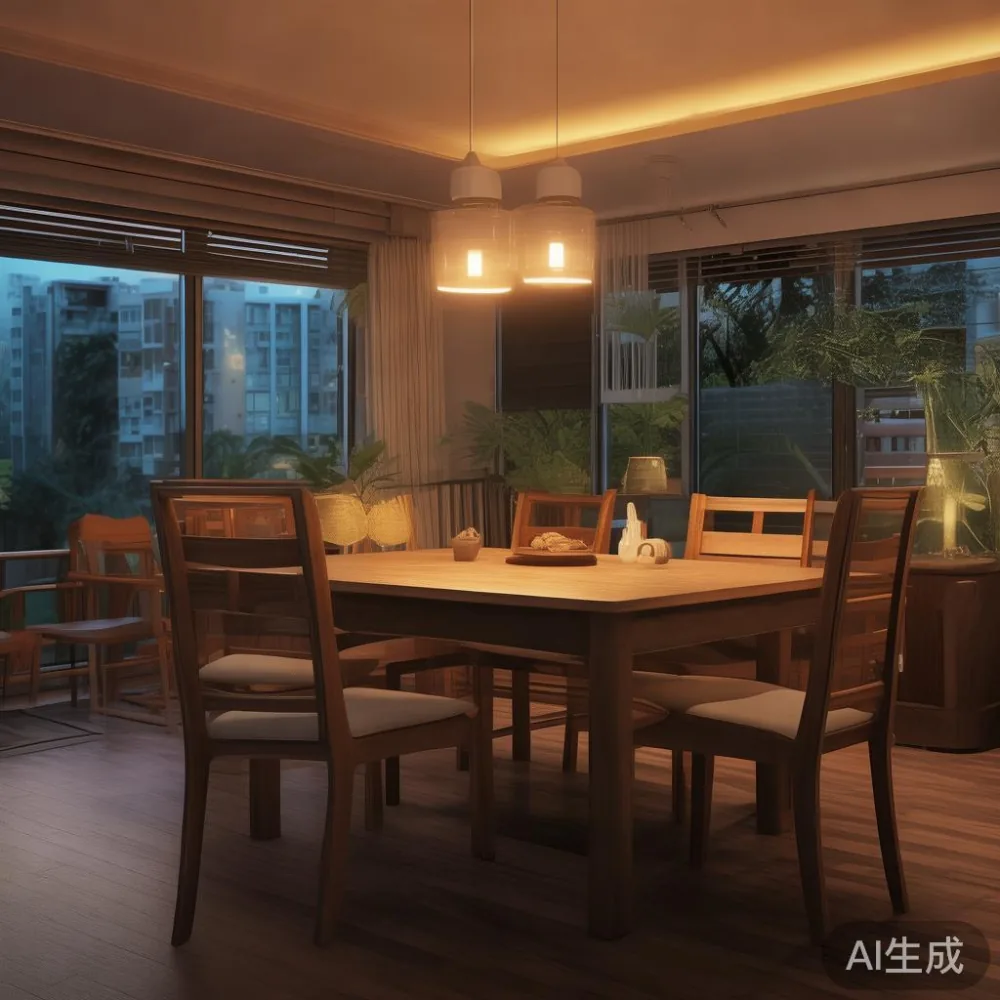
As a furniture specialist who works with MIDHILL, I have seen many households measure only the table and miss the space needed around it. The useful numbers begin with the room, the table, the chair pull-back zone and the route from the HDB main door to the dining area. This guide explains how to work through each decision, with particular attention to the dimensions and layouts common in HDB flats and condos in Tampines, Bedok and Punggol.
What chair size suits a small Singapore living room?
Seat width is the starting point, but total width matters more once the dining chairs face a wall or stand beside a cabinet. A compact dining chair usually has an width of 40-44 cm, a seat height of 43-46 cm and a depth of 42-48 cm. A slightly wider model at 46-50 cm is comfortable for adults, yet it can consume 6-10 cm more across a four-chair table.
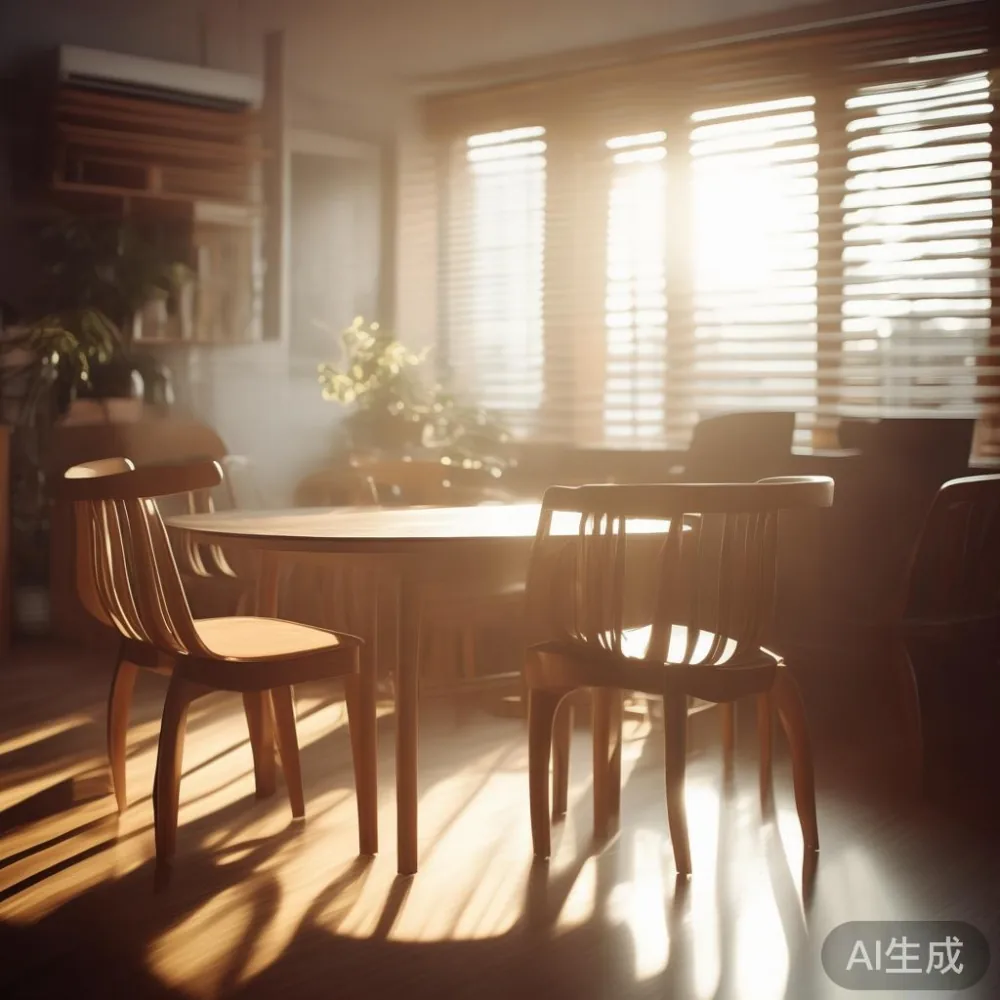
For a typical 90 × 90 cm square dining table, allow about 60 cm of clear space behind each occupied chair. This is a movement zone rather than an empty decorative margin. A 120 × 70 cm table needs the same 60 cm at the ends and 60 cm along the sides if all four chairs are used regularly. In a compact HDB dining area, a 100-120 cm round table can create a more practical arrangement because people sit around the curve and chairs do not need to be pulled far away from the wall.
Check the table-to-chair relationship before choosing. The underside of the dining table should clear the seated person by at least 25-30 cm, while the front edge of the seat should fall about 2-5 cm below the tabletop for a relaxed dining posture. Armrests raise the challenge: they may add 5-8 cm, so an armless dining chair often fits a constrained bay more easily.
Measure the narrowest fixed obstruction rather than estimating from the longest wall. Include a sideboard, television console or open shelving unit. If the available wall length is 160 cm, a 140 cm table plus 2 × 60 cm movement zones would exceed it by 100 cm. Moving the table 20 cm closer to a wall can help, but dining chairs still need enough pull-back room for a person to stand.
Use masking tape on the floor to mark the chair’s seated and standing positions. Push the chair in, sit in the marked space, then stand. If the route to a balcony door or kitchen becomes blocked, shorten the chair depth or revise the table orientation. This simple test is more reliable than relying on a product photograph.
How much space should I leave around a dining table?
A practical HDB living room needs three different clearances: 60 cm for active chair movement, 75-90 cm for a main circulation route and 90-120 cm for a busy two-way passage. These figures apply to hard furniture and the route used by an adult carrying items. They should not be reduced simply because the visual gap looks larger than its actual measurement.
For example, place a 120 × 70 cm dining table with its long side parallel to a 260 cm wall. The table takes 70 cm of depth. Add 60 cm on the far side for dining chairs, 60 cm on the near side for chairs and 60 cm for circulation, producing a required depth of about 250 cm. In a living room with a 230 cm dining zone, a 110 × 65 cm table or a 100 cm round table would be easier to use.
Orientation can make a major difference. A rectangular table placed lengthwise into a room can resemble a corridor. Turning it across the room may improve sightlines, but check whether the lift can accept the packaged width and whether the HDB main door has enough clearance for the assembled table. A standard HDB door leaf is commonly around 85-90 cm, though older and newer blocks vary, so measure the actual door including the frame.
Singapore lifts also deserve a delivery check. Give the delivery team the building block, floor, lift car internal dimensions and door width. A carton longer than the lift’s diagonal measurement may not enter upright. MIDHILL can coordinate delivery details with the buyer, and the 10-year structural warranty applies to eligible solid wood dining furniture. The lifetime refinishing service adds another layer of long-term care for wood surfaces, subject to the service terms.
For homes with narrow corridors, choose dining chairs that slide fully under the table when not in use. A slim back frame can reduce snagging, but an open back is usually easier to move than a fully upholstered one. Keep at least 3-5 cm between the chair back and a nearby wall when the chair is pushed in, or a seated diner may scrape the finish.
Which dining-chair shape works best beside a solid wood sofa?
The surrounding furniture affects the visual balance of the dining set. A solid wood sofa with a high back and substantial arms already carries considerable weight, so slim dining chairs can look more coordinated than oversized upholstered chairs. French light luxury often favours pale timber, curved profiles and restrained upholstery, while American light luxury tends toward deeper tones, clean silhouettes and comfortable padded seats. Post-modern light luxury allows a more graphic mix of shapes, provided each chair remains light enough for the room.
A common Singapore combination is a compact solid wood sofa along one wall, a low console on the opposite side and a small dining table near the dining area. In that setting, dining chairs with visible timber frames create continuity with the sofa and dining table. If the sofa is upholstered in warm beige or taupe, a natural oak or light walnut frame can bridge the two zones without making the living room feel crowded.
Do not judge the chair only while seated at the table. View it from the sofa because that is where visual bulk becomes obvious. A chair that looks elegant beside a dining table may block the television or narrow a 90 cm path when turned sideways. Slim arms, backs no more than about 50 cm wide and tapered legs are useful features in a small room.
One style comparison often requested by customers is Japanese sofa vs French provincial sofa. The Japanese approach generally favours lower visual profiles and simpler lines, while the French provincial style introduces carved edges and more decorative character. When either sofa is paired with dining chairs, choose a quieter chair profile. A MIDHILL French provincial sofa can work in a larger open-plan condo, but compact HDB living rooms usually benefit from a dining chair with a lighter frame and minimal ornament.
For shoppers comparing complete living-room packages, under 2000 Coastal furniture is a practical search phrase when the budget is expressed in dollars, but confirm whether GST and delivery are included. In Singapore, GST is normally displayed as a 9% charge on the selling price. An item marked SGD 1,800 would become SGD 1,962 after GST if tax is not already included. Delivery over US$350 is offered free by MIDHILL, but a Singapore order still needs its local freight and access requirements confirmed before purchase.
Can dining chairs make a living room look larger?
Yes, if their proportions, colours and spacing cooperate with the room. Choose dining chairs with legs that can be seen beneath the seat and avoid bulky skirts. Transparent or open-back designs preserve visual continuity, while a single upholstered seat can add comfort without introducing a large frame around the entire chair.
Match the seat height to the table rather than to the sofa. Standard dining tables are usually 73-76 cm high, with dining chairs set around 45-48 cm. A seat at 50 cm may feel generous but can encourage slouching and make the chair look too tall beside a low sofa. A 44-46 cm seat often suits a 73-75 cm table in a family home.
For storage, consider a dining table with drawers or a slim sideboard, but do not force a dining chair into a cavity that is 10 cm too shallow. Leave 3-5 cm of clearance around moving parts and avoid placing a chair directly in front of an open drawer. A 40 cm deep sideboard can hold plates and serving items, yet its wall projection must be included in the 60 cm movement zone behind the nearest dining chair.
In a Punggol condo with an open kitchen and a separate living area, the dining table may act as a boundary. A round table of 90-100 cm diameter allows traffic to pass around most of its perimeter and works well with two or four dining chairs. In a compact Tampines HDB flat where the dining area shares one wall with the sofa, a table measuring 80-90 cm across may be more realistic. A pedestal base can help because there are no corner legs to catch a chair or a passer-by’s foot.
Natural light is also part of size perception. Light oak, pale ash and cream upholstery reflect daylight and can make a small room feel more open. Dark walnut dining chairs add definition but appear visually heavier when four are packed close together. If the room receives limited light, select a mid-tone finish rather than the darkest brown.
How do I measure a dining chair before ordering?
Record four dimensions from the actual product: width, depth, seat height and the projection created by the backrest when tilted. Add the recline depth to your floor plan rather than relying on the upright depth. The weight also matters because a heavy solid wood dining chair may be difficult for older adults or children to move, even if it is moved only a few centimetres each day.
A realistic dining chair weighs roughly 4-7 kg. Some solid wood or reinforced models reach 8-10 kg. If a resident must repeatedly move the chair around a table, target about 4-6 kg and confirm that it can be lifted with two hands. A wide seat may measure 48-52 cm but weigh less than a narrow solid timber frame, so compare construction rather than assuming weight follows size.
Check the floor and table clearance with actual numbers. A 75 cm high table and a 46 cm high seat provide 29 cm of nominal space between seat and table, which is workable. A table with a thick 35-40 mm top and a low chair may create an awkward knee angle. A slim dining chair with a gently curved back can support a more comfortable position without requiring extra table height.
Ask for a material report, the finish details and a sample if possible. Solid wood dining chairs may use oak, ash, rubberwood or other species, with veneers used selectively in stable panels. “Solid wood” does not mean every visible component is solid timber unless the seller states that clearly. For a dining table, check extension leaves, joinery and under-table clearance. For a wardrobe elsewhere in the home, customers asking where to buy wardrobe from MIDHILL should confirm internal dimensions, hanging rail height and mirror-door clearances before ordering.
I tested a 46 cm wide dining chair in a Bedok HDB dining bay last month. The first fitting looked correct, yet pulling the chair away from the table reduced the route to the kitchen to 52 cm. After changing to a 41 cm wide model with a 43 cm seat height, the same route measured 68 cm and the chair tucked beneath the table more cleanly. The lesson was simple: the product dimensions were valid, but the installation environment determined whether the size worked.
How should I plan delivery into a Singapore home?
Delivery planning can determine whether a correctly sized dining chair ever reaches its intended position. Measure the HDB main door, the corridor turns and the lift doors. Standard HDB corridors are often about 1.2-1.5 m wide, while lift cars and lobby doors can be smaller. An L-shaped corridor may require turning the chair on its side, which is easier with an open frame than with a wide upholstered chair.
Measure the chair’s longest packaged dimension and compare it with the lift’s usable internal diagonal. For example, a carton measuring 110 × 55 × 24 cm may fit through a lift door but become difficult to angle inside the car. If the lift is unavailable, the delivery team needs a safe staging plan that does not obstruct emergency access. Confirm the delivery date, assembly needs and any stair-carry surcharge before the order is dispatched.
Local delivery time in Singapore can commonly be arranged within 3-7 working days after the item is ready, depending on stock, production and the chosen slot. Buyers should receive a tracking or appointment update rather than rely on an open-ended estimate. For island-wide Singapore delivery, request the exact freight charge before purchase so that the final SGD amount includes GST, transport and any access fees.
Return timing should also be considered. MIDHILL offers a 14-day return window, but a made-to-order chair may have different handling conditions. Check whether the chair has been used, whether finish protection has been removed and who bears the return freight. A good sizing process reduces the need to return something, yet a clear policy still provides protection if the room measurements change.
Protect the floor during assembly. Use a cardboard sheet of at least 100 × 100 cm and felt pads beneath each leg. Check the floor for levelness across a 2 m span, because a dining table can rock even when the room appears flat. A dining chair should not wobble more than about 3 mm when tested lightly by hand. Tighten fixings evenly and inspect the finish for transport marks within the return period.
What should I check before choosing dining chairs for an HDB home?
Begin with the space, not the photograph. Write down the dining zone width and depth, the table dimensions, the number of diners and the main walking route. Use 60 cm for chair movement and at least 75 cm for a comfortable route. If both cannot fit, choose a smaller table, remove a movable item or relocate the dining area before selecting dining chairs.
Then compare the chair with the room’s other furniture. A solid wood sofa, bed frame, dining table, wardrobe, nightstand and marble table can all have strong visual roles, but they should not all compete for attention in one small area. In a light-luxury interior, keep the dining chair detailed enough to feel considered and simple enough to preserve space. A natural wood frame with a cream upholstered seat can coordinate with a solid wood sofa, while a marble table may need softer dining chairs to balance its hard pattern.
Confirm the practical specifications: seat height around 43-48 cm, width within the measured allowance, stable leg joints, a finish suited to Singapore’s humidity and a weight that household members can manage. Review the 10-year structural warranty, lifetime refinishing terms, 14-day returns and local delivery charges. For broader style research, the best French wardrobe for 2026 depends on actual compartment sizes rather than a trend label, while Japanese for small living room layouts points towards compact furniture and uncluttered routes.
The right dining chairs for a Singapore HDB living room are not simply the smallest chairs available. They are the chairs whose dimensions, movement needs and visual weight match the room. Measure twice, test the chair in place and plan the route from the lift to the table. A carefully fitted dining chair makes a modest flat feel calmer, easier to work through and more welcoming every day.