Humidity and Solid Wood Dining Chairs in Singapore Homes
Singapore’s equatorial climate can change the way solid wood behaves in an HDB flat or condo. Relative humidity commonly ranges from about 65% to 85%, while afternoon showers and coastal winds can make the variation inside a home less predictable. For dining furniture, that movement matters because timber expands across its grain, contracts along it, and can develop swelling, gaps, or surface checks if its moisture content is poorly matched to the room.
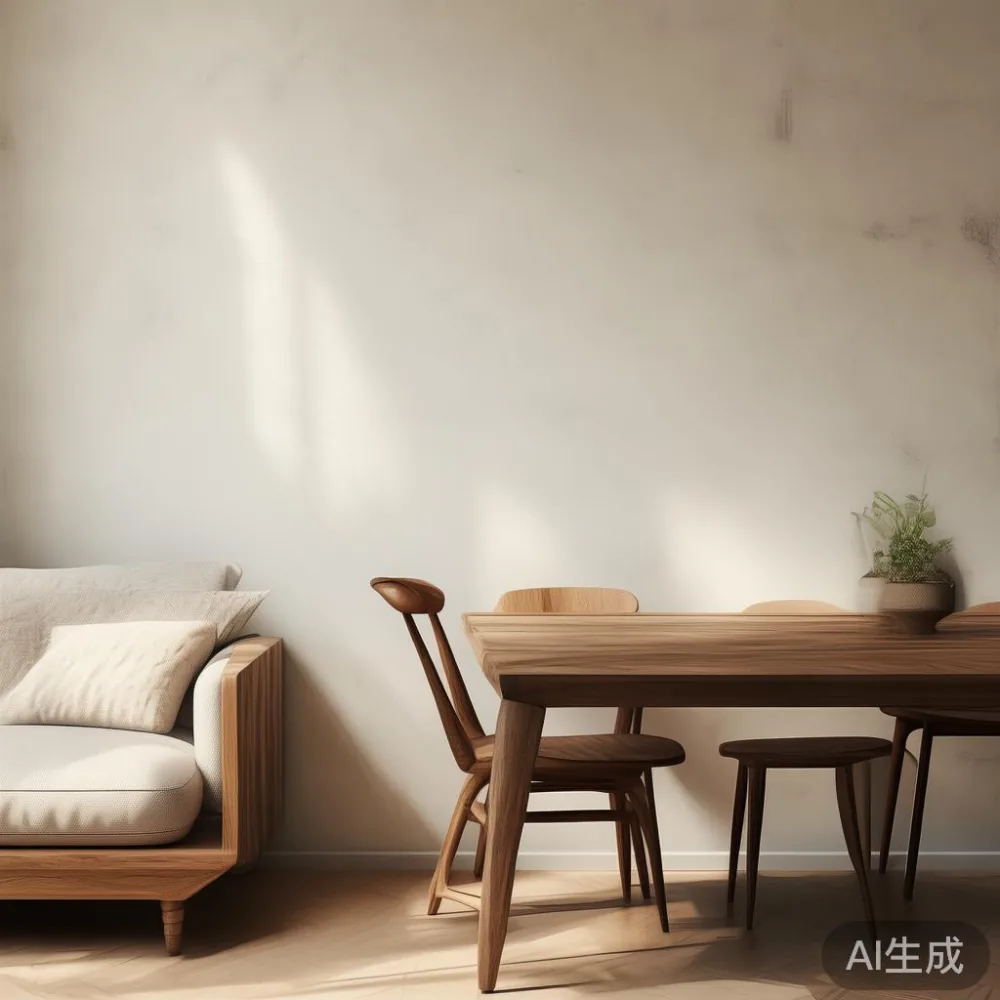
At MIDHILL, our approach begins with practical measurements rather than vague assurances: timber moisture, room conditions, clearances, and the way a dining chair is used every day. The goal is a chair that feels comfortable in a Tampines dining area, remains stable in a Bedok kitchen, and suits the often compact dimensions of a Punggol apartment without turning humidity into a recurring household problem.
What humidity does to solid wood dining chairs?
Wood is hygroscopic, meaning it absorbs or releases moisture as the surrounding air changes. A dining chair may look perfectly dry while sitting beside an air-conditioned dining area, yet its outer surfaces can still respond to a more humid corridor. Over 12 months, repeated cycles can loosen joints, affect seat comfort, and make finishes appear uneven.
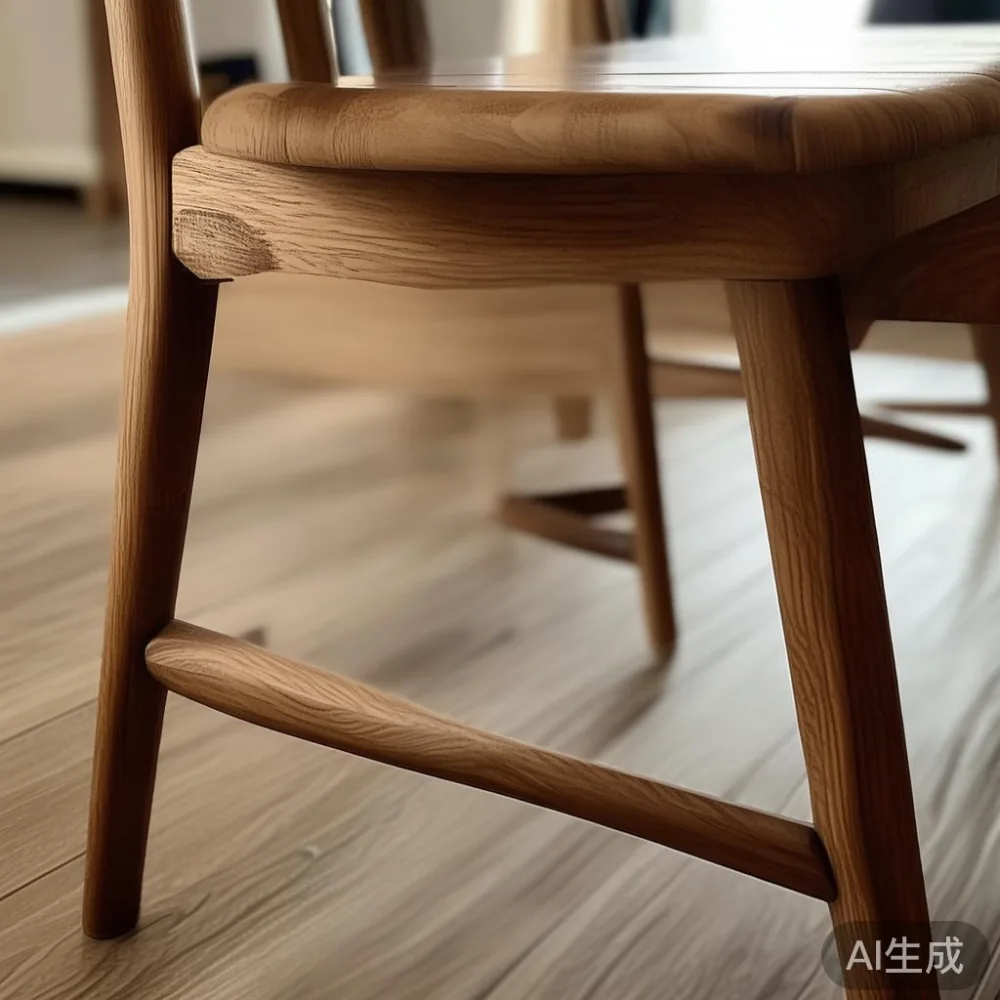
Most indoor furniture is best used around 40% to 60% relative humidity. Southeast Asian conditions often exceed that range, so owners should not panic at the first damp mark. Instead, watch the chair over several days, compare opposite sides, and keep it away from persistent condensation. A useful rule is to maintain a gap of at least 5 cm from an exterior wall, 30 cm from air-conditioning outlets, and 60 cm from a bathroom doorway where practical.
The timber species also matters. Teak, oak, ash, and other stable hardwoods generally tolerate seasonal movement more predictably than softwood panels. A solid seat carved from one board will move differently from a chair assembled from many narrow strips. At MIDHILL, we account for these differences during production and apply finishes that protect the timber without pretending it will remain perfectly still.
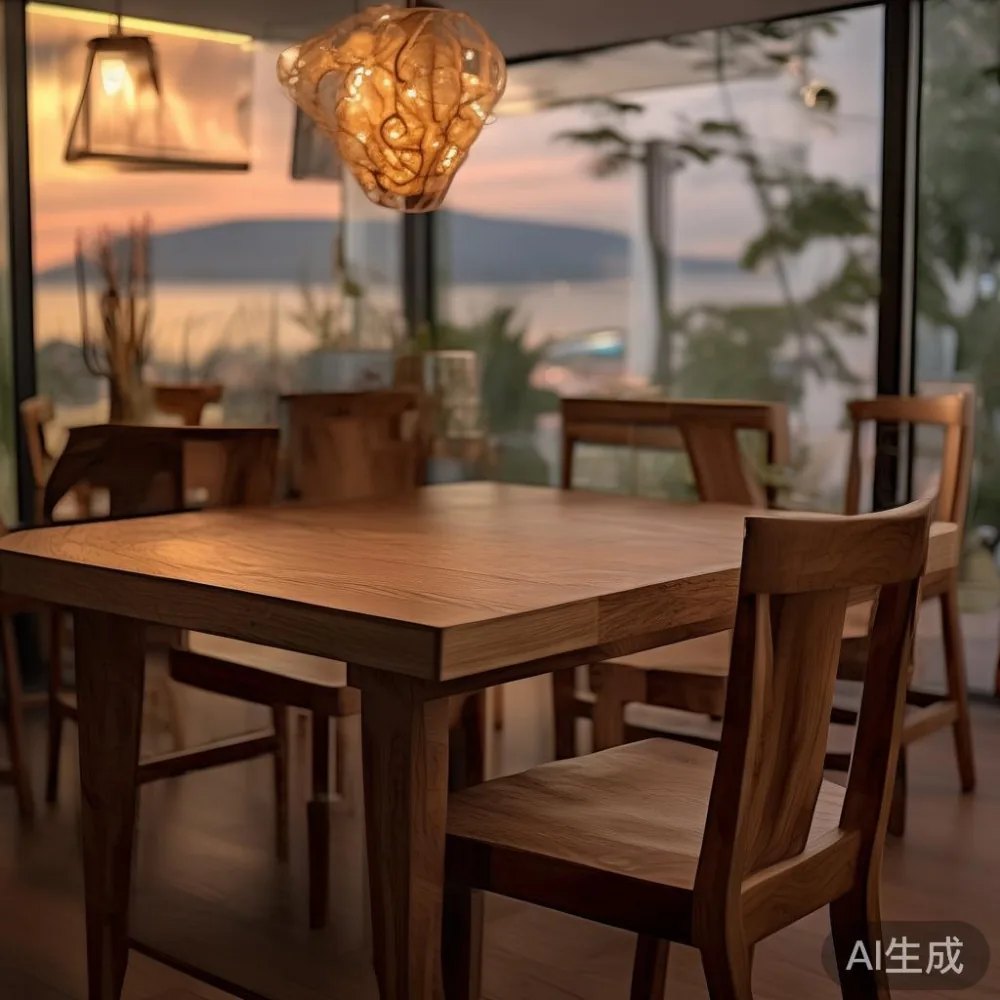
How humid are Singapore HDB flats and condos?
In a typical Singapore HDB flat, indoor humidity may register between 55% and 75%. Air conditioning can lower it to 45% to 60% in occupied rooms, but kitchens often climb above 70% after cooking or showering. Condominiums with east-facing glazing in Tampines, Bedok, and Punggol can experience stronger daily swings, particularly between 2 p.m. and 7 p.m.
Measure instead of guessing. Place a hygrometer near the dining area for 7 days and record readings at 8 a.m., 2 p.m., and 10 p.m. An inexpensive model with a range of 20% to 90% relative humidity costs about SGD 18 to SGD 35. Keep it at chair-seat height, approximately 45 cm above the floor, and avoid placing it directly against a wall or in a doorway.
Corridor and lift dimensions deserve attention too. A standard HDB lift interior may be about 1.1 m wide and 1.4 m deep, while a common corridor is roughly 1.2 to 1.8 m wide. Before delivery, measure the lift door, turning space, staircase landings, and the narrowest dining-chair leg span. A compact dining chair with a 42 cm width and 49 cm depth is easier to manoeuvre than a broad 56 cm armchair, especially when a resident needs to carry it past neighbours during a move-in period.
How can I protect dining chairs from humidity in Singapore?
Begin with placement. Keep dining chairs at least 20 cm from a frequently opened refrigerator, 30 cm from a kitchen sink, and 50 cm from a bathroom or balcony door. Leave enough space behind the backrest for ventilation; around 15 cm is useful when the chair is pushed into a table. This small gap reduces trapped moisture after Singapore’s heavier rain periods.
Use a dehumidifier if readings remain above 65% for several days. A model rated for 10 to 16 litres per day can serve a 30 to 50 sqm dining zone, with energy consumption commonly around 200 to 350 watts. Set the target to 50% to 55% rather than chasing an artificially dry 35%. Running a dehumidifier continuously may cost roughly SGD 15 to SGD 35 per month, depending on tariff, load, and operating hours.
Wipe spills promptly with a soft, slightly damp cloth and dry the surface immediately. Do not soak timber, and do not use a wet mop around the legs. For routine care, apply a maintenance product recommended for the chair’s finish every 6 to 12 months. Avoid oiling before a varnish or lacquered surface unless the coating system specifically permits it; incompatible oil can create blotches that take months to even out.
Rotate dining chairs around the table every 3 to 6 months. Position them so that no single seat receives constant morning sun or evening condensation. If a chair’s finish feels tacky, inspect for a leaking pipe, roof seepage, or standing water beneath the legs. Moisture from a building defect needs repair before furniture treatment.
Can a solid wood dining chair survive an air-conditioned dining room?
Yes, provided the wood is acclimatised and the chair is not subjected to abrupt changes. Moving a dining chair from an 80% humid balcony into a 50% air-conditioned room can shrink the exposed surface more quickly than the protected centre. The result may be fine checking along the grain, especially in dry winter periods in overseas markets or during long Singaporean afternoon air-conditioning cycles.
A stable indoor environment matters more than one perfect reading. Try to keep the difference between daytime and night-time readings below 10 percentage points. If the dining area is directly under a vent, use a simple shield or redirect the airflow where possible. Do not seal furniture in plastic for months, because trapped moisture can encourage mildew around joints and upholstery-adjacent components.
Singaporeans often combine a solid wood dining table with upholstered seating. A timber chair frame should be separated from fabric by a breathable barrier, and loose covers should be removed and washed every 2 to 3 months during humid periods. Check the underside of the seat for grey spotting or a musty smell. These are signs that moisture is being held against the timber rather than moving through the room.
Which wood and finish suit a humid climate?
Seasoned hardwood is the practical choice for humid homes, but the construction matters as much as the species. Look for stable solid timber, sound joinery, and a finish designed for interior furniture. Plywood or MDF panels can also be used in modern designs, although they are more sensitive to edge swelling when exposed to persistent dampness. Solid wood dining chairs with properly protected joints remain a sound choice for daily use when their moisture is managed.
Light-luxury design does not require heavy, dark finishes. French light luxury, American light luxury, and post-modern light luxury can all use pale oak or warm ash to keep a compact dining zone visually open. A French provincial chair with a shaped back may suit a classic dining table, while a cleaner post-modern silhouette works well beside a marble table.
For residents comparing categories, a solid wood sofa, bed frame, dining table, wardrobe, and nightstand should share the same controlled indoor environment. For compact homes, searching for Italian light luxury with storage can help identify dining pieces with concealed storage, such as a bench seat or table box. The same care principles apply: protect edges, maintain airflow, and avoid prolonged water contact.
How do I check a dining chair for moisture damage?
Inspect a chair in good light before buying, after delivery, and every 6 months. Look along the end grain, under the seat, and where legs enter the frame. Healthy finished timber should be evenly coloured and free of deep splits. Hairline checks under 1 mm can occur naturally as wood responds to humidity, while wider gaps, soft spots, mould, or a musty smell call for corrective action.
Use a moisture meter for general guidance. A pin-type meter may read around 8% to 12% for furniture adapted to normal Singapore interiors, although the ideal value depends on the species and manufacturing method. Contact and pin meters can differ by several percentage points, so compare readings rather than treating one figure as an absolute verdict.
Last month I visited a colleague’s three-room HDB flat in Tampines after a week of heavy rain. The dining area measured 68% relative humidity beside a sliding balcony door, while the adjoining kitchen reached 76%. Two dining chairs sat directly in the doorway and had damp legs; the others stored 25 cm inward were dry and stable. We moved the exposed pair, wiped and dried the legs, and targeted the area to 55% over 4 nights. Within 10 days, the finish looked even again and the joint gaps had not progressed.
That visit also showed why a larger room does not automatically mean lower humidity. A 10 sqm dining space can hold enough moisture for surfaces to respond, especially when ventilation is limited. Keep the balcony door closed during rain, run the air conditioner or dehumidifier, and record readings for at least 7 days before changing the whole room’s arrangement.
How do I choose dining chairs for a small HDB dining area?
Measure the usable space after allowing for circulation. For a typical 120 cm by 90 cm table, leave 60 to 75 cm from the table edge to a wall on the main side and 90 cm on at least one side for serving and chair removal. In a narrow dining zone, a dining chair with a slim back and tapered legs can preserve 10 to 20 cm of valuable clearance compared with a deep upholstered chair.
Check that the chair tucks in without scraping the table or wall. A 46 to 48 cm seat height suits most dining tables, whose tops are commonly 74 to 76 cm high. Seat depth around 40 to 44 cm supports the torso without pushing knees against the table apron. The width should leave 5 cm between neighbouring chairs when everyone is seated, so a 42 to 48 cm chair is often more comfortable than a 55 cm model.
Planning for French for small living room layouts can also sharpen dining measurements. The phrase may focus on living spaces, yet the same clearances apply beside a dining table. If a living room also contains a solid wood sofa, bed frame, wardrobe, nightstand, or marble table, each piece needs access for cleaning and doors need room to open. A visually light palette makes a small flat feel wider, while humidity control protects the investment.
Budget in Singapore dollars and include delivery, installation, and maintenance. Individual dining chairs may range from SGD 180 to SGD 650, while a coordinated set of 4 may cost SGD 699 to SGD 1,899. Search results for cheap French provincial furniture or under 2000 French furniture can offer a starting point, but timber species, finish, dimensions, moisture treatment, and warranty terms should be compared directly.
Buyers interested in a complete bedroom also ask how to style French provincial wardrobe in room questions. For dining furniture, the equivalent check is simpler: confirm that the chair proportions complement the table, the finish coordinates with a marble table or solid wood dining table, and the delivery route suits the building.
Ask sellers for delivery days in writing, not just a stock estimate. A Singapore delivery may take 7 to 14 days, while regional or overseas freight can require 20 to 45 days. Verify that the chair legs can be removed safely, that the package fits through the lift, and that assembly needs no more than 10 to 15 minutes with the supplied tools.
At MIDHILL, solid wood is selected for structural use, and the company’s 10-year structural warranty provides a measurable commitment to joinery and frame quality. Customers can also use the lifetime refinishing service, which makes long-term care more practical than treating the dining chairs as disposable décor. Orders above US$350 qualify for free shipping, and the 14-day return window gives households time to assess comfort and fit.
What should a humid-climate furniture warranty include?
A useful warranty should separate structural failure from surface or environmental damage. Structural coverage addresses cracks through a load-bearing joint, unstable joints, and defects in frame construction. Moisture-related marks, mould caused by external water, and finish wear from improper cleaning may require different treatment, so buyers should understand the exclusions.
Confirm whether refinishing is available for the exact finish and whether transport is included. A single dining chair may need collection, while a set of 4 requires coordinated access through a lift and corridor. In Singapore, GST is already reflected in the displayed consumer price, but a 6% to 8% service or installation fee can still affect the final project total.
For a final humidity check, measure the dining zone for 7 days, inspect the chair every 6 months, and remove it if standing water appears beneath a leg. Stable readings, controlled airflow, and prompt cleaning do more for longevity than repeatedly repainting a damp chair. Good furniture care is practical: use the right surface, allow the timber to breathe, and respond early when the room changes.