How Singapore's Humidity Affects Your Solid Wood Dining Chairs and Furniture
Living in Singapore, especially in residential areas like Tampines, Bedok, or Punggol, means living with a constant companion: humidity. The air is thick, often hovering between 70% and 90% throughout the year. This moisture-laden environment is a fact of life, and it has a direct, tangible effect on the items in our homes, particularly solid wood furniture. For those who appreciate the natural grain and durability of a solid wood dining table or a sturdy bed frame, understanding this relationship is key to preserving their beauty and function. Furniture, like the kind crafted by a Foshan-based maker established in 2008, is designed to be a long-term investment. This article will explore the science behind wood's reaction to humidity, offer practical advice for Singaporean households, and explain how quality construction can make all the difference.
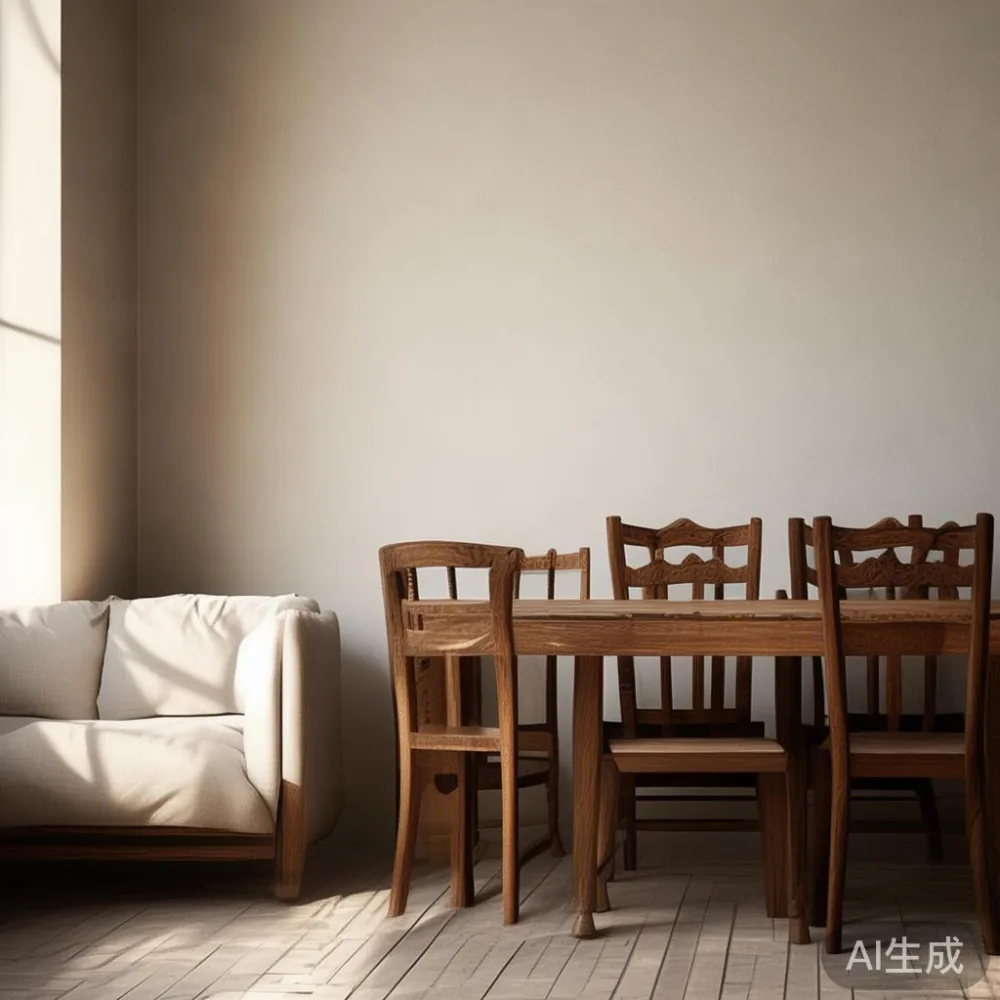
What Exactly Happens When Wood Meets Humidity?
Wood is a hygroscopic material, which is a scientific way of saying it absorbs and releases moisture from the air. Think of it as a living, breathing material long after it has been harvested and shaped. In a high-humidity environment like Singapore, wood absorbs moisture. This absorption causes the wood fibres to swell, expand, and grow slightly larger. Conversely, in a drier climate, the wood releases moisture and contracts. This natural cycle of expansion and contraction is completely normal. The challenge arises when the process is too rapid or too extreme, leading to problems that can mar the appearance of a dining chair or compromise the structure of a wardrobe.
The two most common visual effects of this moisture absorption are swelling and cupping. Swelling is when a piece of wood, such as the tabletop of a dining table, gets wider. This can cause drawers in a solid wood chest or wardrobe to become tight and difficult to open. Cupping is a more specific distortion where the edges of a wooden board (like a tabletop or a chair seat) rise up, creating a concave or 'cupped' shape. These changes are most noticeable in wide, flat surfaces. The wood is simply responding to the moisture imbalance, with the top layer absorbing more moisture than the bottom, causing it to expand at a different rate and warp the surface.
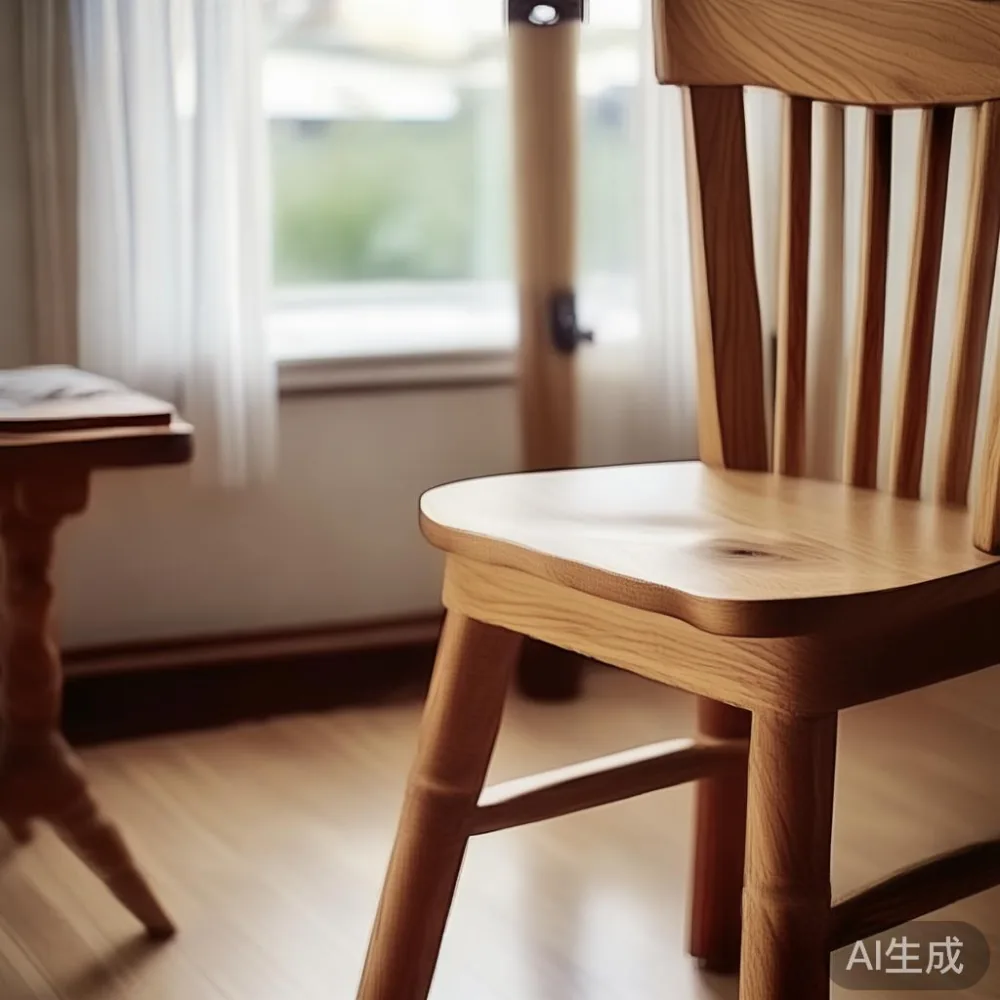
Why Your HDB Flat or Condo is a Unique Challenge
The architecture of Singapore's public housing, from the older HDB flats in Bedok to the newer, more compact executive condominiums in Punggol, presents a unique set of conditions for wood furniture. The spaces are often smaller, with lift lobbies and corridor widths averaging about 150 cm. This means furniture delivery is a carefully orchestrated process, requiring precise measurements to work through tight corners. Also, the air conditioning units, while providing a cool respite, can create micro-climates of very low humidity. An air-conditioned bedroom might have a humidity level of 50%, while the living room, with the balcony door open, could be at 80%. This fluctuation within the same home is a significant stress test for any piece of furniture, from a marble table top to the solid wood legs of a dining chair.
My colleague, who recently moved into a new flat in Tampines, experienced this firsthand. He purchased a beautiful solid wood dining set. Within two weeks of moving in, he noticed the chairs were slightly wobbly. Upon closer inspection, he saw that the joints where the legs met the seat had loosened. The constant cycle of high humidity in the day and the cool, dry air from the air-conditioner at night had caused the wood to expand and contract repeatedly, eventually working the glue joints loose. This is a classic example of how environmental factors can impact furniture, even when it's well-made. It highlights the need for furniture that can withstand these daily variations.
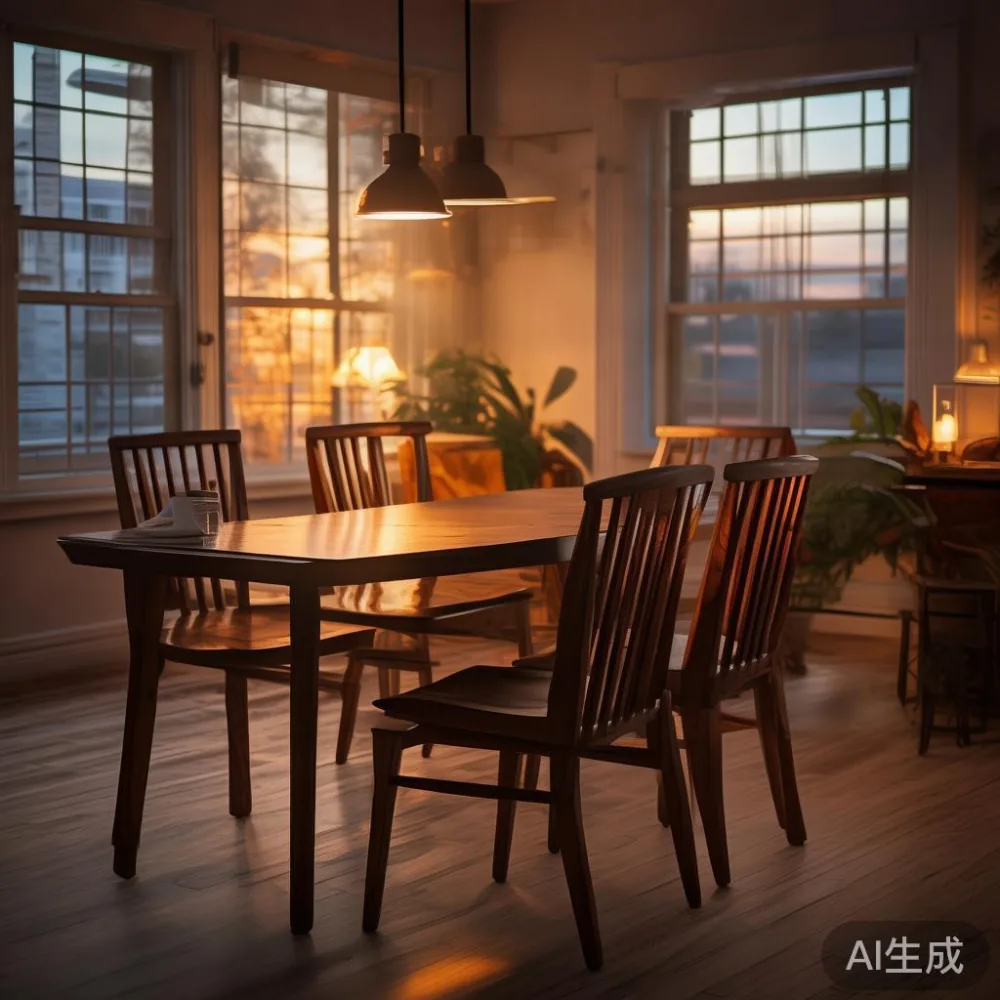
How to Protect Your Furniture: Practical Tips for Singaporean Homes
Protecting your wood furniture from the effects of humidity doesn't require a complete lifestyle overhaul, but it does require a bit of mindful management. The goal is to create a stable environment and provide some protection for your pieces. For your dining chairs, which are often the most exposed, this is especially important. Here are some practical, actionable steps you can take today.
First, control the climate as much as possible. Using a dehumidifier in particularly damp areas, like storerooms or during the rainy season, can help maintain a more stable humidity level, ideally between 45% and 55%. Consistency is more important than achieving a specific number. Second, be mindful of placement. Avoid placing solid wood sofa sets or dining tables directly in front of air-conditioning vents or in direct sunlight. Both rapid temperature changes and intense UV rays can cause the wood to dry out too quickly or fade. Third, use coasters and placemats religiously. A simple glass of water left on a marble table can leave a ring of condensation that seeps into the wood if not protected.
Fourth, regular maintenance is your best friend. Applying a high-quality furniture wax or oil every 4-6 months creates a protective barrier that helps slow down the rate of moisture absorption. This is particularly important for the seats of your dining chairs and the surface of any solid wood bed frame. Finally, acclimate your furniture. When you bring a new piece into your home, especially if it has been in a climate-controlled showroom or shipping container, let it sit in its intended room for at least 48 hours before assembly or use. This allows the wood to gradually adjust to the local humidity level, minimizing the shock of sudden change.
What to Look for in Quality Humidity-Resistant Furniture
When investing in furniture for a humid climate like Singapore, the construction quality is paramount. Not all furniture is created equal, and the difference between a mass-produced piece and one designed with longevity in mind is stark. For items like a wardrobe or a nightstand, the internal joinery and the type of wood used are critical factors that determine how well the piece will fare over the years.
Look for furniture that uses 'solid wood' components, not just a 'solid wood veneer'. Veneers are thin slices of wood glued onto a substrate like MDF or particleboard. When these substrates get wet, they swell and lose their structural integrity, causing the veneer to crack or peel. Solid wood, on the other hand, moves as a single, more stable piece. Pay close attention to the joinery. Dovetail joints, mortise and tenon joints, and finger joints are far superior to simple butt joints glued and nailed together. These traditional methods allow the wood to expand and contract without compromising the integrity of the piece, preventing the kind of wobble my colleague experienced with his dining chairs.
The finishing process is another key indicator of quality. A multi-step finishing process, often involving sanding between coats of lacquer or oil, seals the wood pores more effectively. This protective layer acts as a shield, slowing down the absorption of moisture from the air. It's this attention to detail in craftsmanship that separates a piece of furniture that will last a decade from one that might show signs of wear in just a couple of years. When you're considering how to choose a Japanese wardrobe, for instance, you should be looking for these same signs of solid construction, as they are designed to last generations.
Will My Dining Chairs Warp in Singapore? A Customer's Question
This is one of the most common questions we receive from customers in Singapore. The short answer is: high-quality, well-constructed dining chairs are designed to handle the humidity and will not warp under normal conditions. The key lies in the selection of the right wood species and the quality of the craftsmanship. Cheaper chairs made from softer woods or with poor joinery are far more susceptible to warping. A reputable manufacturer will use stable hardwoods like teak, oak, or walnut, which are naturally more resistant to moisture changes. They will also employ construction methods that allow for the wood's natural movement, such as using screws with oversized holes or dowel joints that have a little 'give'.
For example, a well-made dining chair will have legs attached to the seat using a method that accommodates expansion. The chair might feature a floating tenon joint or use corner blocks with screws, rather than just glue. This allows the seat panel to expand and contract with the seasons without putting stress on the legs, which could otherwise lead to cracking or loosening. The finish is equally important. A thick, durable lacquer or oil finish seals the wood, protecting it from daily moisture exposure from cleaning and the ambient air. When you purchase from a company that offers a 10-year structural warranty, you are getting a guarantee that the furniture is built to withstand these environmental challenges. This peace of mind is invaluable, knowing that your dining set will remain stable and beautiful for years to come.
The Value of Long-Term Investment in Furniture
In a world of fast furniture and disposable goods, choosing to invest in a solid wood dining table or a bed frame is a statement about valuing quality and longevity. The initial cost might be higher, but when you consider the lifespan of the piece, the value becomes clear. A well-made piece of furniture can easily last 20, 30, or even 50 years. This longevity is not just about saving money over time; it's about reducing waste and creating a home filled with pieces that have character and history.
Consider the cost of a cheap light luxury furniture set that might need to be replaced every 5-7 years versus a single, high-quality dining set that becomes a centrepiece of your home for decades. The math adds up, but the intangible benefits are even greater. There's a certain pride in owning a piece that has been crafted with care, using materials that will age gracefully. A solid wood dining table develops a rich patina over the years, telling the story of family gatherings and everyday life. This is the opposite of the cheap, uniform look of mass-produced items that quickly look dated. When looking at trends like 2026 Modern light luxury furniture, the focus is often on timeless design and superior materials, ensuring that the pieces remain stylish and functional for years, not just seasons.
For those wondering about the American sofa vs Mid-century modern sofa, the choice often comes down to personal style, but both can be excellent long-term investments if constructed with solid frames and quality upholstery. The same principle applies to all furniture. The value is in the details: the thickness of the wood, the sturdiness of the joints, the quality of the hardware, and the durability of the finish. These are the elements that determine whether a piece of furniture will become a cherished heirloom or another item to be discarded. It's an investment not just in your home, but in a more sustainable and thoughtful way of living.
Where to Find Furniture Built for Singapore's Climate
Knowing what to look for is one thing; finding it is another. Not all retailers or manufacturers understand the specific demands of a Singaporean home. You need to find a source that prioritizes quality construction and uses materials suited for a humid environment. This often means looking beyond local mass-market stores and towards specialists who focus on craftsmanship and durability. A manufacturer with a long history, like one established in 2008 that exports to 15+ countries, has likely spent over a decade refining its processes to create furniture that performs well in diverse climates, including the high humidity of Southeast Asia.
When researching, look for companies that are transparent about their materials and construction methods. Reputable brands will often provide details on the wood species used, the type of joinery, and the finishing process. They will also stand behind their products with strong warranties. A 10-year structural warranty, for example, is a clear indicator of the manufacturer's confidence in their product's ability to withstand the test of time and environmental stress. This warranty covers the core structure of the furniture, giving you assurance that the frame of your dining chairs or the legs of your dining table will remain sound.
Finally, consider the practicalities of purchase and delivery. A company that offers free shipping on orders over SGD 850 and a 14-day return policy provides a risk-free way to experience their quality. This allows you to inspect the furniture in your own home, ensuring it meets your expectations for both style and build quality. For those looking for specific styles, whether it's the clean lines of a post-modern wardrobe for 2026 or the elegant curves of a French provincial bed, finding a specialist is key. They can offer guidance on how to choose French provincial bed styles that will complement your space and withstand the local climate, ensuring your investment is both beautiful and enduring. You can explore their collection at www.midhill.co.