How Humidity in Southeast Asia Affects Wood Furniture
Singapore’s warm, humid climate can change the dimensions of solid wood faster than many owners expect. A dining chair may loosen at its joints, a dining table top may develop a small bow, and a wardrobe door may begin to catch during the rainy months. These are not signs of poor workmanship. They are normal responses of timber to moisture in the air, especially when furniture moves between air-conditioned flats and humid corridors.
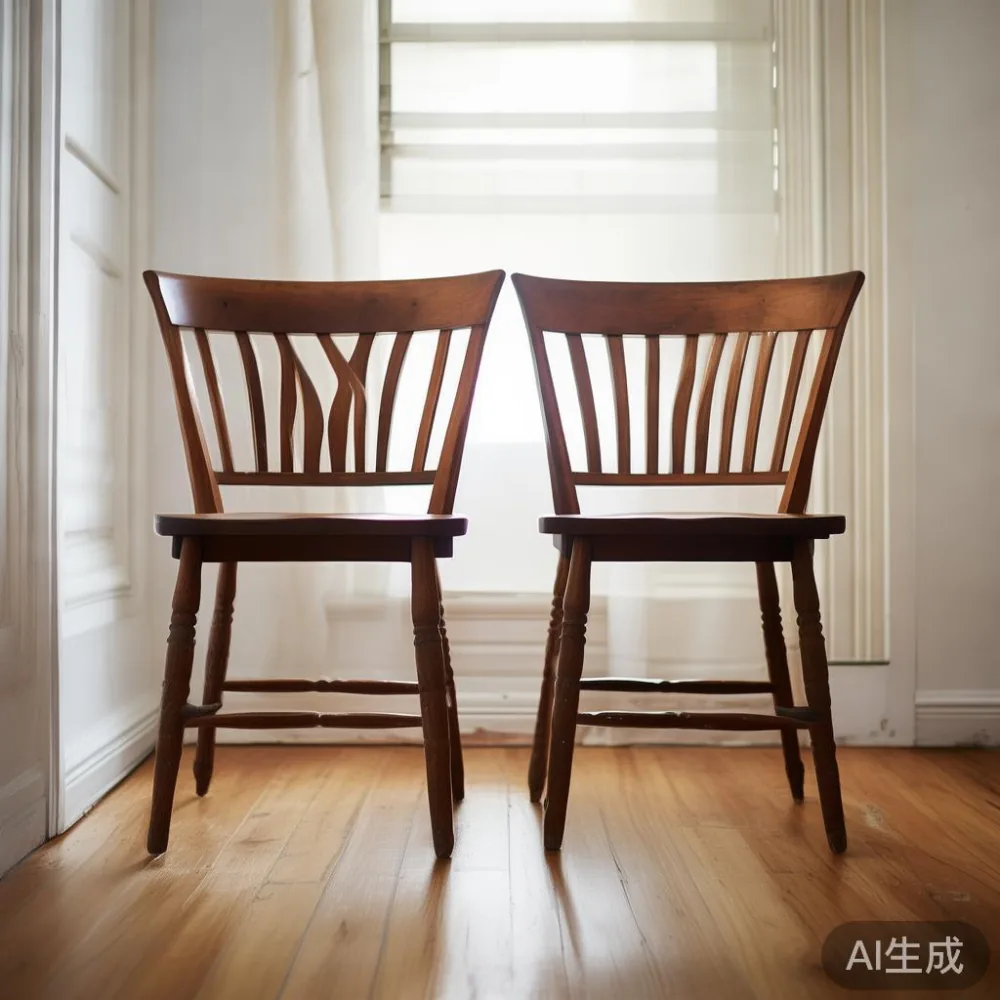
For households in Tampines, Bedok and Punggol, the practical challenge is finding furniture that suits compact HDB layouts without becoming unstable or difficult to maintain. At MIDHILL, we make solid wood dining chairs and other pieces for international markets, including Singapore. The company has operated since 2008, exports to more than 15 countries, provides a 10-year structural warranty and offers lifetime refinishing. A useful starting point for anyone comparing where to buy dining table from MIDHILL is to understand how moisture, ventilation and product design interact.
Why Singapore humidity changes solid wood
Relative humidity means the amount of water vapour in the air compared with the maximum the air can hold at a given temperature. Singapore’s relative humidity commonly ranges from about 65% to 90%, with the highest readings often occurring during the northeast monsoon and periods of heavy rain. Air-conditioned interiors may settle near 40% to 60%, while corridors, lift lobbies and open windows can remain substantially more humid.
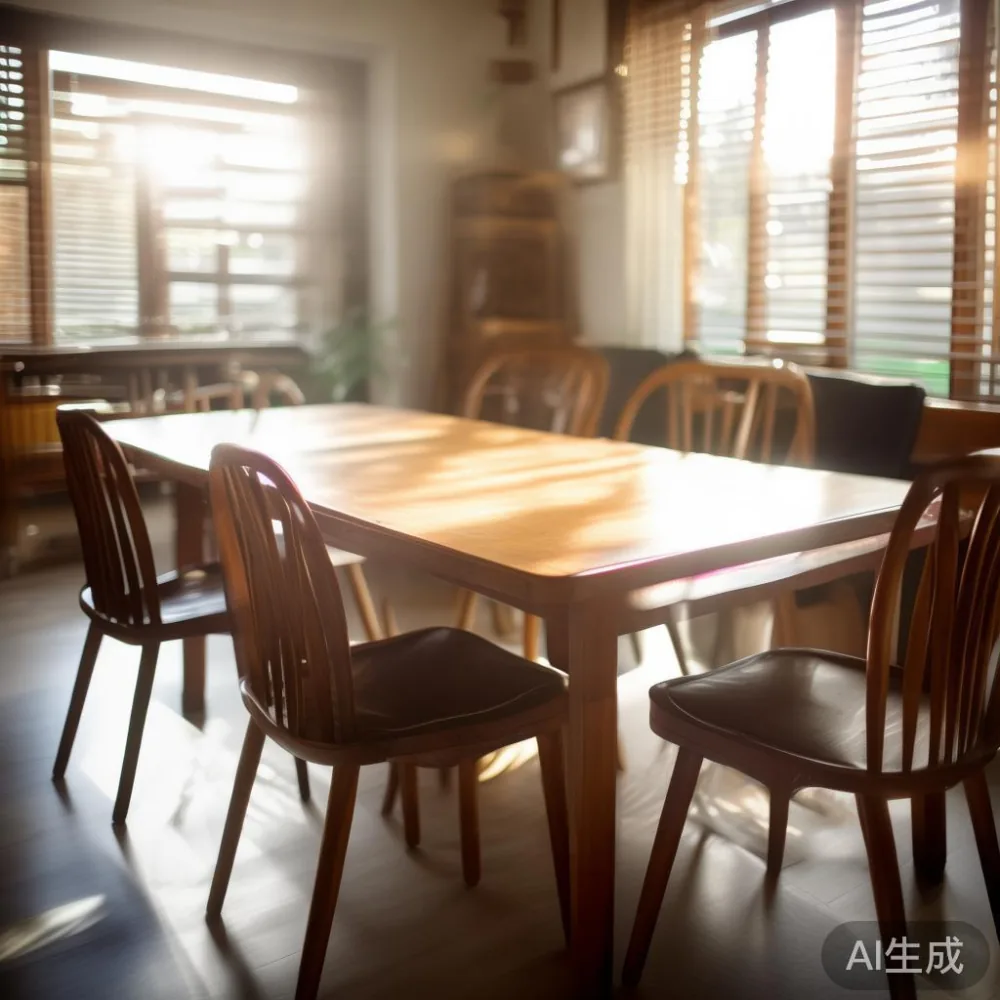
Wood is hygroscopic: it absorbs moisture when the surrounding air is humid and releases it when the air is dry. The change is not always symmetrical. A solid oak dining chair that gains moisture in a humid room may shrink slightly when it later enters a cooler, air-conditioned living area. Repeated cycles can stress screws, stretchers, tenons and chair seats. A 5% change in wood moisture content can produce noticeable movement, although the exact amount depends on the species, panel construction, grain direction and finish.
Seasonal wood movement is different from a manufacturing defect. A well-made dining table should remain stable under ordinary use, while modest dimensional changes are accepted by furniture standards and joinery practice. The concern is when a chair develops a persistent wobble, a split forms outside a joint, or the surface becomes tacky. Such symptoms call for inspection rather than cosmetic blame.
How much moisture should wood have in Singapore?
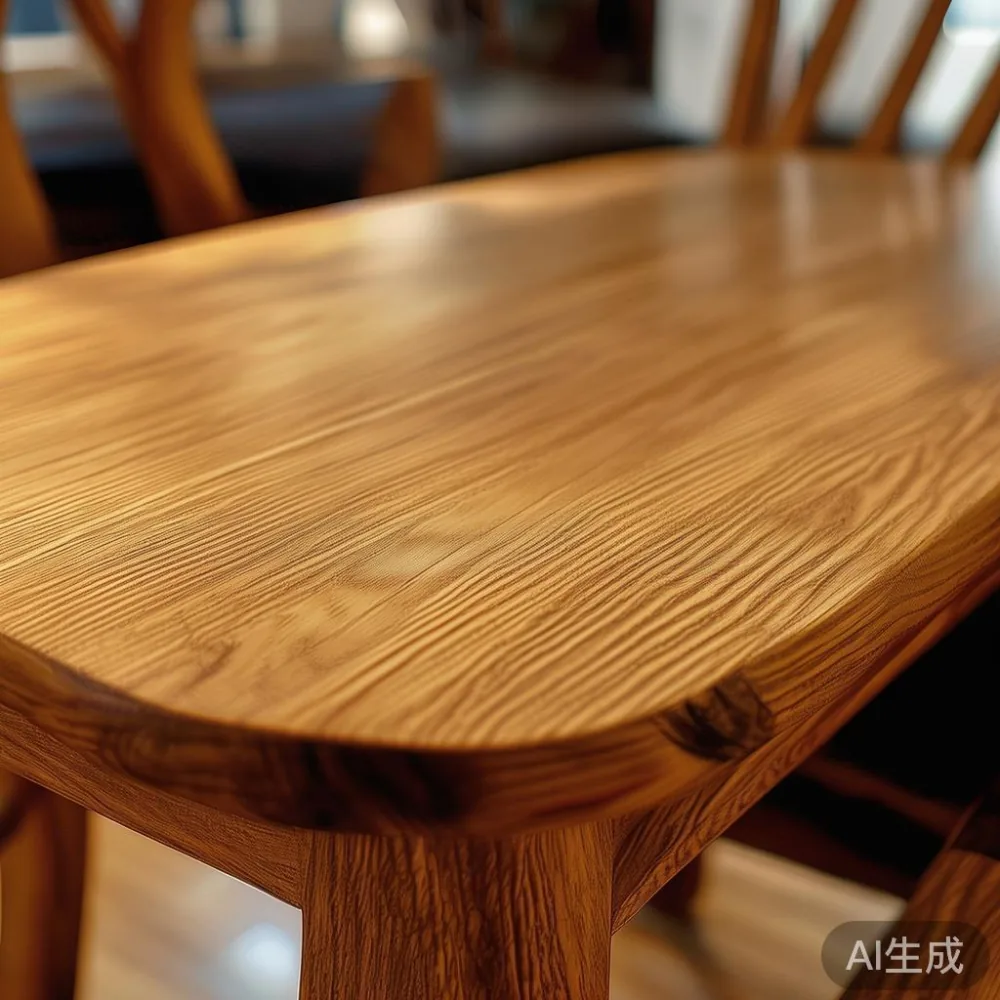
For residential solid wood furniture, an indicative equilibrium moisture content of about 8% to 12% is reasonable for many Southeast Asian interiors. Local suppliers often quote around 10% to 12%. A factory should acclimatise timber and completed furniture before shipment, then protect it from rain and abrupt temperature changes during transport. The goal is not to stop movement; it is to reduce sudden changes.
Use a simple hygrometer rather than guessing from a damp hand on the surface. Place one in the dining area for 3 days and record the highest and lowest readings. Repeated readings above 65% indicate a persistent humidity load. Readings below 40% point to very dry conditioned air. Neither extreme is ideal for prolonged timber contact, although brief seasonal variation is normal.
Here are the main symptoms to watch for in dining chairs:
- Joint movement: a faint gap of roughly 1 to 3 mm may appear beside a loose screw or mortise-and-tenon joint after a damp period.
- Seat height change: a solid timber seat can move by about 1 to 3 mm across its width as it takes up or gives up moisture.
- Surface checking: fine cracks of less than 1 mm can follow the grain, particularly on end grain and exposed edges.
- Sticking doors: a solid wood wardrobe or nightstand may need adjustment if humidity swells one side more than the other.
- Noise or squeaks: changes in a dining table or dining chair frame can alter contact between components, especially at a stretcher.
Measure before tightening. A general rule is to check a chair after a week of normal use, not after every small squeak. Mark the position of a loose screw with pencil, loosen it fully, reset the joint and tighten it evenly. Overtightening can crush the timber or create a permanent ridge.
What should I do for humid HDB and condo homes?
Start with air movement. In a typical Singapore HDB flat, run the air conditioner or dehumidifier in the dining area for 2 to 3 hours before meals, and keep relative humidity near 50% to 60%. A bedroom with a wardrobe should receive similar attention. In a condo with a west-facing dining space, blinds can reduce solar heat by a useful margin, while cross-ventilation helps moisture leave the room.
Keep furniture at least 10 cm from exterior walls where condensation is possible and at least 5 cm from air-conditioning vents that blow directly onto the timber. Do not place a dining table beneath a window that is opened daily during the monsoon. If a marble table or dining table has a stone top, the humidity issue still applies to its solid wood base, so leave ventilation space around the apron and legs.
For service corridors and lift lobbies, avoid leaving dining chairs, bed frames or other solid wood pieces in an uncovered loading area for more than 30 minutes. Wrapping them fully for a long period may trap moisture, so use breathable protective covers and move them into the home promptly. Lifts and narrow HDB corridors can make delivery planning important: check the lift’s internal dimensions and door width, and measure the route from the lobby to the dining area.
MIDHILL offers free shipping for orders over US$350, equivalent to about SGD 460 at an illustrative exchange rate of USD 1 to SGD 1.30. Singapore orders are subject to GST, so an SGD 1,000 item before GST would be SGD 1,090 after 9% GST. Check the confirmed delivery quotation before ordering, because taxes, access charges and destination details may affect the final total.
Which woods and finishes handle tropical humidity better?
Wood species differ in dimensional stability, but no solid wood is immune to humidity. Dense hardwoods such as teak and oak can perform well when their construction accounts for seasonal movement. Softer woods and wide single slabs generally show more visible change. The panel design matters more than a marketing label: a solid wood dining chair with well-spaced screws and a flexible joinery detail may cope better than a heavier frame with rigid fasteners placed too close to the edge.
Factory finishing adds another layer of protection. A penetrating oil or hardwax oil leaves the timber able to exchange a small amount of moisture. A thicker film finish slows surface absorption but can show wear sooner when scratched. In humid conditions, renew the oil finish every 12 to 24 months, following the product’s care instructions. Wipe spills within 10 minutes and avoid steam cleaning or household ammonia.
Light-luxury design does not require heavy carving. French light luxury often uses pale oak, walnut accents, gentle curves and restrained upholstered seating. American light luxury pairs durable solid wood dining chairs with clean-lined tables and tactile upholstery. Post-modern light luxury may mix slender frames, rounded corners and balanced proportions. The attraction of a luxury light luxury furniture collection should not come at the expense of stable joinery, sound ventilation and maintainable finishes.
For those who want a decorative style without excessive upkeep, searching for cheap French provincial furniture can lead to imported pieces with particleboard or veneer cores. They may be inexpensive, but veneer edge banding can peel in damp conditions and interior screws can loosen. If a customer needs the appearance of solid timber, confirm that the visible surfaces, frame and structural panels are genuinely solid wood.
Marble is also affected by the surrounding environment, although it does not absorb moisture like timber. A marble table can develop condensation beneath a cold stone top during heavy rain, so use a coaster and a stable mat. The critical part remains the base, which should be separated from floors that transmit dampness. A solid wood sofa similarly benefits from controlled room humidity, although its frame usually receives less direct seasonal exposure than a dining chair.
Can humidity damage dining chairs and dining tables permanently?
Moderate movement can be reversible. Persistent high humidity can cause mould growth, finish clouding and weakened joints if a piece remains damp for months. Salt carried by sea spray or construction dust may also leave deposits on unfinished timber. In furnished HDB homes, mould around an exterior wall or under a sink deserves attention before furniture maintenance begins.
Do not use a steam gun to flatten a bowed table. Water adds moisture and can make the distortion worse. Dry the room gradually, allow the piece to acclimatise for 7 to 14 days and inspect the supports. For serious distortion, a furniture maker can assess whether the top is cupped, twisted or simply responding to seasonal humidity.
For solid wood dining chairs, check the rear legs, stretchers and seat fixings every 6 months. Tighten hardware by hand and use felt washers under chairs that are moved frequently. Avoid dragging them across tiles or laminate floors; carry them when the distance exceeds 2 metres. These small habits reduce stress on the joinery and protect both the chairs and the flooring.
How do I check a solid wood supplier before ordering?
Ask specific questions. How was the timber dried? What moisture content was recorded before packing? Are the visible parts solid wood? What joint method is used? How long is the warranty? What refinishing service is included? A credible supplier should answer in measurements and procedures, not only in terms such as “premium” or “handcrafted”.
For a dining chair, a practical seat height is about 45 to 48 cm, with a seat depth of 40 to 45 cm. A dining table height for everyday meals is commonly 73 to 76 cm, and a usable width of at least 75 cm gives each diner about 55 to 60 cm. For a compact HDB dining zone, a table 120 to 140 cm wide may fit six diners, while a 90 to 110 cm table can suit four. Check chair pull-out space: leave at least 75 cm behind each chair for movement and 90 cm where a busy corridor passes behind the setting.
Confirm the delivery route as well. A lift door of 80 cm may not accommodate a boxed dining table wider than 76 cm, and a standard HDB corridor turning area may restrict long packages. Measure the lift car, door, landing turns and stair width. Allow 2 to 7 delivery days within Singapore after dispatch, subject to stock and final address, and retain the 14-day return option.
MIDHILL was established in 2008 and exports to more than 15 countries. Its 10-year structural warranty addresses long-term frame integrity, while lifetime refinishing supports furniture that must adapt to homes and climates over many years. Those terms are useful, but maintenance still matters: a 10-year warranty does not make a chair suitable for a permanently wet balcony.
What questions should I ask about bedroom furniture in Singapore?
Humidity can affect more than the dining room. If you are comparing the best Nordic wardrobe for 2026, check whether doors and carcasses use stable construction, adjustable hinges and ventilation gaps. The same applies when learning how to style European wardrobe in bedroom: keep tall pieces away from external walls and allow airflow around the sides.
A bed frame should be placed on a dry floor and checked for movement every 6 months. If your search includes the best Modern bed for 2026, prioritise stable joints, a centre support for wider spans and a low-profile design that suits a compact HDB bedroom. A nightstand should not be pushed tightly against a wall, because seasonal movement can make its back difficult to clean.
For a new dining area, create a stable base rather than a crowded display. One dining table, 4 to 6 dining chairs and 60 to 90 cm of clear circulation usually feels more generous than several oversized pieces. Keep the air-conditioner’s direct airflow away from a chair seat, use a dining rug with a moisture-resistant backing, and clean the floor beneath furniture every 2 to 4 weeks.
How can I keep solid wood furniture in good condition for 10 years?
Use a simple schedule. Check the dining area’s hygrometer monthly, especially from November to February. Wipe dining chairs weekly with a lightly damp cloth and dry them immediately. Apply an approved maintenance oil every 12 months in a humid home, or every 24 months in a well-ventilated room. Inspect screws and joints twice a year. After a renovation or wet-weather episode, leave the furniture in a stable, conditioned room for 48 hours before using it heavily.
Maintain the room, not just the piece. Keep relative humidity near 50% to 60%, repair dripping air-conditioner pipes within 24 hours and use a dehumidifier where laundry drying regularly raises moisture. In a Punggol or Tampines unit with an open kitchen, cooking vapour adds to the load, so use the exhaust fan during meal preparation.
Solid wood furniture is made to be used, maintained and renewed rather than discarded after a humid season. Dining chairs should feel stable, dining tables should remain level and bedroom storage should close cleanly. When dimensions shift within the normal range, give the timber time to adjust. When a joint fails, obtain a proper repair rather than hiding the symptom with filler. That approach suits both practical HDB living and the quieter character of solid wood dining rooms in Singapore.