How Southeast Asian Humidity Affects Solid Wood Dining Furniture
Singapore’s climate can change quickly. A relative humidity of 80% may register during a thunderstorm, while an air-conditioned HDB flat at Bedok may sit near 55% only a few kilometres away. That variation matters because solid wood furniture continues to exchange moisture with the surrounding air after delivery. It expands when it absorbs moisture, contracts when it dries, and reacts most visibly around joints, seat rails, table edges, doors and veneer-faced panels.
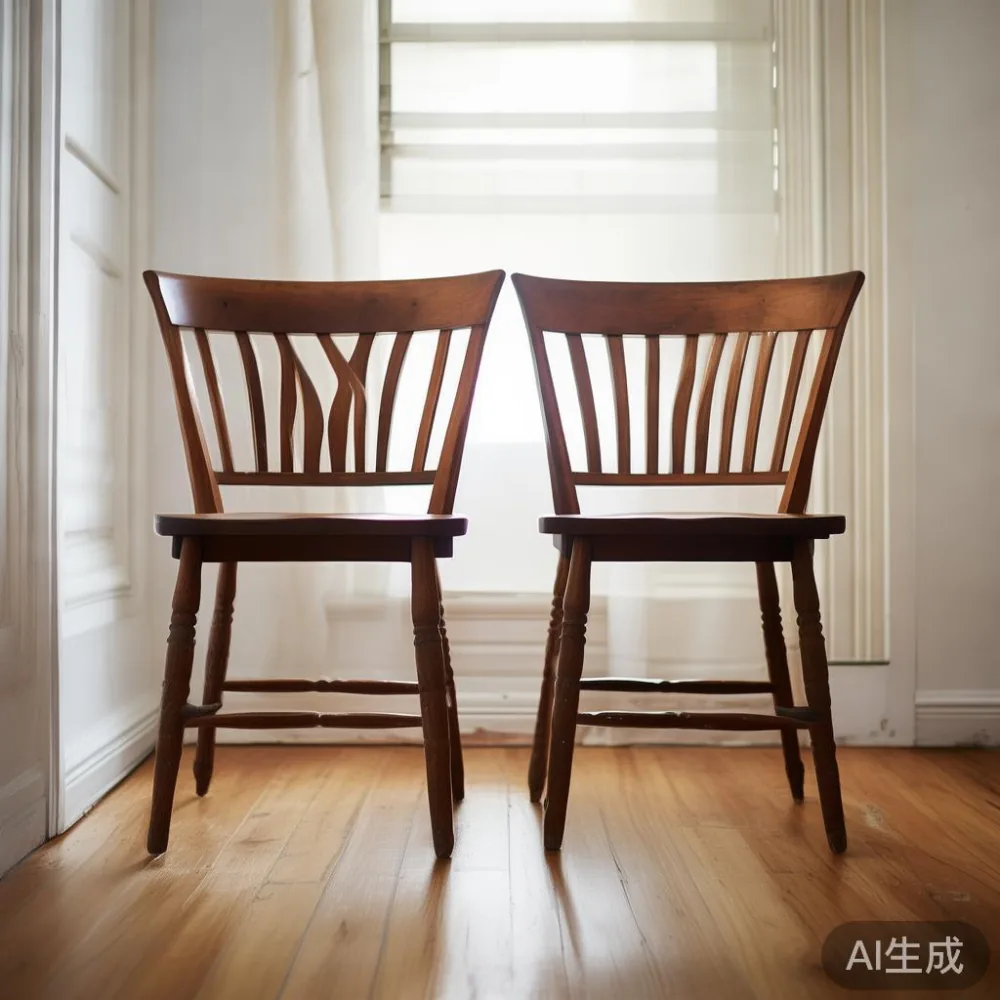
For MIDHILL dining chairs, this is not a reason to avoid wood in the tropics. It is a reason to understand movement, specify suitable timber, allow indoor acclimatisation and maintain a sensible room humidity. The same discipline applies to a solid wood sofa, bed frame, dining table, wardrobe, nightstand or marble table: every material responds differently, but all deserve a controlled environment.
This guide focuses on dining chairs and the related humidity questions that arise in Singapore HDB flats and private condos. It covers lift access in Tampines, Bedok and Punggol, local care routines, material selection and delivery planning. Prices are given in SGD for easy comparison, while furniture dimensions are shown in centimetres and weights in kilograms.
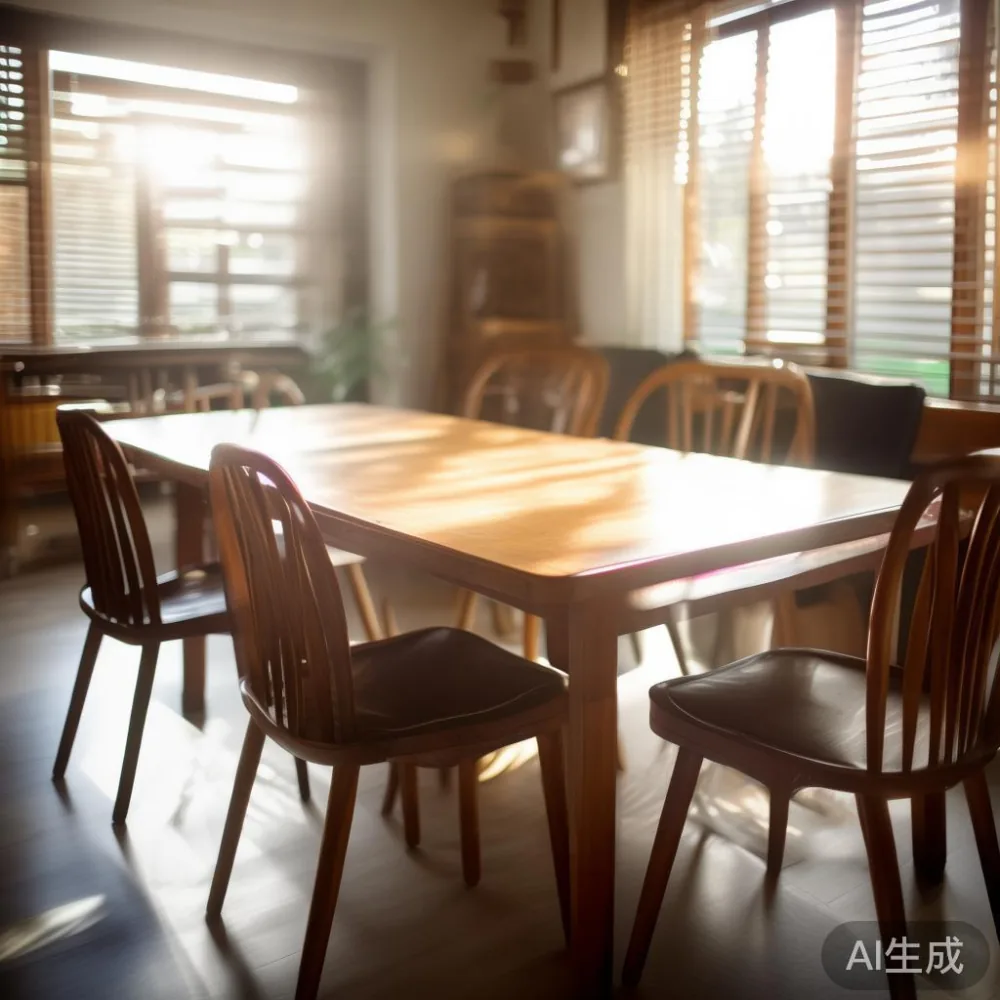
What humidity range should wood furniture live in?
Wood performs best when relative humidity remains reasonably stable. A practical target for Singapore interiors is 45–65% relative humidity, with ordinary fluctuations of roughly 5–10 percentage points handled comfortably by well-made solid wood furniture. Persistent readings below 40% can encourage drying-related movement, while a location repeatedly above 70% increases the risk of mould on nearby surfaces, swollen drawer runners and finish condensation.
Humidity is not the same as rain. An open HDB balcony can receive damp air even when the living room is dry, while a north-facing Tampines unit may remain cooler but less ventilated. Condo units near large planted areas can experience broader daily shifts. Measure rather than guess: place a calibrated hygrometer near the dining area, around 1 metre above the floor and away from an air-conditioner outlet. Check it at about 8 a.m. and 9 p.m. on 3 separate days. Seven days gives a more useful baseline, but even a 72-hour snapshot can reveal a problem.
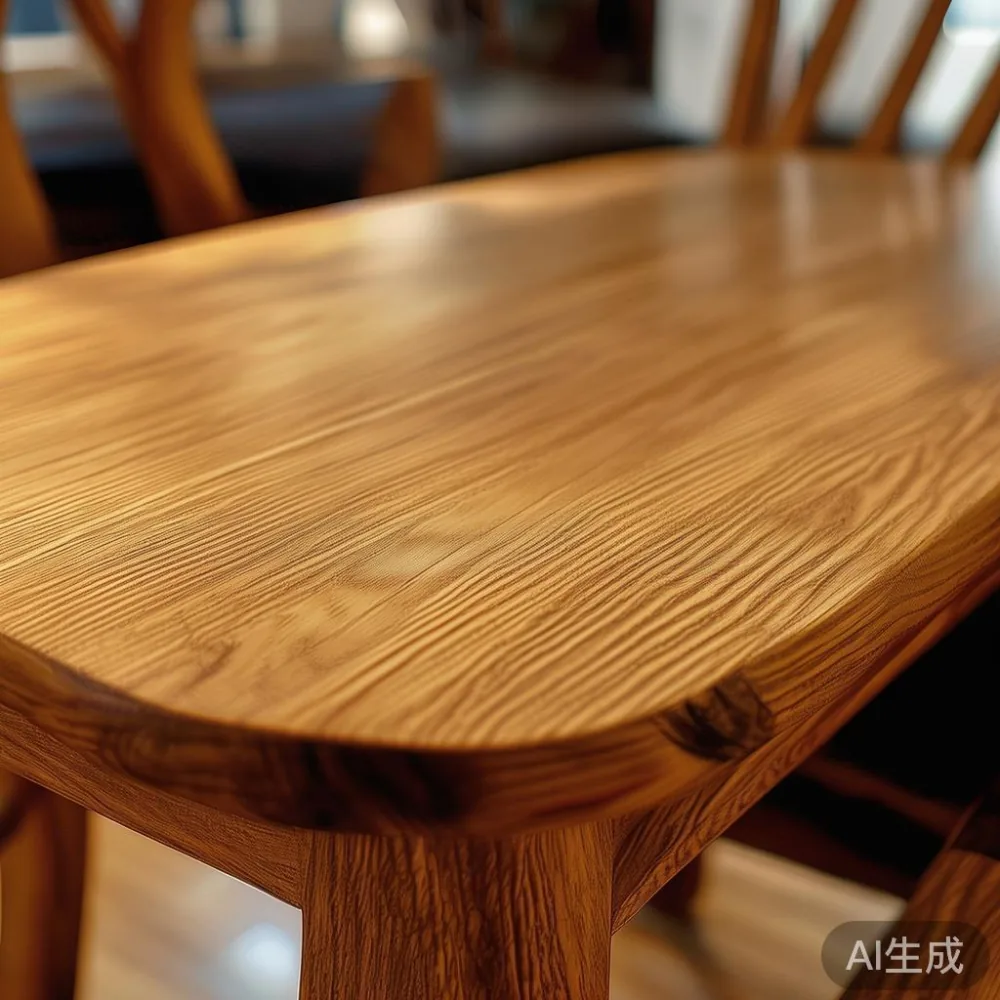
For comparison, Singapore’s monthly rainfall can exceed 250 mm during the wettest periods, and outdoor relative humidity commonly reaches 80–90%. Indoors, a dehumidifier or air conditioner can bring readings into the 50–65% range. Aim for moderate cooling rather than a freezing setting; excessive air-conditioning may dry wood faster than damp tropical air wets it.
How does humidity affect solid wood dining chairs?
The movement of solid timber is physical rather than defective. Along the grain, seasonal moisture change may produce expansion or contraction of approximately 1–3% in many common hardwoods, although the exact figure depends on species, cut, thickness and service condition. Across the grain, movement is usually smaller, but wide seats, solid timber backs and curved components can still develop visible changes.
For dining chairs, watch the seat platform, apron rails, rear legs and the joints beneath the seat. A chair that has spent 3 weeks in a humid room may develop a slightly different fit from one acclimatised beside a dry balcony. Small gaps, a faint seat squeak or a joint that feels less firm can indicate movement, particularly if the humidity changes abruptly.
Quality construction matters. Mortise-and-tenon joints, properly fitted dowels and restrained corner blocking can accommodate dimensional movement better than a panel held in place by excessive fasteners. Solid wood sofa frames, bed frames and dining tables also benefit from sound joinery, but a dining chair receives more repeated loads: a 75 kg adult shifts the front seat and back structure with every meal. Inspect the 4 legs, 4 stretchers, seat rails and back supports every 6 months. Tighten a loose fixing only when required; repeated aggressive tightening can split an end-grain connection.
Do not place dining chairs directly against an air-conditioning vent or under a bathroom leak. A recommended buffer is 30 cm from a cold vent, 60 cm from a source of dampness and at least 50 cm above a floor that remains visibly wet. In a compact HDB dining corner, this spacing can also improve airflow around the chairs.
Should dining chairs be solid wood, plywood or another material?
Solid wood offers character, repairability and a warm tactile quality, while marine-grade plywood can provide dimensional stability where budget and weight are priorities. The correct choice depends on the actual room, not a fashionable label. A solid timber dining chair in an air-conditioned flat may perform very differently from one kept beside an open window in Punggol.
Ask for the wood species, panel construction and moisture treatment rather than accepting “wood” as sufficient information. Good suppliers should explain whether components are solid timber, plywood or engineered board, and whether the listed price includes a clear protective finish. Oak, ash, beech, walnut and teak have different densities and responses, so the design should suit the species rather than treating all timber as identical.
For example, a dining chair with a 45 cm-wide solid seat may be comfortable for everyday use, while a 50–54 cm chair gives wider dining tables more breathing space. A 92–96 cm table height suits most adults, but bench and table combinations require a 43–47 cm seat height for comfortable reach. Confirm these dimensions before delivery because a humidity-damaged chair cannot simply be resized at home.
Can Singapore humidity cause mould or damage to dining chairs?
Yes, prolonged moisture can encourage surface mould, especially where legs touch a damp floor, upholstery traps humidity, or a chair is stored beside a leaking balcony door. Mould does not usually begin because timber alone has touched humid air at 60%. It is more likely when relative humidity remains above 70–80% for long periods, surfaces are wet and ventilation is poor.
Inspect the underside of the seat and the leg-to-floor contact points. Use an untreated cloth, not a household aerosol, to remove loose dirt. If a chair smells musty, move it into a ventilated area and reduce surrounding humidity before treating any affected finish. For persistent spotting, seek product-specific advice because bleach can discolour some stains and damage oil or lacquer.
Cleaning should be regular but gentle. Dust with a soft cloth, wipe spills within 10 minutes and avoid soaking timber edges. For solid wood dining chairs, a lightly damp cloth followed by a dry cloth is usually enough. Never place dining chairs in direct sun for hours; sunlight can raise the surface temperature and accelerate finish wear even when the ambient humidity is acceptable.
How should delivery work in HDB flats and condos?
Measure the entire route before ordering: lift door width, lift car depth, corridor turns, front door and the intended dining position. Many HDB lift openings are about 90 cm, while common lift cars measure roughly 110 cm deep and 135 cm wide, though building-specific dimensions vary. Condo service lifts may be larger, but a loading bay turn or narrow corridor can still create the real restriction.
Record the narrowest point, not just the lift door. Add at least 10 cm of working clearance for a packaged dining chair and consider whether it can be tilted without striking the handrail. A fully assembled chair may fit where a boxed one does not; conversely, removing the back or legs can make access easier. For a dining table, check whether the top can pass on edge and whether lift height limits require a 2-piece construction.
MIDHILL can quote delivery in SGD after receiving the building, access and item details. Typical Singapore delivery is 7–14 days after production and payment confirmation, with stock items sometimes dispatched within 3–7 days. Free shipping applies over US$350, although the final SGD amount and local terms should be confirmed at checkout because duties, GST treatment and freight arrangements can vary by destination.
For HDB projects, check estate operating rules and reserve the service lift through the building management system. Use the loading bay where required, protect the lift floor with cardboard and avoid blocking a fire door. Condo deliveries may need a loading appointment, a move-in form or a contractor insurance certificate. Keep the packaging for at least 14 days because the return window is 14 days, subject to the stated return conditions.
How long should new dining chairs acclimatise indoors?
Give new dining chairs approximately 7–14 days to acclimatise to the room’s normal humidity range. Keep them away from damp walls, open windows during heavy rain and direct air-conditioning airflow during the first week. After that, they should settle as the timber reaches a more stable moisture level. A larger solid wood dining table or wardrobe may require 3–4 weeks because more mass and surface area are involved.
Before use, check that all 4 legs touch the floor and that the chair does not rock. If one leg appears slightly proud, inspect it on a flat surface; do not immediately shave it. Base isolation and uneven flooring can be mistaken for timber movement. After the first 7 days, check the fixings, then repeat at 3 months and every 6 months thereafter.
Humidity protection also applies nearby. A solid wood sofa should stand at least 10–15 cm from an exterior wall where possible, and a bed frame should not be pushed tightly into a humid corner. A wardrobe needs space for its doors and ventilation behind it. A marble table can show condensation or spotting if its cool surface meets humid air, so use a coaster and keep it away from open windows. The phrase Modern light luxury nightstand may sound decorative, but the practical requirement remains the same: stable indoor conditions and a clear path for care.
What furniture details matter when choosing pieces for Singapore?
Light-luxury design can feel restrained rather than heavy. French light luxury often uses pale tones, gentle curves and crafted profiles; American light luxury favours clean lines, generous upholstery and readable proportions; post-modern light luxury can pair warm timber with subtle geometric forms. In a compact HDB flat, a dining chair with a 45–48 cm seat width, a 43–47 cm seat height and a total height of 78–86 cm can preserve visual and physical space.
For larger purchases, ask how long the maker has operated, what warranty covers and what happens after a finish issue. MIDHILL was established in 2008 and exports to more than 15 countries. Its 10-year structural warranty addresses long-term frame integrity, while lifetime refinishing supports surface renewal. These are meaningful ownership points in a humid climate, provided the warranty and refinishing terms are read carefully.
Search language can be revealing. A page for sale Mid-century modern furniture should identify species, dimensions, finish, delivery lead time and indoor-use expectations. If you are considering how to choose Japanese bed for an HDB bedroom, compare the frame construction, slat spacing, mattress clearance and humidity precautions rather than relying only on style. European for guest room furniture should also account for narrow corridors and lift access, not just appearance.
Product terminology should be matched to real construction. A MIDHILL dining table described as solid wood should list the timber components rather than conceal engineered panels. A MIDHILL European light luxury sofa requires a separate check on frame material, cushion composition and fabric care. The reference to wholesale French provincial furniture can help identify a design direction, but the actual dining chairs must still meet structural and environmental needs.
How can you control humidity around a dining area?
Start by locating the dining area relative to the kitchen, bathroom, balcony and air-conditioner. Cooking steam and wet dishes can raise local humidity, so use an extractor fan, cover pots and run a dishwasher with its door closed. During the monsoon, keep windows closed when outdoor humidity is high, then ventilate for 20–30 minutes once the rain passes. Cross-ventilation works best when the outdoor air is actually drier than the indoor air.
A hygrometer costing about SGD 25–60 is enough for home monitoring. A compact dehumidifier may maintain a 50–60% reading in a problematic room, but it should not be placed directly against timber furniture. Allow about 20–30 cm of rear clearance according to the appliance instructions and empty the tank before it stops operating.
For a dining setup, rotate chairs occasionally so the same back and seat do not sit permanently in a cool draught. Felt pads can protect floors, but use breathable pads and remove accumulated moisture. Do not trap furniture against full-length curtains that touch the floor. Wipe chairs every 2–4 weeks during humid months and every 8–12 weeks in air-conditioned periods.
What should you inspect before accepting dining chairs?
Accept delivery after a practical inspection. Confirm that the number of chairs matches the order, check each package for impact marks, and compare the finish under the same lighting used in the dining area. Inspect joints, rails, screw heads, leg ends and the underside of the seat. A minor tonal difference between components may be natural, but a wet patch, split, sharp edge or loose joint needs attention before use.
Measure the dining table clearance as well. Allow at least 60 cm behind each seated person for circulation and 90 cm where a walkway passes behind the chair. A 160 cm table with 6 dining chairs may need a room of at least 300 cm in the primary direction to prevent daily congestion, particularly in a Bedok or Tampines HDB dining area where the kitchen often doubles as a circulation zone.
Keep the receipt, finish information and warranty documents. Inspect after 48 hours and again after 14 days as the chairs settle. If something is wrong, photographs taken in neutral light, a short description of the humidity conditions and the relevant measurements will make a return or service discussion more useful.
Can air-conditioning and humid seasons damage solid wood furniture?
The combination of very dry conditioned air and very humid outdoor air can produce repeated expansion and contraction. That does not automatically ruin well-made furniture, but abrupt daily cycles can make checking and care more demanding. Try to keep relative humidity between 45–65%, avoid 24-hour air-conditioning blasts and give the timber a gradual adjustment rather than moving it immediately from a 75% balcony room to a 40% air-conditioned bedroom.
For a Singapore dining room, a sensible routine is to check the hygrometer weekly during the wet season, monitor the chairs after heavy rain and maintain an airflow gap around the table. Treat mould prevention as ventilation and moisture control, not as an excuse to keep a room permanently sealed. The goal is a stable indoor environment in which solid wood dining chairs can age gracefully for many years.