How Southeast Asian Humidity Affects Solid Wood Dining Chairs in Singapore
Singapore’s warm, humid climate can change the dimensions of solid wood furniture by several millimetres over a year. For dining chairs, that movement affects the seat, legs, joints, and finish. At MIDHILL, our factory team in Foshan tests solid wood dining chairs for moisture-related movement before they are packed for export to Singapore. This guide explains how relative humidity affects dining furniture, what HDB flat and condo owners can do, and how to choose pieces that remain comfortable and visually consistent.
Why humidity changes solid wood dining chairs
Wood is not a completely rigid material. It absorbs moisture through its exposed surfaces and releases it when the surrounding air becomes drier. In Singapore, outdoor relative humidity may range from roughly 65% to 95% during wet periods, while air-conditioned interiors can fall to about 45% to 60%. These swings cause solid wood dining chairs to expand, contract, bow, or develop small joint movements across a 12-month cycle.
The amount of movement depends on the species, board width, cut, finish, and construction method. A chair with a 42 cm wide solid wood seat may change by approximately 1–3 mm as humidity rises. A slender backrest measuring 38 cm by 16 cm can move around 0.5–2 mm. Solid oak, ash, and other stable hardwoods generally offer predictable performance, while thick hardwood panels can show more dimensional change than well-designed plywood or metal frames.
Seasoning helps, but it cannot eliminate normal wood movement. MIDHILL dries timber gradually and controls its moisture content for the destination market. Our 10-year structural warranty covers qualifying structural failures, although homeowners should still use sensible humidity practices and avoid placing dining chairs directly against cold exterior walls or dripping air-conditioning vents.
What does humidity mean inside an HDB flat in Tampines, Bedok, or Punggol?
Most Singapore HDB flats are compact, and many dining areas receive air-conditioning only during part of the day. A dining chair near a window in Tampines may sit at 80% relative humidity during a rainy afternoon, then at 55% after the air conditioner starts in the evening. The same chair can therefore experience repeated swelling and drying over 24 hours. A dining table in the same flat may have a similar issue if its top and edges are exposed to changing air.
Condo owners face a related problem, especially in Bedok when unit doors open onto a shared corridor with less ventilation. A chair moved between an outdoor balcony and an air-conditioned living room can absorb moisture quickly. One practical habit is to let solid wood dining chairs acclimatise indoors for 48–72 hours before tightening any loose fittings or applying a new surface treatment.
Keep at least 10–15 cm of clearance between furniture and a wall where possible. Leave around 20 cm behind dining chairs for pulling them out, and allow 75–90 cm between the dining table edge and nearby walls or cabinetry. These measurements also help with lift access in older HDB blocks. Before delivery, check whether the lift opening is at least 80 cm wide and whether the protected internal dimensions can accommodate a chair carton measuring 68 cm by 42 cm by 58 cm.
How much room does a dining chair need in a small Singapore home?
Humidity is easier to manage when furniture has adequate ventilation. A dining chair typically needs about 55 cm of width at the table, including a little movement space, while the seated user requires roughly 45–50 cm of table clearance. For a 90 cm by 150 cm dining table, four dining chairs can usually fit with about 60 cm of aisle space around the table if the room permits. Larger six-seat arrangements require at least 180 cm of table length and about 75 cm behind each occupied chair.
Corridor and lift dimensions deserve attention before a large dining set is ordered. In many Singapore high-rise developments, the practical delivery route includes a lift lobby, a turn near the communal corridor, and a staircase. A chair box longer than 65 cm can be difficult to manoeuvre through a narrow turn even when it fits inside the lift car. MIDHILL can help customers check packed dimensions before dispatch, with delivery typically taking 7–14 days to Singapore after production and export clearance.
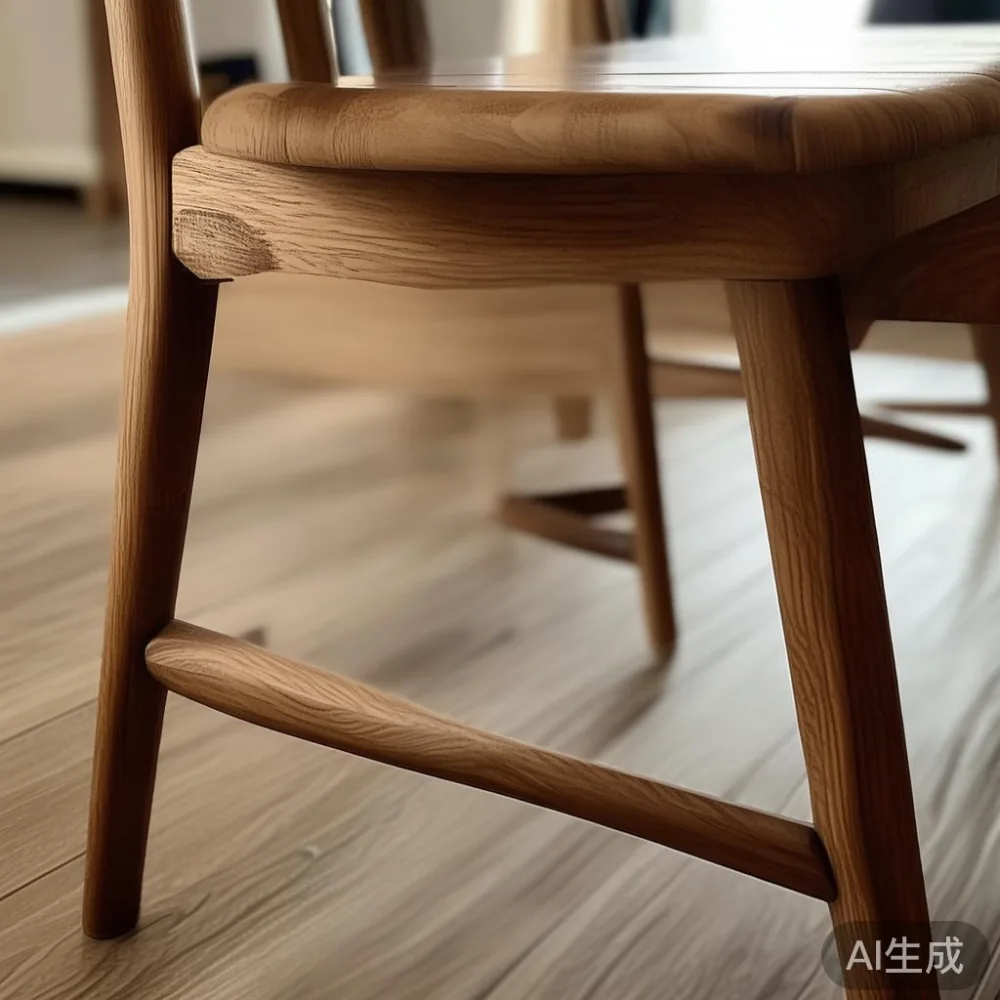
For compact dining spaces, consider dining chairs with a seat width of 42–46 cm, a total width below 52 cm, and a weight of roughly 5–7 kg. Lightweight frames are easier to move between rooms, but the construction should still resist racking. Look for rear legs that flare outward, a stretcher positioned about 18–22 cm above the floor, and joints that remain tight after 20–30 cycles of daily use.
How can I prevent humidity damage to my dining chairs?
Begin by measuring the room rather than guessing. Use a small hygrometer placed near the dining area for at least 7 days. Record the lowest and highest readings, and note whether the percentages change sharply when windows and doors are opened. If the range is wider than 20%, improve ventilation, redirect air-conditioning vents, and keep dining chairs away from damp entry mats or balcony doors.
Do not place wet umbrellas, drinks, or laundry directly beneath a dining table. Use a coaster with a diameter of at least 10 cm under every water glass, and wipe spills within 5 minutes. A dining table with a lacquered or oiled surface should be wiped dry rather than repeatedly soaked. The same care applies to a nightstand beside a bed, a marble table near a drinks cabinet, and a wardrobe near an ensuite.
For a furniture showroom or interior designer researching 2026 European light luxury furniture, controlled indoor conditions remain as important as the visual style. French light luxury, American light luxury, and post-modern light luxury interiors often use pale timber, upholstered seating, and refined natural finishes. Pale wood shows water rings and movement lines clearly, so humidity monitoring is particularly useful in a bright HDB dining corner with 2–3 hours of afternoon sun.
One rule I would give every household is simple: aim for roughly 45–65% relative humidity near solid wood dining chairs and avoid rapid changes greater than 10% in a single day. That range is practical for most occupied Singapore interiors, although historic buildings and coastal properties may require closer supervision. If a chair feels damp or develops a musty smell, move it to a dry area and allow 24–48 hours for the wood to return towards its normal moisture level.
What are the signs that my dining chairs need attention?
Look for a seat that no longer sits level, a gap of more than 2 mm appearing at a mortise-and-tenon joint, or a rear leg that shifts when the chair is lifted by its backrest. A chair that rocks on a level floor may have a loose stretcher, an uneven floor, or a joint beginning to loosen. Check all four feet with a 60 cm spirit level before adjusting anything.
Small surface changes are not always signs of defective construction. A fine line on a 2 cm wide oak edge can appear as the board expands. The more serious warning signs are deep cracks longer than 10 cm, split joints, mould growth, a persistent damp smell, or a backrest that feels loose under normal pressure. Stop using the chair if a crack reaches a structural joint, and contact the supplier before making DIY repairs.
MIDHILL offers lifetime refinishing for qualifying purchases. During refinishing, our team can assess moisture damage, straighten components where appropriate, and restore the original finish. Customers should keep the order record and photographs of the chair because finish wear, accidental breaks, and water damage can have different warranty conditions. The 14-day return policy allows an in-person inspection within 14 days of receipt, subject to the stated return requirements.
Buyers comparing a European light luxury sofa vs French provincial sofa may also ask about timber frames, although upholstery introduces its own moisture considerations. For the dining room, the comparison is more useful when the chair proportions, timber species, and joinery are checked. A French provincial silhouette may use turned legs and a shaped crest rail, while a post-modern design may use cleaner geometry. Both can perform well if the wood is seasoned and the joinery is correctly sized.
Does a humid climate affect solid wood dining tables and other furniture?
Yes. A dining table may expand across its width as the grain takes up moisture, and a 3 cm thick top can show cupping if only one face is sealed. Dining chairs usually move less dramatically because their components are smaller and lighter. A well-built dining table may show no obvious gap at its joints, while a poorly sealed top can develop a wavy reflection under 500 lux of lighting.
The same principle applies to a bed frame, especially if its slats sit close to a bedroom wall and the air-conditioning operates overnight. A wardrobe near a bathroom requires more ventilation because repeated moisture exposure can affect doors, drawer runners, and veneer edges. If you are considering the best Boho wardrobe for 2026, allow at least 5 cm behind the carcass for airflow and verify that the supplier has tested door operation at approximately 60% relative humidity.
For anyone asking whether is Mid-century modern wardrobe worth it, the answer depends partly on the local environment. Mid-century lines often use large panels, so stable construction, durable hinges, and controlled finishing matter. A solid wood sofa should not sit permanently beside an open window, and a nightstand should be moved 10 cm away from an exterior wall if condensation appears. A marble table needs a stable base and proper support because its apparent hardness does not protect it from frame movement.
Free delivery is available for orders above US$350, although the amount should be converted to SGD at checkout because the final bill is calculated in Singapore dollars. Singapore GST is typically 9% and may be shown separately depending on the checkout format. Delivery often takes 7–14 days, while production of a made-to-order dining set can require 30–45 days before dispatch. Allow another 7–14 days for sea freight and local delivery when estimating your renovation schedule.
How do I choose humidity-resistant dining chairs from a solid wood maker?
Ask for the timber species, moisture treatment, finished dimensions, joint construction, and packaging details. A dependable supplier should be able to explain how pieces are dried, acclimatised, and protected for export. For Singapore, request finishes suited to a humid climate and confirm whether touch-up oil or refinishing guidance is included.
Last month I visited a dining set in a Punggol condo with my colleague, and we watched it through a wet week. The homeowner placed 6 dining chairs around a 180 cm solid oak table. The room reading rose from 58% to 79% after the balcony door remained open for 20 minutes, yet the chair joints stayed tight and the tabletop showed no cupping. The key was not simply the wood species: the chairs had narrow components, ventilated placement, and a finish that had been applied on all exposed surfaces.
I also checked a less protected set in a Bedok HDB flat. One chair had been kept beside a laundry rack and developed a dark water ring approximately 4 cm across. After drying, the mark remained visible, showing why a 10 cm coaster and a 15 cm gap from damp walls make sense. That visit reinforced that good design and everyday habits work together.
When comparing options, consider how to style light luxury wardrobe in room layouts as part of the same moisture-control plan. Pale finishes need more frequent wiping, darker finishes can conceal small marks, and open ventilation is useful wherever furniture stands beside a window. For dining chairs, the selection criteria should remain clear: solid timber, stable joints, a comfortable seat measuring 42–46 cm, a weight below 7 kg, and enough space for movement and use.
Ultimately, Southeast Asian humidity does not make solid wood furniture unsuitable for Singapore. It makes responsible care and accurate product construction more visible. MIDHILL has exported dining furniture to more than 15 countries since 2008, and its Foshan production system is designed for demanding climates. With stable joinery, sensible indoor humidity, careful delivery planning, and access to lifetime refinishing, solid wood dining chairs can remain a practical and attractive part of Tampines, Bedok, and Punggol homes for many years. For direct product questions, contact midhillco@gmail.com.