How Humidity in Southeast Asia Affects Wood Dining Furniture
Singapore’s warm, humid climate can change solid wood more than many homeowners expect. In an HDB flat in Tampines or a Bedok condo, dining chairs may sit near an open kitchen, beside a sliding door, or close to a washroom. Moisture in the air can swell wood fibres, soften finishes and leave visible movement marks on seats and legs. Yet humidity does not automatically mean that solid wood is unsuitable. With sensible indoor care, the right timber, sound construction and realistic expectations, dining furniture can remain attractive for many years.
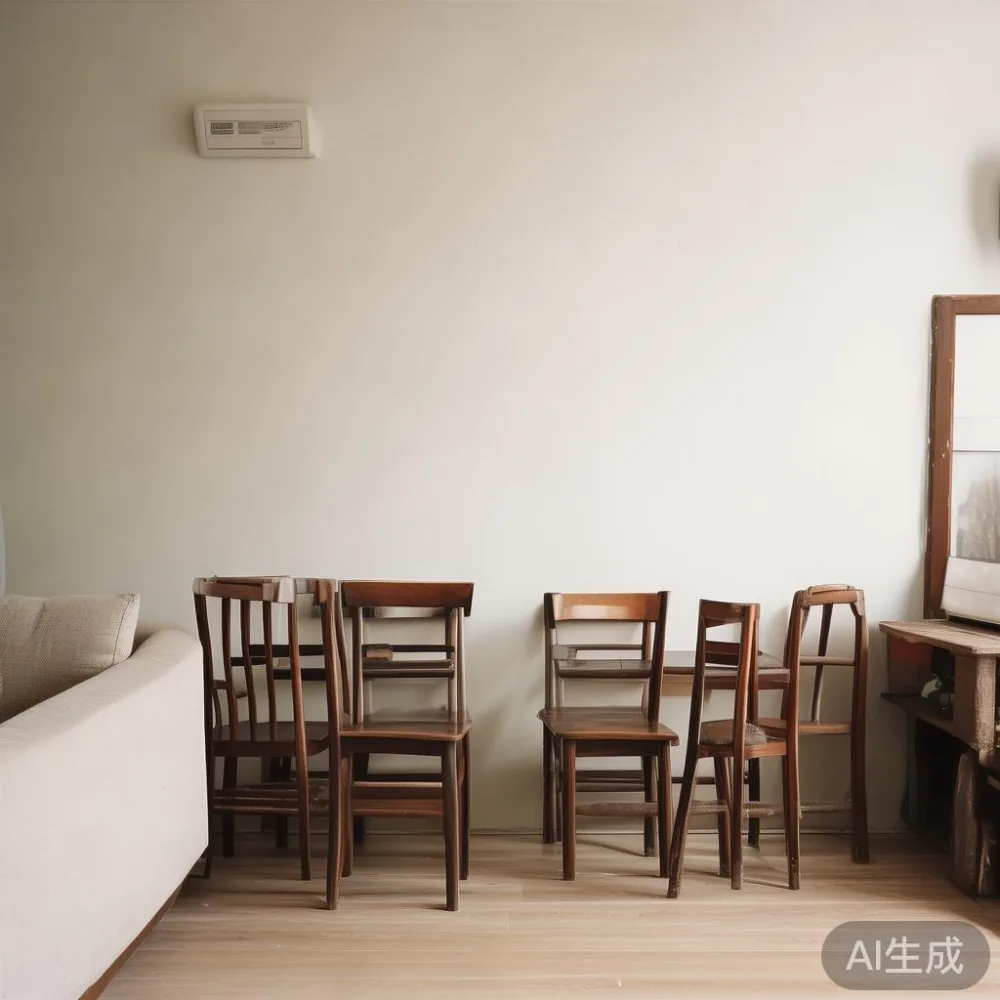
MIDHILL makes solid wood dining furniture for buyers who prefer natural grain, repairable joinery and a light-luxury look rather than disposable pieces. Its factory has operated since 2008 and its furniture is exported to more than 15 countries. For customers in Singapore, practical support also matters: a 10-year structural warranty, lifetime refinishing, free delivery above US$350 and a 14-day return window. The warranty protects the structure; it does not remove the owner’s responsibility to control indoor moisture.
Why does Singapore humidity affect solid wood dining chairs?
Wood is hygroscopic. It absorbs water vapour when the surrounding air is humid and releases moisture when that air becomes drier. A dining chair can therefore widen by roughly 1–2 mm across its width during a severe damp period, then contract as conditions stabilise. Small, even movements are normal. Repeated swings are more likely to open joints, distort backrests or stress lacquer and oil finishes.
Singapore’s annual rainfall is distributed across the year, while northeast monsoon winds can make interiors feel less humid than outdoor weather apps suggest. Coastal exposure, new paint, wet towels, cooking steam, clothes drying indoors and air-conditioning all affect the furniture around one room. Useful control is to keep relative humidity around 40–60%. A inexpensive digital hygrometer placed beside the dining area gives a clearer reading than relying on a general forecast.
HDB dining spaces often appear compact. A common 85–100 cm square dining table may occupy much of a narrow dining bay, with chairs needing about 55–60 cm of clear depth for use. Leaving 10–15 cm between a wall and the back of each dining chair helps ventilation and makes pulling the chair out less likely to scrape the wall. In a condo near East Coast or Punggol, windows may receive stronger sea air, so the same humidity target should be observed even on dry afternoons.
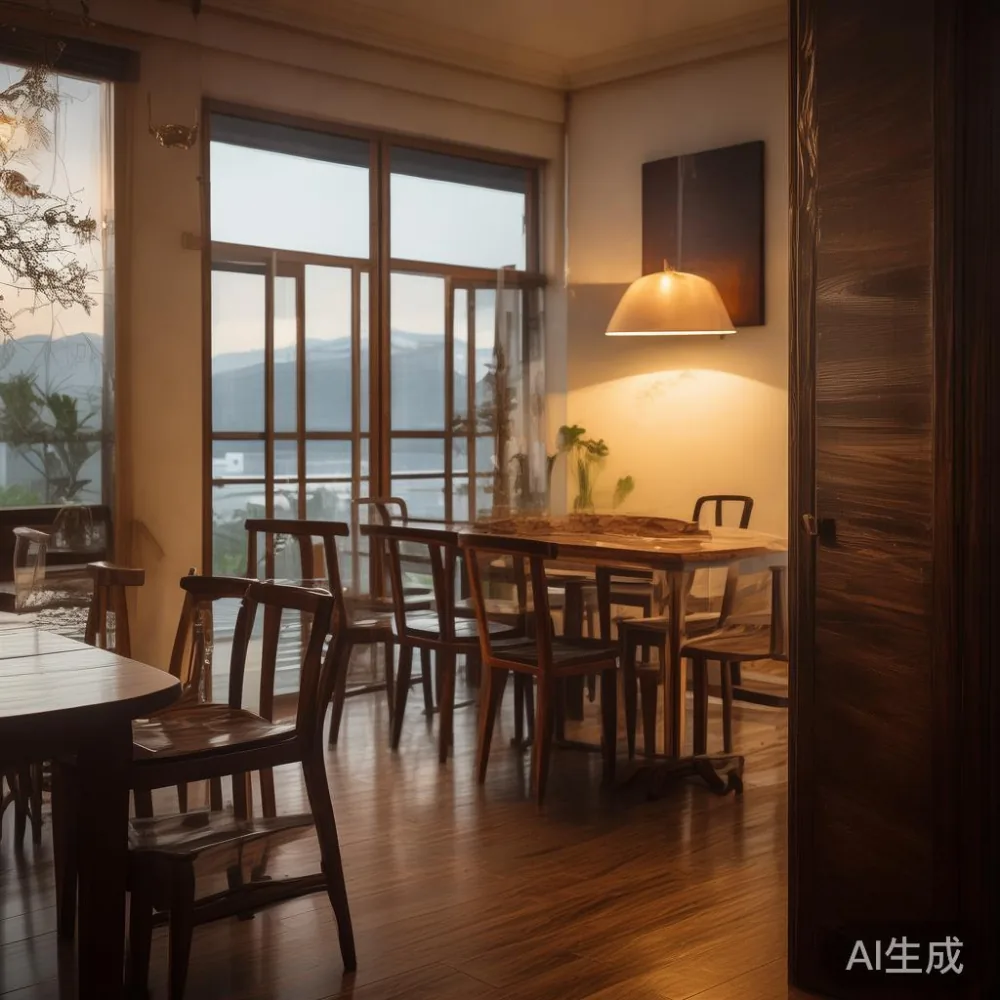
What humidity level should I keep in a Singapore dining room?
Aim for 40–60% relative humidity and avoid long periods above 65%. Below 30%, solid wood can lose moisture and develop fine checks, although an air-conditioned Singapore home rarely stays there for long. More important than one brief spike is stability. Repeated movement from 45% to 75% creates more stress than a stable reading near 58%.
Place the hygrometer at chair-seat height, about 75 cm above the floor, and away from direct sunlight or a vent. Take readings at 8 a.m. and 8 p.m. for 7 days. If the evening result remains above 65%, improve airflow and identify the moisture source. In a corridor dining area, avoid keeping damp laundry, towels or cleaning cloths beside the dining chairs. A tray prevents wet glasses from leaving water rings on a solid wood dining table.
Air-conditioning can lower humidity, but a unit set to 22°C may not prove sufficient if a balcony door stays open. Use doors and windows sensibly, run ventilation after cooking or showering, and clean filters every 3–6 months according to actual build-up. A small dehumidifier may help in a persistently damp corner; check its capacity against the room size rather than assuming every model can treat an entire flat.
Can solid wood dining chairs tolerate tropical conditions?
Yes, provided the chairs are made for indoor use and the wood is finished on exposed surfaces. Kiln-dried hardwood used for chair rails, legs and back supports is generally stable when protected from direct water. Teak is naturally more resistant to moisture, while oak, ash and other hardwoods can also serve well if their movement is designed into the joints.
Last month I visited a family dining area in Tampines to examine 6 dining chairs with visible ring marks around the joints. The family placed wet dish towels beside the sideboard and kept a laundry rack 40 cm from the chair backs. A hygrometer read 72%. After the towels were moved, the room was ventilated for 30 minutes each evening and the reading settled around 57%. The chairs were not treated as damaged solely because they had small surface marks. Cleaning, controlled moisture and an assessment of the finish restored a much more even appearance within 1 week.
Construction still matters. Mortise-and-tenon joints, properly fitted fasteners and gently curved components can accommodate movement better than an assembly that traps every piece tightly. Avoid dragging chairs over tiles. Use felt pads, clean grit from the floor and lift each chair when repositioning it. For compact HDB dining corners, a 46–48 cm width chair with a 42–44 cm seat height can be easier to manage than a broad upholstered model.
Finish type changes the care routine. Hardwax oil leaves a tactile, repairable surface and can often be refreshed without stripping. Water-based lacquer offers a clean appearance and lower odour during application. Neither finish makes wood waterproof. Wipe spills within 5 minutes, use a slightly damp cloth and dry the surface immediately. Coasters should measure at least 8–10 cm, and coasters should not be soaked.
How should I move and store dining chairs in a lift or corridor?
Measure before buying or transporting. Standard residential lift doors are commonly about 80–90 cm wide, while corridor turns can be tighter than their straight measurements suggest. A dining chair with a 48–52 cm width, 50–55 cm depth and 82–90 cm height often turns more easily through an HDB landing, but the building’s rules and exact route still control the result.
Wrap each chair separately in a clean blanket or foam sleeve, secure loose legs and avoid leaving protective plastic against damp wood for more than 24 hours. Deliver to the lobby only after coordinating the booking, because corridors must not be blocked and lift reservations may be needed. Singapore GST and local handling should be confirmed with the supplier rather than calculated from a furniture website in another market.
Allow new furniture to acclimatise for 3–7 days after arrival. Keep the wrapping open enough for ventilation, maintain 40–60% humidity and do not assemble a tightly compressed carton in a warm, wet corner. If chairs must be stored, keep them flat or upright at room height rather than in an unventilated container for 2–3 months.
How do I clean humid-room dining chairs without removing the natural grain?
Start with dust, not water. Use a soft microfibre cloth with a little mild pH-neutral soap diluted in water, then wipe with a clean damp cloth and dry at once. Test an inconspicuous 5 cm section for 24 hours. Do not use vinegar, bleach, ammonia, abrasive pads or concentrated degreasers on solid wood.
If a chair feels damp, increase airflow and lower the source of moisture before applying any product. Oils should not be piled onto a wet surface because they can trap moisture. Re-oil only when the finish looks dry or patchy, following the product instructions. Allow furniture wax or oil to cure for 24–72 hours before seating it daily.
For owners comparing design directions, French light luxury often works through pale upholstery, slim profiles and restrained decoration. American light luxury tends to use deeper tones and more generous proportions, while post-modern light luxury can mix clean lines with warmer timber. These styles do not change the humidity rule: solid wood sofa, bed frame, dining table, wardrobe, nightstand and marble table surfaces should all be protected from standing water.
A broader shopping question sometimes turns up in interior searches: is Japanese sofa worth it for a Singapore room? The answer depends on comfort, dimensions, fabric maintenance and ventilation rather than nationality of design. In a study, a low sofa needs about 85 cm of usable depth and 8–10 cm clearance for cleaning. Similarly, the query how to style Japandi bed in room is mostly about balance: a 150–180 cm bed against a 3.2–3.6 m wall needs sufficient circulation, while low-humidity storage protects the timber underneath.
Guest-room planning brings another short phrase into real use: Vintage for guest room. A vintage chair can be visually strong but may need closer inspection of joints, old finishes and moisture stains. Vintage furniture should be air-dried and checked before it joins new dining chairs. Avoid mixing untreated vintage wood with newly finished pieces in the same closed cabinet, because their moisture requirements can differ.
What delivery, price and warranty details matter for Singapore buyers?
Confirm the final delivered price in SGD, including GST, lift service and any stair carry. An imported dining set may cost from SGD 1,200 to SGD 4,500 depending on timber, chair quantity, finish and complexity; a single replacement dining chair may range from SGD 280 to SGD 850. Delivery to Singapore commonly requires 14–30 days after production and clearance, but custom finishes can add 7–14 days. Ask for a written dispatch estimate rather than relying on a general production promise.
A 10-year structural warranty gives useful confidence, but humidity control remains necessary. Lifetime refinishing is valuable when a surface needs attention, although it may cover labour and not include transport, coatings or treatment of water damage. Keep photographs of arrival, measurements and any marks within 7 days. Check door dimensions before delivery and retain packaging for 14 days if returns may be necessary.
MIDHILL dining table wholesale is a separate commercial route from retail household orders. For restaurants and project buyers, ask about timber moisture targets, batch consistency, replacement parts and packaging. A dining chair order of 24 pieces may cost roughly SGD 2,800–SGD 9,600 before shipping and GST, so a sample chair is sensible. A supplier quote should distinguish table, chair, marble table and other components rather than hiding them in one unspecified package.
Another practical comparison is European light luxury sofa vs Nordic sofa. European light luxury models may use firmer cushions and more formal detailing; Nordic sofas often favour softer forms and pale textiles. Neither category should be placed where wet mops regularly travel. The same applies when checking a coffee-table project: MIDHILL coffee table options should have sealed ends, stable joinery and enough clearance from damp walls.
Humidity management works when it becomes part of the room’s routine. Keep the dining chairs away from open water, measure moisture, wipe spills quickly and avoid abrupt wet-dry cycling. In return, natural grain, solid joinery and a carefully chosen light-luxury profile can remain part of daily life in Tampines, Bedok, Punggol and other Singapore homes for many years.