How Southeast Asian Humidity Affects Solid Wood Dining Furniture
Singapore’s warm, humid climate can change solid wood faster than many owners expect. In HDB flats and private condos across Tampines, Bedok and Punggol, dining chairs may sit near windows, air-conditioning vents or poorly ventilated dining corners. Repeated swelling and drying can open fine joints, soften finishes and leave seats that no longer feel stable. The issue is not simply that wood dislikes moisture; it is that changing moisture causes unequal movement across grain direction, edges and joinery.
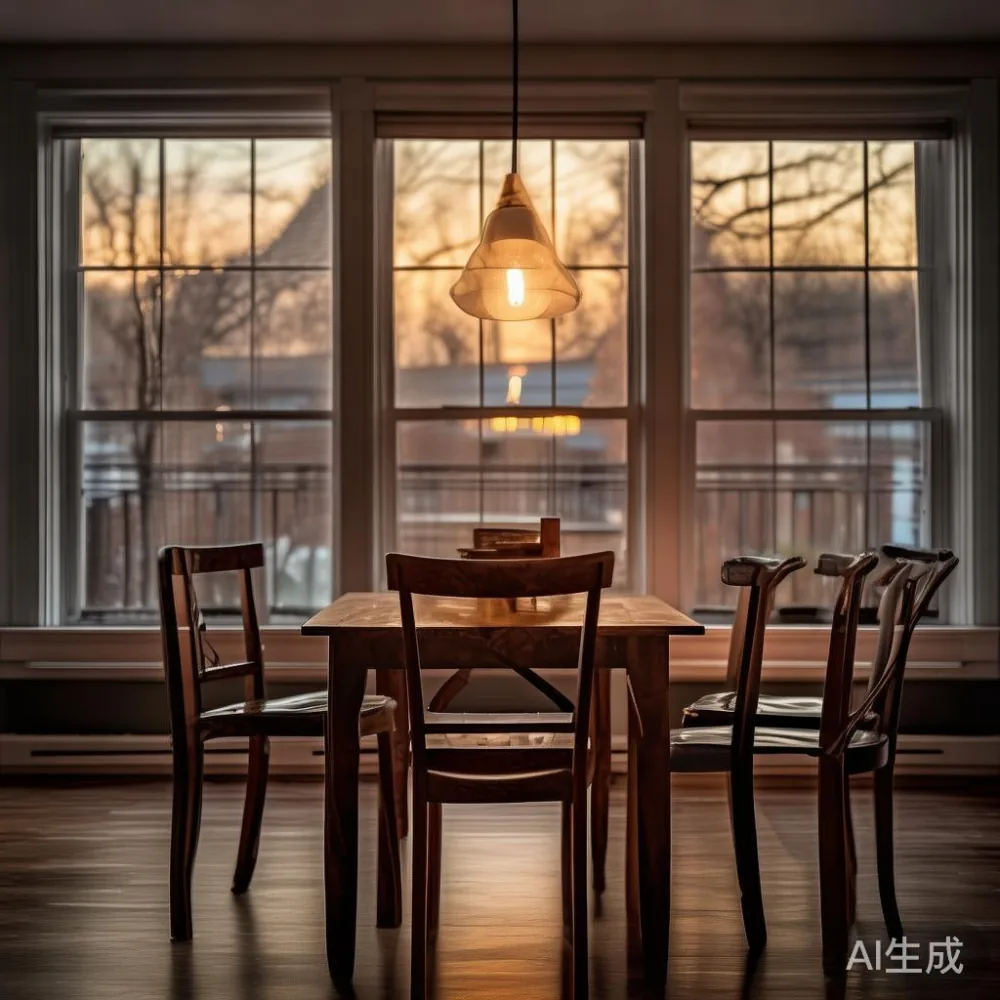
Last month, I visited a family dining area in a 24-year-old Tampines HDB flat. The owner had wiped the solid oak dining chairs every morning for 18 months. The cloths were damp, the side panels had pale patches, and two chairs developed slightly uneven legs. We moved them away from a 90 cm-wide service balcony door, dried them under airflow at 28% relative humidity for 7 days, and lightly re-oiled the surfaces. The improvement took 3 weeks, but it showed why wiping routine and humidity control matter more than aggressive cleaning.
MIDHILL makes solid wood furniture for buyers who want practical European light luxury rather than temporary décor. Its dining chairs use kiln-dried timber, joinery designed for dimensional movement and finishes intended for daily household use. Understanding how local humidity acts will help you protect those pieces while preserving their warmth and natural grain.
What is the ideal humidity level for solid wood dining furniture?
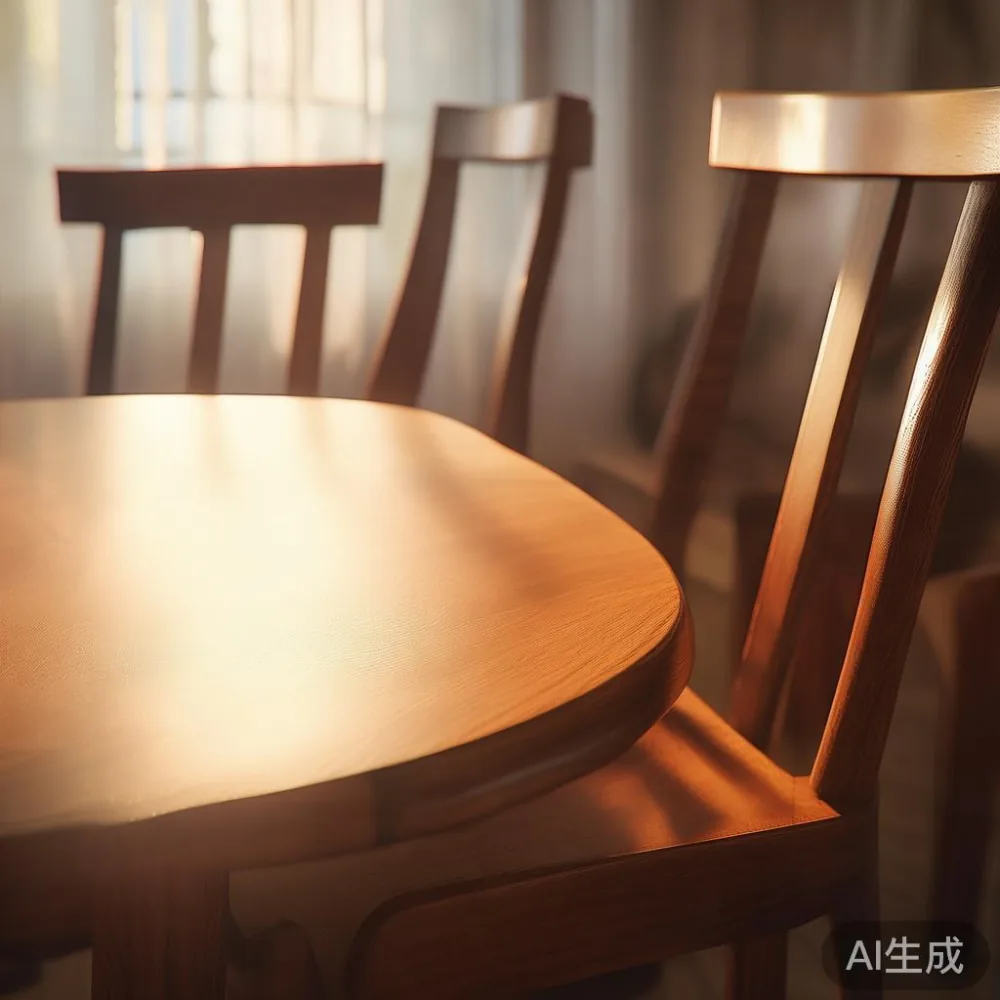
For most indoor solid wood furniture, aim for 45–55% relative humidity, with room temperature around 22–27°C. This range is a useful target, not a guarantee against movement. Southeast Asian weather can push outdoor readings above 80%, while air-conditioned interiors may fall to 35% when systems run continuously.
Wood does not move at one rate in all directions. Along the grain, seasonal change may be modest; across the grain, the same oak, ash or rubberwood panel can expand noticeably more. A dining chair seat may gain or lose 1–3 mm across its width as humidity changes, while a wide solid timber dining table top may move several millimetres along one edge. That movement can look alarming if the surface is rigidly glued or fastened, but properly designed joinery allows small dimensional changes.
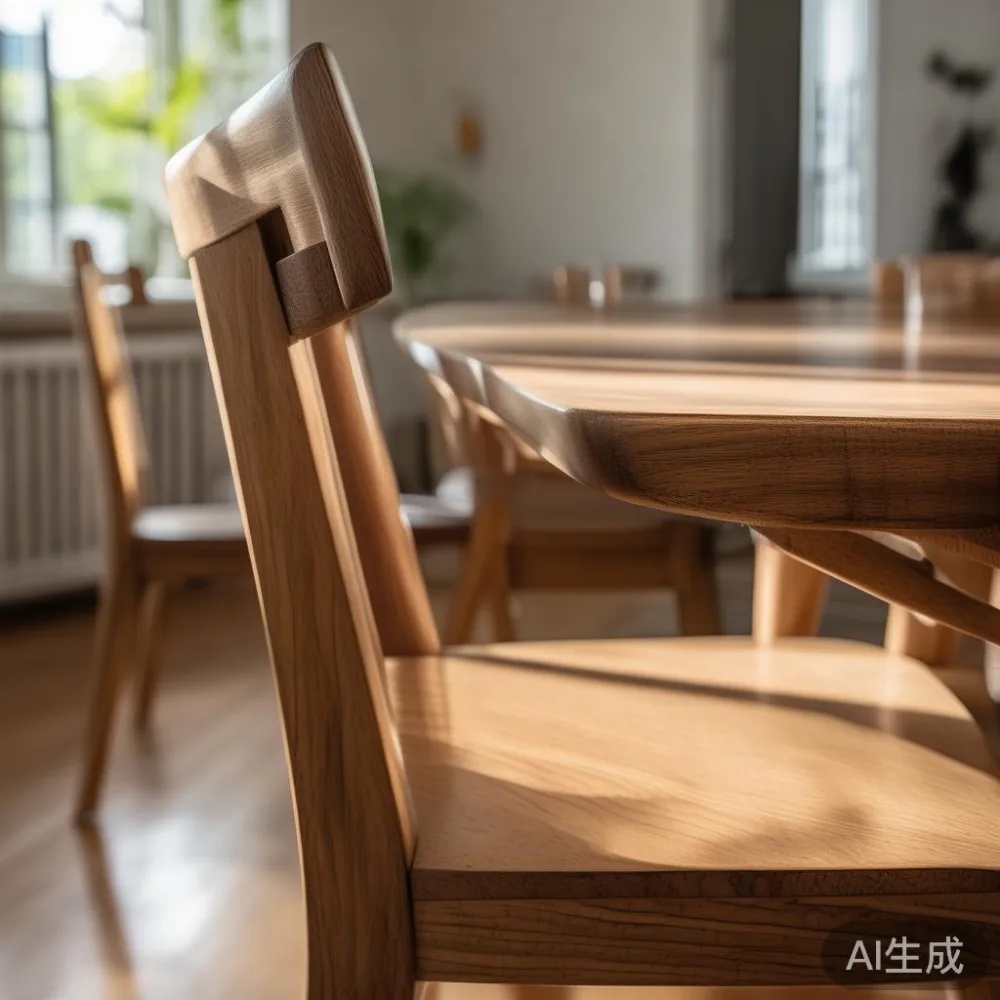
Measure rather than guess. A small digital hygrometer generally costs SGD 15–40 and can be placed beside the dining area for 7 days. Record readings at breakfast, lunchtime and bedtime. If the display remains below 40% or above 65%, adjust the room before adjusting the wood. A dehumidifier may keep a bedroom or enclosed dining alcove near 50–55%; in a frequently opened dining area, ventilation and stable air-conditioning are often more practical.
How humidity moves through Singapore HDB flats and condos
Singapore receives abundant rainfall throughout the year. Heavy periods can raise humidity quickly, particularly before and during monsoon periods. At the same time, west-facing Tampines and Bedok units can heat up in the afternoon, while air-conditioned Punggol condos may become very dry at night. The combination of warm, moist outdoor air and cool interior surfaces creates repeated moisture cycling.
Location inside the home matters. Keep dining chairs at least 60–100 cm from open windows, balcony doors, bathroom openings and kitchen steam. Avoid placing them directly beneath an air-conditioning vent, where airflow can dry one side faster than the other. A stable position is preferable to a spot that is damp in the morning and sun-warmed at noon.
Common HDB lift and corridor dimensions add another local constraint. Many residential lifts offer an internal depth of about 130–160 cm, a door opening near 90 cm and a width around 110–140 cm. A boxed dining chair should have a width below 60 cm, a depth below 55 cm and a height below 100 cm, although individual models vary. If a model cannot enter the lift upright, check the stairwell turning space and whether the back or seat can be removed without damaging its fittings.
Corridors may be only 120–180 cm wide, so a chair carried broadside can strike a wall, sprinkler pipe or neighbour’s delivery. Measure the narrowest point before the furniture leaves the supplier. At home, protect doorframes with cardboard and use a 2-person carry for pieces above 15 kg. Lightweight dining chairs may weigh 6–11 kg each, while reinforced timber chairs can reach 12–16 kg.
Which Southeast Asian humidity problems affect dining chairs?
1. Joint movement and loose joints. As the seat panel expands across the grain, it can press against rails or dowels. If moisture changes too quickly, glue lines may weaken. Chairs with through-tenons, mortise-and-tenon joints or mechanical fasteners generally tolerate movement better than a panel trapped inside a rigid frame. Inspect for gaps wider than 2 mm, rocking of more than 3 mm, or a creak when weight is applied.
2. Surface hazing, mould and finish changes. Prolonged dampness can leave a cloudy film on lacquered or oiled timber. Lift the seat pad and inspect the underside, where moisture lingers longer. Use a dry microfibre cloth for routine care; do not repeatedly soak the surface with a wet mop. If a wipe leaves a visible wet trail, allow the chair to air-dry for 20–30 minutes before using it.
3. White lines and checking. Small pale marks along the grain can appear when a damp cloth catches on raised fibres. They are often superficial, but deeper checks can trap residue. Dry the chair, wait at least 24 hours, and avoid sanding before determining whether the coating or the timber is affected.
4. Metal fastener corrosion. Humidity can rust a poorly protected screw head and stain the surrounding wood. This risk rises near coastal air and in frequently damp rooms. Loose fittings should be tightened only after the timber is stable; over-tightening during expansion can split a rail or seat.
Do not confuse all marks with humidity damage. Direct heat, silicone cleaner, sunlight and abrasive wiping can produce similar symptoms. Test an inconspicuous area for 10 minutes, compare it with the untouched section, and avoid household bleach or ammonia on an unidentified finish.
How should I care for solid wood dining chairs in a humid climate?
Use a three-part routine: control the room, clean gently and inspect the joints. Vacuum or dust with a soft brush every 1–2 weeks. Wipe once a week with a slightly damp cloth, wrung out until almost dry, then follow with a clean dry cloth. Never leave pooled water around the feet or beneath seat pads. Food spills should be removed within 15 minutes.
Keep leather or upholstered dining-chair pads away from standing moisture and direct sunlight. Where the supplier allows, lift the pad and air the timber beneath for 1–2 hours. Do not place wet umbrellas, water bottles or damp towels on the seat. Coasters and placemats should sit fully beneath hot dishes; a dinner plate may measure 26–30 cm, while a broad serving bowl can exceed 38 cm.
For uncoated or oil-finished wood, refresh the approved maintenance oil only when the surface feels dry rather than on a fixed monthly schedule. Follow the product instructions and test a small area for 24 hours. Solvent-based cleaners can strip oil or alter sheen, especially around pale oak. A damp-wood treatment is different from a household damp wipe: the timber should not look wet after application.
Position chairs where air can circulate without exposing them to abrupt temperature changes. If a dining corner is next to a balcony, curtains or vertical blinds can moderate direct sun but should not seal the furniture against the wall. Leave roughly 5–10 cm of ventilation space where the design permits. In a compact HDB dining area, choosing slim dining chairs with a clear width of 45–50 cm can improve circulation while leaving a 75–90 cm route from the flat entrance to the dining zone.
Can air-conditioning protect dining chairs from humidity?
Air-conditioning helps by removing moisture and stabilising temperature, but its effect depends on usage. A room maintained near 24–26°C and 50–60% relative humidity is preferable to one repeatedly switched between a humid daytime and a cold overnight setting. If condensation appears on a nearby glass surface, the air is still carrying excess moisture even though the room feels cool.
Run the system for regular periods rather than only when the room feels hot. Short cycles can cool the air without removing enough moisture, while prolonged operation may drive the room below 40% relative humidity. Dry air is not harmless to wood: it can open shrinkage checks and tighten joints. A hygrometer remains useful even with air-conditioning because a thermostat displays temperature, not humidity.
For a dining corner enclosed by a dry wall, a modest dehumidifier may be more consistent than chasing room-wide humidity with the main air-conditioner. Check the device’s rated room coverage, drain arrangement and noise level. Place it with clearance around the intake and outlet, normally at least 20–30 cm where the manual specifies. Empty a tank or verify a continuous drain before leaving it unattended overnight.
Condo owners should also account for afternoon heat. West-facing glass can create a surface temperature above 32°C, even when the room sensor reads 27°C. Shade reduces the number of heating and cooling cycles, which in turn reduces moisture swings. Avoid moving a dining chair between a sunlit balcony and an air-conditioned room every meal; repeated movement adds stress beyond the normal humidity cycle.
How can I tell whether a dining chair is solid wood and built for humid conditions?
Ask for the timber species, moisture content at packing, joinery type, finish composition and care instructions. Solid wood can include oak, ash, beech, walnut, rubberwood and other species, but one name does not tell you the whole story. Confirm whether the visible chair is solid timber, veneer over engineered timber, or a mixture. Weight can provide a rough clue: a substantial solid wood dining chair may weigh 7–12 kg, but design and timber density make this unreliable on their own.
For humid regions, request a documented moisture-content figure around 8–12%, measured before packing. The number should relate to the intended indoor environment rather than being presented as permanent protection. Also ask whether the supplier permits a few days of acclimatisation. A chair delivered into a cool, dry condo may need 5–7 days to settle; one delivered into a warmer unit may require 10–14 days.
Assess how the chair is assembled. Good dining chairs allow the seat and rails to move by fractions of a millimetre while keeping the legs and back secure. Avoid products whose seat is glued into a frame with no accommodation for cross-grain movement. Check that every foot is level, the backrest does not flex excessively and the fixings can be serviced without replacing the whole chair.
MIDHILL was established in 2008 and exports to more than 15 countries, with a 10-year structural warranty. Its lifetime refinishing policy gives owners a route for restoring surfaces rather than discarding a piece after a difficult year. For Singapore shoppers, orders above US$350 qualify for free shipping under the supplier’s stated delivery offer, although the final Singapore quotation should be confirmed in SGD because freight, GST and destination charges may affect the payable total. Returns are accepted within 14 days, subject to the published conditions.
Should I buy furniture online or inspect it before delivery?
Inspection helps, but online purchasing remains practical when specifications, tolerances and policies are clear. Ask for photographs of the actual chair from the front, side, underside and joint close-ups. Check the packed dimensions against your lift and corridor. A dining chair boxed at 65 × 60 × 105 cm may not pass a 90 cm lift doorway upright, while a compact parcel at 55 × 52 × 88 cm may fit more easily.
Request realistic delivery timing rather than relying on a general dispatch range. Singapore delivery commonly requires 7–21 days after dispatch, depending on production, freight clearance and the final-mile appointment. A planned lead time of 4–6 weeks is sensible for a made-to-order dining set during a busy renovation. Confirm who handles GST: Singapore’s standard rate is 9%, and the receipt should show the taxable amount and tax separately.
At handover, open the carton in the dining area if possible, inspect all 4 legs and joints, and photograph any transit marks before assembly. Do not discard packaging until the pieces have been checked. If a chair arrives with a distorted seat, retain the shipping label and contact the supplier within the stated reporting window, ideally within 48 hours.
The same care extends to related solid timber pieces. A solid wood sofa or bed frame needs stable humidity, but upholstered cushions and timber frames respond differently to moisture. A marble table top is less vulnerable to grain movement, although its stone, adhesive and support system still benefit from stable conditions. A wardrobe needs airflow around its back and sides, and a nightstand should not be pushed tightly against a cold exterior wall. For compact Singapore interiors, European light luxury for small living room projects work best when scale, not decoration, determines the result.
As a style reference, the best Rustic bed for 2026 can suit a warm bedroom, but a similarly heavy timber frame should not be forced into a narrow HDB room without checking circulation. The MIDHILL European light luxury bed combines a solid timber character with the clean visual language popular in Singapore interiors, though buyers should still compare its actual dimensions with the bedroom door and lift. For hotel projects, Mid-century modern for hotel requires durable surfaces, repeatable finishes and moisture specifications for rooms that switch quickly between outdoor heat and interior cooling.
Some buyers search for cheap French provincial furniture, yet low sticker price alone says nothing about timber moisture control or joinery. Ask about the wood, construction and after-sales support before comparing figures. The same applies when researching how to choose European sofa: upholstery, frame timber, foam density, seam construction and humidity exposure all matter, even if the focus of this guide is dining chairs.
What should I do if a dining chair has already been affected by humidity?
Begin by reducing the cause. Move the chair away from the window or damp wall, remove the seat pad and increase gentle airflow. Use a hygrometer to confirm a stable environment. If the relative humidity is above 65%, bring it gradually toward 50–60% rather than exposing the chair suddenly to fierce air-conditioning or direct fan airflow. Stabilise the timber for at least 72 hours before making repairs.
For light surface haze, dry the wood with a soft cloth and allow it to settle. If residue remains, seek the finish supplier’s approved cleaner. Do not apply oil over damp timber, and do not use a heat gun. Excessive heat can close the surface while moisture remains below it, leading to later peeling.
For a loose joint, stop using the chair until it is secure. A maker can inspect whether the tenon, dowel, screw or rail has moved. In humid conditions, re-tightening may be enough if the timber is stable, but a glue repair should use an adhesive specified for the joint and the expected service environment. Replacing a split rail without understanding the cause will only repeat the problem.
If mould is present, isolate the chair from upholstery and other furniture. Wear a suitable mask and gloves, ventilate the area and use a cleaning product approved for the specific finish; never mix bleach with ammonia or acidic cleaners. For extensive mould, repeated saturation or structural movement, obtain a professional assessment before restoring the chair.
How do I build a humidity-safe dining corner in an HDB flat?
Measure the dining zone before ordering. A compact table with a 100–120 cm width may suit four diners in a 90–110 cm corridor-adjacent nook, while a 140–160 cm table needs more elbow and chair-pull space. Leave about 75 cm behind each seated person where possible and 90–120 cm along a main route. Tight circulation can lead to scraped chair backs and unstable movements, adding stress that resembles humidity damage.
Use a hygrometer for the first 30 days, then check it during wet and dry periods. Keep readings ideally within 45–55%, with brief seasonal excursions tolerated if the chair construction is sound. Add shade, improve door sealing and arrange furniture away from vapour sources. Refinishing every 2–4 years may be suitable for a well-protected oiled surface, but frequency depends on use, finish and cleaning rather than the calendar alone.
Finally, consider the whole room’s purchasing plan. A dining table, dining chairs, wardrobe, nightstand, solid wood sofa, bed frame or marble table each responds to the same climate in different ways. French light luxury, American light luxury and post-modern light luxury can all work in Singapore when proportions, timber specifications and maintenance are handled with restraint. Pale finishes show dust and damp-hand marks more readily, while darker grain can disguise minor colour variation. Whatever the style, stable indoor conditions, careful cleaning and sound joinery will protect furniture for many years rather than a single rainy season.