How to Care for Lacquered Dining Chairs in Singapore’s Tropical Climate
Lacquered dining chairs can stay elegant in Singapore’s heat and humidity, but the finish needs a considered routine. A dining table may be wiped down after a 32-person meal, while a lacquered chair back can collect fingerprints from a 7:30 a.m. commute, condensation from a chilled drink, and salt from the air. Care is less about constant polishing and more about controlling moisture, heat, friction, and time.
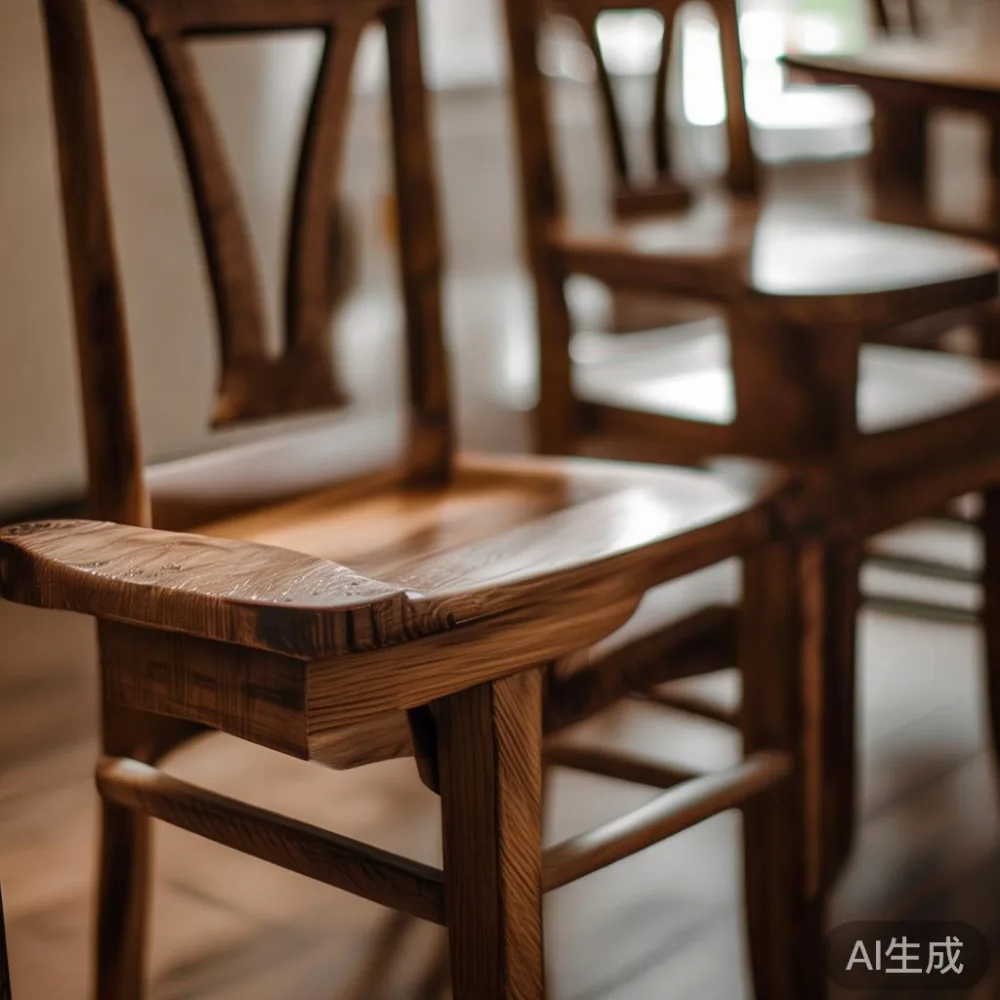
At MIDHILL, our dining chairs are made with an emphasis on solid wood construction and lasting repairability. For Singapore homes, lacquer protection is especially relevant in HDB flats and condos across Tampines, Bedok, and Punggol, where compact dining areas, warm kitchens, and filtered but humid air place furniture under frequent use. The correct cloth, the correct interval, and the right response to a mark make a visible difference over 10 years.
Why does lacquer need special care in Singapore’s climate?
Humidity changes the movement of wood. Lacquer is a protective coating, but it is not a waterproof membrane. A chair placed beside an open kitchen window can experience condensation, while one near an air-conditioning vent may alternate between cooler and warmer surfaces. The finish can develop haze, fine cracks, or slight dulling if moisture and heat act together.
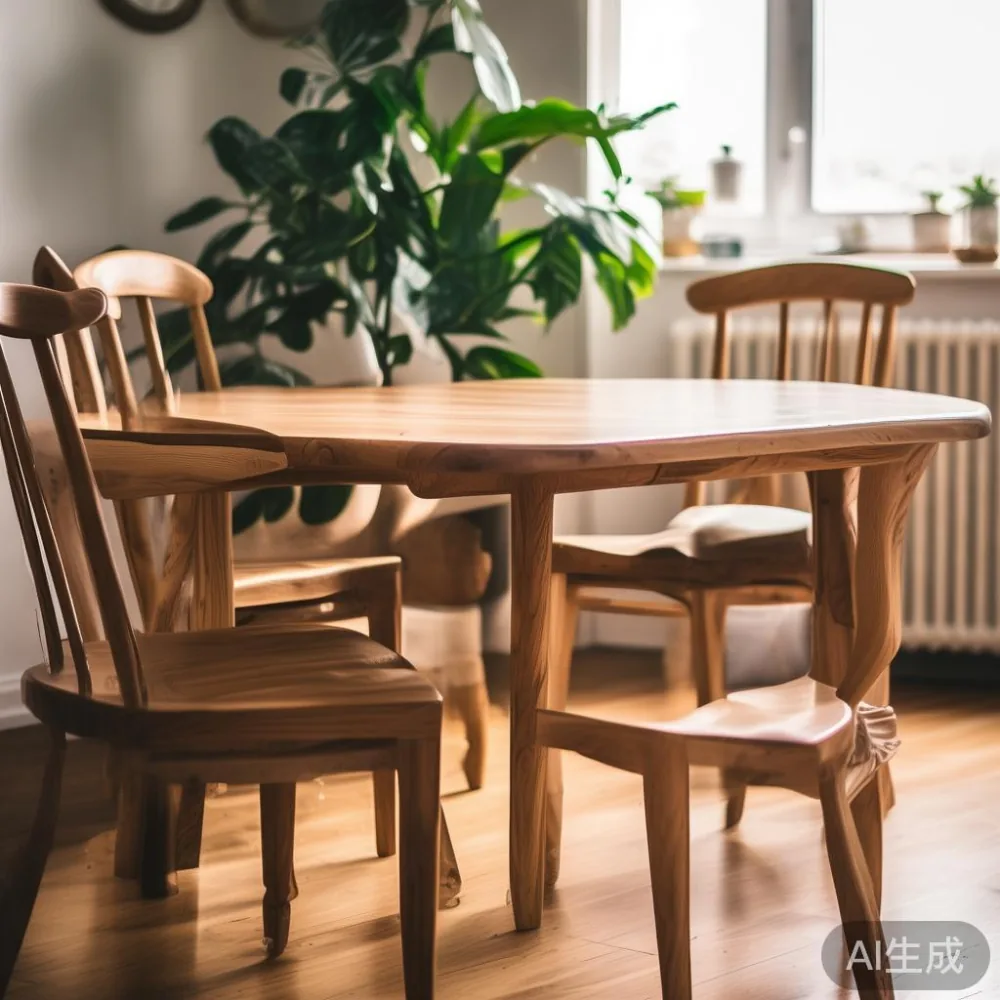
Singapore’s relative humidity commonly ranges from roughly 65% to 90%, and indoor surfaces can exceed 30°C during the afternoon. Water rings may form when a glass of ice water is set directly onto a lacquered armrest or seat edge. Direct sunlight adds another risk: ultraviolet exposure can fade colour before the structural timber below shows any weakness.
Good care addresses 4 factors: moisture, heat, friction, and abrasion. It does not require specialist machinery or an aggressive chemical treatment. In most homes, a 10-minute weekly wipe and a monthly inspection are enough when chairs are not exposed to rain or cooking mist.
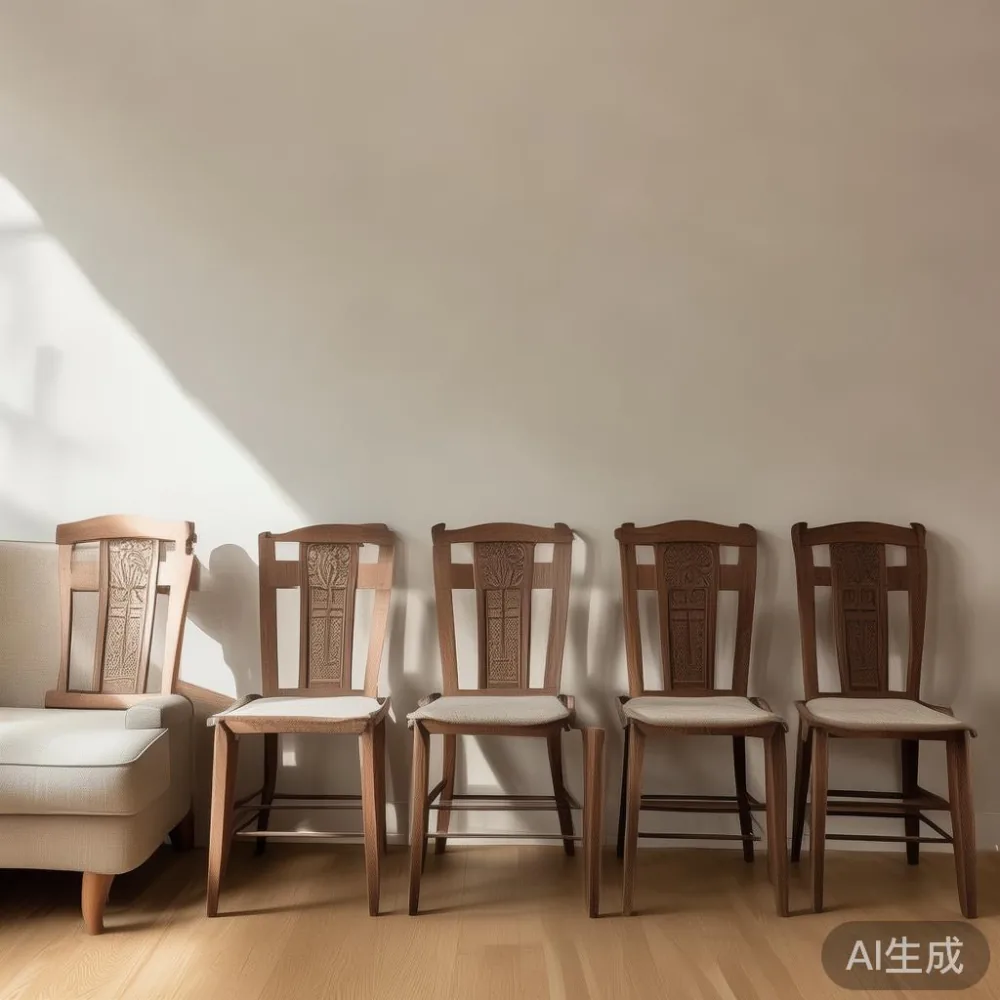
What should I use to clean a lacquered dining chair?
Choose a soft, lint-free microfibre cloth and a small amount of mild dish soap diluted in warm water. Mix about 1 teaspoon of soap with 250 ml of water, dampen the cloth, and wipe the lacquer in light circular motions. The cloth should be damp, not dripping. Dry immediately with a separate clean cloth.
For ordinary fingerprints, use a barely damp cloth and follow with a dry one. For sticky residue, check the product care instructions before applying anything stronger. Isopropyl alcohol at 70% can help with some marks when used sparingly, but test it on a hidden 5 cm area first and wipe along the grain. Avoid acetone, paint thinner, abrasive cream, ammonia-based cleaners, and household sprays containing bleach.
Silicone-based dust sprays can leave a greasy film. Wipe them away promptly with the diluted soap solution. A clean cotton cloth is useful for final buffing, provided it has no printed pattern or loose fibres.
Never place a damp cloth over the entire seat and leave it there. Prolonged exposure can allow moisture to collect below the lacquer at joints and edges. Never use a hairdryer at close range, even for 30 seconds; concentrated heat can soften or cloud the coating. If the finish feels tacky, stop using solvents and contact the supplier.
How far should dining chairs sit from heat and sunlight?
Keep lacquered dining chairs at least 60 cm from a window with direct sun and 90 cm from a gas hob or induction cooking zone. Steam and hot air can travel farther than expected, particularly in an open kitchen. A distance of 1.5 m from a south-facing window is sensible for a sunny Tampines unit, while a Punggol condo with west-facing glazing may need a blind or sheer curtain.
Air-conditioning is helpful because it lowers humidity and surface temperature, but avoid directing vents straight at the chair backs. A chair moved into a 22°C room from a 31°C corridor can experience a quick change in condensation. Let it acclimatise for 15 minutes before wiping.
For homes with polished concrete floors or tiled dining areas, use a felt or cork pad under each leg. Add 2 mm rubber glides if the lacquered base risks sliding. Rubber protects the finish and reduces noise for neighbours during late-night meals.
What is the safest way to remove a stain or water ring?
Start with the mildest treatment. A fresh water ring often disappears after one wipe with a clean microfibre cloth and a 60-second dry buff. If it remains, use the diluted soap method and dry with light pressure. Avoid scrubbing; 10 to 15 gentle strokes are usually sufficient.
For a mark caused by a felt-tip pen, use a cotton swab barely moistened with 70% isopropyl alcohol. Work from the outer edge toward the centre so the pigment does not spread. Test on the underside or rear leg first. For grease, a 5-minute dwell with diluted soap followed by a clean damp cloth can lift the residue.
Do not stack chairs directly on top of one another without protection. Felt pads between frames reduce scratches, but a loose pad can slide and collect grit. Store dining chairs upright in a dry room with 40–60% relative humidity where possible. In a humid utility area, place them at least 10 cm away from the wall so air can circulate.
How often should lacquered dining chairs be maintained?
A practical schedule fits most Singapore households. Wipe the seat, back, arms, and legs once a week. After meals involving oily food, wipe the relevant areas with a lightly damp cloth. Inspect monthly for dull patches, hairline scratches, lifting at the edges, or stickiness. Deep-clean no more than once every 3 months unless there is a specific spill.
Do not apply furniture polish unless the lacquer manufacturer recommends it. Some traditional products contain silicone, wax, or oil that changes the sheen and can make future cleaning harder. If a polish is approved, use a barely visible amount on a 10 cm test area and allow 24 hours before judging the result.
Conditioning the underlying wood is not the same as caring for lacquer. Oils absorbed by exposed wood will not repair a scratched topcoat. If a chair has been lightly used for 5 years and the lacquer remains sound, annual inspection is enough. With 2 children in the household, weekly cleaning and quarterly edge checks are more realistic.
Can damaged lacquer be repaired without replacing the chair?
Small marks may be treated at home, while deep cracks, peeling, or widespread dulling require professional assessment. Photograph the affected area under daylight, measure the damaged section with a ruler, and record its length in centimetres. Clear images help a supplier determine whether refinishing is practical.
MIDHILL offers lifetime refinishing for eligible pieces, supported by a 10-year structural warranty. The structural warranty covers the timber and construction; it should not be assumed to cover accidental lacquer damage, heat damage, or misuse. Refinishing can restore the surface, although the final shade may vary slightly because wood absorbs stain differently with age.
Ask about refinishing before attempting a colour-matched paint touch-up. A household enamel can look close under warm bulbs but obvious in daylight. For a dining set, refinishing 2 matching chairs at the same time can also reduce colour variation.
Is lacquer or solid wood easier to maintain in a humid apartment?
Lacquer offers a more sealed, wipeable surface than unfinished solid wood, making it practical for an active dining area. The trade-off is that scratches can become visible if the coating is breached. Unfinished wood may show patina more easily, yet it can also absorb water quickly and become blotchy. The answer depends on discipline, not on a universal material rule.
Solid wood sofa, bed frame, dining table, wardrobe, and nightstand designs all use timber differently. A lacquered dining chair, however, has frequent contact with hands, clothing, bags, and spilled drinks. Post-modern light luxury often relies on clean profiles and tactile finishes, so careful surface care supports that appearance rather than undermining it.
French light luxury and American light luxury share a preference for pale, calm tones that reveal marks readily. If the dining chairs sit beside a French light luxury sofa, use separate cloths for upholstery and lacquer to avoid transferring dye. For anyone comparing a light luxury bed vs Modern bed, note that furniture finishes should be cleaned according to their own material rather than treated as one category.
How do I fit lacquered dining chairs into a compact Singapore home?
Measure the dining zone before ordering. For 4 dining chairs, allow at least 120 cm by 100 cm around a 140 cm dining table, with 90 cm of circulation space from table edge to wall or another large obstacle. Check the route from the lift to the dining area, including door widths, corridor turns, and the turning space at the landing.
A standard lift door may measure 90 cm, while some service lifts offer 110 cm. A dining chair with a 48 cm width and 82 cm height can pass through many common openings, but angled frames may need temporary cushion removal. Ask the supplier for the assembled dimensions and weight of each chair; a chair weighing 6 kg is easier to manage through a corridor than one weighing 9 kg.
For HDB dining corners, slim dining chairs save floor area, while curved backs reduce snagging in a narrow route. French light luxury styling can be achieved with warm neutral upholstery, restrained profiles, and a round or oval dining table, but the chair finish should still suit daily use. A guide to how to style light luxury sofa in room can use the same tonal approach without crowding a 45 m² flat.
Storage matters too. Avoid an open balcony rack exposed to rain. If dining chairs must live there, wrap them in breathable cotton and keep them below a waterproof cover with at least 5 cm of ventilation space. For wardrobes, a guide to how to style Japanese wardrobe in apartment demonstrates how light-toned storage can keep a compact dining area visually calm.
What should I check before buying lacquered dining chairs?
Ask for the lacquer type, cleaning instructions, repair scope, and measured specifications. Confirm whether the seat and back are solid timber, plywood, upholstered, or combined. A dining chair listing should state dimensions in cm and weight in kg rather than relying on vague size labels.
Check the finish under 2 lighting conditions: daylight and warm evening light. Scratches and colour shifts can appear differently under each. Inspect joins, leg pads, seat edges, and the underside of the backrest. A 10-year structural warranty offers reassurance about construction, while clear lacquer-care guidance supports realistic ownership.
Buyers searching for where to buy sofa from MIDHILL may appreciate the same delivery and service framework, although seating and dining pieces have different use requirements. A Modern light luxury accent chair can complement the table without creating visual clutter. For broader planning, modern Mid-century modern furniture works well with tapered legs, but dining chairs still need enough clearance and stability.
MIDHILL has exported to more than 15 countries since 2008. For Singapore orders, confirm the displayed SGD price because GST and delivery may affect the total. Delivery commonly takes 7 to 14 business days for stocked pieces, while made-to-order dining chairs may require 30 to 45 days. Free shipping applies above US$350, but the local threshold and any Singapore delivery fee should be stated before payment.
Returns are accepted within 14 days under the stated policy, subject to condition and eligibility. Inspect the dining chairs on arrival, photograph the packaging, and check all 4 legs and joints before assembly. Keep the protective materials for 7 days in case a return is required.
What is the right care routine for a busy household?
Keep 3 simple tools within reach: a dry microfibre cloth, a second cloth reserved for damp cleaning, and diluted mild soap in a 250 ml spray bottle. Start with dry wiping, use moisture sparingly, and dry every treated surface immediately. A measured routine prevents the common habit of repeatedly using stronger chemicals on one stubborn mark.
For a real-world check, I visited a client’s 4-room HDB flat in Bedok last month to examine dining chairs beside a frequently used open kitchen. The lacquer showed 3 faint water rings and no visible cracking after 4 years. We removed the rings with a damp cloth and 2 short passes of a dry cotton cloth. No solvent was needed, and the finish retained its original sheen under the same 2700K kitchen lights.
The simplest plan is weekly care, monthly inspection, and prompt attention to spills. Keep dining chairs away from direct sun and cooking steam, protect the timber underneath, and involve the maker when damage goes beyond a superficial mark. Done consistently, lacquered dining chairs can retain their refined finish through Singapore’s heat, humidity, and everyday meals.