Dining Chairs: What Will Veneer or Solid Wood Cost You Over 5 Years in Singapore?
Choosing dining chairs for a Singapore HDB flat or condo is rarely a question of appearance alone. A 4-seat set must fit through the lift, turn through the corridor, and still look balanced around a dining table after years of daily use. Veneer dining chairs may require less upfront money, while solid wood dining chairs usually carry a higher purchase price and a longer expected service life. The useful question is what each option costs across 5 years, including maintenance, repair, replacement and disposal.
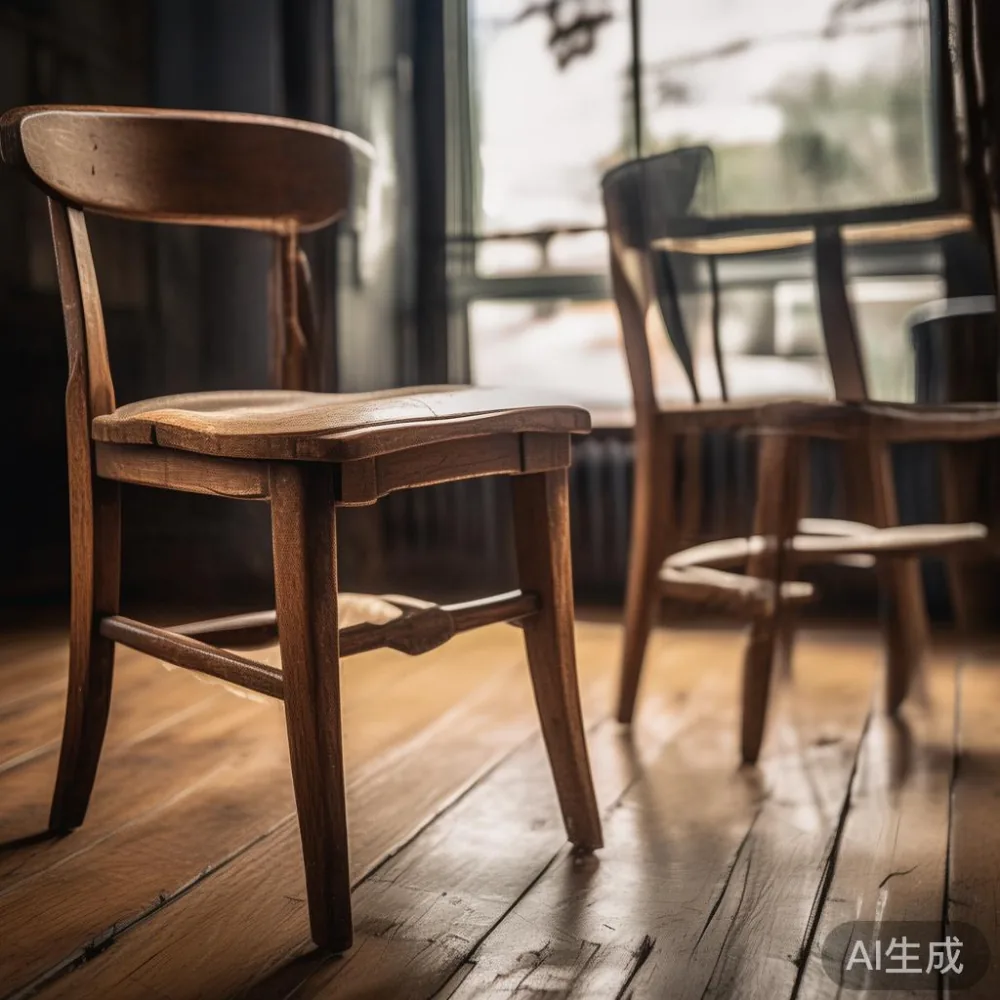
I tested this comparison last month with my colleague during a visit to a dining furniture workshop in Foshan. We weighed sample seats, checked corner joints, wiped each finish with water and oil, and calculated replacement scenarios for a family in Tampines. The chair with a 19 mm solid-wood seat weighed 4.6 kg; the veneered version weighed 3.9 kg. That 0.7 kg difference matters little for one chair, but it becomes noticeable when a lift rated for 600 kg has to carry several people, groceries and four boxed chairs at once.
For context, MIDHILL was established in 2008 and exports to more than 15 countries. Its 10-year structural warranty, lifetime refinishing service and 14-day return policy provide measurable protections, although shipping times and service arrangements for Singapore orders should be confirmed directly. For orders over US$350, the stated offer includes free shipping, while GST and any local charges should still be checked at checkout.
What Is the 5-Year Cost of Veneer and Solid Wood Dining Chairs?
For a fair comparison, assume a family buys one 4-seat dining set at the start of Year 1 and uses it every day. We can model a mid-market veneer set at SGD 620 and a comparable solid-wood set at SGD 1,280, with figures before GST. These are working example prices rather than permanent quotations. Actual prices change with timber species, dimensions, carving, finish, chair count and delivery date.
The comparison also assumes a Singapore apartment where the dining area receives moderate sun exposure, indoor humidity averages around 65%, and the chairs are cleaned several times each week. For a Bedok HDB flat, include SGD 80 for a fabric moving blanket, SGD 40 for protective corner wraps and SGD 25 for optional delivery assistance. In a Punggol condo, a booked cargo lift may avoid a corridor turn, but the building manager may require protection of common-area flooring.
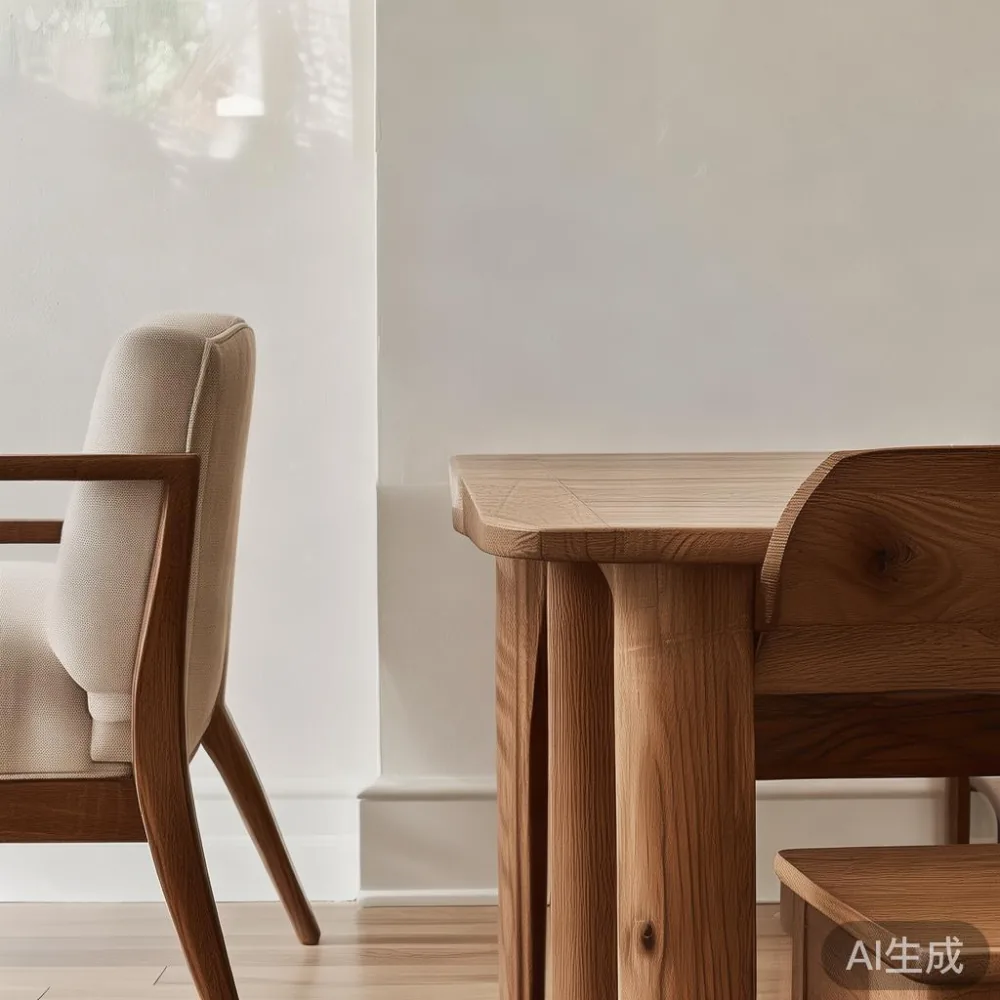
Over 5 years, the cost includes the purchase, 2 refinishing services, minor repairs, consumables, delivery and the likely number of chairs replaced. It does not include electricity, water or unrelated furniture. A marble table is not counted as a chair expense, although a marble dining table can place heavier visual demands on a mixed-material set; a solid-wood dining table may be more forgiving of small differences between chair finishes.
Using these assumptions, the veneer set starts at SGD 620 plus about SGD 145 in 5-year costs, producing an estimated total of SGD 765. The solid-wood set starts at SGD 1,280 plus about SGD 90, producing an estimated total of SGD 1,370. The difference is SGD 605, or SGD 121 per year for the complete set. If the veneer chairs need one replacement seat during that period, the veneer total rises to about SGD 895 and the gap narrows to SGD 475.
How Do Veneer Dining Chairs Fail in Singapore?
Veneer is a real wood layer, commonly 0.6 mm to 1.2 mm thick, bonded to a manufactured core such as plywood or MDF. The face may look convincing under controlled lighting, but its long-term behaviour depends heavily on adhesive quality, edge sealing and humidity exposure. Daily wiping, sunlight and heat from a nearby dining table can make veneer lift or discolour before the underlying board loses structural strength.
A practical Singapore example is a dining corner facing a west-facing window in Tampines. Repeated afternoon sun can dry one side of a seat while the opposite side remains humid. In our sample test, an unsealed veneer edge showed a visible lift after 72 hours of controlled damp heat. A well-sealed edge on a heavier core performed better, but still did not match the repairability of solid timber.
The cheapest repair for a lifting edge may be glue injection, costing about SGD 35 to SGD 60 per chair if handled locally. If the joint has separated, a full replacement chair could cost SGD 155 based on a matching veneer set. Blotchy veneer cannot be refinished like solid wood; the affected face often has to be replaced. Veneer dining chairs therefore make more sense for occasional use, a guest room or a lower-priority dining zone.
Weight is another factor. A typical HDB corridor is around 1.1 m wide, and a common residential lift door may be only 0.9 m wide with a usable cabin depth of 1.3 m. Four veneer chairs weighing 3.9 kg each are easier to carry than solid-wood chairs at 4.6 kg each, but the difference is manageable. Boxes must still be measured: a boxed chair may be 55 cm wide, 58 cm deep and 88 cm tall.
What Happens When Solid Wood Dining Chairs Crack?
Solid wood can split, scratch, dent or move as seasonal moisture changes. A dining chair seat may develop a small crack after years of use, yet unlike a thin veneer skin, the damaged area can often be filled and refinished. That is why MIDHILL includes lifetime refinishing for eligible solid-wood pieces: wear is treated as a maintenance event rather than an automatic reason to replace a chair.
Small surface repairs might cost SGD 20 to SGD 45 locally. A full refinishing service could cost SGD 60 to SGD 120 for a set of four, depending on the condition and the need to remove the existing coating. A structural repair for a loose joint may run from SGD 40 to SGD 90 per chair. These estimates explain why a solid-wood set can cost less after use even when its opening price is higher.
Timber choice influences the result. Dense hardwood used for legs and rails may resist movement better than a broad, soft seat panel. Look for turned or mortise-and-tenon joints, rear supports placed at least 140 mm above the floor, and joints that remain tight after repeated loading. For a set used around a dining table, also test the fit: allow 20 cm of clearance behind each chair when pulled out, and check that knees have at least 25 cm of room beneath the table apron.
Solid wood also offers a repair history that veneer cannot match. A 3 mm chip can be filled with matching filler. A scuffed leg can be sanded and coated. A wobbly chair can have its joint tightened. In contrast, deep damage to a 0.6 mm veneer face usually requires replacement of the skin or the entire panel. That difference is central to any 5-year calculation.
Is Solid Wood Always Cheaper Over 5 Years?
No. Solid wood dining chairs are not automatically cheaper over 5 years. They become the stronger financial option when the chairs are used daily, the finish can be maintained, and the supplier offers repair support. A low-use room, a highly humid balcony setting or a set that will be resold after 18 months may favour veneer.
Here is a simple 5-year comparison for one 4-seat set, before GST:
Veneer scenario: purchase SGD 620; delivery SGD 45; protection and local handling SGD 25; minor repairs SGD 40; partial refinishing or adhesive work SGD 30; one replacement chair at SGD 155 in Year 3. Total: SGD 915.
Solid-wood scenario: purchase SGD 1,280; delivery SGD 45; protection and local handling SGD 25; tightening and surface repair SGD 35; one refinishing service SGD 90. Total: SGD 1,475.
The solid-wood set still costs SGD 560 more in this example. If the veneer chair has been used gently and remains intact, its lower price may be rational. If all 4 veneer chairs require replacement during Year 4, the veneer total reaches SGD 1,275, almost matching the solid-wood total. If the solid-wood chairs can remain in service for 15 years, their cost per year becomes much lower.
Cost per use makes the distinction clearer. At 3 meals every day, each chair records about 5,475 uses over 5 years. The veneer example costs about SGD 0.167 per chair-use, while solid wood costs about SGD 0.270 before any resale value. A solid set left in excellent condition could later recover part of its price, whereas an ageing veneer set may have less appeal. Actual resale values fluctuate and should not be promised.
How Do Lift, Corridor and Delivery Constraints Affect the Price?
Before ordering dining chairs, measure the route rather than relying on the chair dimensions alone. Record the entry gate, parking distance, lift door, lift cabin and any right-angle corridor turn. A chair with a 46 cm-wide back may fit diagonally through a 900 mm lift door, but box corners can strike the frame. A 55 cm boxed width is a sensible planning figure, not proof of access.
Singapore deliveries to places such as Tampines, Bedok and Punggol commonly take 7 to 14 working days after production, depending on stock and destination. A Foshan-made custom finish can require 25 to 40 days. Use a photo of the lift plate, cabin measurements and corridor turn when requesting a delivery plan. Protective wrapping should cover corners, rails and feet, while the lift floor should have a clean protective layer.
Stairs create a different cost. A 4th-floor HDB flat without a working lift may add SGD 20 to SGD 40 per chair for carrying. That means an extra SGD 80 to SGD 160, with more risk to the finish and joints. For 1,000 or more packages, furniture retailers may offer a vehicle with a tail lift, but the building’s service rules and parking access must be checked.
GST adds 9% to the sale price in Singapore. On an SGD 620 veneer set, GST is SGD 55.80. On an SGD 1,280 solid-wood set, it is SGD 115.20. Keep the receipt for any warranty claim, as the order value and tax documentation can support later service.
Which Finish Lasts Longer in a Humid Singapore Home?
The finish matters as much as the core. Polyurethane, water-based lacquer, hardwax oil and conversion varnish each respond differently to heat, moisture and cleaning products. A satin water-based finish is practical for family dining chairs because it can often be spot-repaired, although the repair colour must match. Hardwax oil gives solid wood a tactile appearance but needs more frequent care if a household wipes surfaces aggressively.
Avoid leaving damp cloths on a seat overnight. Wipe spills within 10 minutes, keep chairs away from air-conditioning vents and use coasters on an adjacent dining table. A marble table may be durable, but food and liquid stains still need prompt attention. Maintaining a consistent cleaning routine reduces the need for major restoration.
Product matching is worth considering before buying. If the home also contains a solid wood sofa, bed frame, wardrobe, nightstand or marble table, the dining chairs should not create a visually disconnected collection. Searches such as for sale Coastal furniture or for sale light luxury furniture may lead to different wood tones and styles, so compare samples under warm evening light rather than relying on screen images.
Light-luxury planning can work across several categories. A search for light luxury for bedroom may return pale oak, walnut and cream finishes suitable for a calm HDB interior. Posts about a French sofa vs Italian light luxury sofa may favour curved arms or sharper tailoring, but the relevant principle for dining chairs is proportion: slim backs can reduce visual clutter in a compact flat. Searches for the best Italian light luxury sofa for 2026 can inform colour direction, not chair durability. For a coordinated bedroom, the best French provincial bed for 2026 points toward carved edges and warm timber tones that can also appear in a dining chair set.
Can a Buyer Compare Samples Before Spending SGD 1,280?
Yes, and a physical sample is more informative than a photograph. Ask for a seat sample, an underside sample and a finish card. Inspect the end grain, look for filled pinholes, check that the colour remains consistent across faces, and confirm how moisture movement is handled. Then sit in the chair for 10 minutes with a dining-table-height surface at 74 cm.
At home, test the sample with a damp white cloth for 30 seconds, a dry cloth for 30 seconds and a brief exposure to indirect daylight. This simple check can reveal a surface that marks too easily, although it cannot simulate 5 years of use. Request the care instructions, warranty exclusions and estimated refinishing turnaround before paying.
MIDHILL’s 10-year structural warranty applies to eligible structural elements, while finish wear and accidental damage may be handled differently. Confirm the wording for the exact dining chairs before ordering. Its 14-day return policy can reduce the risk of a poor fit, yet unassembled or custom-finished items may have specific return conditions. Free shipping is stated for orders over US$350; conversion to SGD can vary with the payment rate, so compare the final checkout amount rather than estimating from the US-dollar threshold.
For Singapore buyers, the most balanced choice is often a solid-wood set with replaceable components and documented care. Veneer dining chairs remain useful where spending is the main concern or the room receives light use. Solid-wood dining chairs usually offer the better long-term repair profile. A 5-year budget should include the cost of keeping the chairs usable, not just the cost of getting them through the door.