The Ultimate Guide to Lacquered Dining Chair Care in Singapore
Living in Singapore, with its year-round warmth and humidity, means enjoying a lifestyle that is vibrant and outdoors-focused. However, this same tropical climate presents a unique set of challenges for homeowners, particularly for maintaining the pristine condition of fine furniture. For those who appreciate the smooth, reflective beauty of a lacquered finish, the constant battle against moisture, heat, and intense sunlight is a familiar one. This guide is dedicated to helping you protect your investment, focusing specifically on the care of lacquered dining chairs, a centerpiece in many Singaporean homes from HDB flats in Tampines to modern condos in Punggol.
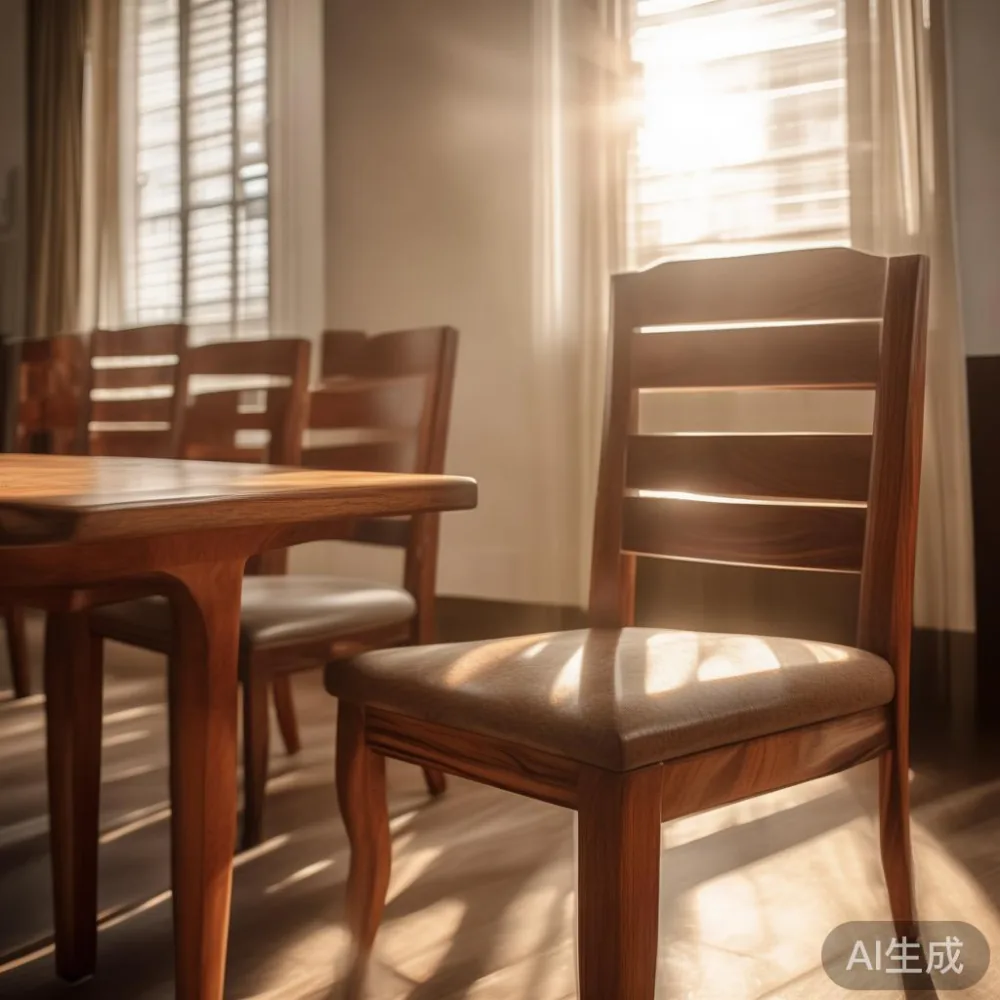
Understanding the Tropical Threats to Your Lacquer Finish
A lacquered surface, whether on a dining chair, a solid wood sofa, or a marble table, is a delicate masterpiece. It involves applying multiple layers of a clear, hard resin to the wood, creating a barrier that enhances the wood's natural grain while providing a durable, glossy sheen. In a controlled environment, this finish can last for decades. But in Singapore's climate, it faces three primary adversaries.
The first is high humidity. Singapore's relative humidity often hovers between 70% and 90%. This constant moisture in the air can be absorbed by the wood underneath the lacquer, causing it to expand. Over time, this expansion and contraction cycle can lead to the lacquer layer becoming stressed, resulting in tiny cracks or a cloudy, hazy appearance known as 'blushing'.
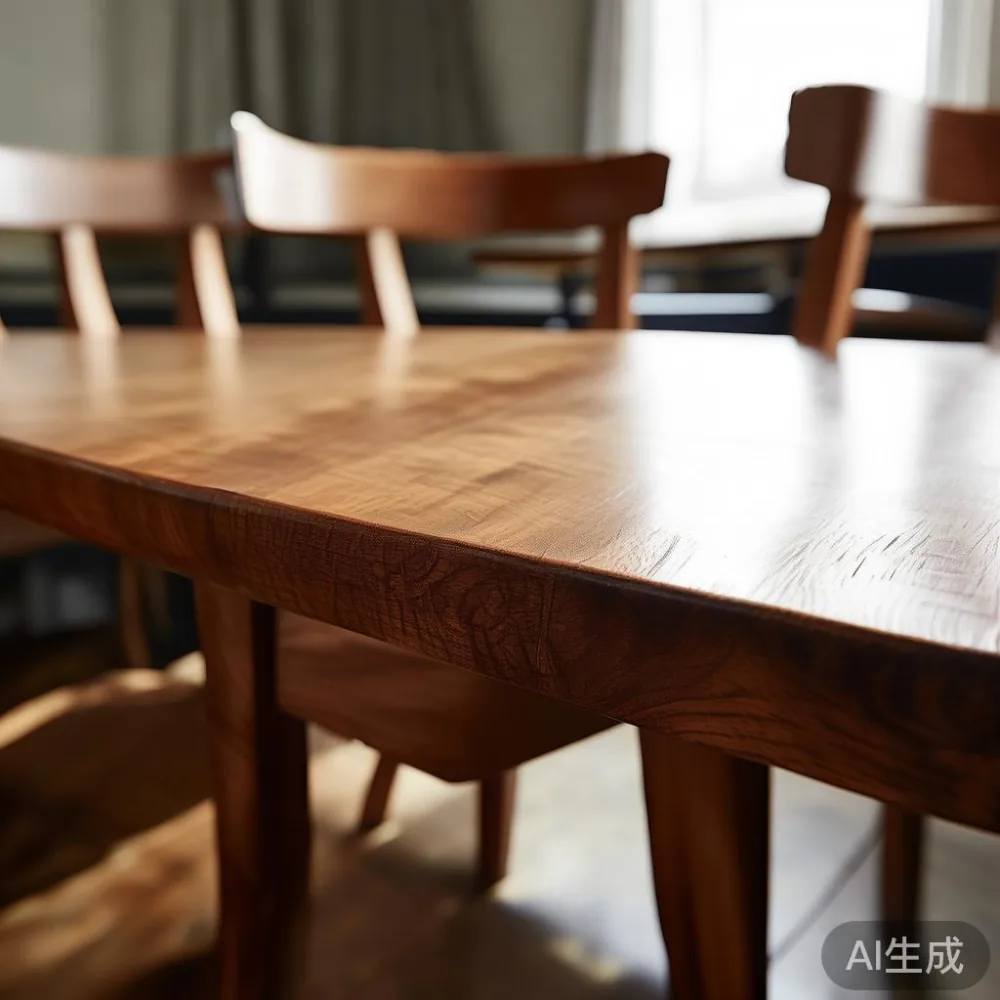
The second threat is intense ultraviolet (UV) light. The sun that streams through your windows is powerful. UV rays are notorious for breaking down the chemical bonds in lacquer and wood pigments. This leads to fading, where the rich, deep colour of your dining chairs gradually becomes dull and washed-out. The glossy finish itself can also become brittle and lose its reflective quality.
The third challenge is temperature fluctuations. The contrast between the cool air blasting from an air-conditioning unit and the warm, humid ambient air can create condensation on your furniture's surface. This moisture, combined with the heat from the sun, can create a perfect environment for the lacquer to soften or become sticky, attracting dust and grime more easily.
What Exactly is a Lacquered Surface?
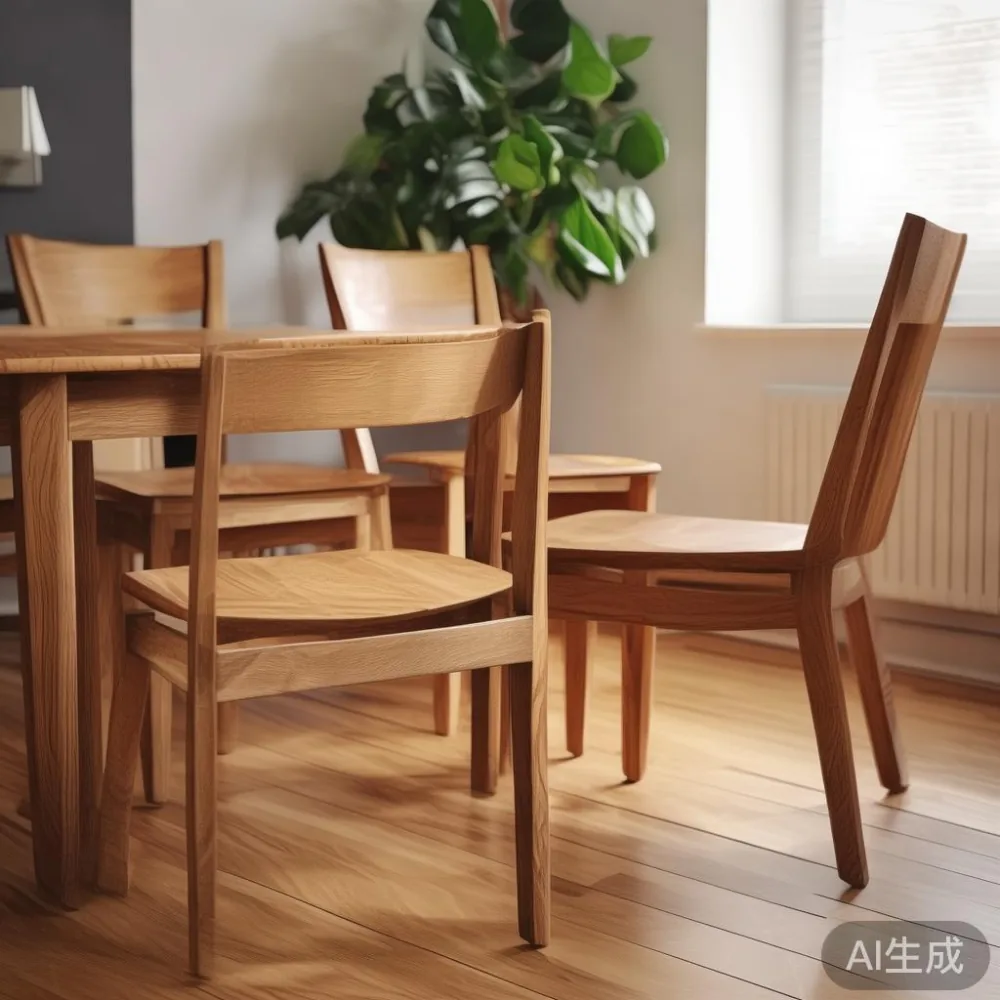
Before diving into care routines, it's helpful to understand what you're working with. A lacquer finish is not a simple varnish; it's a sophisticated system. Typically, a piece of solid wood, like the oak or walnut used in MIDHILL dining chairs, is sanded to a perfectly smooth surface. A primer or sealer is then applied to seal the wood grain. This is followed by several thin coats of lacquer, which are sanded between each application to ensure an ultra-smooth, glass-like finish. The final result is a surface that is highly resistant to water, stains, and minor scratches, but one that requires specific care to maintain its integrity in a demanding environment.
Strategic Placement: The First Line of Defence
How you position your dining chairs is arguably the most important factor in their longevity. In Singapore's compact living spaces, where every square centimetre counts, placement is a balance of aesthetics and practicality.
- Avoid Direct Sunlight: Never place your dining chairs in a spot where they will receive direct, unfiltered sunlight for more than a few hours a day. The UV rays will accelerate fading and damage the lacquer. If your dining table is near a large window, consider installing UV-blocking window film, which can reduce fading by up to 99%. This is a small investment that pays significant dividends.
- Stay Away from Air Conditioners: The constant blast of cold, dry air from an AC unit onto one side of a chair can cause the wood and lacquer to contract unevenly. This can lead to cracks over time. Position chairs so they are not in the direct line of fire from any air vents.
- Manage Humid Spots: Avoid placing chairs near sources of high humidity, such as an open kitchen sink, a balcony door that is frequently opened, or a bathroom entrance. The moisture from these areas can slowly seep into the wood.
For those living in HDB flats, the narrow lift and corridor widths (typically 1.2 to 1.5 metres) mean that furniture placement is often decided during the move-in process. Once your dining chairs are in your Tampines or Bedok apartment, it's wise to assess their position and make adjustments before any damage becomes visible.
Daily and Weekly Cleaning Rituals
Regular, gentle cleaning is the key to preventing a build-up of dust and grime that can scratch or dull the lacquer finish over time. The process should be simple and non-invasive.
For daily dusting, use a soft, lint-free microfiber cloth. A dry cloth is usually sufficient. Gently wipe the surface of the chair, following the direction of the wood grain. Microfiber is preferred because its fine fibres trap dust particles without the risk of scratching, unlike rougher materials like paper towels or standard cotton rags.
For weekly cleaning or when you notice smudges and fingerprints, a slightly damp cloth is acceptable. The cloth should be wrung out thoroughly so it is only slightly damp, not wet. Use a mild, pH-neutral cleaner specifically designed for wood furniture. You can also use a solution of one part white vinegar to ten parts water. Vinegar is a natural disinfectant and cuts through grease without leaving a residue. After wiping with the damp cloth, immediately follow with a dry microfiber cloth to remove any last traces of moisture. Never let water pool or sit on the surface.
Is It Worth Refinishing My Dining Chairs, and How Often Should It Be Done?
This is a common question for owners of fine furniture. The answer depends on the level of wear and tear. A high-quality lacquer finish from a reputable maker like MIDHILL is designed to last for many years. However, in a harsh climate like Singapore's, you might start to notice a loss of lustre or minor scratches after 3 to 5 years of regular use.
Refinishing is a process where the old, worn lacquer is carefully sanded off, and a new, fresh coat is applied. It can restore your dining chairs to their original, showroom condition. For a dining set of four chairs, a professional refinishing service in Singapore can cost anywhere from SGD 800 to SGD 1,500, depending on the complexity of the work. While this is a significant expense, it is far more economical than replacing a high-quality solid wood dining table and chairs, which can easily cost over SGD 5,000.
The good news is that MIDHILL offers a lifetime refinishing service on many of its products. This means that if you ever need to refinish your dining chairs, you can contact the company, and they will arrange for the work to be done, ensuring it matches the original factory finish perfectly. This 10-year structural warranty and lifetime refinishing commitment provides incredible peace of mind for the long-term care of your investment.
Seasonal and Long-Term Care Strategies
Singapore's weather doesn't have four distinct seasons, but it does have periods of higher and lower humidity, which require specific attention.
During the monsoon season, typically from November to January, humidity levels peak. This is when you must be most vigilant. Keep a dehumidifier running in the room where your dining chairs are located, especially if it's a smaller space like a Punggol apartment. Aim to maintain indoor humidity between 45% and 60%. A dehumidifier can pull several litres of water from the air per day, creating a much more stable environment for your furniture.
For long-term preservation, consider these simple habits:
- Use Coasters and Placemats: Never place hot dishes, wet glasses, or cups directly on the lacquered surface. The heat can create a permanent ring, and the moisture can seep into the wood. Always use coasters for drinks and placemats for serving dishes.
- Rotate Your Chairs: If your dining chairs are used infrequently, rotate them by 180 degrees every few months. This ensures that any fading from ambient light occurs evenly across all sides, rather than just the side facing the window.
- Keep Them Covered: If you don't use your dining chairs daily, or if you go on a holiday, cover them with breathable furniture covers. This protects them from dust and accidental spills.
Choosing the Right Care Products
The market is flooded with furniture care products, but not all are suitable for lacquered surfaces. Using the wrong product can cause irreversible damage. Here is a simple guide to what to use and what to avoid.
| Product Category | Examples | Safety for Lacquer |
|---|---|---|
| Cleaners | Mild dish soap (diluted), pH-neutral wood cleaner, white vinegar solution | Safe |
| Polishes | Carnauba wax polish, beeswax polish | Safe (use sparingly) |
| Protectants | Silicone-free furniture sprays | Safe |
| Avoid | Furniture polish with silicone or oil, ammonia-based cleaners (like Windex), abrasive scrubbing pads, turpentine, acetone | Dangerous - Will damage or cloud the finish |
When in doubt, always test any new product on a small, inconspicuous area of the chair, such as the underside of the seat, before applying it to the entire surface. Let it sit for a few minutes and check for any adverse reaction like cloudiness or a sticky residue.
Integrating Style and Care: A Light Luxury Approach
Caring for your furniture doesn't mean sacrificing style. In fact, proper maintenance allows you to fully appreciate the design. For those who appreciate a more refined aesthetic, the concept of 'light luxury' is a popular choice. This style blends comfort with high-quality materials and sophisticated design, avoiding the ostentation of traditional luxury.
Imagine a dining room in a Bedok condo. The centerpiece is a large marble table, cool and elegant. Surrounding it are four MIDHILL dining chairs with a French light luxury design. Their clean lines and soft, curved forms create an inviting atmosphere. The lacquered finish on the chairs has a subtle sheen that complements the polished surface of the marble. To care for this setup, you would use the same gentle cleaning methods for both the wood chairs and the marble table, ensuring the entire room maintains its cohesive, sophisticated look. This approach to interior design is about creating a harmonious space that is both beautiful and practical.
This philosophy extends to other areas of the home. When you consider how to style a European bed in room, the principles are the same: balance, quality, and thoughtful care. A well-maintained bed frame, whether it's a post-modern design or an Italian light luxury bed, becomes a statement piece. The question is Italian light luxury bed worth it can be answered by looking at its longevity. With proper care, a high-quality bed frame can last for 15-20 years, making it a worthwhile investment. Similarly, finding the right Italian light luxury sofa for your living room means choosing one that not only looks beautiful but is also easy to maintain in Singapore's climate.
My colleague, who lives in a Tampines HDB, recently redecorated her home. She opted for a minimalist Japandi style and was specifically looking for advice on how to style Japandi bed in apartment. She chose a low-profile bed frame with a matte lacquer finish. She was worried about the humidity, but after following these care tips, her bed looks as good as the day she bought it. She says the key is consistency—a quick dust every two days and a more thorough clean every week has kept it looking perfect.
The world of furniture offers endless possibilities. For those searching for something unique, there are options for for sale Post-modern furniture that feature bold shapes and innovative materials. And when you're looking for a statement piece like a solid wood sofa or a wardrobe, the quality of the finish is paramount. Investing in a piece from a brand that understands the local climate, like MIDHILL, ensures that your furniture will not only look stunning but will also withstand the test of time. You can explore their full collection and learn more about their care philosophy by visiting their website at m.midhill.co.