Caring for Lacquered Surfaces in a Tropical Climate: A Singapore Homeowner's Guide
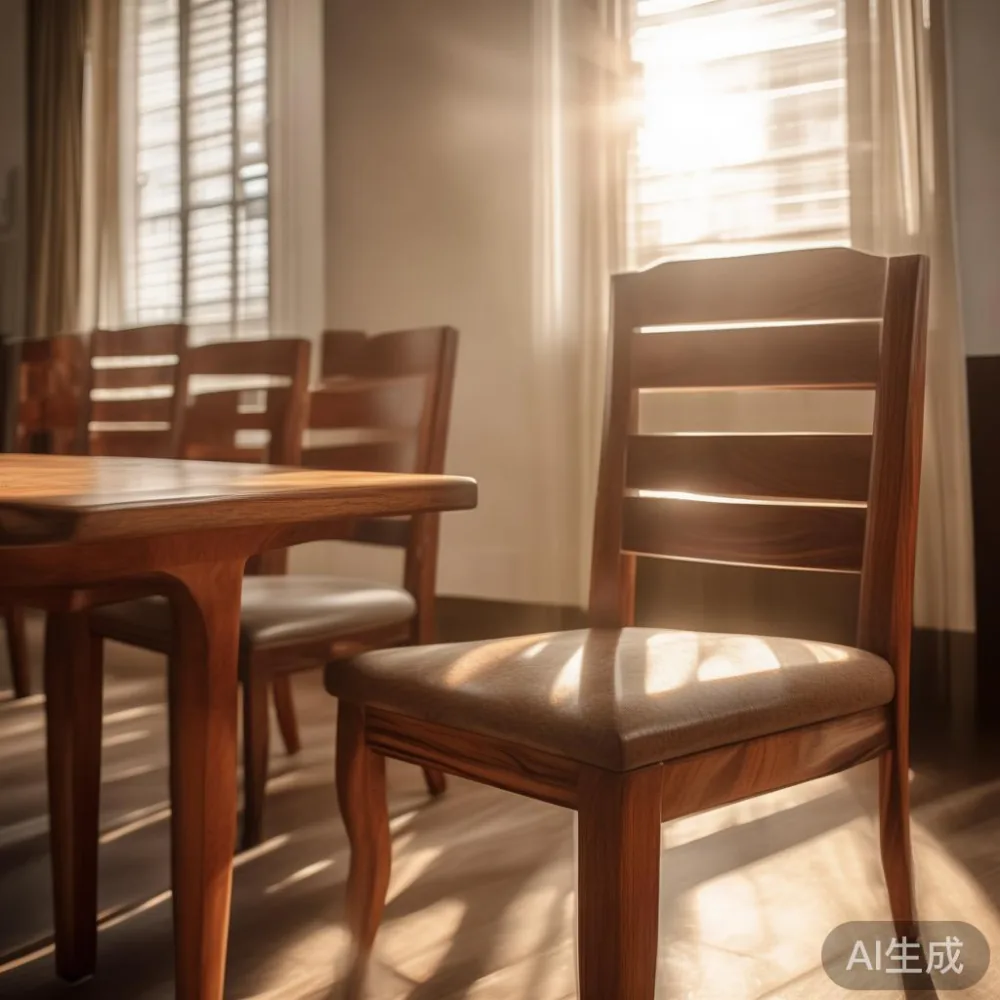
In Singapore, where the air is thick with humidity and the sun shines relentlessly, maintaining the pristine finish of your furniture is a year-round commitment. For owners of beautifully crafted items, especially those with a delicate lacquered surface, this task can seem daunting. A fine dining chair, for instance, with its glossy, mirror-like finish, is more than just a place to sit; it's a statement of style and a piece of functional art. However, the unique environmental conditions of our island city-state, from the constant 80% humidity in a Tampines HDB flat to the intense afternoon sun streaming through a Punggol condo window, pose significant challenges to maintaining that showroom shine. This guide provides practical, step-by-step advice on how to protect and care for your lacquered furniture, ensuring it remains a stunning centerpiece in your home for years to come.
Understanding Lacquer: The Beauty and the Beast
Before diving into care routines, it's helpful to understand what you're working with. Lacquer is a clear, hard, protective finish applied over wood. It's renowned for its high-gloss, deep, reflective quality that can make even the simplest wood grain look luxurious. This finish is created by applying multiple ultra-thin layers of a resin, which are then sanded and polished to a mirror sheen. The result is a surface that is highly resistant to water, alcohol, and general wear and tear. However, this strength comes with a specific set of vulnerabilities. Lacquer is not invincible. Its primary enemies are extremes of temperature, rapid changes in humidity, and harsh chemical cleaners. In Singapore, the combination of high humidity and direct sunlight can cause the wood underneath the lacquer to expand and contract at a different rate than the finish itself. This stress can lead to cracking, a phenomenon known as 'checking'. Also, the intense UV radiation can cause the lacquer itself to yellow or lose its clarity over time, dulling that brilliant shine.
Why Your Dining Chair's Finish is Suffering in Singapore
The challenges faced by a lacquered dining chair in a Singaporean home are multifaceted. Let's break down the environmental factors at play. The average relative humidity in Singapore hovers around 80%. This constant moisture in the air can seep into the microscopic pores of the wood, even through a sealed lacquer finish. Over time, this can lead to a hazy, cloudy appearance on the surface, as moisture becomes trapped beneath the layers of polish. This is particularly noticeable in older HDB flats in Bedok, where ventilation might not be as advanced in newer developments. Then there's the sun. A lacquered dining table placed near a window in a sunny Punggol apartment can experience surface temperatures that exceed 50°C on a hot afternoon. This intense heat can soften the lacquer, making it more susceptible to scratches and dings from everyday use. It also accelerates the photo-degradation process, where UV rays break down the polymers in the lacquer, causing it to become brittle and discolored. The third factor is our lifestyle. Spills from food and drinks are common around the dining area. While a quick wipe might seem sufficient, a sugary drink left for even an hour can etch into the finish, creating a permanent mark that ruins the flawless surface.
Is Your Cleaning Routine Ruining Your Lacquer Finish?
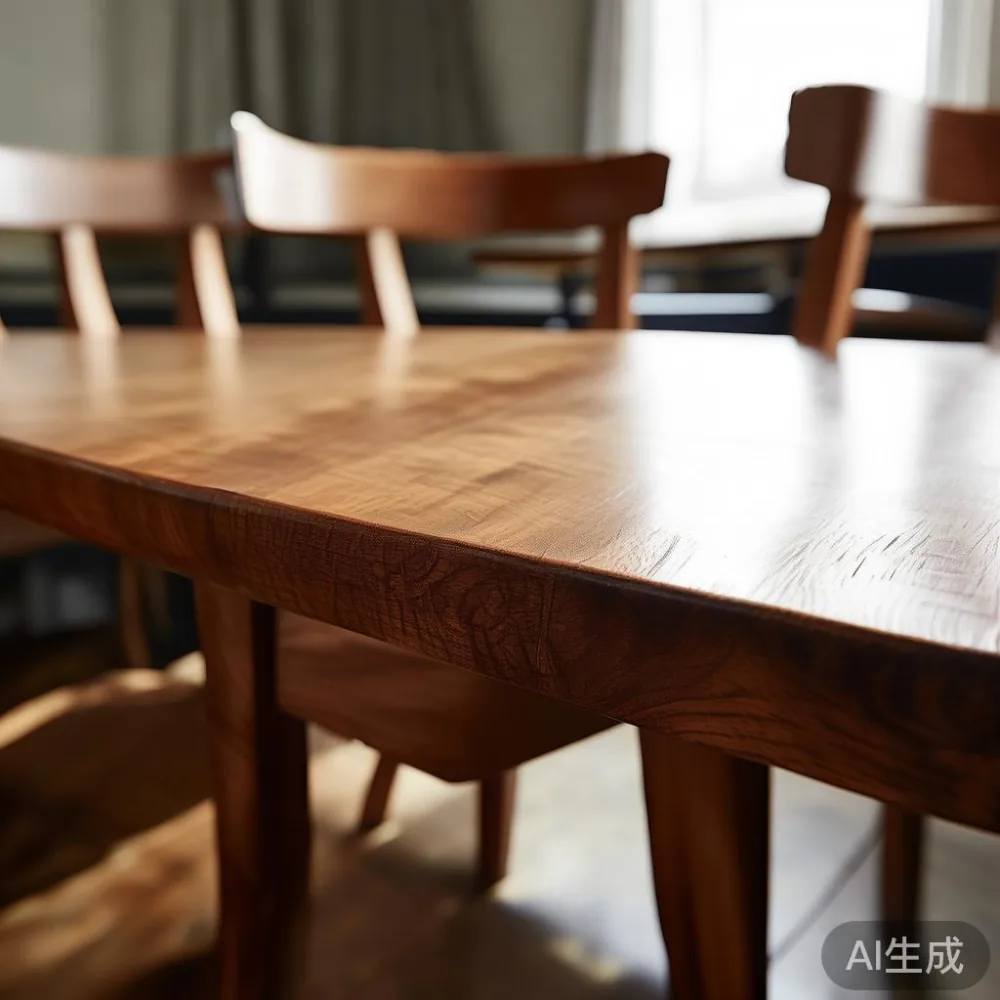
A surprisingly common mistake homeowners make is using the wrong cleaning products. Many commercially available furniture polishes and sprays contain silicone, wax, or petroleum distillates. While they may provide a temporary shine, these ingredients can build up over time, creating a cloudy film that actually dulls the lacquer's natural lustre. A worse offender is ammonia-based glass cleaner. It might seem logical to use it on a high-gloss surface, but ammonia is incredibly aggressive and can strip away the protective layers of lacquer, leaving the wood underneath vulnerable. The correct approach is far simpler and more effective. For daily dusting, use a soft, lint-free microfiber cloth. These cloths are designed to trap dust particles without scratching the surface. For light cleaning, a barely damp cloth is all you need. The key is 'barely damp'—wring the cloth out thoroughly so it is almost dry. Never spray any liquid directly onto the furniture. Instead, spray a small amount of a pH-neutral, soap-based cleaner onto the cloth itself, not the chair. This prevents any excess liquid from pooling in the seams or joints of the chair, which could seep into the wood and cause damage over time. A simple solution of one part mild dish soap to ten parts water works perfectly and costs less than SGD 5 for a bottle that will last for months.
Preventative Care: The Best Defence Against Humidity and Sun
Prevention is always better than cure, and this is especially true for delicate furniture. The most effective way to protect your lacquered dining chairs is to control their environment. If you live in an apartment with large windows, consider investing in good quality UV-blocking curtains or blinds. These can reduce the sun's intensity by up to 90%, significantly slowing down the yellowing and degradation process. They are a worthwhile investment, typically costing between SGD 150 and SGD 400 per window, depending on the size and quality. Humidity control is another critical step. While dehumidifiers are common in bedrooms, placing one in your dining area can make a world of difference. A dehumidifier can maintain the relative humidity at a more stable 50-60%, which is ideal for wood furniture. A mid-range model capable of covering a 40-square-meter room will cost around SGD 300 and can be run for a few hours each day, especially during the wetter months from November to January. Finally, be mindful of placement. Avoid placing your dining chairs directly under air-conditioning vents, as the cold, dry air blowing onto them can cause the lacquer to contract and crack. Similarly, do not place them directly in front of a heater or radiator, which are thankfully rare in Singapore but present in some older condos.
What to Do When Lacquer Damage Occurs: Repairing Minor Scratches and Water Marks
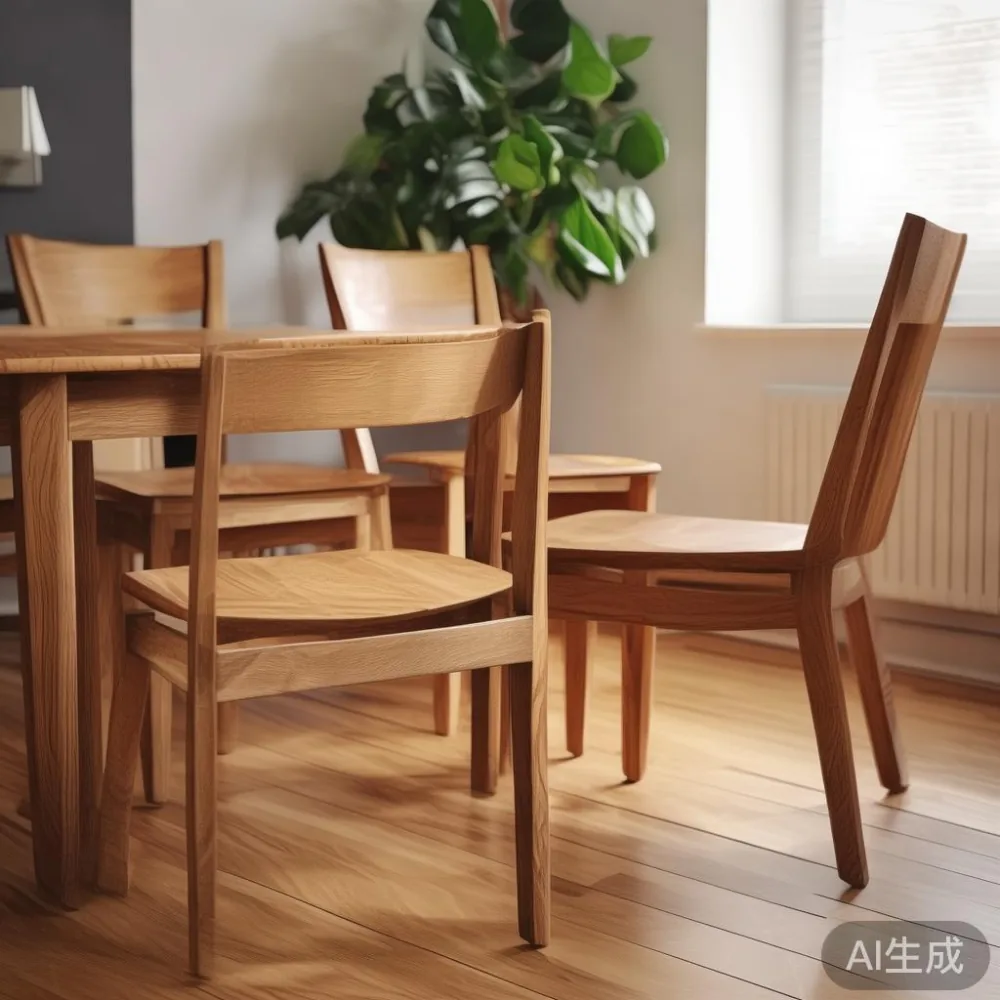
Despite your best efforts, accidents can happen. A small scratch on a dining chair can be a source of great frustration, but it doesn't necessarily mean a trip to the furniture repair shop. For minor surface scratches that have not penetrated through to the wood, you can attempt a DIY repair. Start by cleaning the area thoroughly with a soft cloth and a mild soap solution. Once dry, apply a small amount of a high-quality scratch remover polish, specifically designed for lacquer and wood finishes. These polishes contain very fine abrasives that gently buff out the scratch. Apply a tiny amount to a soft cloth and rub it into the scratch using a circular motion with light pressure. Wipe away any excess and buff the area with a clean microfiber cloth. For small white water marks or heat rings, which are in effect moisture trapped under the finish, you can try the 'iron and cloth' method. Place a thin cotton cloth, like a t-shirt, over the mark and set your clothes iron to a low, steam-free setting. Press the iron firmly onto the cloth over the mark for 5-10 seconds. The heat can help to evaporate the trapped moisture. Be careful not to leave the iron in one place for too long, as you risk melting the lacquer. For more significant damage, such as deep cracks or chips, it is always best to consult a professional furniture restorer. Attempting a DIY repair on major damage can often make the problem worse and may void any existing warranty on your furniture.
How to Style Your Dining Room to Protect Your Lacquer Chairs
Caring for your furniture goes beyond cleaning and maintenance; it's also about how you style your space. The way you arrange your dining chairs and other items can significantly impact their longevity. For instance, when arranging your Mid-century modern dining table and its chairs, ensure there is ample space around each piece. This allows for good air circulation, which helps to dissipate heat and moisture. Avoid overcrowding the area with too many chairs or bulky sideboards, as this can trap humidity. When selecting other furniture for the room, consider the materials. A marble table, for example, is an excellent choice for a dining area in a humid climate. Its non-porous surface is highly resistant to moisture and stains, and it doesn't expand and contract with humidity like wood does. A marble table top can be found for around SGD 800 to SGD 2,500, depending on the size and type of marble. When choosing a solid wood sofa or bed frame for other rooms in your home, opt for pieces with durable finishes that complement the care you're taking with your dining chairs. A light luxury sofa bed foldable can be a practical solution for smaller Singaporean apartments, offering both seating and sleeping space without sacrificing style. The key is to create a harmonious environment where all your furniture pieces are protected and can be enjoyed for their full lifespan.
Customer Question: Can I use wax or oil on my lacquered dining chairs to protect them?
This is an excellent question, and the short answer is a firm no. Applying wax or oil-based products to a lacquered surface is one of the most common and damaging mistakes a homeowner can make. Lacquer is a hard, polymer-based finish that cures to a solid, non-porous state. Wax and oil are designed to penetrate into the pores of an unfinished wood surface to nourish and protect it. When you apply them to lacquer, they simply sit on top. Initially, they may provide a nice shine, but over time, they attract dust and dirt, creating a grimy, sticky film. This film is nearly impossible to remove completely without using harsh solvents that will damage the lacquer itself. The result is a dull, cloudy, and sticky mess. The best way to protect your lacquered dining chairs is through the preventative measures and cleaning routines already discussed. Stick to pH-neutral cleaners and a soft cloth. This preserves the integrity of the original factory finish, which is far more durable and beautiful than any aftermarket product you could apply. Think of it like caring for a high-end watch; you wouldn't use abrasive cleaners on it, and you certainly wouldn't slather it in butter. The same principle applies to your furniture.
MIDHILL's Commitment to Lasting Quality
When investing in high-quality furniture like a set of dining chairs, it's important to consider the manufacturer's commitment to longevity. A brand that stands behind its products gives you peace of mind. For example, a company established in 2008 that exports to over 15 countries understands the diverse environmental challenges its furniture will face. They engineer their pieces, including their light luxury sofa bed foldable and solid wood sofa collections, to withstand these conditions. This often involves using advanced lacquering techniques and selecting wood species known for their stability in humid climates. It's also reassuring to know that such a company offers a 10-year structural warranty and a lifetime refinishing service. This means that if the frame of your dining chair ever fails due to a manufacturing defect, they will repair or replace it. And if the lacquer finish becomes worn or damaged over decades of use, they will have it professionally refinished for you, restoring it to its original glory. This level of support is a hallmark of a brand that is confident in its craftsmanship and dedicated to being a long-term partner in furnishing your home. It's a commitment that extends far beyond the initial purchase, ensuring that your beautiful furniture remains a source of pride and comfort for generations.
Real Experience: A Month in a Punggol Condo
Last month, I had the opportunity to spend a significant amount of time in a friend's newly renovated Punggol condo. He had just invested in a stunning European light luxury bed vs French provincial bed for the master bedroom and a beautiful Italian light luxury sofa for the living area. However, the piece he was most proud of was a custom dining set with a Mid-century modern dining table and six high-gloss lacquered dining chairs. He was worried about the humidity, having heard horror stories from friends. I spent a week observing his care routine and offering advice. He was already doing many things right: he used coasters religiously, kept the curtains drawn during the hottest part of the day, and dusted the chairs with a microfiber cloth every other day. However, he was using a popular furniture spray that contained silicone. I showed him how to switch to a simple soap and water solution. The difference was remarkable. Within two weeks, the chairs had a much deeper, more reflective shine. The hazy film from the old spray was completely gone. He also placed a small dehumidifier in the dining area, which he runs for four hours each evening. He reported that the chairs felt less 'sticky' to the touch and that he no longer worried about the finish. It was a practical, low-cost solution that made a tangible difference, proving that consistent, correct care is the secret to preserving beauty in a challenging climate.
Planning for the Future: Styling for 2026
As design trends evolve, so do our furniture choices. When planning a home, it's wise to think ahead. For instance, if you are considering a best Mid-century modern wardrobe for 2026, you might want to think about how its finish will complement your dining chairs. The clean lines and functional design of mid-century pieces are timeless, but the finish is what will define its look in your home. Similarly, if you are someone who frequently hosts guests, a light luxury sofa bed foldable is a practical and stylish solution for a spare room or studio apartment in Singapore. The key is to choose pieces that not only fit your current aesthetic but are also built to last and easy to care for. A solid wood sofa with a durable, easy-to-clean finish will serve you well for years, as will a well-made bed frame. The goal is to create a cohesive and harmonious living space where every piece is not only beautiful but also resilient. By understanding the needs of your furniture and adapting your care routine accordingly, you can ensure that your home remains a sanctuary of style and comfort, no matter what the weather brings.