Styling a Small HDB Apartment Without Making It Feel Crowded
I live in a 65 sqm two-bedder in Bedok, and my partner works from a 3-room flat in Punggol. Between the two of us, we have packed, unpacked, and re-arranged enough compact dining corners to know this: a small Singapore home is not a design problem, it is a measurement problem. The corridors in my block are 1.2 m wide, the service lift fits a 1.9 m length, and the front door opening sits at roughly 0.9 m. Every dining chair, every side table, every wardrobe we brought home had to pass through those numbers before it earned its place in the room. If you are reading this from a Tampines 4-room or a Bishan condo, you are probably working with the same quiet constraints.
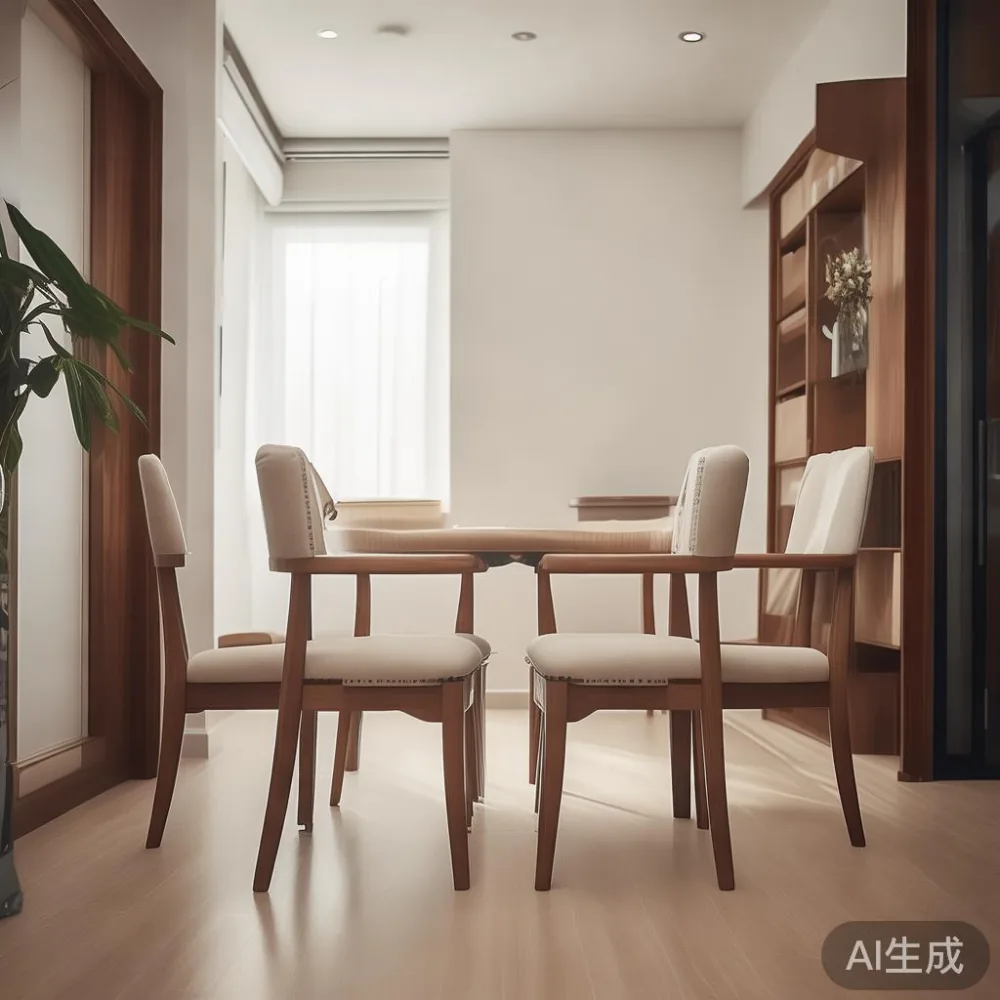
What follows is a field guide shaped by my own moves, my colleague's HDB renovation last month, and a number of conversations I have had with the Foshan studio behind MIDHILL. Their frames ship from Guangdong with a 10-year structural warranty and lifetime refinishing, and they keep the SKU range narrow on purpose: solid wood sofa frames, bed frames, dining tables, wardrobes, nightstands, and dining chairs in a few considered silhouettes. That narrowness is exactly what small flats need.
How do I plan furniture for an HDB flat before I buy anything?
Measure twice, then measure the lift. In my Punggol colleague's case, the cargo lift on the 14th floor accepts a package up to 2.1 m long and 1.5 m deep, with a diagonal of about 2.5 m. Anything longer has to come up the passenger lift in two pieces, which is fine for a dining table, painful for a 2 m wardrobe. Before you fall for a marble table with a 1.6 m top, pull the tape across the lift door.
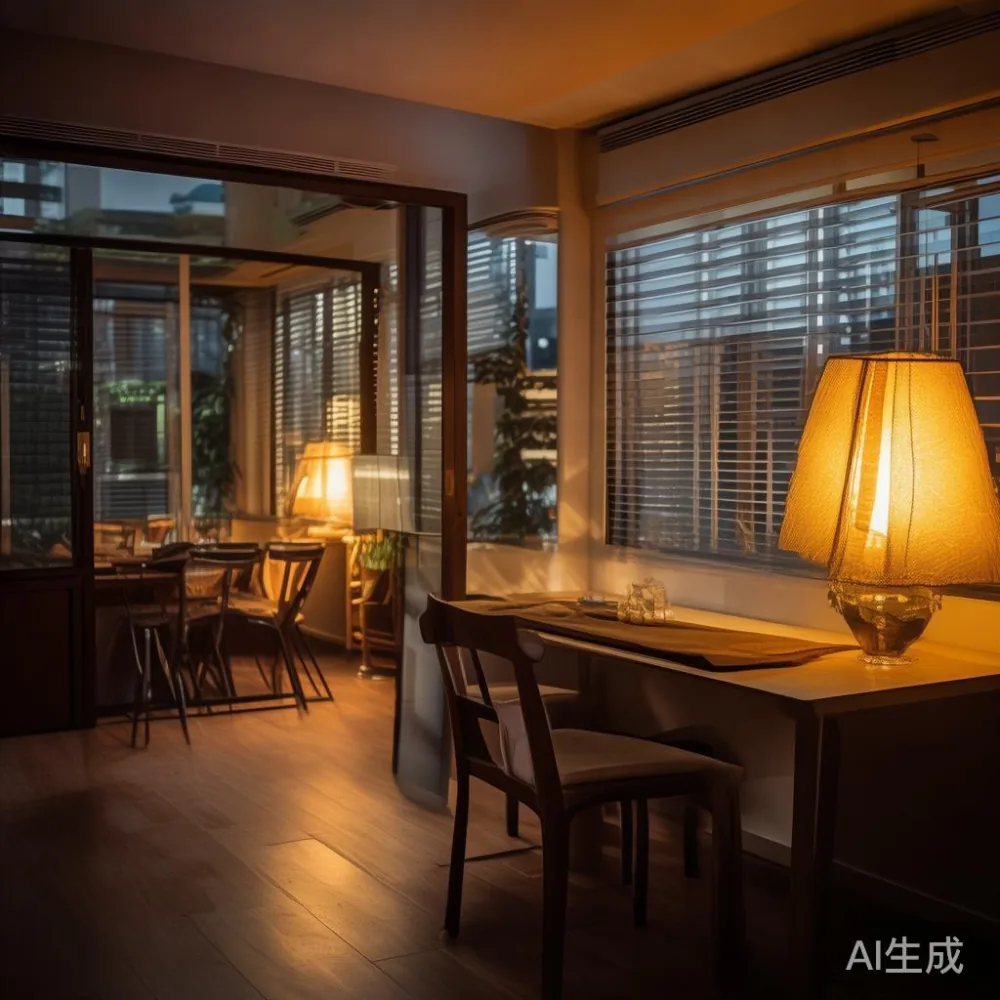
Then sketch the room at 1:20 on graph paper. Mark the air-con ledge, the window mullion height (usually 2.1 m in newer BTOs), and the position of the DB box. With those numbers fixed, a 120 cm x 70 cm dining table for four becomes the centre of gravity. Pair it with dining chairs that have a seat height of 45 cm and a depth under 50 cm, and you keep a 70 cm walk-through behind the diner. That is the minimum for an adult to pull back a chair without bumping the wall or the person behind them.
Budget-wise, I would ringfence S$2,200 to S$3,800 for the dining set in solid wood, then S$1,400 to S$2,200 for a bed frame, and S$900 to S$1,600 for a two-door wardrobe. Add 9% GST on every line, a S$60 to S$120 delivery fee for HDB addresses, and a S$40 lift-booking surcharge for blocks without a cargo lift. The order of operations is unglamorous and that is the point: it prevents the S$1,200 mistake of buying a chair that blocks the corridor.
Which dining chairs actually suit a small Singapore home?
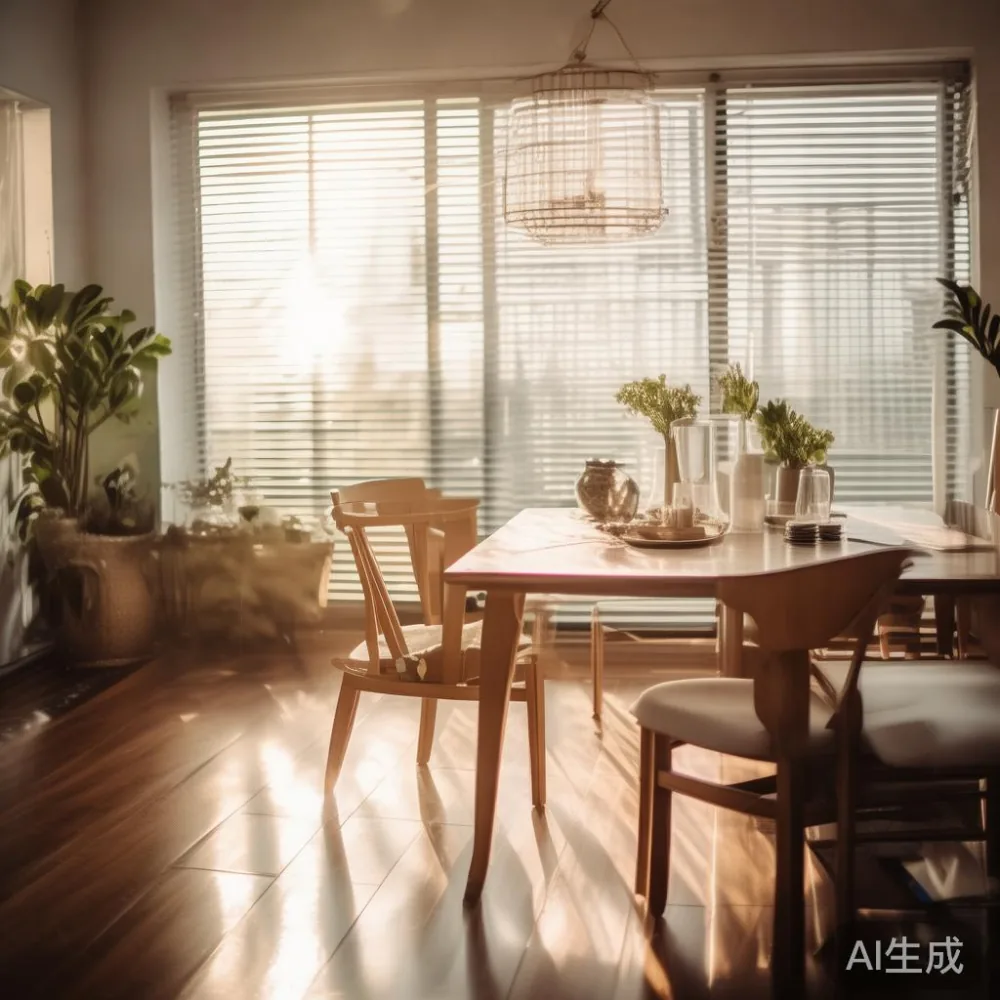
This is the question I get most often from friends renovating in Tampines. The honest answer is that you want dining chairs with three traits: a tight footprint (under 48 cm wide), a low or open back, and a frame that does not visually bulk up the room. A solid wood seat with a slim spindle back, around 42 cm wide and 45 cm deep, ticks all three boxes. Stackable stools earn bonus points in a 3-room flat because they tuck under the table when grandparents are not visiting.
Heavier upholstered dining chairs look plush in a 90 sqm condo, but they eat roughly 10 cm of clearance behind them and they make a 90 x 90 cm breakfast corner feel like a banquet hall. Lighter frames also expose more floor, which is the single trick that makes a small space read as larger. If you want the soft, lived-in feeling, choose a chair with a woven back or a fabric seat pad that lifts off, so you can wash it after a bak kwa splatter. For buyers browsing the api.midhill.co catalogue, the trick is to filter by seat height and depth before you fall in love with the silhouette.
Materials matter too. A solid wood frame in ash or white oak takes daily Singapore humidity better than MDF wrapped in veneer, which tends to swell at the edges after two wet seasons. A well-made frame, joined with mortise and tenon, will still feel tight after eight years of mahjong nights. I learned this the hard way: my first set of dining chairs, a flat-pack number from a neighbourhood mall, wobbled by year three and the screw holes stripped by year four.
What light-luxury direction fits a 60 to 80 sqm HDB?
Post-modern light luxury is the most forgiving of the three currents for compact Singapore homes. It pairs warm solid wood with brushed brass, marble accents used sparingly, and soft curves that absorb noise and sight lines. In a Bedok 4-room flat, a single round marble table, 90 cm across, can anchor the dining corner without the visual weight of a rectangular slab. The marble reads as a quiet gesture, not a statement, and the eye registers the room as curated rather than crowded.
French light luxury leans more decorative: fluted legs, cream fabrics, gilded touches. It works in a condo with 2.7 m ceilings, but in a 2.4 m HDB ceiling it can feel pressed down. I would reserve it for a feature piece, perhaps a velvet headboard on a bed frame, and keep the dining corner quieter. American light luxury is the easiest entry: clean profiles, neutral upholstery, walnut or oak tones. For most of my friends in Punggol and Sengkang, that is the default starting point because it photographs well for resale listings and ages slowly.
If you are mapping this against specific pieces, picture a solid wood sofa in ash with a 200 cm length, a low-profile bed frame in white oak, a 4-seater dining table at 140 x 80 cm, and dining chairs in the same wood tone with a woven back. The repetition of one timber across the silhouette is what gives a small flat the calm, collected feeling that people associate with luxury Mid-century modern furniture, even at HDB scale.
How should I lay out a dining corner next to the kitchen?
In a typical HDB open kitchen, the run from the sink to the dining table is 90 to 120 cm. Keep that distance, or the person washing dishes will feel crowded. Pull the dining table 60 cm away from the wall to allow someone to walk behind a seated diner, or push it flush against the wall and use dining chairs without armrests on the inside so they slide in fully.
Round tables are underrated in Singapore flats. A 100 cm round seats four comfortably and has no sharp corner to clip a hip on. Pair it with dining chairs that have a curved back, and the whole corner reads as a soft pocket rather than a tight squeeze. If you already own a rectangular table, angle it 45 degrees into a corner; the diagonal placement makes the room feel wider, and you recover roughly 0.4 sqm of usable floor.
Storage is the second decision. A sideboard under 150 cm wide, 45 cm deep, and 80 cm tall can sit along the wall opposite the kitchen entrance without blocking the corridor. Use it for table linens, serving boards, and the air-fryer you do not want on the counter. Above it, hang a single 60 x 90 cm mirror. The reflection of the dining table doubles the perceived depth of the corner, which is the cheapest visual upgrade you can make in a small flat.
Will solid wood furniture survive Singapore humidity and a 4-room flat?
Yes, with two conditions: kiln-dried timber and a finishing schedule. Solid wood moves with humidity, that is a feature, not a flaw, but it moves within a range. A piece dried to 8 to 12% moisture content and finished with a catalyzed lacquer or a hard wax oil will hold its shape through Singapore's 80 to 95% humid months and the 23 to 26°C air-con days. MDF and plywood wrapped in veneer do not have that resilience, which is why I keep steering friends toward solid frames for anything load-bearing: dining chairs, bed frames, dining tables, wardrobes, nightstands.
Weight is part of the story too. A solid wood dining chair runs 4.5 to 6 kg, which sounds heavy, but it stops the chair from sliding when a child climbs down. The dining table, 25 to 40 kg for a four-seater, is light enough for one adult to reposition during a house move. The wardrobe, 70 to 110 kg for a two-door, is the piece I would leave to the delivery crew. Block-level movers in Tampines and Bedok typically charge S$80 to S$160 per flight of stairs, no lift surcharge if your block has one, so factor that into the budget line beside the GST.
One more number worth memorising: a 10-year structural warranty covers frame integrity, joint failure, and timber cracking under normal residential use. It does not cover water rings from a wet glass, scratches from a pet, or sun bleaching on a balcony-facing piece. Lifetime refinishing, the kind a few Foshan workshops including MIDHILL offer, is the safety net for the second category. Every five to seven years you send the piece back, the workshop sands and re-finishes it, and it returns looking close to new. The shipping cost from Singapore is roughly S$280 to S$420 per piece by sea, which is cheaper than replacing a S$1,800 wardrobe.
How do I style a French wardrobe in a Singapore apartment?
If you are asking how to style French wardrobe in apartment settings, the trick is restraint. A French wardrobe in a HDB should sit flush against a wall, not float in the middle of the room, and it should not exceed 180 cm in height. Anything taller crowds the ceiling line and dwarfs the rest of the furniture. Keep the colour soft: chalk white, putty grey, or a warm beige. A French wardrobe in raw oak can read too rustic in a small flat, especially next to a modern dining table.
Hardware matters. Swap the default knobs for slim brass or matte black pulls, 10 to 12 cm long, and the piece immediately reads curated. Avoid ornate carvings, even if you love them in a magazine spread. In a 65 sqm flat, one decorative moment is plenty, and the wardrobe is the wrong piece to spend it on. Save the carving for a bed frame headboard or a marble table leg, where the eye lingers.
For the interior, plan for two hanging zones at 90 cm and 150 cm, plus three to four shallow drawers. Singapore weather means most of us rotate between office wear, lounge wear, and home clothes, so a single full-height hanging bar is wasteful. Soft-close hinges are not a luxury here, they are a quality-of-life upgrade in a bedroom two metres from a sleeping partner.
Bed frame, nightstand, and the rest: how do I keep the bedroom calm?
The bedroom is where most small flats lose the plot. People buy a king bed frame, two large nightstands, a six-drawer dresser, and a wardrobe, then wonder why the room feels like a storage unit. The first move is to drop the bed size. A 150 x 200 cm queen fits two adults comfortably and leaves 60 cm of walkway on each side in a 3.2 m x 3.0 m bedroom. A 180 x 200 cm king fits only if you have given up on nightstands entirely, or you are buying 35 cm deep floating shelves instead of a traditional nightstand.
For the bed frame, a low-profile solid wood platform in ash or white oak reads calm and visually lowers the centre of gravity of the room. Pair it with a 50 cm wide nightstand that has one drawer and an open shelf, no more. The open shelf is where the phone charger, a book, and a 30 cm table lamp live. The drawer catches the small stuff: earplugs, lip balm, the TV remote. If you are looking at how to style Japanese bed in room layouts, think 25 to 30 cm platform height, no headboard or a very low one, and a single bedside lamp with a warm 2700K bulb. That is a Japanese bed, and it gives up vertical drama in exchange for floor space and a quieter ceiling line.
Comparing the Japanese bed vs Nordic bed is useful here. The Nordic version, by contrast, often carries a taller headboard, thicker legs, and warmer wood tones. In a 3 m wide HDB bedroom, a tall Nordic headboard can press the eye upward and make the room feel shorter. A Japanese-style low frame keeps the ceiling visible and the room reading larger. Pick by ceiling height, not by Pinterest mood board.
What about the living room and a small light-luxury touch?
The living room is where one well-chosen piece can carry the whole room. A solid wood sofa in a 180 to 200 cm length, with a seat depth of 55 cm and a back height under 80 cm, is the right scale for a 4-room HDB. Avoid sectionals in a flat under 80 sqm: the chaise eats a full metre of wall and you will trip over it during a CNY gathering.
For a light-luxury moment, a single marble table, 90 to 110 cm across, can sit in front of the sofa as a coffee table. Marble is heavy, around 28 to 35 kg for a round top, so plan its position before delivery day. Pair it with a small tray for the remote and a single branch in a 25 cm vase. The eye needs one focal point, not five.
If you are furnishing a guest room or a flex space, the phrase Modern for guest room usually points to a simple platform bed, a slim wardrobe, and a single bedside lamp. Skip the armchair unless the room is over 9 sqm, and skip the desk unless the guest is a sibling who visits for a week. The shorter the furniture list, the larger the room feels, which is the whole game in a Singapore flat.
Where does wholesale sourcing fit, and when should I buy?
If you are renovating a small rental portfolio in Punggol or Jurong, wholesale Mid-century modern furniture can cut your per-unit cost by 25 to 40% versus retail. The catch is order minimums, usually 10 to 20 pieces per SKU, and a 45 to 70 day lead time from Foshan. Sea freight to Singapore runs 18 to 28 days, customs clearance 3 to 5 working days, and last-mile delivery another 5 to 10 days. Plan your handover date backward from those numbers.
For homeowners buying a single set, retail is the right channel. The Foshan workshops behind MIDHILL, for example, hold 14-day returns, free shipping above US$350 (roughly S$480 at current rates), and a 10-year structural warranty on solid wood sofa frames, bed frames, dining tables, wardrobes, and nightstands. That is the right safety net for one household. Wholesale only makes sense once the math on a second or third property starts to add up.
Buy in the March to May window if you can. Showroom traffic in Singapore dips after Chinese New Year, several studios run small promotions, and you avoid the June to August monsoon backlog that delays deliveries by two to three weeks. If your move-in date is fixed, place the order at least 60 days ahead. That gives you a buffer for one re-finish, one re-stitch, or one replacement dining chair if the first delivery has a flaw.
A short checklist before you click checkout
Confirm the lift dimensions of your block, including the diagonal of the door. Measure the corridor width on your floor, because some BTOs run 1.1 m, others 1.4 m. Pick one timber tone and repeat it across dining chairs, bed frame, and nightstand. Set a ceiling height budget of 2.4 m and refuse any wardrobe taller than 1.8 m. Add 9% GST, a S$60 to S$120 HDB delivery fee, and a S$40 to S$160 lift surcharge to your cart. Keep one accent material, marble, brass, or rattan, and use it twice, not five times.
That is the recipe. Small flats reward discipline, not budget. A 65 sqm HDB in Bedok with the right dining chairs, one solid wood bed frame, a single marble table, and a calm French wardrobe will read larger, photograph better, and survive a second renovation cycle than a 90 sqm flat filled with flat-pack furniture. The numbers do not lie, and neither does the lift door on moving day.