The Art of Space: Styling Small Singapore Apartments Without the Crowded Feel
Living in a Singaporean apartment, whether a compact 45-square-meter unit in Tampines or a streamlined condo in Punggol, presents a unique design challenge. The desire for a beautiful, well-appointed home often clashes with the physical limitations of the space. Corridors can be narrow, lift dimensions are a fixed reality, and the footprint demands smart, intentional choices. The key isn't just to fit furniture in, but to curate an environment that feels open, airy, and personal. This guide focuses on one critical area: the dining space, exploring how the right selection and arrangement of dining chairs can transform a cramped corner into a functional and inviting extension of your living area.
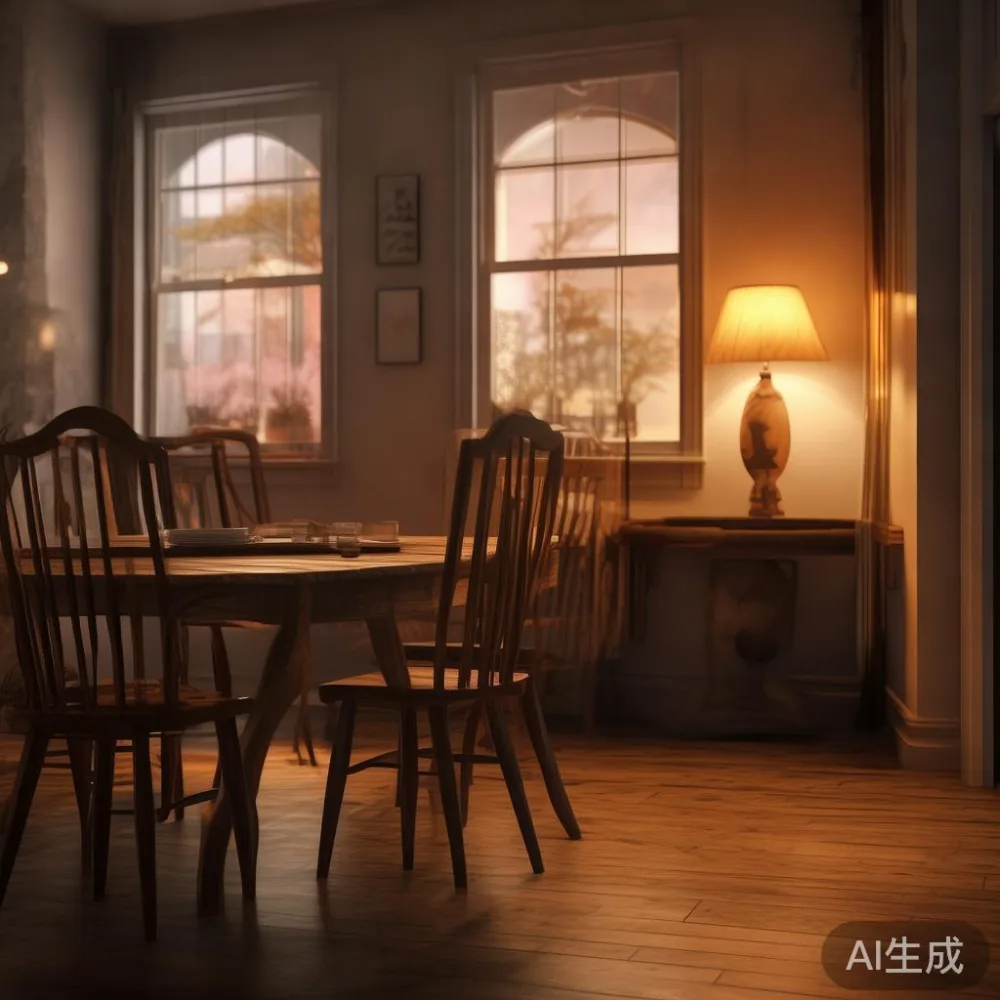
Understanding the Spatial Constraints of Singapore Living
The first step in solving any design problem is understanding the parameters. In Singapore, this means acknowledging the specific dimensions of our living spaces. A standard HDB lift in older estates is approximately 110 cm wide by 210 cm deep. This isn't just for moving people; it's for moving furniture. A bulky, ornate dining table that is 180 cm wide would require a diagonal maneuver to fit, a process that can be stressful and damaging to walls and door frames. Similarly, the corridor leading to your apartment might be only 120 cm wide, dictating the maximum width of any piece that needs to be carried through it.
Weight is another factor. Solid wood furniture offers durability and a premium feel, but it comes with heft. A solid wood dining table for four can weigh between 45 kg and 70 kg. This isn't a problem for the building's structure, but it is a significant consideration for delivery and placement. My colleague, who lives in a Bedok condo, recounted the experience of receiving his new marble table. The delivery team of three carefully handled the narrow lift and hallway, but the sheer 65 kg weight of the top required them to rest every few meters. This practical reality is a powerful reminder that form must follow function, and function must respect the physical environment.
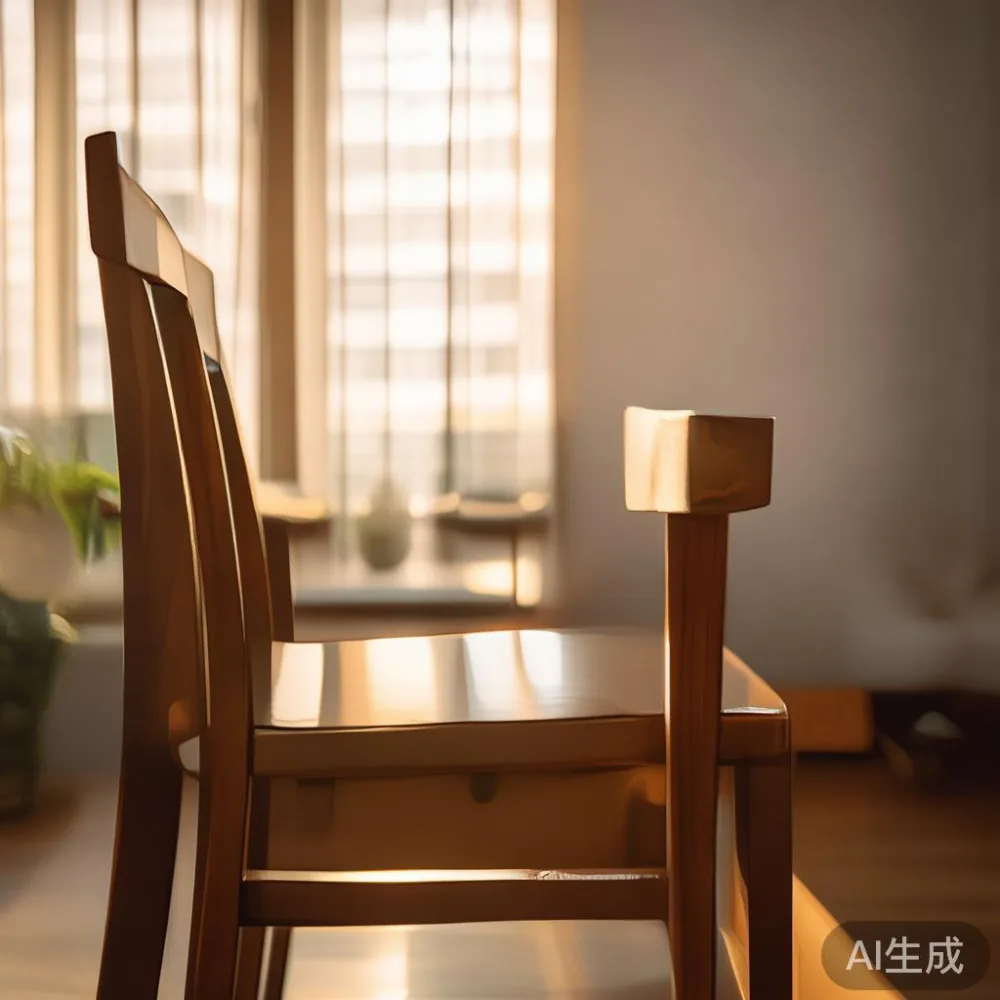
Cost is always a practical consideration. With a 9% Goods and Services Tax (GST) applied to all purchases, the final price of a piece of furniture is 9% higher than its listed price. A dining chair set that costs SGD 800 will ultimately cost SGD 872. This tax makes it even more important to choose wisely, investing in pieces that will last for years rather than needing replacement. A well-made solid wood dining chair, for instance, is an investment that can withstand the test of time and changing trends, proving its value over the long term.
How Do Dining Chairs Actually Make a Room Feel Bigger?
This is a common question. It seems counterintuitive that adding chairs to a small space could make it feel less crowded. The secret lies not in the chairs themselves, but in their design and how they relate to other objects. Visual weight is a concept where the eye perceives some objects as heavier or more imposing than others. A dining chair with a solid, high-back, dark wood design has high visual weight. It commands attention and can anchor a space, making it feel smaller.
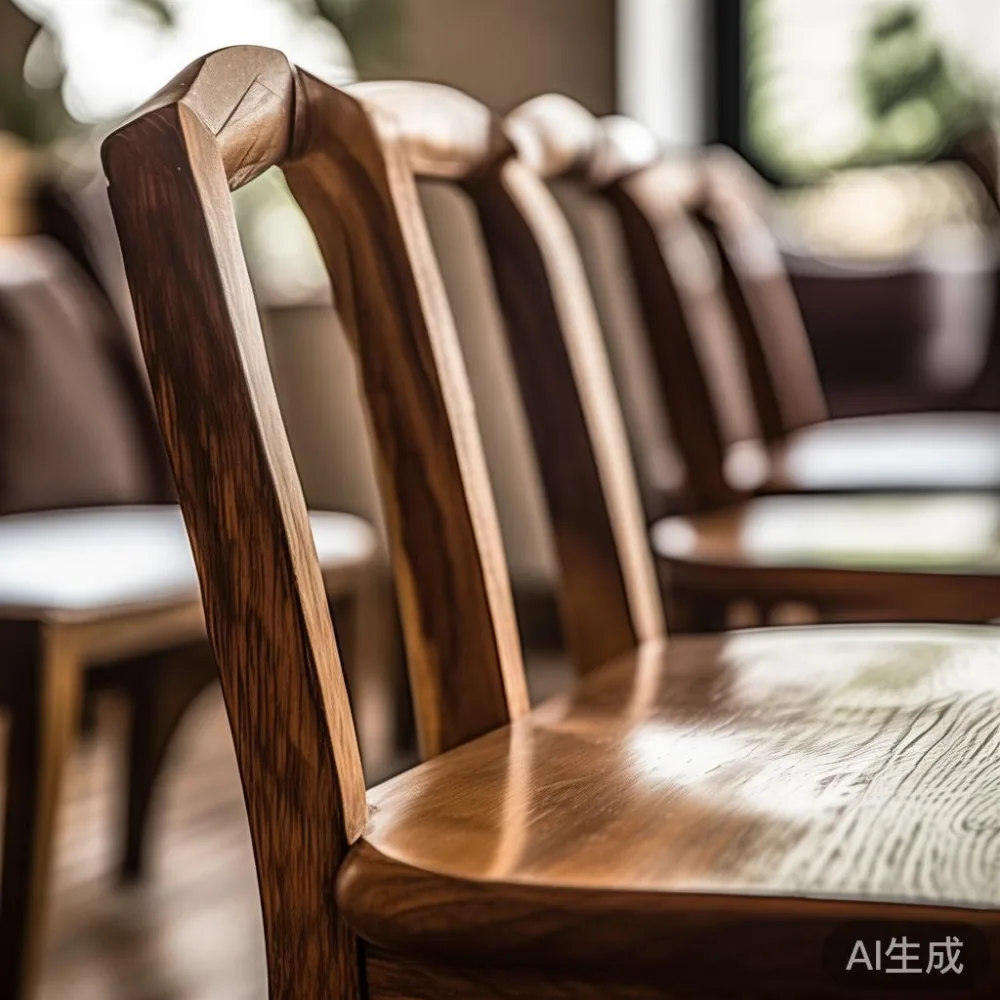
Conversely, a chair with a lighter profile has low visual weight. Look for dining chairs with open backs, slender legs, and lighter wood finishes like ash or oak. These chairs allow you to see through them, which creates a sense of depth and openness. Imagine a solid wall of chairs versus a set where you can see the floor and the wall behind the legs. The latter always feels more spacious. This principle is why French light luxury styles, with their emphasis on elegant curves and slender proportions, can be so effective in smaller rooms. They add a touch of sophistication without adding visual bulk.
The arrangement is equally important. Pushing all chairs against a wall when not in use is a common mistake. It creates a solid block that eats up floor space. Instead, consider using a console table or a narrow sideboard against the wall and pulling the dining chairs out only when needed. This keeps the walkways clear and the floor area free, which is a fundamental principle of making a space feel larger. Even a small change like this can dramatically alter the perception of the room's size.
Choosing the Right Dining Chairs for Your Apartment
Selecting the perfect dining chairs is about finding a balance between aesthetics, comfort, and spatial efficiency. For a small apartment, the material and construction are paramount. Solid wood is a fantastic choice due to its durability and timeless appeal. However, not all solid wood is created equal. A chair made from dense, dark walnut will feel much heavier and more imposing than one crafted from lighter maple or oak. For a Singaporean context, where light and space are often prioritized, lighter wood tones are generally more suitable.
The frame construction is another critical detail. Look for chairs with exposed legs. A chair whose legs are fully visible from all angles allows the floor to flow underneath it, creating an illusion of more space. A chair with a solid, skirted base or a fully upholstered bottom hides the floor and creates a solid, grounded block that can make a room feel smaller and more confined. This is a subtle but powerful distinction that separates chairs designed for spaciousness from those designed for maximum comfort in a large dining room.
Comfort should not be sacrificed for style, but it can be achieved intelligently. A chair with a contoured back and a slightly padded seat can be comfortable without being bulky. Instead of a deep, plush cushion that adds inches to the chair's depth, opt for a firmer, more tailored cushion. This provides support without adding unnecessary bulk. The goal is to create a dining area where you can linger comfortably, but where the furniture itself doesn't dominate the room.
Light Luxury Styling for Your Dining Nook
Introducing a light luxury aesthetic into a small dining space is about creating an atmosphere of refined calm rather than opulent excess. This style focuses on high-quality materials, clean lines, and a sense of understated elegance. It’s about the details—the grain of the wood, the texture of the upholstery, the perfect finish. For a small apartment, this approach is ideal because it avoids clutter and focuses on creating a few, impactful pieces.
One of the most effective ways to achieve this is by mixing materials. A solid wood dining table in a warm, natural finish can serve as the centerpiece. Paired with dining chairs in a lighter wood, perhaps with rattan or cane backs, you create visual interest without overwhelming the space. The combination of the solid wood table's grounding presence and the airy, open feel of the cane chairs is a classic combination for light luxury for small living room. The contrast in textures adds depth and sophistication.
Lighting is the unsung hero of any space, and it’s especially important in a small dining nook. A single, large pendant light can be too imposing. Instead, consider a cluster of two or three smaller, delicate pendant lights hung at different heights. This creates a more dynamic and interesting light source without blocking the line of sight. The play of light and shadow on a beautiful marble table or the textured surface of a solid wood dining table can improves the entire dining experience, turning a simple meal into a special occasion.
Practical Tips for Arranging Your Dining Space
Once you've selected your dining table and chairs, the final step is arranging them to maximize the sense of space. Start by measuring your available area with a tape measure. Note the exact dimensions of the room, the location of doors, and any fixed features like windows or air-conditioning units. This data-driven approach prevents you from guessing and making mistakes.
Allow for adequate circulation space. A minimum of 75 cm to 90 cm of clear space around the table is recommended. This ensures people can move around comfortably without bumping into chairs or walls. In a tight space, this might mean choosing a smaller table or a set of chairs with a smaller footprint. For example, a round dining table with a diameter of 120 cm might work better in a narrow space than a rectangular one that is 140 cm long.
Finally, consider the view from other parts of the apartment. Your dining area should not feel isolated. If it's visible from the living room, ensure the styling is cohesive. Using a consistent color palette or material theme, like a mix of solid wood pieces in a similar finish, can link the spaces together and create a unified, harmonious home. This thoughtful approach to arrangement ensures that your dining area is not just a place to eat, but a beautiful and integral part of your entire living space.